REVIEW · BELGIUM
Brussels: Musical Instruments Museum Entry Ticket
Book on GetYourGuide →Operated by Royal Museums of Art and History · Bookable on GetYourGuide
A museum where sound actually explains itself. The Brussels Musical Instruments Museum (MIM) is a smart mix of global instrument displays and built-in listening, set inside the stunning Art Nouveau Old England building. I especially like the included multimedia device with nearly 300 sound clips and the chance to see standout artifacts like the oldest preserved saxophone. One thing to consider: not every instrument has the same headphone-style listening setup, so some exhibits are more hands-on than others.
For me, the layout helps you move at your pace across four floors, from European instrument history to keyboards, traditional instruments, and electronic gear. It is also one of the rare museums where the building itself feels like part of the show, because the architecture on Mont des Arts is right there when you enter.
If you only have a short window in Brussels, you’ll still get value because the ticket is valid for 1 day and you can spend as long as you want exploring the sound-based exhibits—just plan around your personal listening time.
In This Review
- Key highlights to know before you go
- Musical Instruments Museum Brussels: the practical big idea
- Price and ticket value: what you’re really paying for
- Before you go: hours, what’s allowed, and the one closure to note
- Entering the MIM at Mont des Arts: Art Nouveau first, then the sound
- The multimedia device with nearly 300 sound clips
- Four floors of instruments: how to pace it so you don’t miss the good stuff
- Floor 1 style: European instrument history and context
- Keyboard collection: when technique matters
- Traditional instruments around the world: sound + craftsmanship
- Electronic instruments: modern sound design
- The saxophone artifact you’ll hear about
- Don’t skip the concert hall moment (but know what entry covers)
- Time estimate: 2 hours is a good starting point
- Who this is best for (and who should rethink it)
- Value checklist: is it worth $17 for you?
- Should you book the Musical Instruments Museum ticket?
- FAQ
- How long is the Brussels Musical Instruments Museum ticket valid?
- What is included with the ticket?
- Are concerts included in the entry price?
- Is the museum’s restaurant open during the visit?
- Is the museum wheelchair accessible?
- Are oversize luggage and flash photography allowed?
Key highlights to know before you go
- Nearly 300 sound clips you can trigger as you walk so instruments stop being static objects
- Four floors of collections, including keyboard instruments, traditional instruments from around the world, and electronic instruments
- The oldest preserved saxophone, a real conversation piece for music lovers
- Art Nouveau architecture in the Old England building on Mont des Arts
- Neoclassical concert hall on site, with live music available (but not ticketed in the entry price)
- QR-code entry tip that can save you from extra back-and-forth at the ticket office
Musical Instruments Museum Brussels: the practical big idea
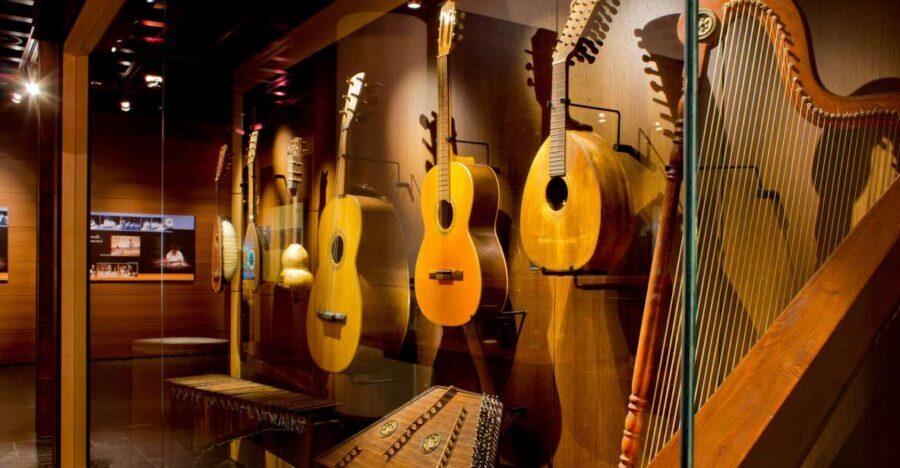
The Musical Instruments Museum in Brussels is built around one core promise: you can hear what you’re looking at. That matters, because most instrument museums risk turning into a quiet gallery of shapes and labels. Here, you get an audio/multimedia experience in your ticket, and the museum encourages you to match the sound to the instrument, right on the spot.
The other big win is the setting. The museum is on Brussels’ famous Mont des Arts (Hill of the Arts), and the building’s Art Nouveau style brings atmosphere from the moment you arrive. Even if you’re not a die-hard music nerd, that combination tends to click fast: global instruments, real artifacts, and an environment that makes the visit feel special.
Price and ticket value: what you’re really paying for
The ticket price is $17 per person (with a one-day validity window). That cost makes more sense when you consider what’s included:
- Entry to a museum with four floors of collections
- A multimedia device/audio guide experience built around listening
- Museum access that works well for both casual visitors and people who can’t walk past an instrument display without pressing play
You’re also buying convenience. The ticket includes skip-the-ticket-line entry, which helps if you arrive during a busy time. And the audio guide is available in English, Dutch, and French, which is a big plus if you want the context without reading every label.
If you’re traveling with flexibility, you can also book now and pay later, and you have free cancellation up to 24 hours in advance. That is useful in Brussels, where plans often shift based on weather, timing, or how much you end up loving another museum nearby.
Before you go: hours, what’s allowed, and the one closure to note
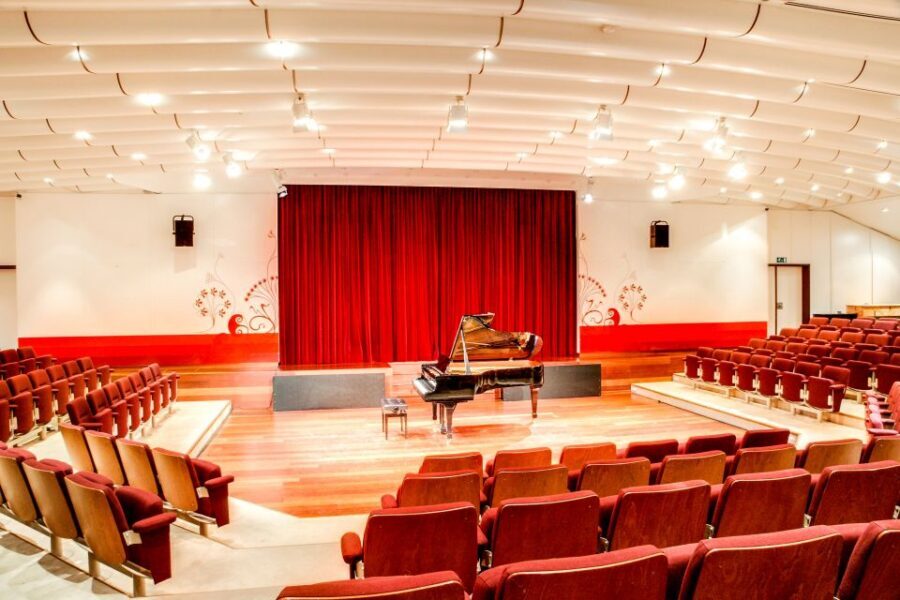
You’ll want to check starting times before you arrive, since the ticket is valid for one day but runs on available entry times. If you’re trying to pair the museum with another Mont des Arts stop, build in a little buffer for the time it takes to settle into the listening stations.
Two rules are worth knowing upfront:
- No oversize luggage
- No flash photography
Also, the museum restaurant is currently closed for renovation, so don’t plan on a sit-down meal inside during your visit. Bring snacks if you need them, or plan a meal nearby.
Entering the MIM at Mont des Arts: Art Nouveau first, then the sound
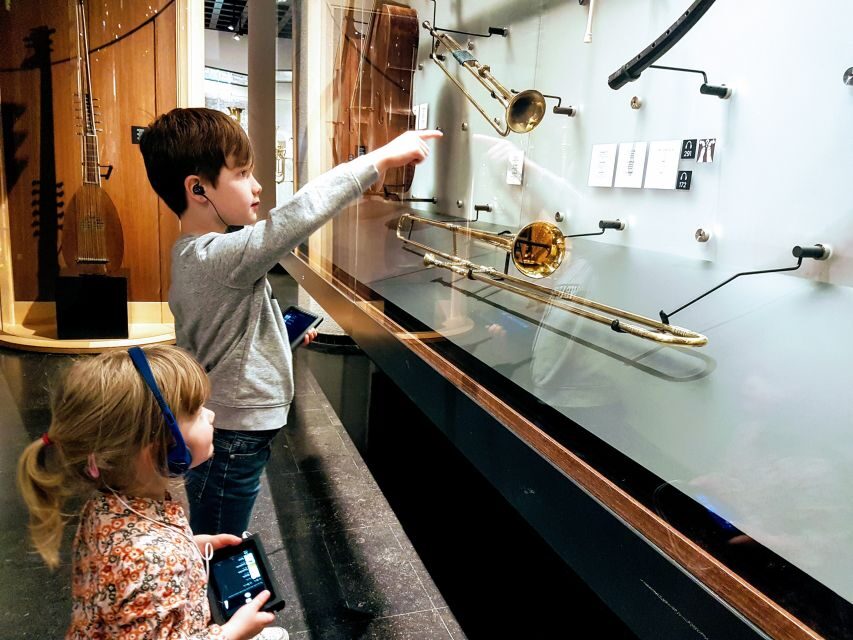
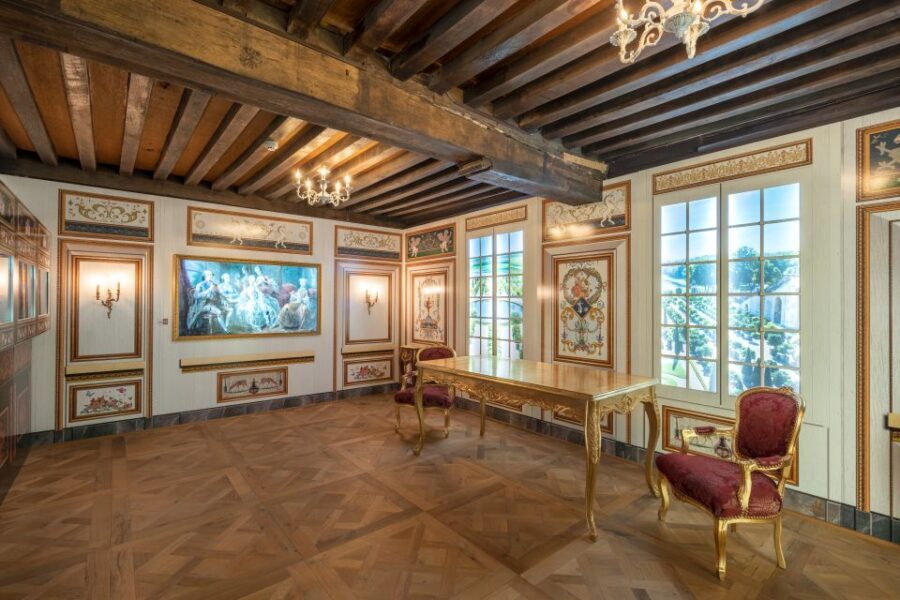
When you walk into the Musical Instruments Museum, you’re not just entering a building—you’re stepping into an instrument-themed experience. The Art Nouveau architecture in the Old England building adds drama and detail, so I recommend giving yourself a couple minutes to take it in before you head straight for the exhibits.
One small practical tip that can save time: if you have a QR code for your ticket, use it at the entrance. You can scan it right away and skip extra routing to the ticket office. (It also avoids the awkward loop where staff point you toward a tourist desk because they assume you’re asking about something else.)
Then you’re ready to start listening.
The multimedia device with nearly 300 sound clips
This is the heart of the visit. Your entry includes a multimedia device (with listening options in English), and it can play sound clips for almost 300 musical pieces. That turns museum looking into museum learning, because you’re not relying only on reading descriptions. You can match timbre, pitch, rhythm, and texture to what the instrument is physically doing.
A practical note: one of the most helpful things you can do is switch between listening modes when available. Some instruments are set up in a way that makes it easy to hear the effect clearly through headphones-style listening. Other exhibits may be less uniform, so if you’re strongly focused on audio, plan to spend extra time wandering back to the instruments you most want to hear.
Four floors of instruments: how to pace it so you don’t miss the good stuff
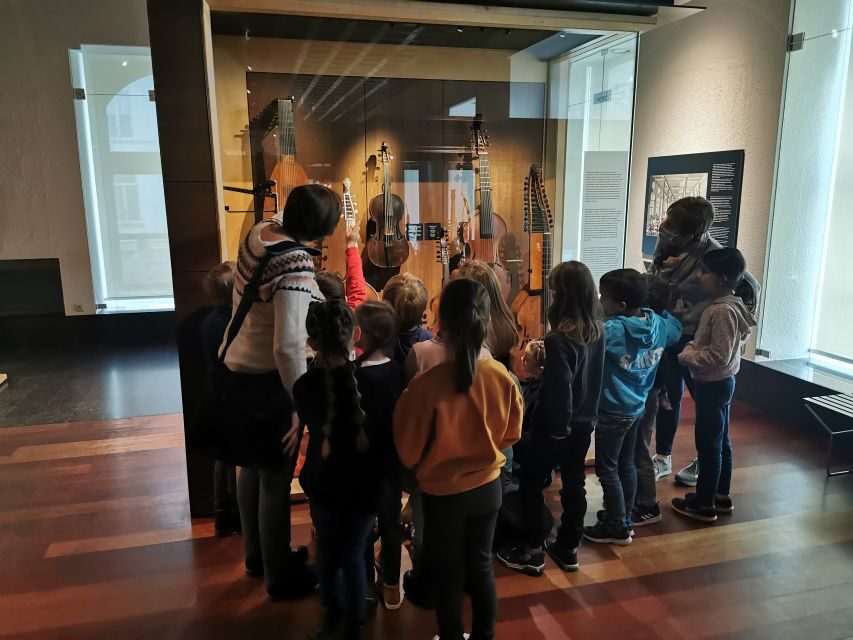
The museum is organized into four floors of collections. The exact order you experience can vary, but the themes are consistent, and each area has its own value.
Floor 1 style: European instrument history and context
One floor focuses on the history of musical instruments in Europe. Even if European music isn’t your main interest, this section helps you build a framework for what you’ll see next. You start noticing how instrument design changes over time and how cultural needs shape sound.
This is a good place to start because it sets up your listening brain. When you hit the “world instruments” rooms later, you’ll understand better what you’re hearing.
Keyboard collection: when technique matters
Another part of the museum is dedicated to a keyboard collection. If you love the mechanics of music—how someone’s hands translate into sound—this area tends to feel satisfying. Keyboard instruments also connect to a lot of Western music traditions, so it can be a nice bridge between European history and more global instrument categories.
Traditional instruments around the world: sound + craftsmanship
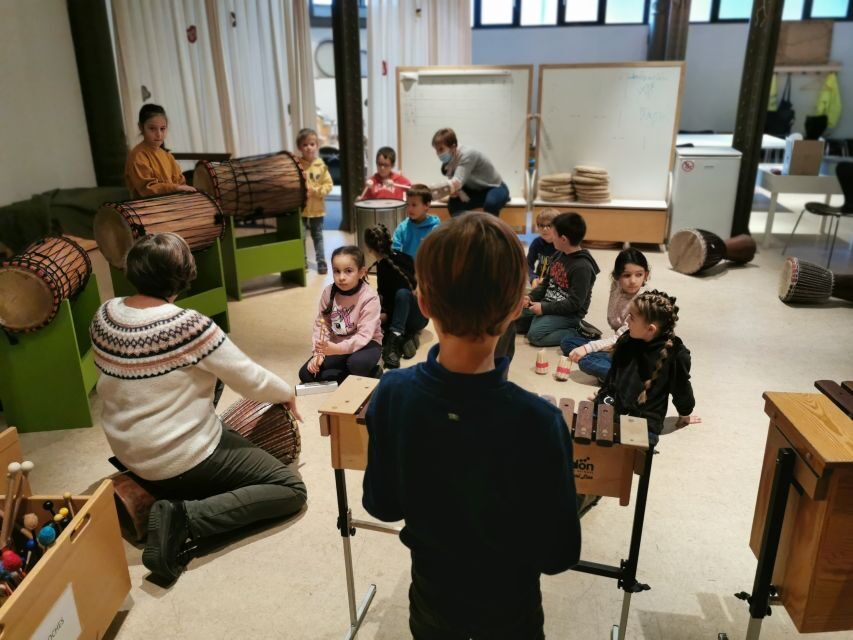
There’s also a room devoted to traditional instruments from around the world, including instruments like African slit drums. This is where the museum’s listening concept really feels useful. You can compare how different instruments achieve rhythm and tone without needing to know music theory to follow what’s happening.
If you’re traveling with someone who doesn’t want to read every label, this is still a strong section because the audio makes the objects feel active.
Electronic instruments: modern sound design
The museum includes an exhibit on electronic instruments. This section works well for today’s listeners because it frames electronics as part of instrument history rather than as a separate modern world. You’ll get a sense of how sound generation changed, and why some electronic instruments still borrow ideas from older instrument shapes and roles.
The saxophone artifact you’ll hear about
One of the big-name artifacts is the oldest preserved saxophone in the world. Even if you don’t plan your day around this fact, it’s the kind of object that makes people slow down. It’s a reminder that instrument history isn’t only about famous composers—it’s also about materials, design, and how inventors shaped performance.
Don’t skip the concert hall moment (but know what entry covers)
The Musical Instruments Museum has a neoclassical concert hall, and you can plan to catch a live concert while you’re there. That said, a concert ticket is not included in the entry price.
So here’s the realistic way to handle this: check the schedule after you arrive (or when you confirm your entry time) and see whether the live performance requires a separate ticket. If it does, you can decide on the spot based on your budget and how much you want the full in-museum music experience.
Time estimate: 2 hours is a good starting point
A common pace works out to about two hours if you focus on the main floors and use the sound clips as you go. If you’re the type who wants to compare sounds carefully—especially using the headphone-style options where they’re available—give yourself more time.
The museum is set up so you can do either:
- a focused loop through the four floors
- or a slower route where you revisit exhibits after listening to a few favorites
Who this is best for (and who should rethink it)
This ticket is a strong fit if you:
- like music and want to connect instruments to sound
- enjoy hands-on or audio-driven museums
- want a Brussels activity that’s more than just artwork and architecture
It can also be a good family option because the audio format helps kids and adults stay engaged, even when the label details aren’t read cover to cover.
You might reconsider if you mainly want a traditional silent museum experience, since a large part of the value here is hearing instruments and using the multimedia device.
Value checklist: is it worth $17 for you?
Here’s the value argument in plain terms. You’re paying for:
- entry to a museum experience that includes listening
- four themed floors of collections
- a multimedia layer that helps you understand what you’re seeing
- memorable artifacts like the old saxophone
If you like connecting music to physical instruments, this is one of the easier “yes” choices in Brussels. If you hate audio stations or prefer strictly guided tours, you might spend less of the ticket price’s potential value—because the audio is the point.
Should you book the Musical Instruments Museum ticket?
Book it if you want an affordable, one-day Brussels stop where the museum actually helps you hear what you’re learning. The multimedia device with almost 300 sound clips is the main reason, and it turns the visit from looking at instruments into understanding them.
Skip it or think twice if you’re short on time and already know you won’t use the listening features much. And plan around the restaurant closure, since that affects comfort if you expect to eat on site.
If you’re flexible and you can catch one of the live concerts in the neoclassical hall, even better—just remember the entry ticket does not include the concert ticket.
FAQ
How long is the Brussels Musical Instruments Museum ticket valid?
The entry ticket is valid for 1 day. You should check availability to see the starting times.
What is included with the ticket?
The ticket includes entry to the Musical Instruments Museum and an audio guide/media experience. The audio guide is available in English, Dutch, and French.
Are concerts included in the entry price?
No. A concert ticket is not included, even though the museum has a neoclassical concert hall where live music may be scheduled.
Is the museum’s restaurant open during the visit?
The museum’s restaurant is currently closed for renovation.
Is the museum wheelchair accessible?
Yes, the museum is wheelchair accessible.
Are oversize luggage and flash photography allowed?
Oversize luggage is not allowed, and flash photography is not allowed.