REVIEW · ETTERBEEK
Brussels: Museum Art & History Entry Ticket
Book on GetYourGuide →Operated by Royal Museums of Art and History · Bookable on GetYourGuide
A day at the Royal Museums of Art and History feels like time travel. I love the way this museum lines up ancient Rome (yes, there’s a model of Roma) next to Egyptian mummies, and then keeps going into Belgium’s own decorative arts and world cultures. One thing to watch: the museum is big, so if you only want one theme, you may feel rushed trying to cover everything in a single day.
You’re visiting a huge museum in a handsome classic building at Parc du Cinquantenaire, which makes planning easy. The ticket is $11 per person and it comes with entry, plus it’s set up so you can skip the ticket line and start faster instead of standing around.
Here’s what I’d do to get the most out of your time.
In This Review
- Key things to know before you go
- Royal Museums of Art and History: a one-day ticket with serious range
- Price and value: why $11 can feel like a bargain
- Finding the entrance at Parc du Cinquantenaire (and not walking in circles)
- Start with prehistory and the museum’s “world map” approach
- Antique Rome made understandable: the model of Roma
- Egypt and the curse of the mummies
- Belgium and Europe from 10th to 20th centuries: decorative arts you can actually spot
- Asia, Buddhas, and the non-European civilizations wing
- The practical finale: Cinquantenaire Park picnic after your museum day
- Who should book this and who might skip it
- Should you book this Brussels Museum of Art & History ticket?
- FAQ
- Where is the Royal Museums of Art and History entrance in relation to Autoworld?
- How much is the Brussels Museum Art & History entry ticket?
- How long is the visit for this ticket?
- What does the museum collection focus on?
- What public transport is closest to the museum?
- Is flash photography allowed?
Key things to know before you go
- Model of Roma: A standout way to see antique city life in one glance
- Egyptian mummies: Expect spooky, direct, Egypt-focused displays
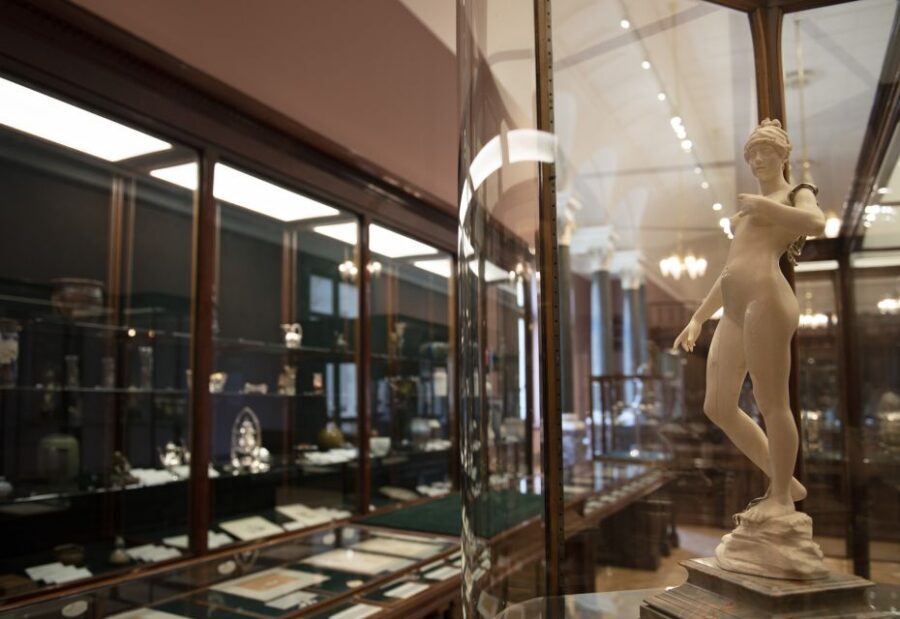
- Big museum, clear grouping: Ancient world, prehistory, European arts, and non-European civilizations are separated
- Asia and beyond: Look for Buddhas and Islamic/Indian/Chinese collections in the non-European wing
- Pack a picnic plan: Cinquantenaire Park is right there for a laid-back finish
Royal Museums of Art and History: a one-day ticket with serious range
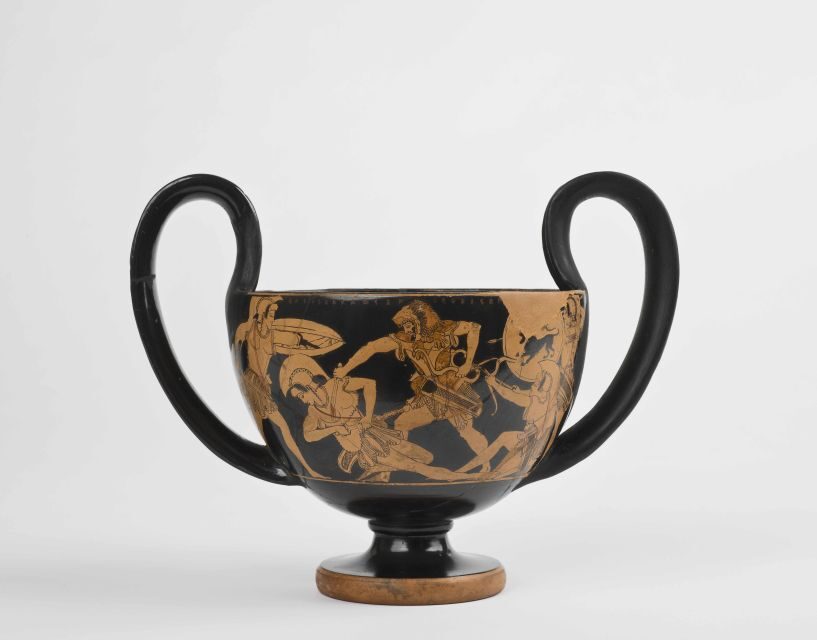
This museum is built for people who like stories told through objects. You’ll move through time and geography, starting with ancient civilizations and working forward into medieval eras, then into Belgium and Europe’s arts, and finally into early 20th-century styles. And it doesn’t stay “Europe-only.” You also get artifacts from Asia and even the Americas—so your day doesn’t turn into a single-country museum crawl.
Two parts are especially easy to get excited about. First, the museum’s ancient world section includes Egypt, Greece, and Rome, capped by that model of Roma. It’s a practical way to understand what you’re looking at instead of staring at statues with no map. Second, the Egypt displays go hard with Egyptian mummies—the kind of exhibit that makes you slow down because it feels like you’re facing history head-on, not just admiring it behind glass.
The main drawback is size. It’s one day, but the collection covers a lot. If you’re the type who needs to read every label, you’ll want to pick themes in advance. If you’re more of a “see the big moments” person, this works great.
Price and value: why $11 can feel like a bargain

The ticket price is $11 per person for entry, and the value comes from how much ground you’re allowed to cover in that ticketed time. A lot of museums charge similar money, but you may still end up seeing only a small set of rooms. Here, the collections are grouped so you can follow your interests: ancient history, national archaeology (including prehistory), European decorative arts, and non-European civilizations.
Also, the ticket lets you skip the ticket line. That matters in practice. When you arrive with limited daylight (or you just want your museum time to be actual museum time), line-skipping turns into real savings.
One caution: price sensitivity is real. One of the shorter feedback notes complained that they paid what they didn’t think they needed to. That usually points to people who aren’t spending long enough to justify an entry ticket. My advice is simple: treat it as a full museum day, not a quick stop. Plan at least several focused hours, and you’ll be far more likely to feel like you got your money’s worth.
Finding the entrance at Parc du Cinquantenaire (and not walking in circles)
The museum sits at Parc du Cinquantenaire, in a classic building that looks like it belongs in a history textbook. The only trick: the entrance isn’t right by Autoworld. You’ll need to walk around the corner, then follow the signs to the proper entrance.
This is the kind of detail that can waste your first 10–15 minutes—time you could spend in the galleries. So when you arrive, don’t aim for the first doorway you see. Aim for the signs and the correct entrance.
Getting there by public transit is straightforward. The nearest stations are Merode and Schuman (both within walking distance), or Central Station with a metro connection to the Art & History Museum. If you’re using metro, Schuman is the closest station. If you prefer buses and trams, these stop near the area:
- Bus: 22, 27, 80 to Galliërs; 61 to Merode
- Tram: 81, 82 to Merode
Pro tip: if you’re traveling from the city center, Schuman is often the most direct feeling landing point.
Start with prehistory and the museum’s “world map” approach
You’ll get the best flow if you treat the museum like a set of doors, not one long hallway. The collections are divided into clear groups, so your brain stays organized instead of melting into museum fatigue.
One of those doors is the national archaeology collection, which includes prehistory. This is where you can calibrate your day: you’re not just jumping into famous empires. You’re getting the deeper setup of human history in Belgium and Europe before you jump into Egypt, Greece, and Rome.
Why that matters: prehistory changes how you look at everything after it. When you’ve seen the longer timeline, ancient objects don’t feel like isolated “cool things.” They start to feel like steps in a big story—trade, technology, belief systems, and style all moving over time.
The potential drawback here is labeling time. Prehistory can lead you into reading more than you expected, which is fine if you love that. If you’re trying to cover many sections in one day, skim first, then slow down later where you feel the strongest pull—like Egypt or Roma.
Antique Rome made understandable: the model of Roma
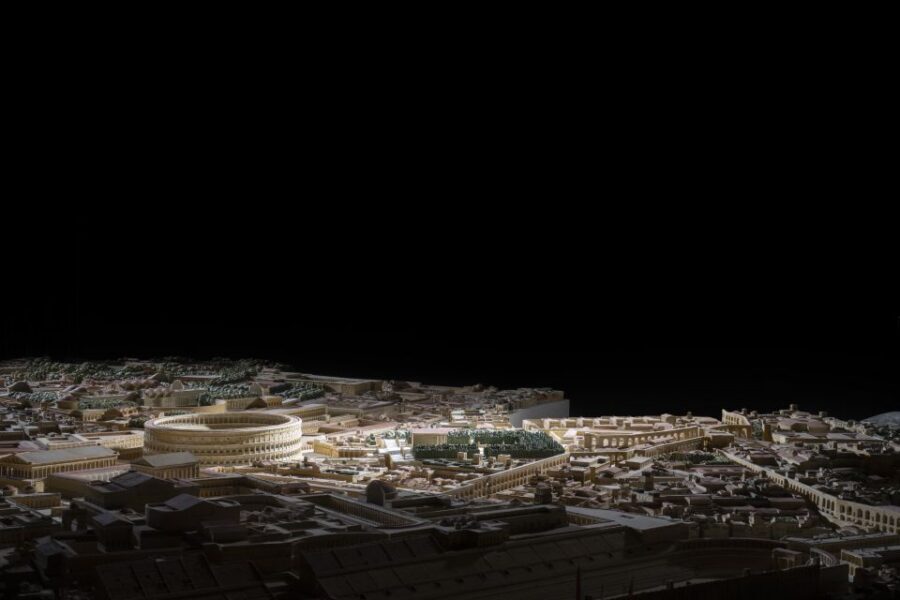
If you’re short on patience for vague museum wandering, make the model of Roma your early anchor. The museum’s antique Rome experience isn’t just about artifacts; it’s about context. A model like this helps you understand scale and placement. Suddenly you can picture how the city might have felt rather than just recognizing names.
This is also a good way to connect the ancient sections. Egypt, Greece, and Rome can look like separate islands if you jump into each one randomly. Start with Roma and you’ll likely find yourself noticing connections as you move—similar materials, repeated themes of power and religion, and changes in artistic choices over time.
The practical advantage: it gives you a quick win. Even if your energy dips later, you’ll already have hit one of the museum’s most “get it instantly” highlights.
Egypt and the curse of the mummies
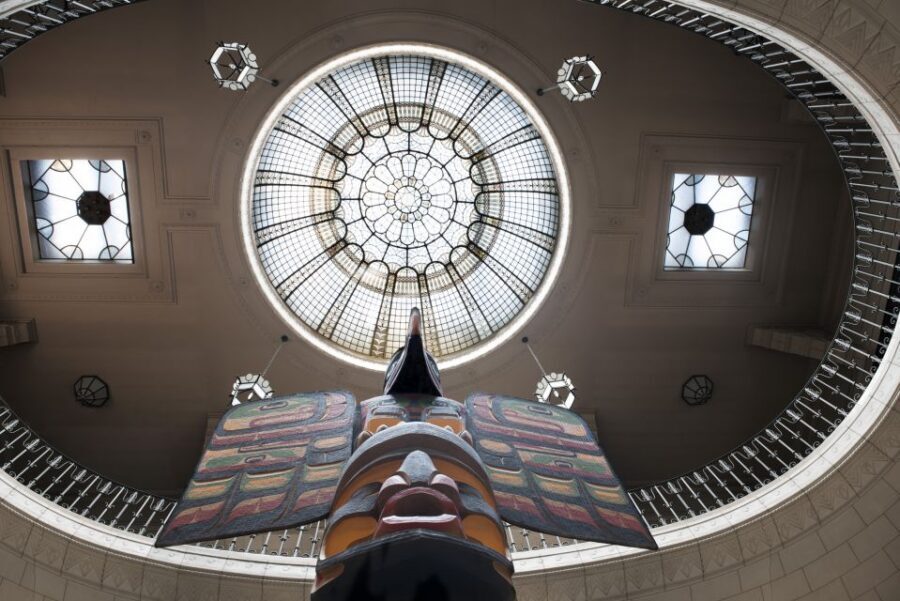
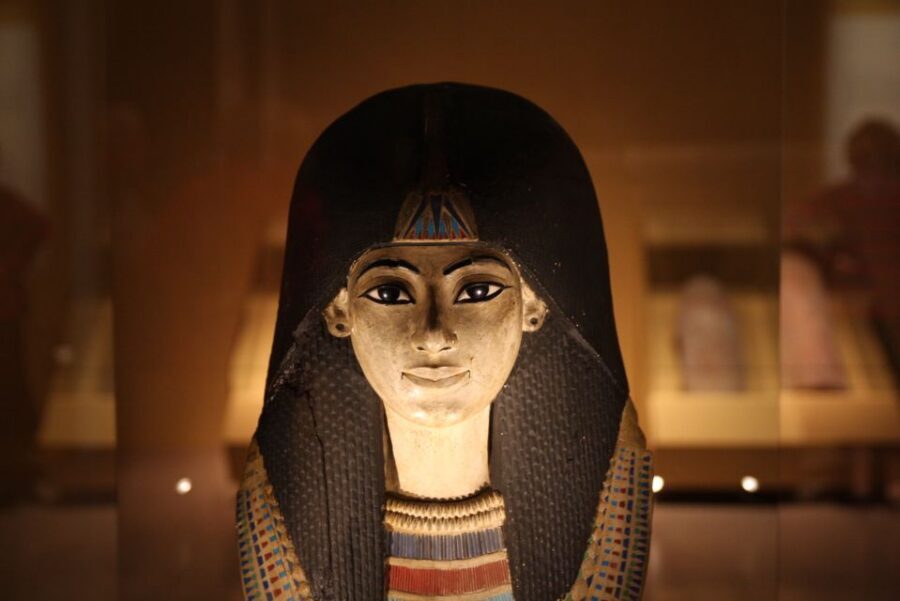
Then comes Egypt—and the museum doesn’t whisper. The Egyptian mummies section is a major crowd-stopper for good reason. It’s one of those topics that naturally makes people lean closer, because it feels a little eerie and very human at the same time.
What I like about this part of the museum is that it pairs well with everything around it. If you’ve just looked at prehistory and moved through the broader ancient setting, the mummy displays land with more meaning. You’re not just seeing artifacts; you’re facing the ancient idea that survival after death was a serious project.
A small consideration: because this is a highlight, expect people around you. You might not get a perfectly quiet moment right away. If you want the calm experience, go slightly earlier in your day or take a short break and come back.
One more rule: flash photography isn’t allowed, so don’t plan on lighting your own phone-bulb show. Use natural light and steady patience.
Belgium and Europe from 10th to 20th centuries: decorative arts you can actually spot
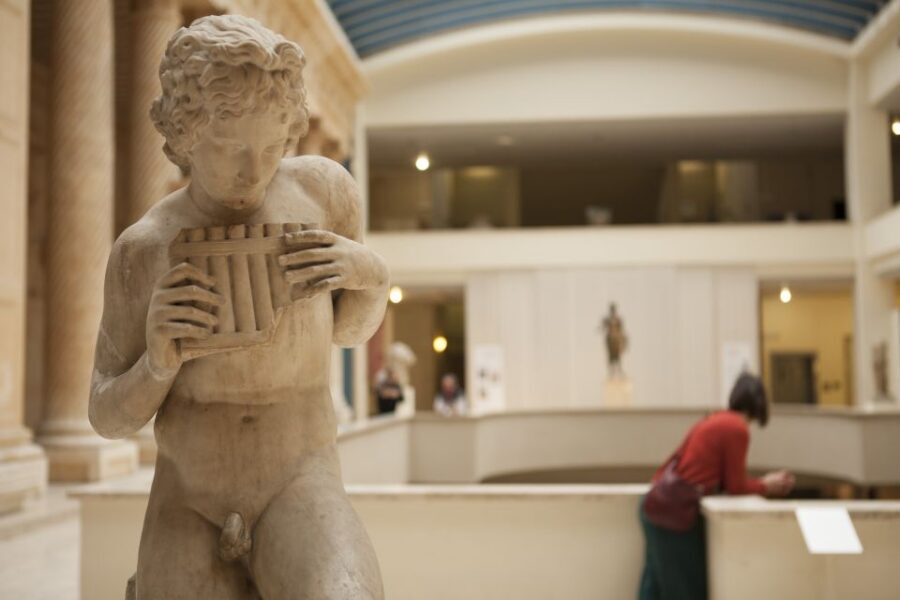
After you’ve dealt with the ancient world, the museum shifts gears into European decorative arts from the 10th to the 20th centuries. This is where the museum becomes fun even if your main goal is history. Decorative arts are visual. You can often spot changing styles quickly, even without turning every label into a full read.
This section also helps your day feel “complete.” You start with civilizations thousands of years apart, and then you reach the periods where Belgium and Europe become part of the same artistic conversation. That’s useful for travelers who want more than just ancient highlights.
If you’re short on time, don’t force every room. Pick a few favorite pieces and spend time there. Decorative arts are best enjoyed when you stop rushing.
Asia, Buddhas, and the non-European civilizations wing

One of the best parts of this museum is that it doesn’t treat non-European cultures as side trips. In the non-European civilizations group, you’ll find collections linked to the Islamic world, India, and China—plus you can look for the Asian Buddhas display as you move through.
This part of the museum works especially well if you like art that carries clear spiritual or philosophical weight. Even when styles differ, you start to notice how objects communicate—through form, materials, and symbolism.
How to use it to your advantage: don’t try to understand everything in one pass. Instead, choose 2–3 items or sub-areas that catch your eye, then read the immediate context. That keeps the experience focused and prevents information overload.
A consideration: this wing may not match everyone’s personal interests equally. If you’re mainly here for Egypt and Rome, you might skim. I still think it’s worth a serious walk-through, because the contrast makes the museum more satisfying overall.
The practical finale: Cinquantenaire Park picnic after your museum day
After all that walking (and time travel), you’ll appreciate the setting outside. The museum is at Parc du Cinquantenaire, and one of the best end-of-day ideas here is an impromptu picnic.
This works for a few reasons. First, it lets you decompress without planning a second reservation right after your ticketed entry. Second, the park setting makes your museum day feel less like a sprint. You can sit, regroup, and talk through what you saw—mummies, Roma, decorative arts, and those Asian Buddhas—without feeling rushed.
Practical note: the museum rules include no flash photography, but outside you’ll likely have plenty of natural light for photos and casual life moments. Just keep an eye on your own comfort—museum days add up, and even a short rest can save you from the “why did we do all of this” feeling.
Who should book this and who might skip it
This museum entry is a strong fit if you want a broad day of art and history in one place. It’s especially good for people who enjoy cross-time storytelling—ancient to medieval to modern—without switching locations across the city.
It’s also a good family choice. One review noted that the museum works for both adults and kids, and that makes sense here: the highlights are visually clear (like the model of Roma) and the themes are dramatic enough that children can latch onto something fast.
Should you skip it? If you know you only want one narrow topic—say only Egypt or only a single period—then the size may feel like wasted steps. In that case, you might prefer a more focused stop. But if you’re curious and willing to wander with a plan, this ticket is a good bet.
Should you book this Brussels Museum of Art & History ticket?
Yes, if you want a full-day museum that mixes Egyptian mummies, a memorable model of Roma, and Europe’s decorative arts—plus non-European collections in the same ticket. At $11, it’s a solid value if you actually use the day to see multiple sections, not just one room.
Book it if you like variety and you don’t mind some walking. Skip it only if you’re strictly focused on one theme and you know you’ll be done in under an hour. If that’s you, you’ll feel the price more than the promise. If not, this is one of those Brussels stops that keeps paying off as your day unfolds.
FAQ
Where is the Royal Museums of Art and History entrance in relation to Autoworld?
The entrance is not located next to Autoworld. You’ll need to walk around the corner and follow the signs to the entrance.
How much is the Brussels Museum Art & History entry ticket?
The price is $11 per person.
How long is the visit for this ticket?
The ticket is valid for 1 day. Check availability to see starting times.
What does the museum collection focus on?
The artifacts are divided into groups: ancient history (Egypt, Greece, Rome), national archeology (including prehistory), European decorative arts from the 10th to the 20th century, and non-European civilizations including the Islamic world, India, and China.
What public transport is closest to the museum?
Nearest stations are Merode and Schuman (within walking distance) or Central Station with a metro connection. The nearest metro station is Schuman. Bus options include 22, 27, 80 to Galliërs and 61 to Merode. Trams 81 and 82 stop at Merode.
Is flash photography allowed?
Flash photography is not allowed.