REVIEW · WATERLOO BELGIUM
From Brussels : Napoleon’s Last Battle of Waterloo Tour
Book on GetYourGuide →Operated by Cognosimo Tours · Bookable on GetYourGuide
Four hours, and Waterloo comes alive. This is a focused small-group battlefield day built around the places where the last chapter of Napoleon’s 1815 campaign really happened—starting with Hougoumont Farm. You’ll get a guide to stitch the terrain to the story, instead of just walking around with a map.
What I like most is how the route hits the big set pieces without wasting time. Lion’s Mound is treated as the viewpoint it is, and you’ll also hear the human side of the fighting there, including the Dutch prince who was wounded. The only real watch-out is timing: if the first stop’s opening hours don’t line up with an early pickup, you could end up with less time on site than you hoped.
In This Review
- Key things to know before you go
- Price and what you’re really paying for
- From Brussels to Waterloo: how the day moves
- Hougoumont Farm: where the fighting gets personal
- A timing reality check
- Lion’s Mound: the viewpoint that explains everything
- Waterloo town stop: quick orientation, not a sightseeing detour
- What to do with your time
- Plancenoit: the hard edge of the battle
- Napoleon’s Last Headquarters: seeing the power up close
- The practical approach
- Group size and guiding style: why it feels worth it
- What you’ll actually remember when you leave
- Who this tour suits best (and who should choose differently)
- Should you book this Waterloo and Napoleon tour from Brussels?
- FAQ
- How long is the tour from Brussels to Waterloo?
- Is the tour guided, and what languages are offered?
- How many people are in the group?
- Where does the tour pick you up?
- What stops are included during the tour?
- What’s included in the price?
- What is the cancellation policy?
Key things to know before you go
- Small group (up to 7) means your guide can answer questions without rushing the whole bus
- Private transportation from Brussels cuts down on hassle and keeps the day tight
- Hougoumont Farm, Lion’s Mound, Plancenoit, and Napoleon’s HQ cover the main emotional beats of Waterloo
- Drinks included help keep the pacing comfortable on a short outing
- English or French live guiding keeps explanations clear on every stop
- Napoleon’s HQ entrance is included, so you can actually go inside and not just look from outside
Price and what you’re really paying for
The tour costs $471 per person for about 4 hours. That sounds steep if you’re thinking of a “bus tour” price—but the structure here is more like a private battlefield lesson with transportation added.
You’re not just paying for access to Waterloo. You’re paying for:
- a private guide
- private transport from your Brussels hotel pickup area
- drinks during the outing
- the fee for entry to Napoleon’s Last Headquarters
When a tour is short like this, value comes from time efficiency. You’re hitting multiple key points, with guided context at each one, rather than spending your limited hours commuting between scattered sites.
That said, one of the reviews you should keep in mind (even if it doesn’t happen to everyone) is that early-morning timing can affect what you get at the first stop. So if you’re booking for a trip where you’re sensitive to waiting, plan your expectations around how early pickups may land you.
You can also read our reviews of more tours and experiences in Waterloo Belgium.
From Brussels to Waterloo: how the day moves
The experience starts with pickup from your hotel in Brussels (and nearby areas). The important practical detail: you should be ready in your lobby about 10 minutes before pickup time. In a short, 4-hour format, being even a little late can steal time from the battlefield stops.
Once you’re out of Brussels, the driving is part of the point. Your guide can set expectations before you ever reach the fields. It also helps you get oriented fast—Waterloo can feel confusing if you show up with only a map and no narrative.
This is also where the private transport matters. Instead of timing your own connections, you’re on one schedule. That matters when you only have enough time for about 30 minutes here, an hour there, and still need to end with Napoleon’s HQ.
Hougoumont Farm: where the fighting gets personal
The tour’s first major battlefield visit is Hougoumont Farm, with guided time on site. This is one of those places where the ground shapes the story: walls, buildings, and approach paths matter because they affect how people moved and held ground.
Even if you’ve read about Waterloo before, Hougoumont often changes how you picture the battle. Instead of seeing it as a single line of armies, you start thinking in terms of positions, pressure, and the back-and-forth fight for control.
The main thing you’ll want to do at this stop is let the guide lead your eyes. Don’t treat it as a checklist photo spot. Ask questions about what the defenders were trying to accomplish and why this specific farm became such a meaningful target.
A timing reality check
Hougoumont may not be open immediately in the morning on every date. If a pickup brings you very early, you might lose some on-site time or spend more of the morning with the guide pointing out what you won’t be seeing. That’s not the tour’s “theme,” but it can affect the experience on the day you go. If you’re choosing between start times, or you’re very schedule-sensitive, it’s worth keeping this in mind.
Lion’s Mound: the viewpoint that explains everything
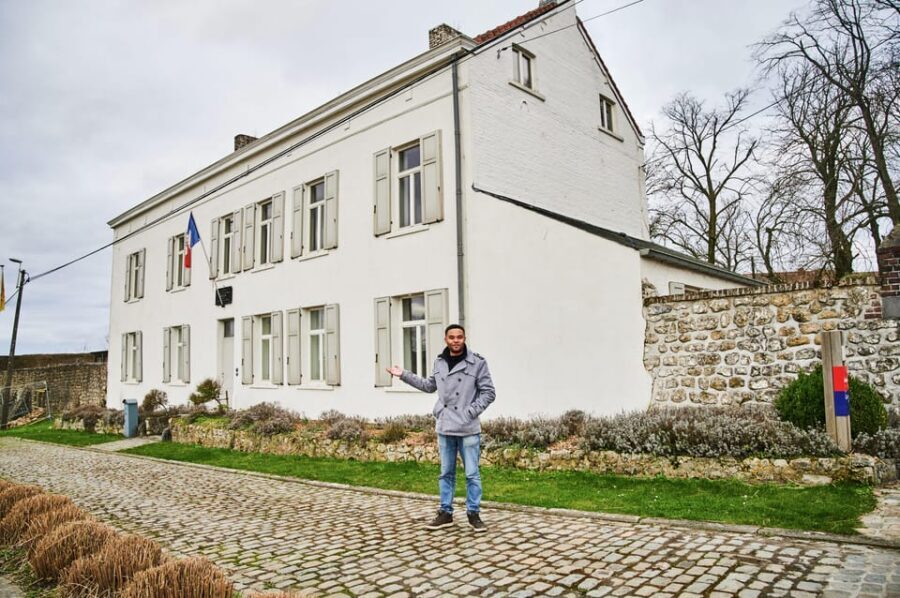
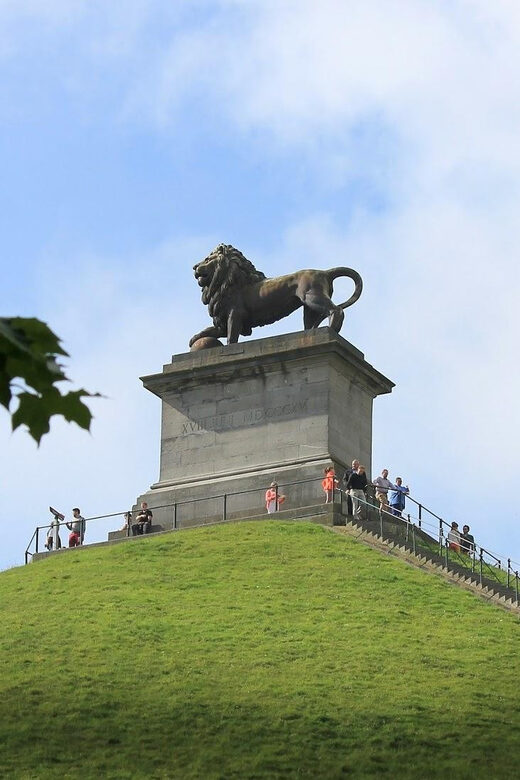
Next comes Lion’s Mound, where you get around an hour with guided context. A mound sounds like a monument, but here it’s a tool. From a height, the battlefield starts to make visual sense—lines, distances, and why certain movements mattered.
You’ll also learn about the Dutch prince who was wounded in this area. That detail isn’t just trivia. It gives you a human reference point for what the terrain meant to the people moving through it, not just the generals drawing lines on paper.
What I like about this stop is that it naturally shifts you from “what happened” to “how the battlefield worked.” After Lion’s Mound, Waterloo becomes easier to follow in your head, because your perspective is closer to how commanders and scouts would have thought.
If you like battlefield history, this is usually the moment where the tour clicks. You stop seeing separate sites and start seeing one connected fight.
Waterloo town stop: quick orientation, not a sightseeing detour
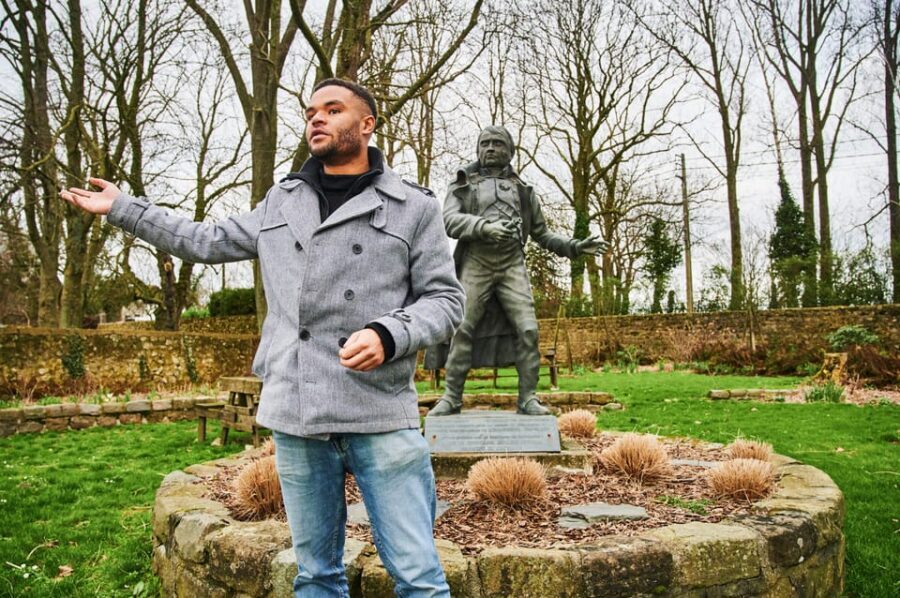
After the mound, you’ll spend time in Waterloo, Belgium, with guided talk that ties the wider setting back to the battle. The goal here isn’t a long city wander. It’s more like orientation: understanding what the area looked like in context and how the fight related to the local geography and roads.
This portion is helpful if you’ve ever felt lost at Waterloo. The battlefield can feel oddly spread out, and a short town stop gives your guide a chance to ground you before you head to the next key position.
What to do with your time
Use this segment to ask the guide what to watch for on the next stops. If you’re the kind of person who likes to “read” a place as you go—roads, sight lines, terrain dips—this is your setup moment.
Plancenoit: the hard edge of the battle
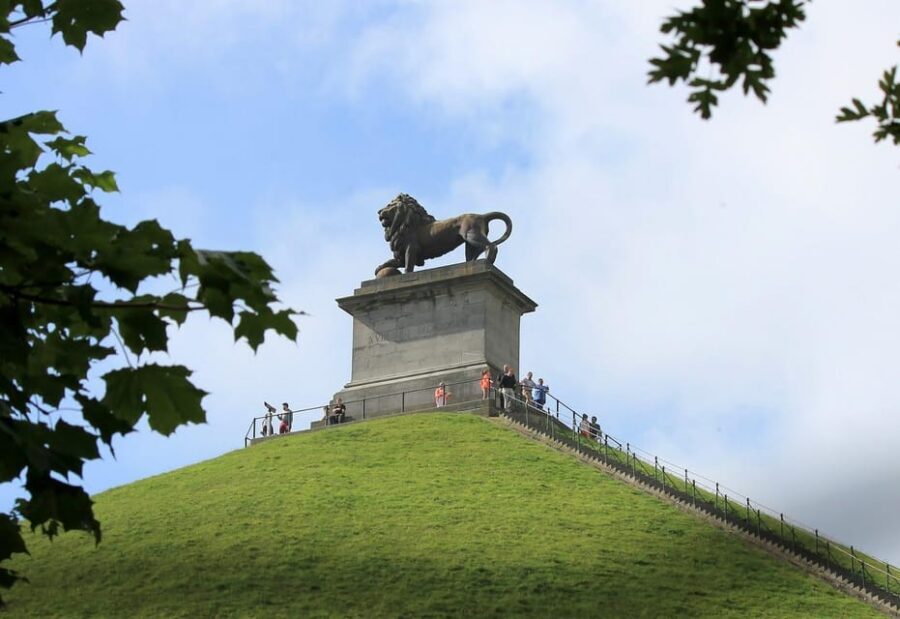
Then you’re at Plancenoit, with guided time on the famous position. This is where Waterloo’s intensity gets harder to ignore. Plancenoit is one of the spots that often carries the weight of the fighting in people’s minds, and the guide’s job here is to connect that reputation to what you can actually see in the area.
With about 45 minutes, you’ll have enough time to get oriented, walk the key viewpoints, and understand why this part of the battlefield mattered in the way it did.
If you’re the kind of traveler who likes history to feel real (not museum-quiet), Plancenoit is usually satisfying because it’s tied to movement and pressure, not just static monuments.
Napoleon’s Last Headquarters: seeing the power up close
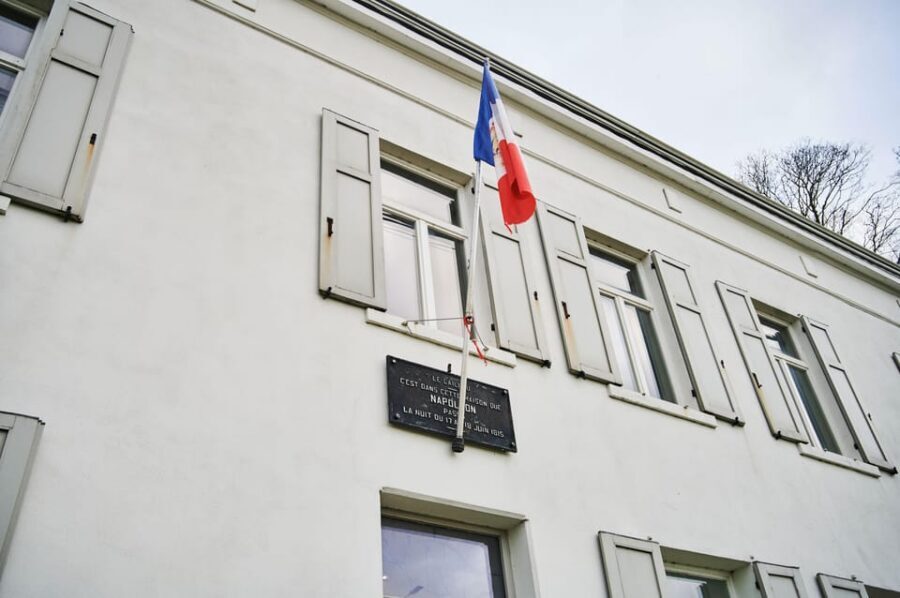
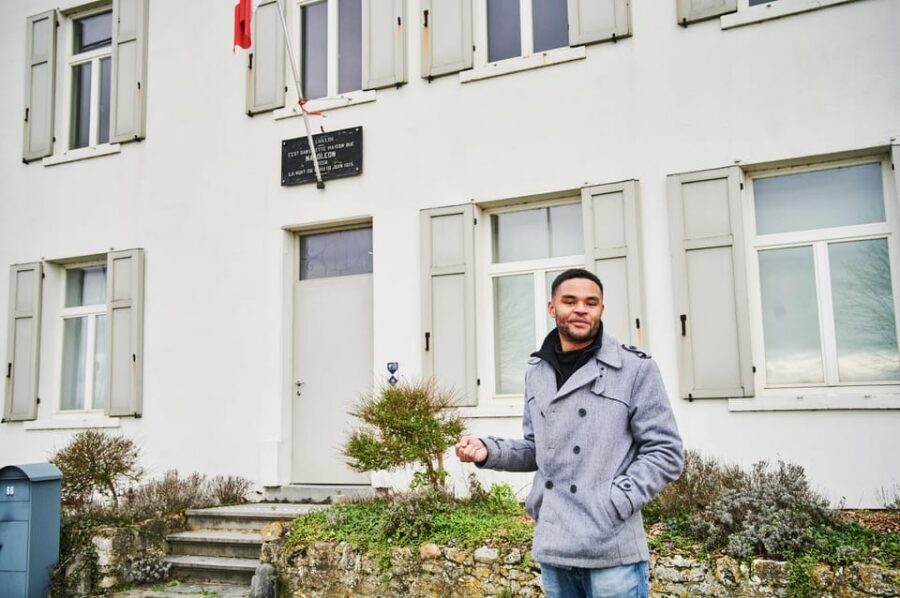
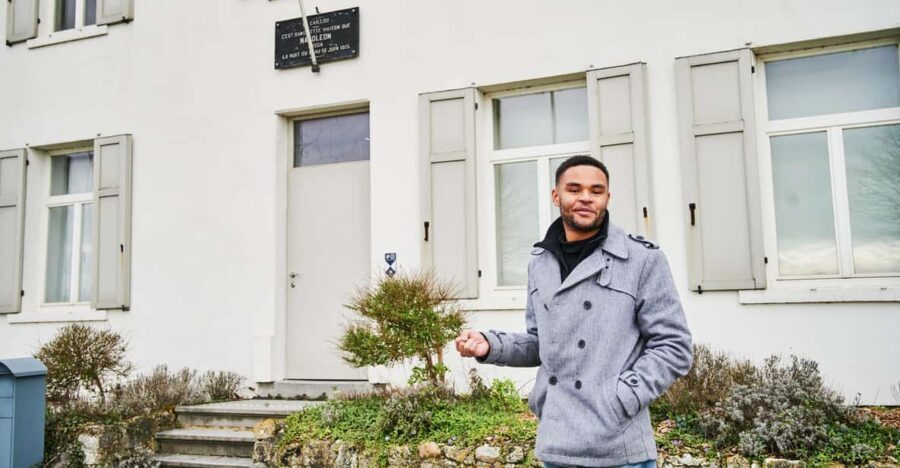
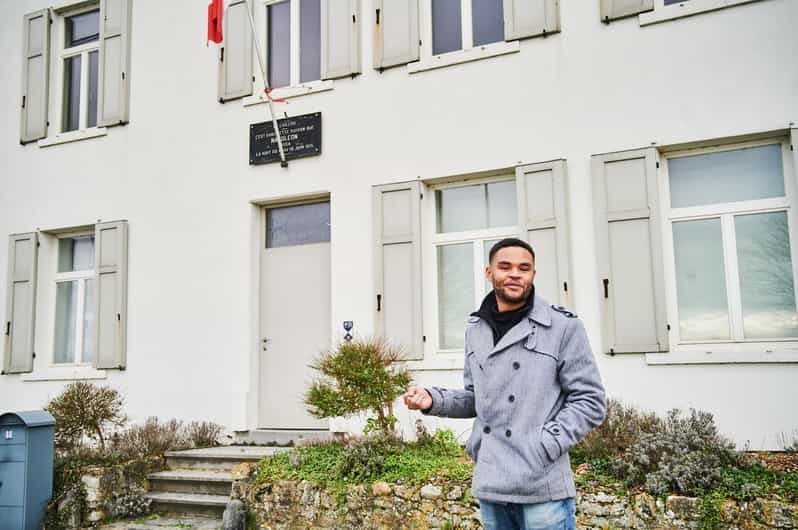
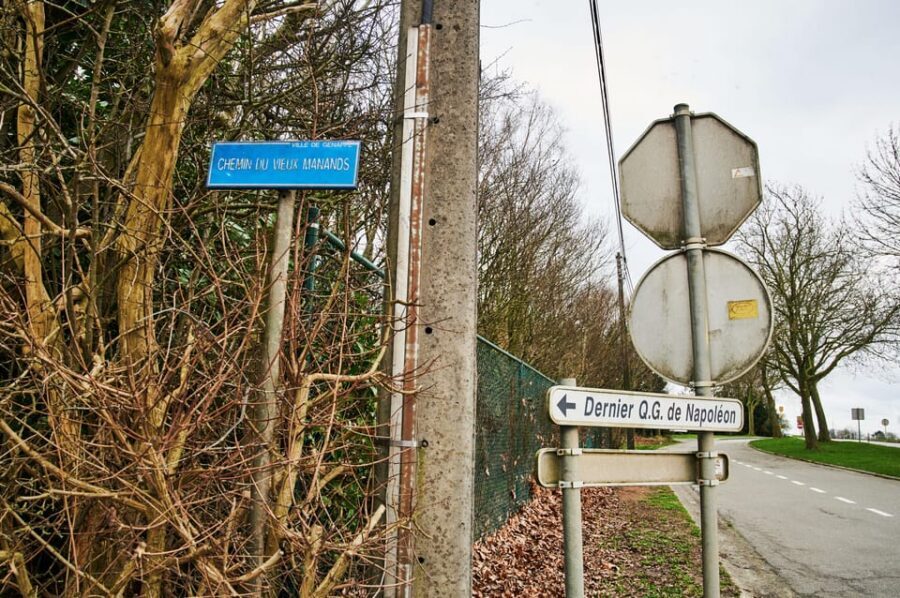
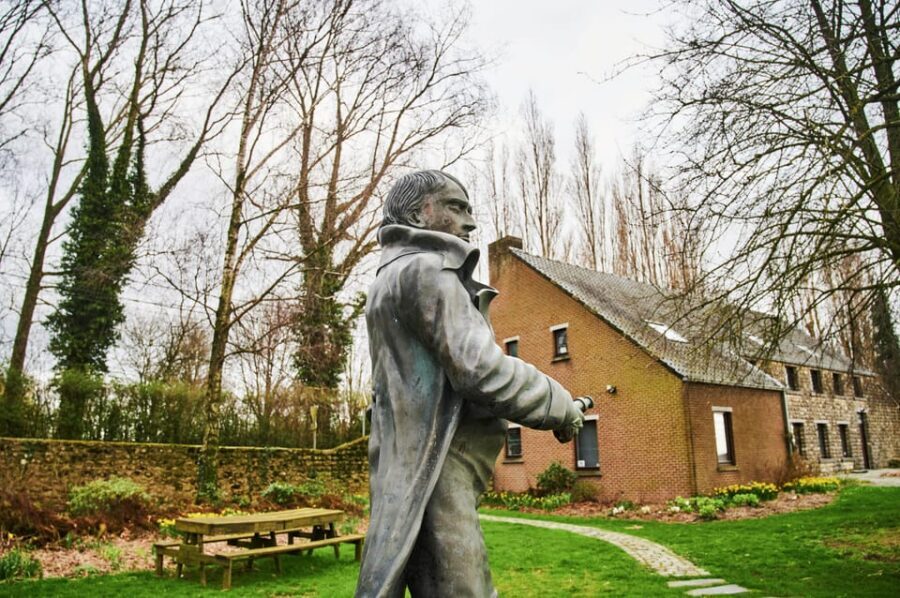
The tour ends with Napoleon’s Last Headquarters, including a short guided visit and entrance fee covered. You’ll have about 15 minutes inside, which is brief—but that’s the trade-off for fitting in multiple battlefield stops within a 4-hour schedule.
This is the part that turns the story from battlefield-wide to leadership-level. Places like headquarters sites matter because they give you a sense of scale: where decisions were made compared to where the fighting took place.
The practical approach
Don’t expect a slow-paced museum experience here. Go in with a couple of questions, like:
- what role the headquarters site played in the campaign’s final stage
- how the guide connects the building to the broader battle narrative
If you do that, the short visit becomes more than “photo and move on.”
Group size and guiding style: why it feels worth it
This is a small group tour limited to 7 participants. That matters because Waterloo isn’t one of those places where you can rely on signage and still get the story.
Your guide does the heavy lifting: connecting Hougoumont, Lion’s Mound, Plancenoit, and Napoleon’s HQ so you don’t leave with a pile of disconnected facts. In the best cases, the guide is also proactive with communication ahead of time, and at least one guide experience is described as friendly and well prepared.
One name that stood out in the feedback is Jérémmie, praised for friendliness and strong battlefield explanation. If you end up with a guide like that, you’ll likely walk away thinking in scenes, not dates.
Even if you don’t know Napoleon’s timeline perfectly, you’ll still be able to follow what’s happening because the route is built like a story arc.
What you’ll actually remember when you leave
A short Waterloo day can either feel like a speed-run or a clear set of takeaways. This format is set up for the second option: you’re not just “seeing places,” you’re learning how each place fits the final campaign.
Here’s what tends to stick:
- Hougoumont Farm as the start of the battle’s most intense footing
- Lion’s Mound as the viewpoint that makes the battlefield geography click
- Plancenoit as the place where the fight’s momentum sharpens
- Napoleon’s HQ as the leadership lens that ties decisions to outcomes
And yes, there’s room for the practical human stuff too. The experience is positioned so you can pick up a souvenir and leave with something to remind you of the day, not just photos on your phone.
Who this tour suits best (and who should choose differently)
This tour fits best if you want:
- a 4-hour, structured Waterloo visit without planning every stop
- private guiding so you understand what you’re looking at
- a small group setting where questions don’t get swallowed by the crowd
You might skip it if you want hours of free roaming, deep museum time, or a longer itinerary that includes more locations. With only a 4-hour window, this tour is about the core beats—excellent for focus, not ideal if you’re craving an all-day buffet of sites.
If you’re traveling with kids, it can still work, but you may want to judge how well your group handles guided history in a short window.
Should you book this Waterloo and Napoleon tour from Brussels?
If you’re deciding whether $471 per person makes sense, ask yourself one question: do you want a guided story that helps you understand Waterloo fast?
For me, the “yes” case is strong when:
- you value small-group attention
- you like battlefield sites explained in plain language
- you want the convenience of hotel pickup and private transport
- you care about the route’s major landmarks rather than a long self-guided day
The main “maybe” case is timing sensitivity. If your departure risks arriving at Hougoumont before opening hours, you could feel that the first stop is less satisfying than planned. If that matters a lot to you, check the day’s schedule carefully—or accept that short tours sometimes have fewer full-circle minutes than you’d like.
Overall, this is a smart way to see Waterloo without turning it into a logistical project. You’ll leave with a clearer mental map—and that’s the best souvenir.
FAQ
How long is the tour from Brussels to Waterloo?
It lasts about 4 hours.
Is the tour guided, and what languages are offered?
Yes, it includes a live guide. The tour is available in English and French.
How many people are in the group?
The group is small, limited to 7 participants.
Where does the tour pick you up?
Pickup is included from your hotel in Brussels and surrounding areas.
What stops are included during the tour?
You visit Hougoumont Farm, Lion’s Mound, Waterloo (including guided time there), Plancenoit, and Napoleon’s Last Headquarters.
What’s included in the price?
The price includes private transportation, the guided battlefield tour, drinks, and fees for entry to Napoleon’s HQ.
What is the cancellation policy?
There is free cancellation up to 24 hours in advance for a full refund.