REVIEW · WATERLOO BELGIUM
From Brussels : Napoleon’s Last Campaign in Belgium Tour
Book on GetYourGuide →Operated by Cognosimo Tours · Bookable on GetYourGuide
Napoleon’s last Belgian campaign is surprisingly close to home. In a single 6-hour run from Brussels, you get three core battle sites plus the Waterloo ending at Lion’s Hill, guided in French or English. I especially like the way the route forces you to connect the geography to what happened next, and the pace gives real time at Waterloo. The one caution: it’s not cheap, and a less-engaged guide or a snag at lunch can make the day feel shorter on value than you’d hope.
I also like that this is truly private, with pickup at your hotel area and the guide in your ear the whole day, not shoved into a big group where you can’t ask questions. When you’re paired with the kind of guide people rave about (like Jeremie or Eric), the campaign clicks—weather, terrain, and timing stop being trivia. Still, you’ll want to plan for downtime like a 1-hour lunch stop, and keep flexibility if the first lunch spot is busy.
In This Review
- Key Things That Make This Tour Worth Considering
- A 6-Hour Napoleonic Route From Brussels: What the Day Feels Like
- Ligny: Napoleon’s Last Victory and the Cost in Human Terms
- Quatre-Bras: The Crossroads Where British and French Clashed
- Waterloo Battlefield: From Hougoumont to the Main Lines
- Lion’s Hill and the Waterloo Memorial: Dutch Pride and a Wounded Prince
- Lunch Stop, Drinks, and the Little Time Traps
- Price and Value at $764 per Person: When It Makes Sense
- Who This Private Tour Works Best For
- Should You Book This Tour From Brussels?
- FAQ
- How long is the tour from Brussels?
- What places are visited during the tour?
- Is hotel pickup included?
- What languages are the live guides?
- Is lunch included in the price?
- Is this a private tour?
- What’s included besides the guiding?
- What should I bring?
Key Things That Make This Tour Worth Considering
- Private transport + pickup in Brussels: less hassle, more time on the ground
- Ligny, Quatre-Bras, Waterloo: the full “last campaign” storyline in one day
- Strong emphasis on terrain and timing: why fields and slopes mattered on 18 June 1815
- Waterloo ending at Lion’s Hill: Dutch memorial history, including a wounded prince
- Drinks and a souvenir included: small add-ons that keep the day smooth
A 6-Hour Napoleonic Route From Brussels: What the Day Feels Like
This is the kind of trip you do when you want the big story without doing logistics yourself. You start with pickup from your Brussels hotel (and nearby areas), then you’re off to Wallonia for a battlefield day that stays focused on one campaign: Napoleon’s last in Belgium.
You’re working with a tight-but-realistic schedule: three guided visits (45 minutes at Ligny, 30 minutes at Quatre-Bras, and about 2+ hours at Waterloo) plus a 1-hour lunch stop. That time balance matters. If the guide spends the short moments on the basics, you’ll feel it. If they use the time to connect terrain, troop movement, and consequences, the day clicks fast.
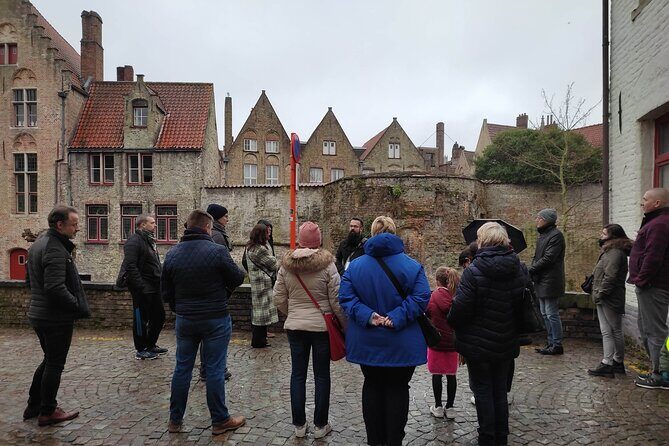
Because it’s a private group with a live guide, you also get a level of flexibility that’s hard to replicate on a big bus tour. If you want the battlefield explained in plain language, you can ask. If you want the chronology tied to the weather, you can ask that too. I like tours where questions aren’t treated like an interruption.
One small practical point: the pickup instruction says to wait in your accommodation lobby about 10 minutes before the pick-up time. Set that expectation and you’ll avoid the usual “Where’s the driver?” stress.
You can also read our reviews of more tours and experiences in Waterloo Belgium.
Ligny: Napoleon’s Last Victory and the Cost in Human Terms
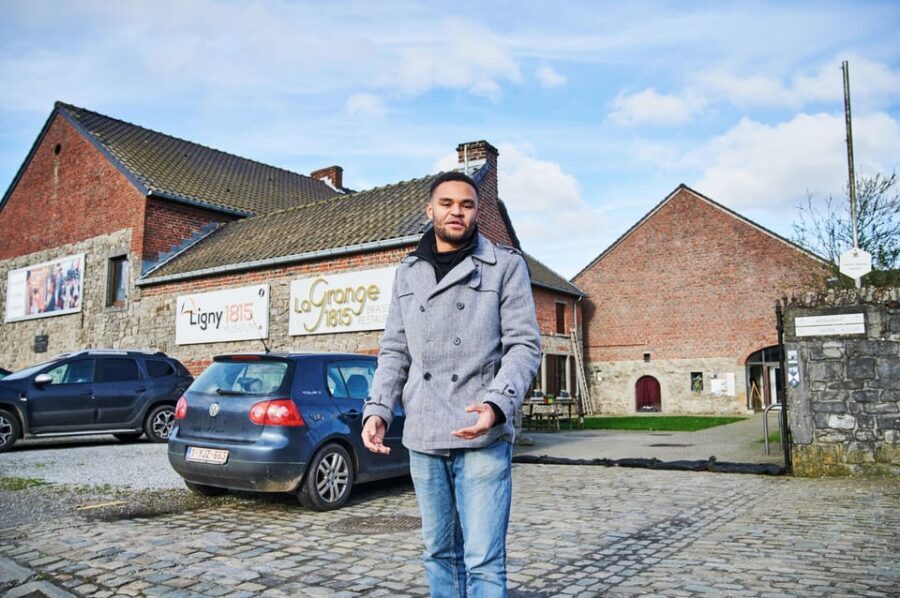
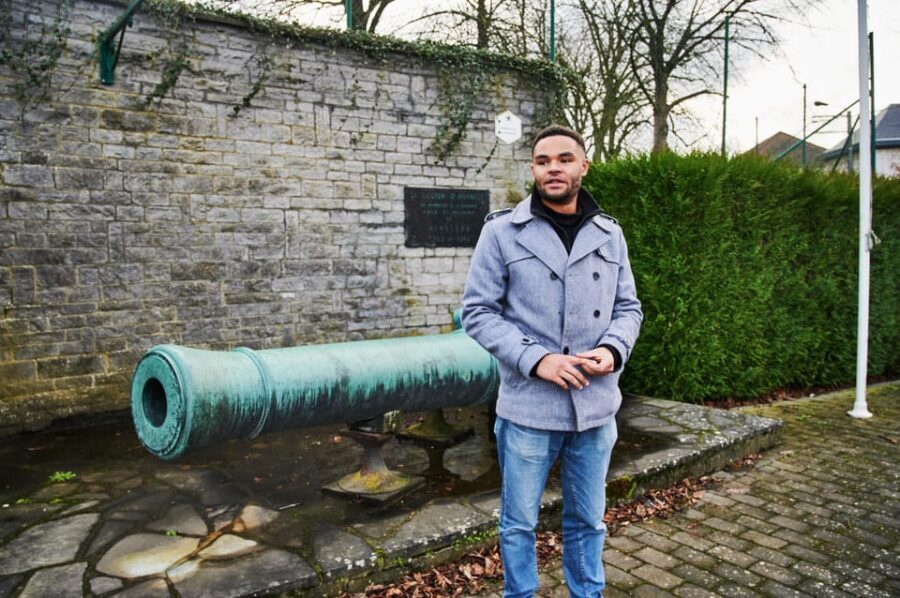
Ligny is where Napoleon fought his last victory against the Prussian army. The guide-led visit is short on paper (45 minutes), but it’s the kind of place where a focused talk can change how you see everything.
What you’re really doing here is learning to read the battlefield like a map. Ligny is part of a chain reaction: what Napoleon wins (or doesn’t) affects what happens later at Quatre-Bras and then at Waterloo. A good guide makes you feel that link instead of treating each stop as a separate postcard.
In particular, I like when the guide brings in specifics rather than just names and dates. One vivid way this tour’s interpretation can land is through how you think about losses and scale. For example, at Ligny alone, the magnitude of Prussian losses—around 20,000 in one referenced account—helps you understand why these weren’t polite battles you can tidy into a timeline.
Even if you already know the chronology, Ligny often surprises you. Small places can be emotionally huge, and that contrast is exactly why a battlefield day is better with a guide than with a guidebook.
Practical tip: wear comfortable shoes you can walk in for uneven ground. This is ground you’ll want to stand on, not just look at from a distance.
Quatre-Bras: The Crossroads Where British and French Clashed
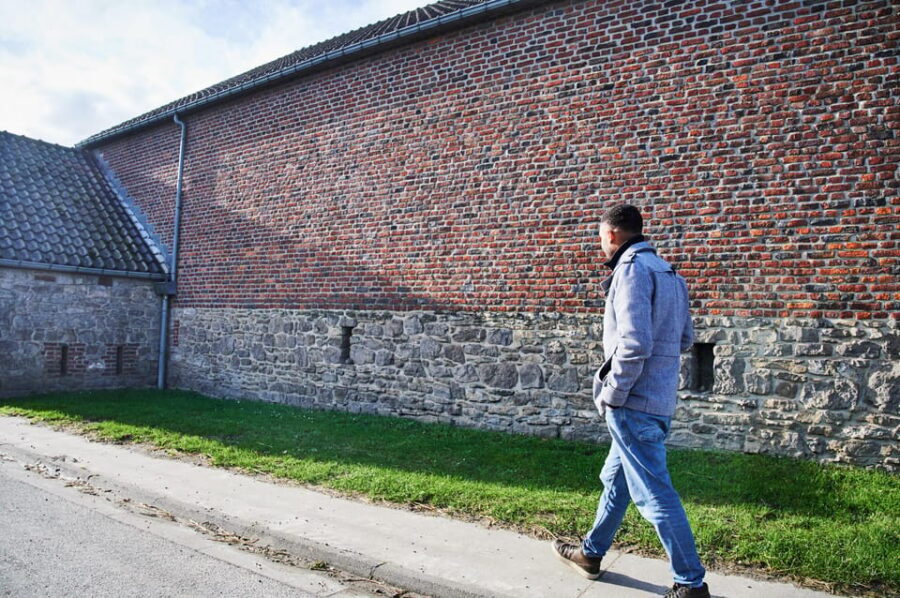
Quatre-Bras is a shorter stop (about 30 minutes), but it’s strategically important because it’s where French and British forces clashed. Think of it as the hinge point in the campaign: when armies collide at the wrong time—or hold when they should move—the rest of the war can tilt.
This is one of those sites where the landscape doesn’t need to look dramatic to matter. A strong guide will show you how the area’s geography and movement routes connect to decisions made under pressure. If your guide speeds through this stop, it can feel like “yet another battlefield.” If they slow down and explain why Quatre-Bras wasn’t optional, it feels like the war’s wiring.
The best version of this stop teaches you to ask better questions of the ground. Not just what happened there, but what commanders feared, what they hoped, and how far their reach could realistically extend.
A consideration: with only 30 minutes, you’ll likely get more “why it mattered” than “every detail.” If you love deep battlefield minutiae, I’d be ready to ask pointed questions at the end of the visit.
Waterloo Battlefield: From Hougoumont to the Main Lines
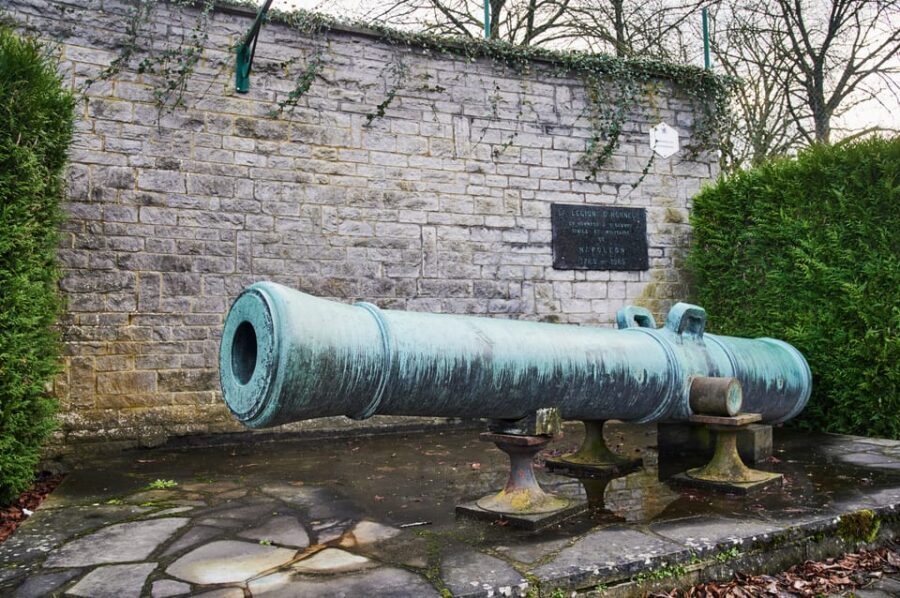
Waterloo is where the day earns its name. You get about 2 hours plus guided time at the main battlefield, and that’s long enough to do more than take photos.
What I like most here is the chance to connect the story to the physical setting. Weather and timing aren’t just footnotes. One helpful detail tied to Waterloo is that an eruption two months earlier led to torrential rain, shaping conditions on 18 June 1815. Add that to the ground you’re standing on, and suddenly the battle reads less like an abstract “Napoleon lost,” and more like a fight shaped by reality.
There’s also room for the kinds of details history buffs love. In one commonly mentioned part of the Waterloo experience, you may have time for a free video focused on Hougoumont, which helps explain why that area mattered so much. If you’ve ever wondered why Hougoumont gets attention even when you’re focused on the main lines, this is the kind of stop that can make that obsession make sense.
And yes, if you’re already familiar with Waterloo’s broad chronology, you still get value. Seeing the topography and letting the guide place events into that real-world context can correct your mental model quickly. Waterloo is one of those battles where your brain wants to flatten the action into a neat sequence. The ground won’t let you do that.
Practical note: Waterloo can demand more walking and more standing than you expect. Bring shoes you trust.
Lion’s Hill and the Waterloo Memorial: Dutch Pride and a Wounded Prince
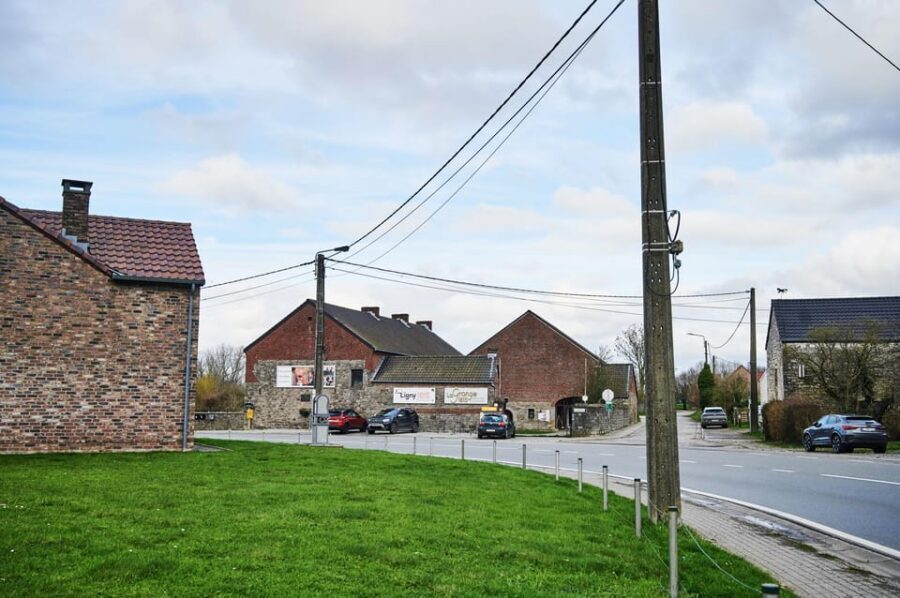
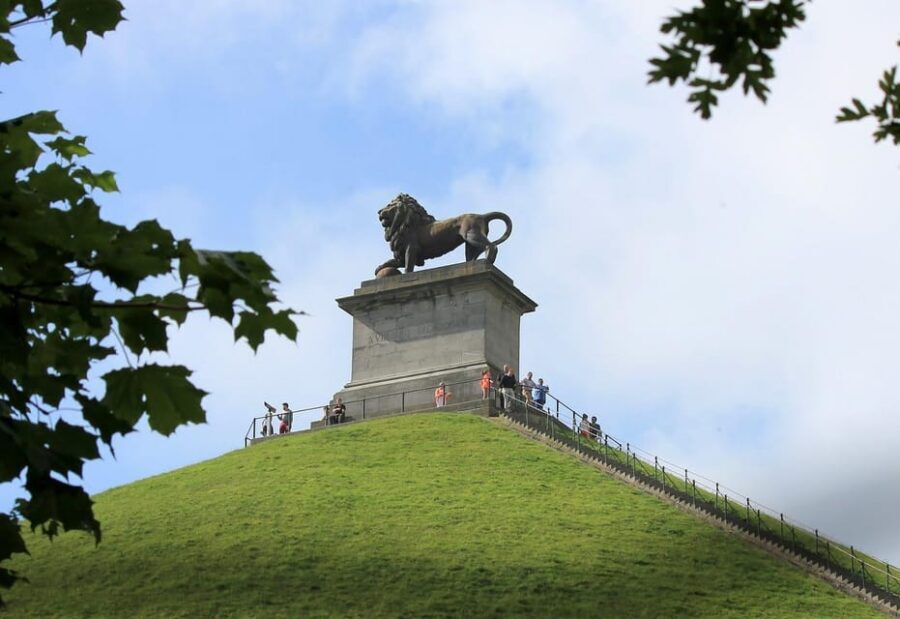
After Waterloo’s main battlefield, the tour ends at Lion’s Hill, the site built by the Dutch to celebrate the victory. This ending matters because it shifts your perspective from the battle itself to what came after—how a nation chooses to remember.
The key detail here is that you don’t just see a viewpoint. You learn about the Dutch prince wounded in connection with events tied to this spot. That personal thread turns a memorial location into a story with stakes, not just a scenic stop.
I like memorial sites because they help you understand the long tail of history. Battles end. Interpretations don’t. Lion’s Hill is one of the places where you see that the victory and the meaning of the victory were already being constructed right away—by the Dutch—through built remembrance.
If you tend to focus only on what Napoleon did, Lion’s Hill gives you a nudge to consider the other side’s perspective and priorities. It’s an excellent counterweight for a day that could otherwise feel like a single-character drama.
Lunch Stop, Drinks, and the Little Time Traps
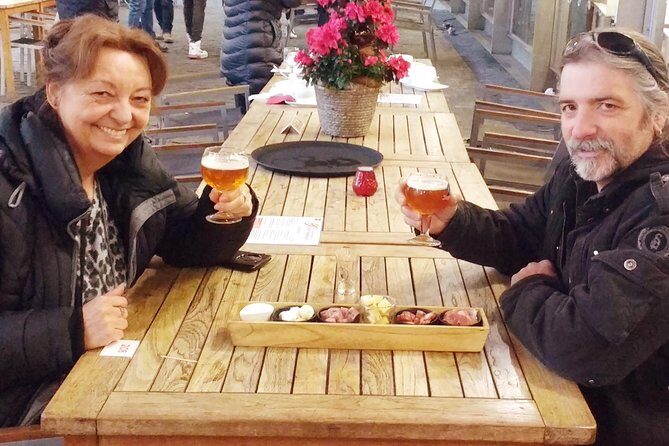
You get a 1-hour lunch stop at a local restaurant, and the key thing to know is that food isn’t included. Drinks are included as part of the tour package, so you’ll have something to keep you comfortable while you wait for your meal.
This lunch break is helpful because it prevents a “battlefields only” day that leaves you fried by the afternoon. Still, I’d treat it as a flexible window, not a guaranteed smooth landing. One concern worth planning for: if the first restaurant option is full, you may need to switch to an alternative, and that can eat into your lunch time.
This is one reason I like private tours that include transportation. Even when plans shift slightly, you’re not stuck figuring it out yourself. But it’s also why you should manage expectations: a strict hour isn’t always the full hour you imagine if the restaurant scene is busy.
Also, if you have a bladder capacity problem, don’t wait until you’re desperate. Build in the chance for a restroom break during the day, especially because you’ll be moving between stops.
Price and Value at $764 per Person: When It Makes Sense
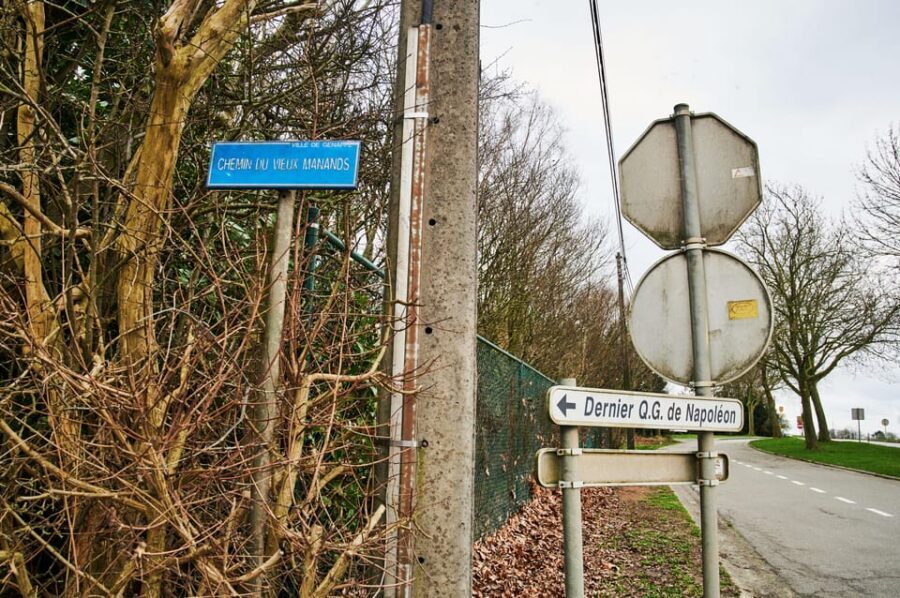
At $764 per person for a 6-hour private battlefield tour, you’re paying for more than “someone drove me around.” You’re paying for a few specific value drivers that add up:
First, it’s private transportation with hotel pickup and drop-off. That alone is a big time-saver if you’re not renting a car.
Second, you’re getting a private guide with live commentary in French and English. For battlefield trips, the guide is the product. Without strong interpretation, the sites can blur together quickly.
Third, you get extras that reduce hassle: drinks, fees, and a souvenir included.
So does it feel worth it? It often does if you’re the kind of person who wants to connect the dots: how Ligny leads to Quatre-Bras, how Quatre-Bras relates to Waterloo, and how the aftermath shows up in Lion’s Hill. If you want a quick stamp-collecting day, you might feel the price more sharply.
The biggest value risk is straightforward. If the guide’s delivery is thin—more names than explanations, less tying of geography to decisions—you’ll feel like you paid premium money for a highlights drive.
The counterpoint is also clear: when the guide is strong—people have praised guides like Jeremie and Eric for making the geography and campaign story click—the tour feels like you’re paying for insight, not just access.
Who This Private Tour Works Best For
This is a good fit if you:
- Want a private group format where you can ask questions without feeling rushed
- Prefer a guided battlefield day where someone makes the terrain make sense
- Are visiting Brussels and want a focused day trip without car rental headaches
- Speak French or English and want the guide to run in your language
It may be less satisfying if you:
- Plan to browse battlefields like museums at your own speed
- Don’t care about chronology and prefer broad visuals only
- Need a very flexible lunch plan and can’t tolerate small schedule shifts
If you’re a history fan who likes atmosphere and context, this is one of those tours that can actually change your understanding of a famous battle.
Should You Book This Tour From Brussels?
If your goal is to get a guided, coherent story of Napoleon’s last Belgian campaign—with time at Ligny, Quatre-Bras, Waterloo, and then a meaningful ending at Lion’s Hill—I think this booking can be a smart choice. The private setup, the bilingual guide, and the way the day is structured around key sites all point to real value when the guide brings the battlefield to life.
My advice is simple: treat the guide as the make-or-break part of your day. If you know you’re picky about explanations, you’ll likely be happiest with strong, active interpretation like the kind people specifically praise from Jeremie and Eric. And go into the lunch stop with a little patience, since restaurant availability can shift.
If you want a premium guided day and you’re comfortable paying for it, this is a worthwhile way to see Waterloo beyond the postcard layer.
FAQ
How long is the tour from Brussels?
It lasts 6 hours total.
What places are visited during the tour?
You visit Ligny, Quatre-Bras, and the Waterloo battlefield, and the day ends at Lion’s Hill and the Waterloo Memorial area.
Is hotel pickup included?
Yes. Pickup is included from your hotel in Brussels (and surrounding areas), and you’re asked to wait in your accommodation lobby about 10 minutes before pickup.
What languages are the live guides?
The live tour guide is available in French and English.
Is lunch included in the price?
Lunch is included as a 1-hour stop, but the food itself is not included in the price.
Is this a private tour?
Yes, it’s a private group.
What’s included besides the guiding?
Private transportation, guided visits, drinks, souvenirs, and fees are included.
What should I bring?
Bring comfortable shoes and weather-appropriate clothing.