REVIEW · DINANT
Bioul (near Dinant) : Château de Bioul Tour and Wine Tasting
Book on GetYourGuide →Operated by Château de Bioul · Bookable on GetYourGuide
A château and wine tasting in one calm day. At Château de Bioul, you get a walking tour of a preserved estate plus a proper wine tasting—all tied to family history you can actually see in the rooms and grounds.
I especially liked how the visit connects three threads: the château’s long timeline (going back to the Seigneurie of Bioul era), the working side of the estate with vineyards and winery access, and then the finishing touch with local wines and products.
One thing to consider: this isn’t built for wheelchairs or reduced mobility. The site asks for comfortable walking shoes, and it’s not listed as suitable for wheelchair users.
In This Review
- Key things to know before you go
- First Stop: Château de Bioul’s story starts long before wine
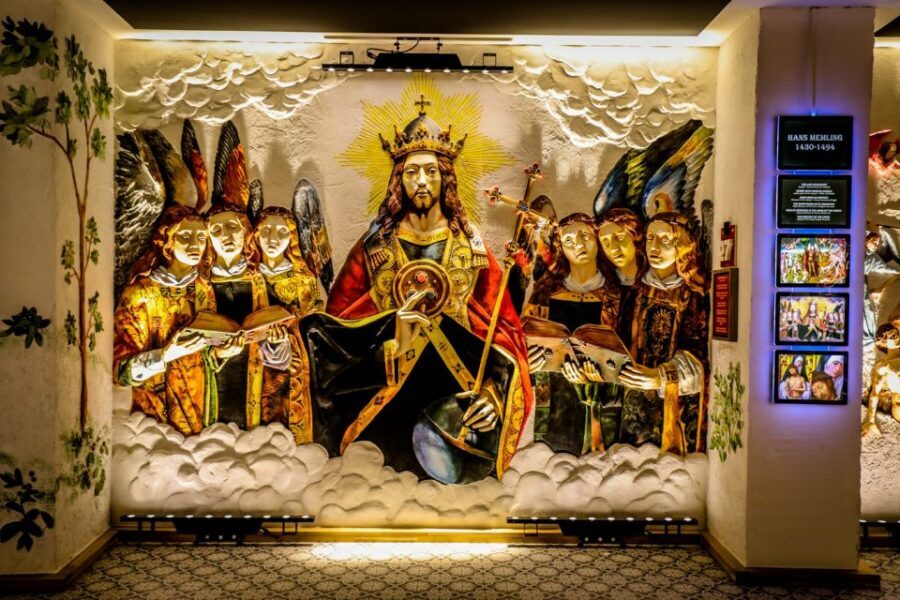
- Inside the château: architecture, statues, and secret corners
- The people behind the place: values you can feel in the visit
- From vineyards to winery: the grape-to-glass part actually matters
- A surprising history bonus: Le Bon Marché and GB-INNO-BM
- The park and outdoor walking: plan for comfortable shoes
- Wine tasting and local products: the finish that ties it together
- Price and value: what $35 buys you in a full-day experience
- What you’ll actually do during your day
- Who this is best for (and who should skip it)
- Should you book Château de Bioul near Dinant?
- FAQ
- How long is the Château de Bioul tour experience?
- What’s included in the price?
- Are meals included?
- What language options do you get on site?
- Can I take photos inside the château?
- What should I bring?
- Is transportation to the château included?
- Is the experience suitable for wheelchair users?
Key things to know before you go
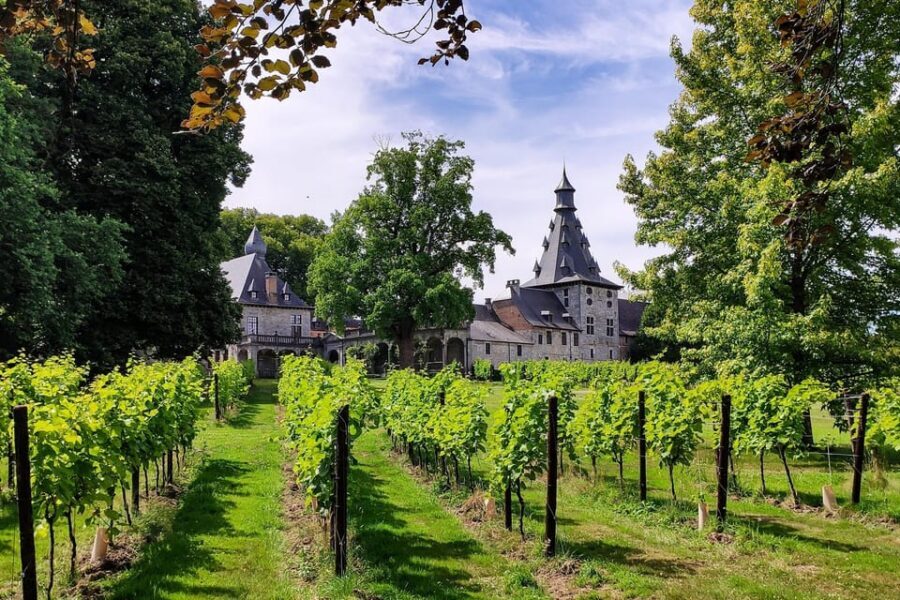
- A château that spans eras with statues, period details, and quiet corners to find as you move through the building
- Discovery tour of vineyards and winery, built around the journey from grape to glass
- Family heritage in the spotlight, preserved by the same family since 1906 and guided by values like love and respect
- A bonus history stop tied to Le Bon Marché and the later GB-INNO-BM group story
- Tasting happens at the heart of the estate, paired with local wines and other estate products
First Stop: Château de Bioul’s story starts long before wine
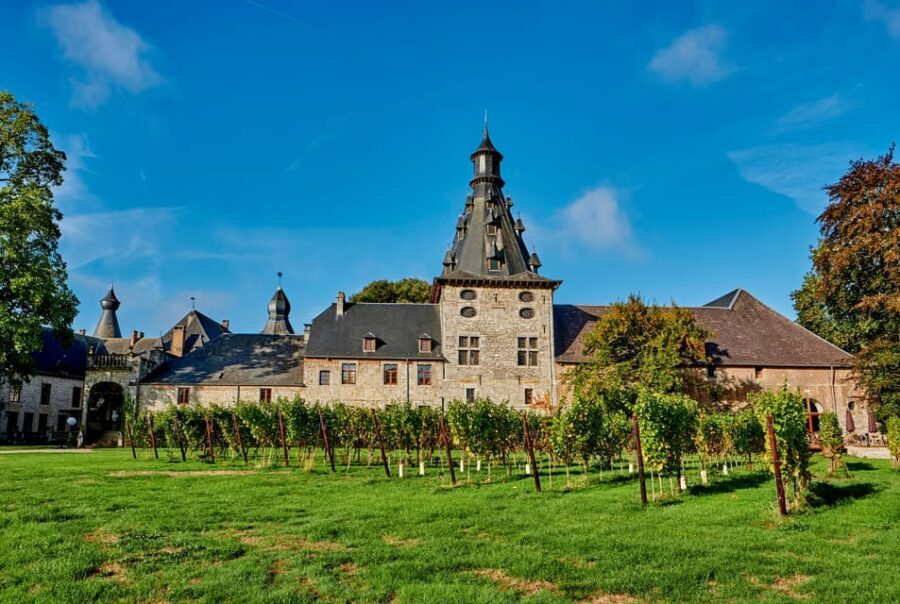
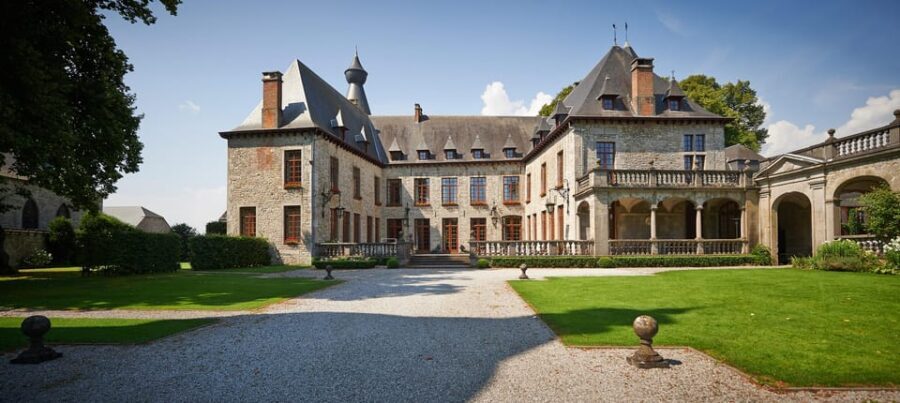
Château de Bioul sits in Wallonia near Dinant, and it feels like one of those places where the building and the land are telling the same story. The estate traces back to the Seigneurie de Bioul, with Gobertd’Orbais (also known as Gobert de Bioul) appearing in writings from 1210 as a prominent knight and lord. That early “name on the map” matters, because it explains why this place was worth protecting for centuries.
You’ll also see why the château isn’t just a backdrop. Since 1906, the Château has been carefully preserved by the same family, and today it’s owned by Andy and Vanessa Wyckmans-Vaxelaire, heirs to thisaga. Their role isn’t presented as marketing fluff—it’s framed as continuing a family project and maintaining a living estate.
Inside the château: architecture, statues, and secret corners
The château itself is the kind of visit where you’ll want to go slowly. It has architecture from different epochs, so you don’t just get one style—different periods show up through the decorative elements and the way rooms feel shaped over time. You’ll also spot statues, period details, and “secret corners” that reward readers and slow walkers.
You should plan to rely on the included audio guide (French and English) to connect what you’re seeing with what it means. This is the sort of heritage site where the interpretation helps you notice details you might otherwise skip—especially when you’re trying to understand how the estate evolved instead of treating it like a museum backdrop.
Photography is allowed, but there’s one rule: no flash inside the château. It’s a small thing, but it also means you won’t be blasting light on period details or inside smaller rooms.
The people behind the place: values you can feel in the visit
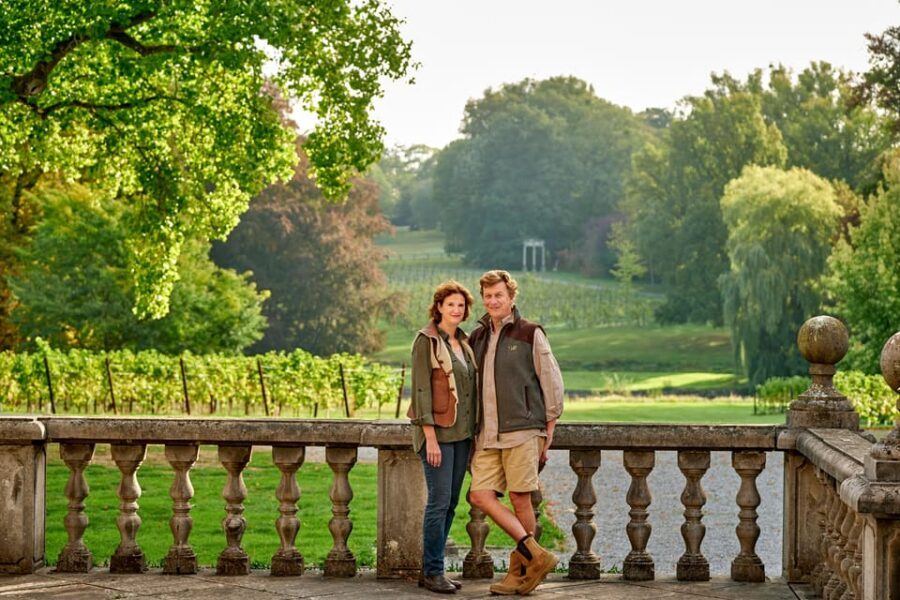
What I like about how this estate is presented is that it ties “history” to everyday principles. You learn about the family values the owners say they guide their work—love, solidarity, and respect—and the motto In Arduis Constans, meaning perseverance in difficulty.
Even if you’re not the type to care about family mottos, this framing changes the tone of the day. It helps you understand why a family would still maintain a major heritage site, instead of turning it into a generic sightseeing stop. You’re being walked through a place where preservation and production happen side by side.
From vineyards to winery: the grape-to-glass part actually matters
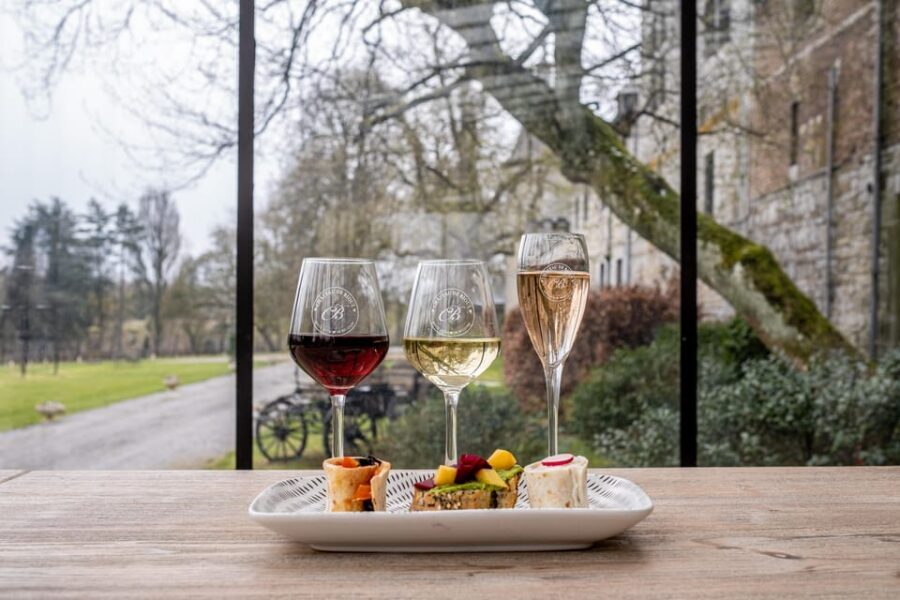
Wine is the other half of the experience, and it doesn’t feel like an add-on. You get access to the vineyards and winery, and the discovery tour is built around how the estate’s vintages travel from grape to glass.
That matters because it gives you a sequence. Instead of tasting first and figuring out what you’re tasting later, you’re seeing the vineyard environment and the production side before the pour. It makes the tasting more meaningful, because you can connect flavor to process and to what the estate grows and produces.
If you’re a practical wine traveler, this is a good format. You’ll leave with enough context to ask smarter questions at tastings elsewhere, even if you don’t become a wine expert.
A surprising history bonus: Le Bon Marché and GB-INNO-BM
There’s also a distinct historical thread included in the visit that goes beyond the château and wine. You’ll learn about the history of Le Bon Marché, which became the GB-INNO-BM group.
This is a nice change of pace, especially for people who like heritage sites but also get bored when everything is only medieval and never modern. The inclusion makes the visit feel more “estate as community and business over time,” not just a static monument.
The park and outdoor walking: plan for comfortable shoes
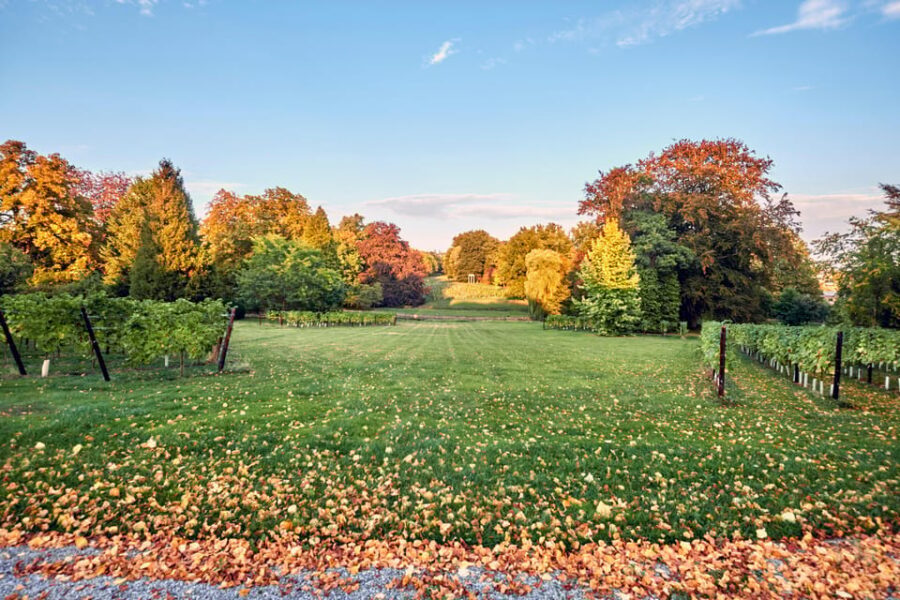
The château sits in a tree-lined park, and you’ll get access to the centenary park as part of the experience. That’s not just pretty scenery; it’s part of how the estate feels like a real working landscape rather than an indoor-only attraction.
The site specifically tells you to bring comfortable walking shoes, and it doesn’t position the visit as a light stroll. Also, the experience is not suitable for people with mobility impairments or wheelchair users, so be honest with yourself about how much walking you can handle.
If weather is questionable, check conditions before you go. Wallonia conditions can change quickly, and you’ll be on your feet outdoors as well as indoors.
Wine tasting and local products: the finish that ties it together
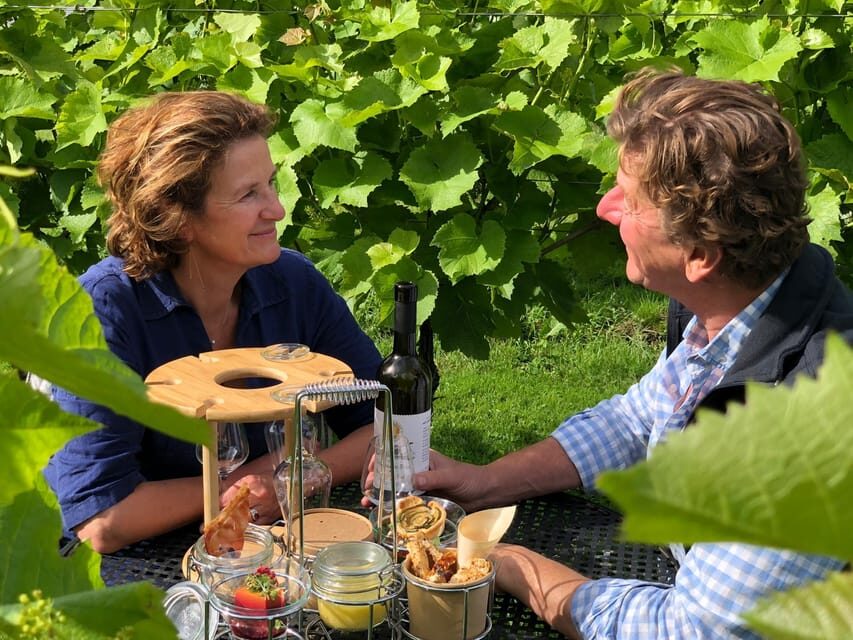
The day ends with a tasting of local wines and products in the heart of the estate. This is where the earlier parts pay off: you’ve seen the estate’s physical setting, you’ve learned the family and production story, and now you can focus on flavors.
I like that it’s not only wine. Local products add variety, and they make it easier to enjoy the tasting even if you don’t have a strong preference for one style of wine. The whole point is to leave with more than photos—you leave with something you can actually bring home, at least emotionally, if not physically.
Price and value: what $35 buys you in a full-day experience
It costs $35 per person for a one-day experience, and what makes it feel like good value is the mix. You’re paying for (1) access to the château experience, (2) the estate discovery tour, (3) entry to vineyards and winery access, and (4) a tasting.
Also, it’s not framed as a tiny, quick stop. You’re given time to move through the estate and connect the story to the production side before you taste. That makes the price feel less like “pay for a ticket” and more like “pay for a guided, structured day.”
What you should know: meals aren’t included. So if you’re building your day near Dinant, plan on eating outside the estate before or after. Bring water if you tend to walk a lot, and wear shoes you’d happily use for a normal day of sightseeing.
What you’ll actually do during your day
Plan for a straightforward flow: you’ll start by exploring the château and its connected spaces, using the French/English audio guide to follow what you’re seeing. Then you move into the outdoor estate areas and the vineyards/winery access as part of the discovery tour.
Finally, you finish with the tasting of local wines and products. The pacing is the benefit here—you don’t just show up for wine. You see the setting, learn the estate’s story, and then taste in context.
Because photography is allowed (no flash inside), you can capture both the château details and the outdoor views without feeling like you’re constantly being told to stop. Just respect the indoor lighting rule.
Who this is best for (and who should skip it)
This is a strong match for you if you like heritage sites that don’t stay in the past. It’s also ideal if you want wine tasting with real context—vineyards, winery access, and an explanation of how the estate’s vintages go from grape to glass.
If you’re traveling with someone who likes wine but doesn’t want a pure wine-only tour, this balanced mix is a win. And if you’re the type who enjoys architecture and rooms with stories, the “secret corners” and multi-era château details will keep your attention.
If you have mobility challenges, you should think carefully. The experience is not suitable for wheelchair users or people with mobility impairments, and the estate expects walking.
Should you book Château de Bioul near Dinant?
Yes, you should book if you want a practical, story-led day where wine tasting feels connected to place. The strongest reasons to go are the château experience paired with vineyard and winery access, plus the finish with local wines and products.
Skip it if you need a low-walking or fully accessible experience, or if you only want a short tasting with no heritage component. And because meals aren’t included, make sure you’ve planned where you’ll eat before or after so you don’t end the day hungry.
If you want an authentic Belgian estate visit that mixes heritage, production, and tasting without feeling staged, Château de Bioul is a solid choice.
FAQ
How long is the Château de Bioul tour experience?
It’s listed as valid for 1 day.
What’s included in the price?
You get a discovery tour of the estate, wine tasting, access to the vineyards and winery, and access to the centenary park.
Are meals included?
No, meals are not included.
What language options do you get on site?
French and English are available. An audio guide is included in both languages, and the host or greeter is also French and English.
Can I take photos inside the château?
Photography is allowed, but flash is not permitted inside the château.
What should I bring?
Bring comfortable shoes and a camera.
Is transportation to the château included?
No, transportation to and from the château is not included.
Is the experience suitable for wheelchair users?
No, it’s not suitable for wheelchair users or people with mobility impairments.