REVIEW · WALLONIA
Discovery pack
Book on Viator →Operated by Airspace Indoor Skydiving · Bookable on Viator
Indoor skydiving without the jump sounds wild. Here, Belgium’s first windtunnel lets you feel that skydiving rush in a controlled way, and you get two flights worth the sensation of two 4,000-meter jumps. I like that it’s built for first-timers with a full safety briefing and on-the-spot coaching, and I also like that the windtunnel setup is high (17 meters), so the experience feels serious, not gimmicky. One drawback to plan around: it’s not the same as real outdoor free-fall, and some people find the early positioning can feel more controlled than thrilling.
You’ll meet at AIRSPACE Indoor Skydiving in Charleroi, get your helmet and kit, then go through technique basics before you fly. The experience is also described as private for your group, which matters here because skydiving is one of those activities that feels rushed when you’re stuck in a crowd. Consider this if you’re sensitive about waiting or timing: one review noted a registration delay that made the start feel long.
It’s available in English, French, Italian, and Dutch, and the “discovery pack” format is clear: briefing, equipment, two flights, then an instructor demonstration plus a flight diploma handout. If you have shoulder trouble, or you’re over the 120kg limit, this may not be a good fit, so it’s worth double-checking your situation before you book.
In This Review
- Key highlights to know before you go
- Indoor Wind Tunnel in Charleroi: What Makes the 17-Meter Setup Special
- Your 90-Minute Discovery Pack: Two Flights, One Controlled Adrenaline Fix
- Meeting, Gear Up, and Briefing: How They Set You Up Fast
- Inside the Tunnel: What You’ll Actually Feel During Each Flight
- Price and Value at About $70.12: Is It Worth It?
- Languages, Your Instructor, and How to Get the Best Session
- Who Should Skip It or Ask Questions First
- Should You Book This Discovery Pack in Wallonia?
- FAQ
- How long is the Discovery pack experience?
- Where is the meeting point for AIRSPACE Indoor Skydiving?
- What does the Discovery pack include?
- Is the Discovery pack for beginners?
- How many flights do I get?
- What languages are available?
- Is it private?
Key highlights to know before you go
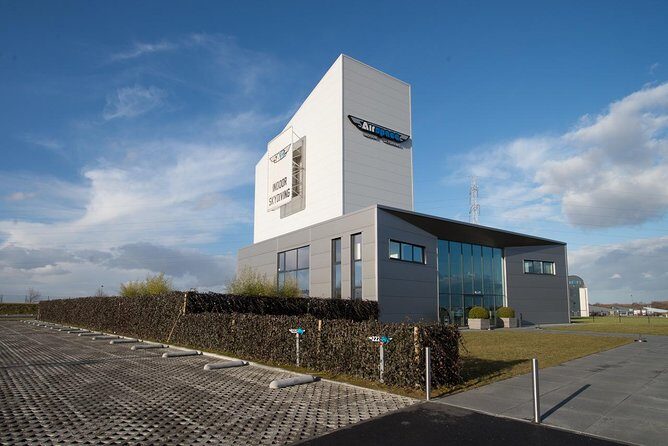
- 17 meters high windtunnel: Belgium’s first, and the highest setup in Europe at this height.
- Two flights for beginners: aimed at first-timers, with technique and safety instruction included.
- Full gear provided: including a helmet, so you’re not shopping or worrying about equipment.
- Private group experience: you’re not sharing the whole flow with a random crowd.
- Multi-language coaching: English, French, Italian, and Dutch.
- Clear wrap-up: instructor demonstration and a flight diploma handout after your flights.
Indoor Wind Tunnel in Charleroi: What Makes the 17-Meter Setup Special
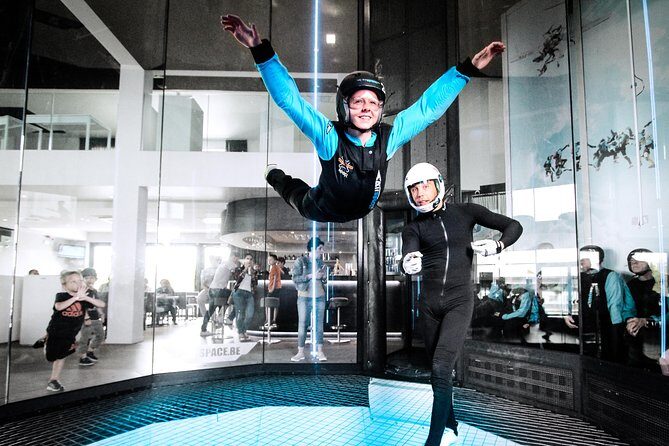
This indoor skydiving experience is based at AIRSPACE Indoor Skydiving in Charleroi, in Wallonia. The headline is the building: it’s Belgium’s first windtunnel and, at 17 meters, it’s described as the highest in Europe. That height matters more than you might think. Taller wind tunnels tend to give instructors more room to teach body position and control, and you generally get a more “real” feel to the flight time you’re in.
The other thing I appreciate is the “beginner-first” approach. Indoor skydiving can sound intimidating. Here, the framing is practical: you’re not expected to already know how to control your body in the airflow. Instead, you get a safety briefing and a flying-technique rundown, which makes the whole activity less about guessing and more about following cues.
And yes, it’s in Belgium—so this is a good option if you want the thrill but don’t want to deal with the full outdoor skydiving chain: weather windows, jump readiness, and the nerves of being strapped to an aircraft plan. Indoors, the plan is tighter and the start-to-finish flow is built around your session.
You can also read our reviews of more tours and experiences in Wallonia.

Your 90-Minute Discovery Pack: Two Flights, One Controlled Adrenaline Fix
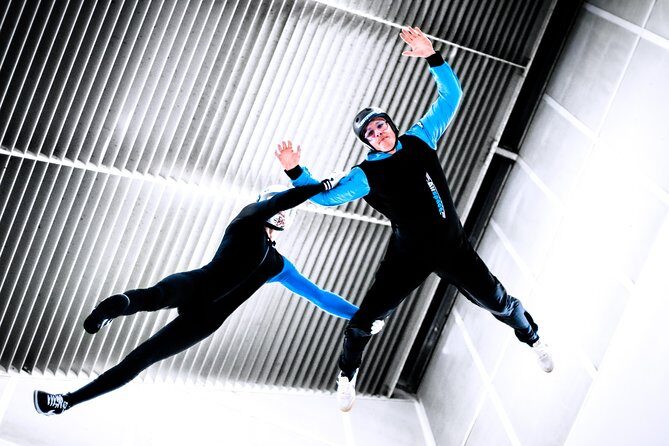
The discovery pack is sold as a 1.5-hour experience (about) and is valid for one person. The main promise is big: you’ll do two windtunnel flights, and they’re described as equivalent to doing two skydives from 4,000 meters. That’s marketing language, but the practical takeaway is simple—you’re not just getting one short taste. You’re getting two chances to learn, adjust, and enjoy.
That second flight is a big deal for first-timers. Most people don’t nail body position on the first try. After your briefing and the first flight, your brain usually clicks: where to focus, how to keep stable, how to react to instructor guidance. Then you get another go while everything is fresh.
Also, the pack is structured so you’re not waiting around between steps forever. You should expect the session to include a briefing, equipment hire, and then the flights. Afterward, there’s an instructor demonstration and you receive a handout flight diploma. That’s a nice touch because it turns the activity into something you can remember beyond just the “wind felt cool” part.
Meeting, Gear Up, and Briefing: How They Set You Up Fast
You’ll start at AIRSPACE Indoor Skydiving, Rue Charles Lindbergh 26, 6041 Charleroi, Belgium. The site is listed as near public transportation, which is useful because Charleroi isn’t the kind of place you want to fight for parking when you’re about to put on a helmet and start moving fast.
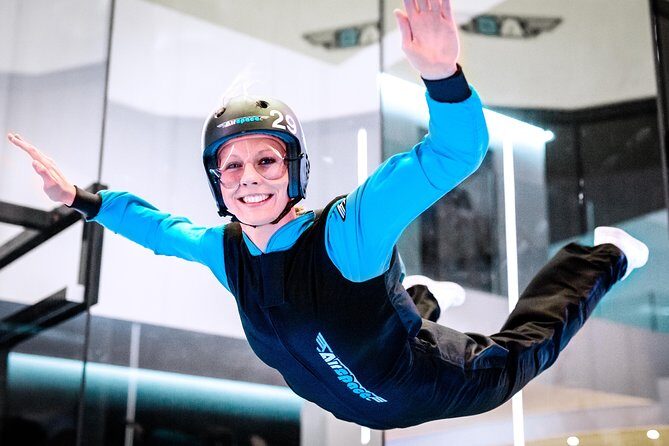
Before you fly, plan for three things: kit hire, safety briefing, and technique instruction. They provide all necessary equipment, including a helmet. That’s practical and good value—one less thing for you to bring, and you don’t have to worry about whether your gear is right.
Then comes the part that makes indoor skydiving work: instructors teach you flying basics and safety rules. In reviews, people specifically praised clear bilingual briefings in French and English with good preparation. While instructors can vary by session, the key is that you should expect to leave the briefing knowing what your body needs to do, not just what the equipment is.
One more timing note, drawn from real feedback: show up on time. If you’re late, the staff may not be able to swap you forward. One reviewer described how they were offered a schedule change due to being late, and they were unhappy because they wanted to go ahead of other groups. So treat your arrival time like part of the experience.
Inside the Tunnel: What You’ll Actually Feel During Each Flight
The windtunnel experience is all about airflow control and body position. When you step into that vertical column of wind, you’re going to feel pressure and stability work at the same time. Reviews commonly highlight how much people like the way the wind feels—like a physical push you can learn to manage.
But here’s the balanced part: it’s controlled. One disappointed review complained that the initial flight didn’t feel like a big sensation and that the instructor holds you on your stomach at all times, with takeoff described as only about 1m50 from the ground. That doesn’t mean you shouldn’t go. It means you should calibrate expectations. This is indoor coaching, not an outdoor jump where you’re free to fall immediately.
In my view, that controlled setup is actually the reason beginners can handle it. If the instructor is managing your stability and you’re learning body cues, you’re less likely to panic. Still, if what you want is maximum “wow” from the first second, you should know that learning comes first—and the “wow” tends to grow as you improve between flight one and flight two.
Also, keep in mind your comfort in the starting position. One review mentioned fear of back discomfort tied to L4-L5 compression issues and found the policy inflexible when they tried to adjust. You don’t want to gamble with pain. If you have a vulnerable back, shoulder, or mobility limitation, bring it up before the day, so you’re not caught by a rigid setup once you’re in the venue.
Price and Value at About $70.12: Is It Worth It?
The discovery pack is listed at $70.12 per person. That’s not “budget activity” money, so value comes down to how you measure an indoor thrill.
For value, I’d focus on three things you actually get:
1) Two flights rather than one short attempt
2) Safety briefing + instruction that helps beginners succeed
3) Provided equipment so you’re not buying anything extra
For some people, the price will still feel steep because the experience is short (about 1.5 hours) and not everything is frictionless. One review called it extremely expensive and mentioned a wait of around 15 minutes for registration, plus staff at the front not noticing them right away. If you’re the type who hates delays, that’s a real factor.
On the other hand, multiple reviews praised the facility and the vibe: it’s described as well kept and the staff can be friendly. One person also gave thanks to an instructor named Julian De Bruycker for making the experience unforgettable, which hints that coaching quality matters. Another review for a different pack praised a clear bilingual briefing and a great instructor named Cédric—again, the staff tone seems to make a difference.
So here’s the practical way to decide: if you’ve been curious about skydiving and you want a guided, beginner-friendly taste with two attempts, the price starts to make sense. If you’re expecting something closer to the intensity of outdoor jumping, you may feel you paid for “wind learning” more than “free-fall fireworks.”
Languages, Your Instructor, and How to Get the Best Session
Good coaching is the secret sauce in indoor skydiving. You’ll be able to choose from English, French, Italian, and Dutch, which helps because technique cues land better in your first language. When you’re standing in airflow and someone is adjusting your body position, understanding the instructions quickly matters.
In reviews, instructors got named: Julian De Bruycker showed up in one “unforgettable” note, and Cédric was praised in another booking for being top-notch. You can’t count on a specific instructor on your date, but those names are a clue that staff performance is noticed—and that you’re likely to get real coaching, not just a quick “good luck” and a flyer.
To get the best session, come in with one mindset: follow instructions fast, then try to repeat what worked on flight two. Don’t obsess about looking perfect. Focus on what they tell you to do—because indoor skydiving rewards attention, not strength.
If you’re traveling with kids or a family group, this style also tends to be easier to explain. The “flight diploma” and the fact it’s built for first-timers can make it feel like an achievement, not a dare.
Who Should Skip It or Ask Questions First
Indoor skydiving is fun, but it’s still a physical activity with equipment and specific body positions. The basic guidance is:
- Not recommended for travelers with shoulder problems
- Not recommended for travelers over 120kg
That’s your first screening step.
After that, use the reviews as a warning about specific discomfort. One person with L4-L5 compression concerns said they feared they’d hurt their back with the start position and weren’t able to make adjustments they wanted. This is not a general statement that everyone will have the same issue—but it is a reminder to ask directly.
If you have any back, shoulder, or mobility concerns, don’t wait until you’re in the tunnel. Ask beforehand what positions are used and whether modifications are possible. Better to ask and be safe than to turn discomfort into your souvenir.
Also, treat the time window seriously. One review described frustration with not being moved forward over other groups after being late. So if you’re driving or arriving by public transport, give yourself a cushion so you’re not rushing through check-in while others are boarding.
Should You Book This Discovery Pack in Wallonia?
Book it if you want the skydiving feeling with coaching and structure. This discovery pack is especially strong for first-timers: full demonstration and safety briefing are part of the deal, gear is provided, and you get two flights to learn on the fly. The 17-meter windtunnel setup also makes it feel like the real thing, even if it’s still indoor and controlled.
Skip or ask questions first if you have shoulder problems, if you’re above 120kg, or if your back is sensitive. Also consider price carefully. If you’re expecting the same intensity as outdoor free-fall from the first second, you might find the experience more “learn and stabilize” than “wild drop.”
If you match the profile—healthy enough for the positions, curious about skydiving, and ready to follow instructor cues—this is a great use of a half-day in Wallonia. It’s a memorable, beginner-friendly way to check skydiving off your list without gambling on weather or aircraft logistics.
FAQ
How long is the Discovery pack experience?
The experience lasts about 1 hour 30 minutes.
Where is the meeting point for AIRSPACE Indoor Skydiving?
The meeting point and ticket redemption point are at AIRSPACE Indoor Skydiving, Rue Charles Lindbergh 26, 6041 Charleroi, Belgium.
What does the Discovery pack include?
It includes a briefing on flying techniques and safety, kit hire (including helmet), two indoor windtunnel flights, and an instructor demonstration afterward with a flight diploma handout.
Is the Discovery pack for beginners?
Yes. It’s described as great for beginners, with a full demonstration and safety briefing included.
How many flights do I get?
The basic first time flyer flight pack includes two flights.
What languages are available?
The experience is available in English, French, Italian, and Dutch.
Is it private?
Yes. Only your group will participate.