REVIEW · BRUGES
THE Storytelling Tour of Bruges | First Day Must | History & Tips
Book on Viator →Operated by Ambassadors Tours & Activities · Bookable on Viator
Bruges clicks into place with a good story. This 2–3 hour walking tour strings together the city’s biggest medieval landmarks into a tight first-day route, with an English-speaking storyteller guiding you from square to square and viewpoint to viewpoint. I like that it’s designed for getting oriented fast—without feeling like homework.
I also like the practical add-ons: you get tips & recommendations for Bruges plus discounts at local businesses, which helps on your next meal, museum visit, or shop stop. One consideration: the tour needs good weather, and much of it is short, street-level history (not long time inside buildings), so build your day accordingly.
In This Review
- Key Things to Know Before You Walk Bruges
- The Best First Impression: A Story-Driven Bruges Walk (2–3 Hours)
- Where You Meet and How the Guide Finds You
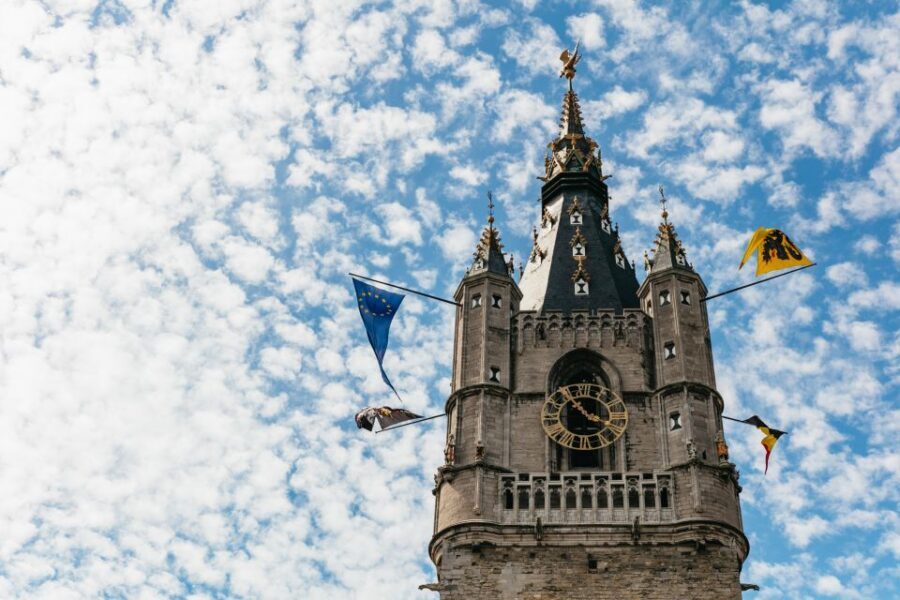
- Stop 1: Belfort and Why It Mattered in the Middle Ages
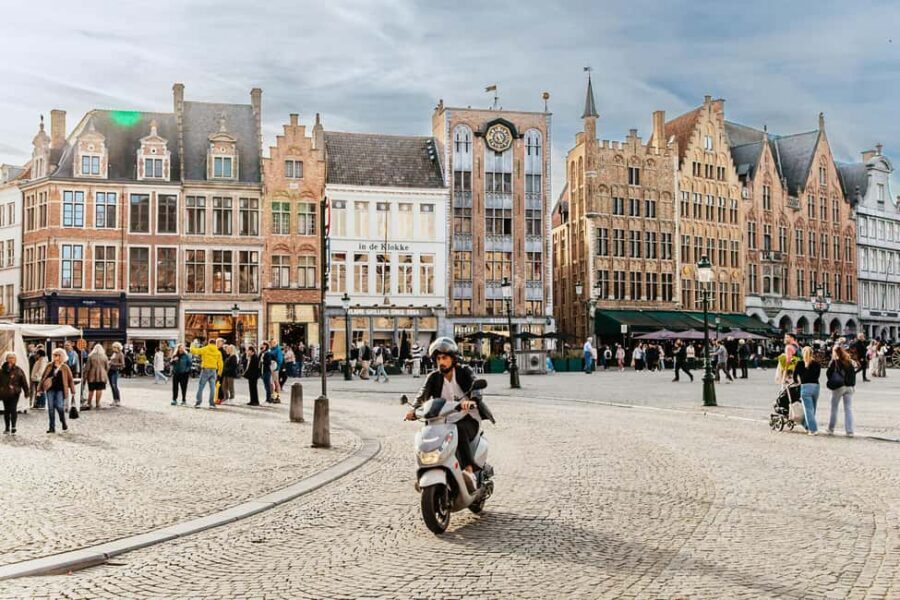
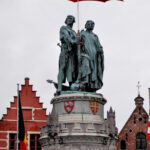
- Stop 2: Markt, the Medieval Trading Heart
- A Quick Beer Experience Mention: Spotting the Right Things to Visit Later
- Stop 3: Rozenhoedkaai (Quai du Rosaire) and the Postcard View Explained
- Stop 4: Boniface Bridge (Bonifaciusbrug) and Its Quiet Romance
- Stop 5: Site Oud Sint-Jan, One of the Oldest Hospitals
- Stop 6: Burg Square, the Political Center Over the Centuries
- The Praline Stop: A Sweet Local Break with Olivier
- Stop 7: Huidenvettersplein, From Worst Square to Lovely Place
- Pacing, Footwear, and Weather: Make It Easy on Yourself
- Tour Guides and the Storytelling Style You’ll Notice
- Price and Value: Why $3.62 Can Still Be Worth Your Time
- Who This Tour Fits Best (and Who Might Add More Time)
- Should You Book This Bruges Storytelling Tour?
- FAQ
- How long is the Bruges storytelling tour?
- Where do we meet for the tour?
- Is the tour in English?
- What stops are included during the walk?
- Are there admission fees for the stops?
- Is gratuities expected?
- How big are the groups?
- Does the tour run in bad weather?
- Are service animals allowed?
- Is it difficult to walk on cobblestones?
Key Things to Know Before You Walk Bruges
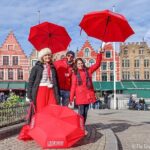
- Start at Markt, look for the yellow umbrella in front of the Belfry Tower a few minutes early
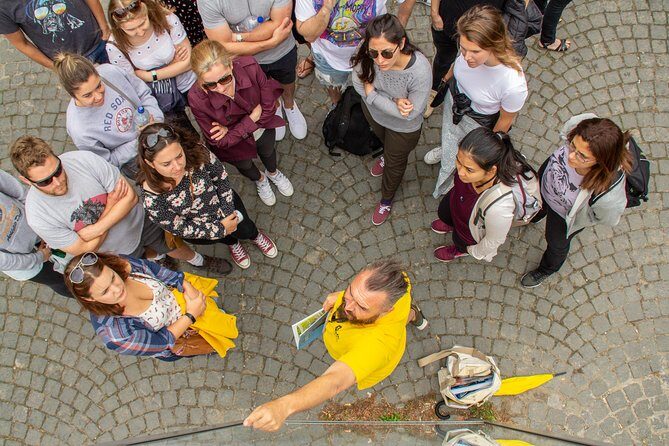
- Small groups of up to 6 keep the storytelling clear and personal
- Ticket-free stops dominate (many listed stops have free admission)
- The famous postcard view is explained at Quai du Rosaire/Rozenhoedkaai
- One-stop local flavors include a praline stop with Olivier
- Cobblestones and a small bridge with steps mean you’ll want sure-footed shoes
The Best First Impression: A Story-Driven Bruges Walk (2–3 Hours)
This is the kind of tour you do early because it gives you mental landmarks. After a couple of hours, Bruges stops being a blur of canals and becomes a map you can navigate on your own. With an English speaking local storyteller, you’re not just seeing sites—you’re getting the thread that connects them.
Timing matters here. Expect roughly 2 to 3 hours, with many stops lasting about 5 to 15 minutes. That makes it ideal if you’re in Bruges for a short visit and want the big hits—Belfort, Markt, the medieval viewpoints, and the political center—without losing the whole day.
You can also read our reviews of more historical tours in Bruges
Where You Meet and How the Guide Finds You
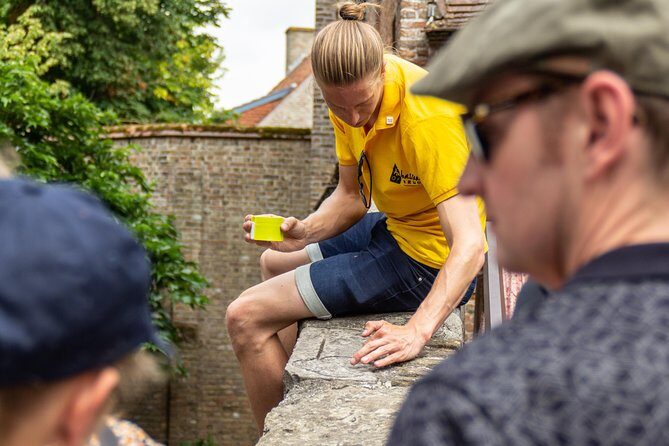
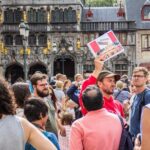
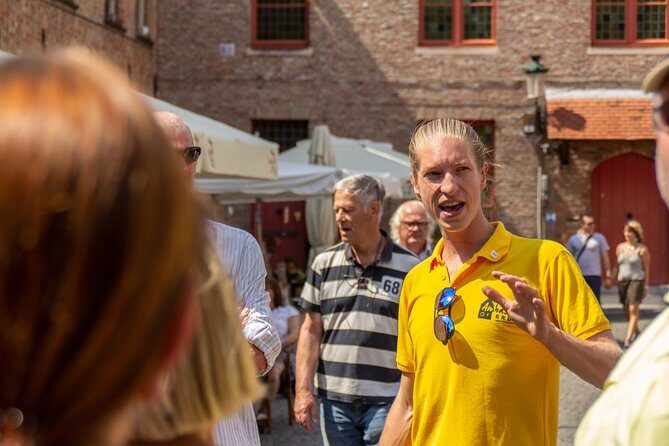
You start at Markt 8000, Brugge, at the main square area by the Belfry Tower. The clearest way to spot your guide is simple: yellow umbrella. Plan to arrive a few minutes early so you can start right on time.
This also helps with one common travel problem: Bruges is compact, but it’s easy to blend into crowds on the Markt. Getting there early turns that into a non-issue. Once you’re with the group, the pace stays comfortable for a first walk—short hops between landmarks, then story.
Stop 1: Belfort and Why It Mattered in the Middle Ages
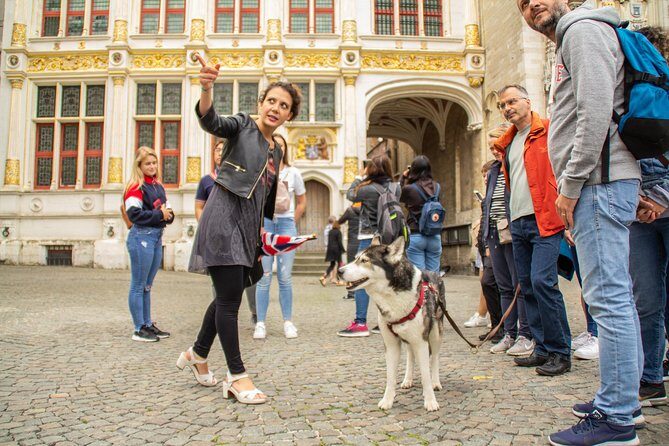
The Belfort is the icon in the skyline, and the tour uses it as a power starter. In medieval Bruges, the Belfry wasn’t just a pretty tower; it represented civic influence and the city’s ability to flex its muscle. Even if you don’t go deep into interiors, the way it’s framed sets up what comes next.
Practical note: the stop is short (around 10 minutes). If you love climbing and long museum time, you’ll want to plan that separately later. For orientation and context, this opener does the job.
Stop 2: Markt, the Medieval Trading Heart
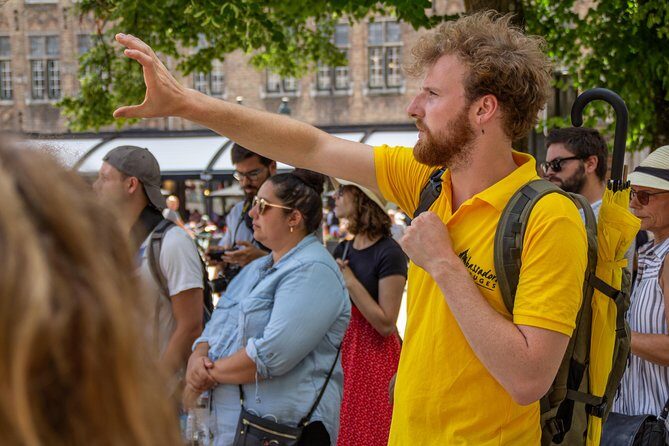
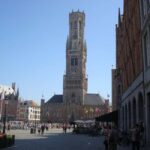
Right after the Belfort, you move to The Markt—the trading center where commercial life helped shape the city. The value of this stop is how it connects architecture to everyday money-making. You’ll get the sense that Bruges was built by trade, not just by art postcards.
This stop also reflects the tour’s style: quick, focused, story-first. The Markt stop is about 15 minutes and listed as free admission, so you’re spending time understanding what you’re standing in front of rather than waiting on tickets.
A Quick Beer Experience Mention: Spotting the Right Things to Visit Later
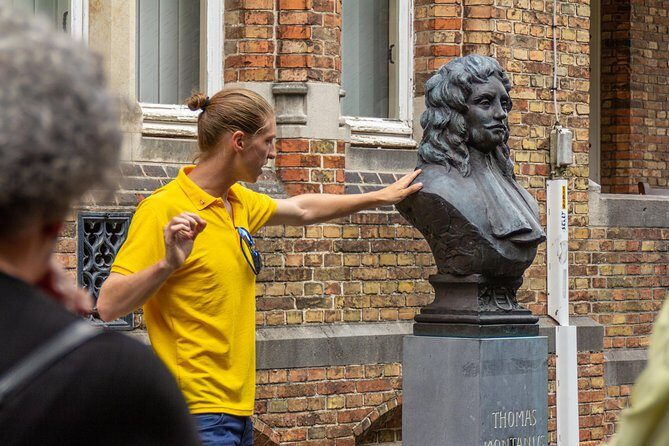
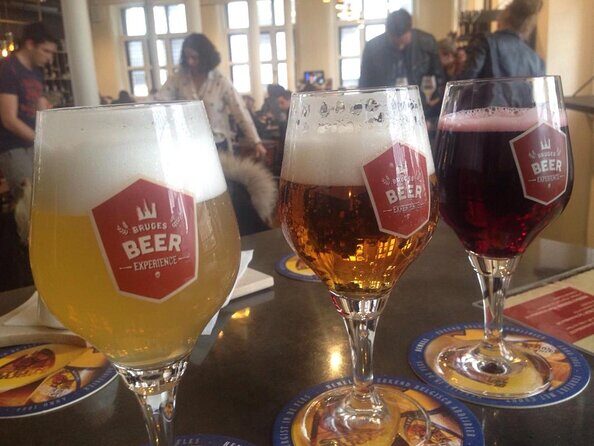
Along the route, you’ll get a brief orientation around the Bruges Beer Experience, sometimes referred to as Beer Heaven. The tour doesn’t turn this into a long detour, but it does point out what to see and why it’s worth choosing if beer-themed experiences are your thing.
Think of it like a menu preview. If you want to return later, you’ll know what to target instead of guessing once you’re already hungry and tired.


Stop 3: Rozenhoedkaai (Quai du Rosaire) and the Postcard View Explained
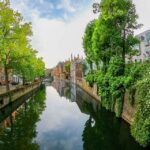
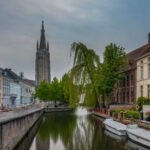
If Bruges has a single image that sells the city, it’s this river-side view. At Quai du Rosaire / Rozenhoedkaai, your storyteller explains why this became the postcard picture angle and what makes the scene feel so iconic.
This is one of those moments where the tour earns its keep. Without the explanation, you might take a few photos and move on. With the explanation, you understand how the city’s layout, waterline, and medieval streets produce the look people expect.
Expect about 5 minutes here. It’s short, but it’s timed well: you’re at the “wow” location before your legs fully tire.
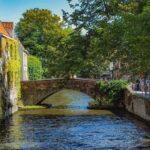
Stop 4: Boniface Bridge (Bonifaciusbrug) and Its Quiet Romance
Then comes Boniface Bridge, described as the smallest and one of the most romantic bridges in the city. The tour adds what many people miss: little bits of history you don’t get from a quick glance.
This stop is about 10 minutes and listed with free admission. It’s ideal for a photo, a pause, and a reset—especially if you’ve been walking on cobblestones and need a moment to catch your breath.
Stop 5: Site Oud Sint-Jan, One of the Oldest Hospitals
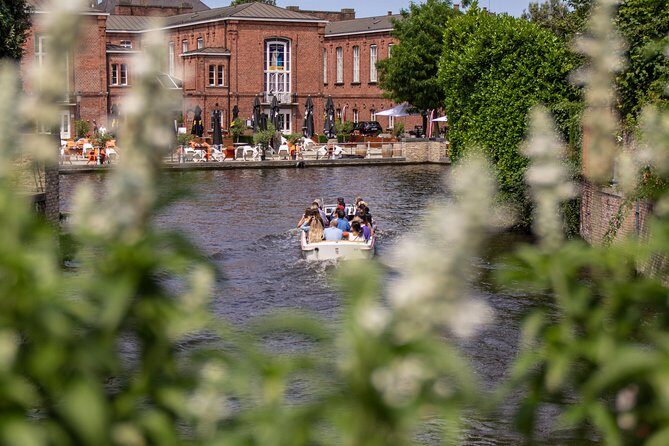
At Site Oud Sint-Jan, you step into a different kind of Bruges story. This is noted as one of the oldest hospitals in the world, and the tour uses that to show how the city dealt with care, community, and institutions long before modern medicine.
This is a 10-minute stop, free admission noted in the route. If you’re hoping for a long interior walkthrough, you may need to add time on your own. Still, as a way to widen your view beyond churches and trade halls, it’s a smart inclusion.
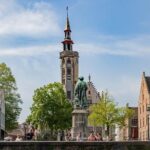
Stop 6: Burg Square, the Political Center Over the Centuries
Next is Burg Square, the political heart of Bruges. The tour frames it with over a thousand years of history and highlights the beautiful architecture around you. This is where your earlier stops start to click: trade builds wealth, civic buildings signal authority, and squares concentrate power.
This stop is about 10 minutes with free admission listed. The benefit isn’t in lengthy viewing—it’s in understanding why this space mattered and how that power shaped the city’s identity.
The Praline Stop: A Sweet Local Break with Olivier
Bruges has candy shops. This tour doesn’t treat them like random tourist stops. It includes a pralines moment at the perfect place, sold by Olivier, made by his dad and brother. It’s a short stop—just enough to taste something local and make the tour feel human, not just educational.
This is also a good break in a walking itinerary. If you’re the kind of traveler who prefers small, memorable food stops over long restaurant searches, this hits that sweet spot.
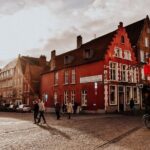
Stop 7: Huidenvettersplein, From Worst Square to Lovely Place
You end up at Huidenvettersplein, once known as the worst square and now quite lovely. The tour uses this contrast to show how cities change meanings over time—sometimes the same stone streets can tell different stories depending on who lived there, what the city valued, and how the area got redesigned.
It’s about 5 minutes and listed as free. That brevity works well here, too. By now, you’ve got enough context to enjoy the contrast instead of needing another big lecture.
Pacing, Footwear, and Weather: Make It Easy on Yourself
A big practical thing: most streets are cobblestones, and there’s at least one small bridge with a few steps. That doesn’t mean you can’t do it, but it does mean sturdy shoes help. If you’re rolling in with flip-flops, you’ll feel it by stop 4.
Also, the tour requires good weather. Bruges rain can be magical, but slippery stones are not. If the weather turns, you’ll want to be ready for adjustments—either a different date or a refund option if it’s canceled due to poor weather.
Tour Guides and the Storytelling Style You’ll Notice
The tour is built around a professional storyteller, and the names from past guides show the range of personalities you might get. You might meet people like Paschal, Thijs, Nick, Arthur, Alistair, Alasdair, Pascal, or Gosha. What ties them together is that the stories come with humor and a strong sense of place.
One consistent theme in the experience: guides keep the pace comfortable and the info easy to follow, even when covering a lot of centuries in a short walk. If you like local detail—why a view became famous, what a square represented, why a bridge has an odd but interesting backstory—this format usually clicks fast.
Price and Value: Why $3.62 Can Still Be Worth Your Time
The published price is $3.62 per person, and the offer notes an online booking fee included to handle the booking process. On paper, that price looks tiny because it isn’t the whole picture.
The tour data is clear that gratuities are welcome and expected at the end, with a pay-what-you-want setup. Most people choose around €10 to $50 per person. In other words, you’re buying the guided storytelling and the platform for booking, then rewarding the guide based on how good it felt for you.
So is it good value? In this format, yes—if you want an efficient first-day orientation. You’re getting a guided route across multiple major landmarks, plus practical tips and recommended places to check next. The cost only makes sense if you treat it like a real walking tour, not a free museum audio guide.
Who This Tour Fits Best (and Who Might Add More Time)
This is a strong match for:
- First-time visitors who want Bruges highlights in a short window
- People who enjoy stories more than long museum pacing
- Travelers who want a plan for what to do next, including restaurant and shop ideas
- Couples, solo travelers, and small groups who like a low-group-size feel (up to 6 per group)
You might want to pair it with extra time if:
- You want long interior visits (this walk is mostly street-level context)
- You want lots of detailed structure viewing beyond short stops
- You’re sensitive to cobblestone walking or step bridges (prepare with good shoes)
Should You Book This Bruges Storytelling Tour?
Yes, I’d book it if you’re planning a first day in Bruges and want quick clarity. It’s a smart way to see major sites—Belfort, Markt, Rozenhoedkaai, Boniface Bridge, Oud Sint-Jan, Burg Square—while also learning why the city looks the way it does.
Skip it (or add more self-guided plans) if you’re chasing deep museum time or you dislike rain-and-cobblestone conditions. Otherwise, the low ticket price plus expected gratuity is a fair trade for a guided walk that helps you understand the city instead of just collecting photos.
FAQ
How long is the Bruges storytelling tour?
It lasts about 2 to 3 hours.
Where do we meet for the tour?
You meet on Markt 8000. The guide is typically in front of the Belfry Tower and can be recognized by a yellow umbrella.
Is the tour in English?
Yes, it’s offered in English.
What stops are included during the walk?
The tour covers Belfort, Markt, a viewpoint at Quai du Rosaire / Rozenhoedkaai, Boniface Bridge, Site Oud Sint-Jan, Burg Square, Huidenvettersplein, plus brief stops for a beer experience reference and pralines.
Are there admission fees for the stops?
The tour schedule lists admission as free for the listed key stops.
Is gratuities expected?
Yes. Gratuities are welcome and expected, and it’s pay-what-you-want at the end. Many people choose around €10 to $50 per person.
How big are the groups?
A maximum of 6 people per booked group is allowed, and the overall activity has a maximum of 24 travelers.
Does the tour run in bad weather?
It requires good weather. If canceled due to poor weather, you’ll be offered a different date or a full refund.
Are service animals allowed?
Yes, service animals are allowed.
Is it difficult to walk on cobblestones?
Most travelers can participate, but you should expect cobblestones and one little bridge with a few steps.