REVIEW · AMSTERDAM
From Amsterdam: Bruges Day Trip in Spanish with Boat Option
Book on GetYourGuide →Operated by buendía · Bookable on GetYourGuide
Bruges from Amsterdam is a long day, made easy. You get a Spanish guide for the key sights and then real free time to make the city yours. I also love that the schedule fits the big Bruges hits fast: Lake of Love, Begijnhof, the canals, and the grand squares, without turning into a full-on sprint.
One thing to plan for: it’s a 12-hour day with about 3 hours on the bus each way, so if you hate sitting in traffic, choose your comfort snacks and brace for time in transit.
In This Review
- Key things I’d focus on before you go
- A long bus day that actually feels organized
- Leaving Amsterdam: what the transfer really does for you
- The Bruges arrival: guided history that helps your eyes
- Lake of Love and Begijnhof: the calm center of the story
- Canal views near Djiver: where Bruges starts to feel real
- Squares that define Bruges: Burg Square to the Belfort
- Belgium beer and the Church of Our Lady: facts with flavor
- The chocolate shop stop: a small inclusion with big payoff
- Your 3 hours of free time: lunch, lace, and choosing your own route
- Audio rules in Bruges: headphones can make the walk easier
- Who this tour fits best (and who should skip it)
- Price and value: $61 makes sense if you use the inclusions
- What makes the tour feel better: the human touch
- Should you book this Bruges day trip from Amsterdam?
- FAQ
- How long is the Bruges day trip from Amsterdam?
- Is lunch included?
- What language is the guided portion in?
- Where do I meet the group in Amsterdam?
- Are headphones needed during the Bruges visit?
- Is the tour suitable for wheelchair users?
Key things I’d focus on before you go
- Spanish narration that explains what you’re seeing, not just where to stand for photos
- UNESCO Bruges center walk with stops like Burg Square and the Grote Markt
- Canal-side stroll around the Djiver area, where the atmosphere clicks fast
- Lake of Love + Begijnhof (founded in 1245) for history with charm
- 3 hours of free time to handle lunch plus your own shopping (chocolate and lace)
- Audio radios/headphones are sometimes required in Bruges, so bring yours if you can
A long bus day that actually feels organized
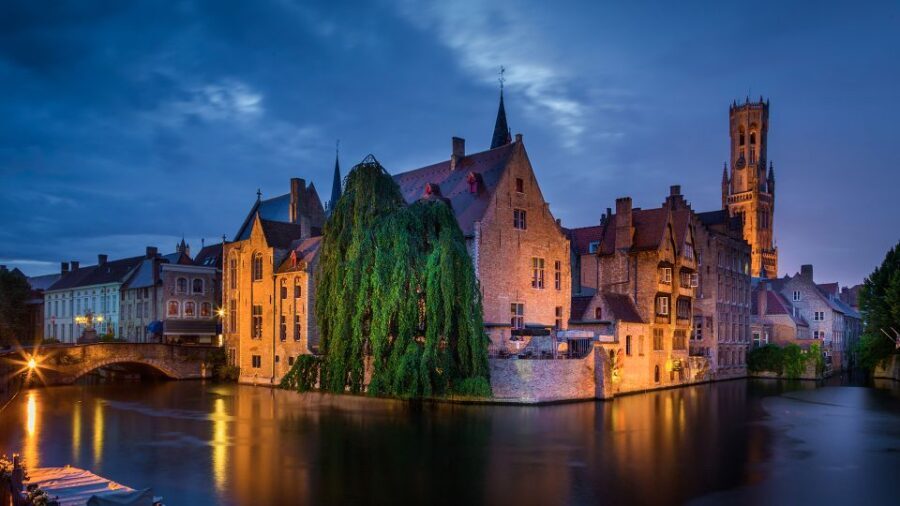
A Bruges day trip has a simple math problem: you’re trading travel time for fewer hours in town. Here, you’re looking at roughly 3 hours getting from Amsterdam to Bruges, then 2 hours guided walking, then 3 hours of free time. You still end up with a satisfying slice of Bruges, but you should expect a steady pace.
The upside is that the day is structured for first-timers. Your guide handles the big “why this matters” story up front (Belgium and Bruges history), then you walk the famous center so you get context before you wander. I like that because it makes the photos make sense afterward, instead of feeling like random landmarks.
You can also read our reviews of more boat tours in Amsterdam
Leaving Amsterdam: what the transfer really does for you
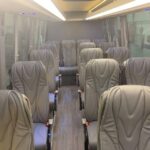
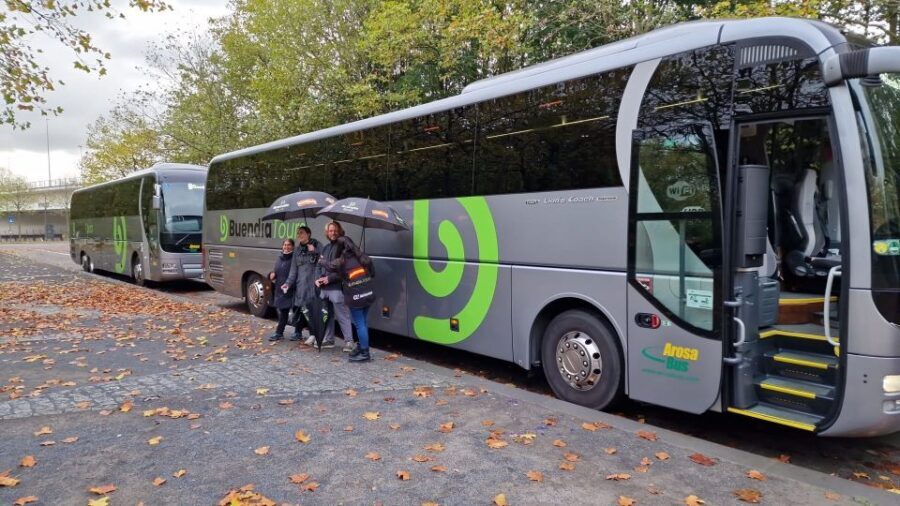
The experience starts at hotel harmony in central Amsterdam area, then you’re on a comfortable bus coached ride toward Flanders. Round-trip transfers are included, which is the main reason this is good value compared with building your own day plan piece by piece.
A couple practical things to note:
- Bruges is worth visiting slowly, but the coach makes sure you don’t spend your day figuring out transit.
- You’ll be sitting for about 3 hours each way, so bring something small to do: a book, offline maps, or even just headphones. One helpful touch is that some coaches can have a restroom, which matters on a long run.
The Bruges arrival: guided history that helps your eyes
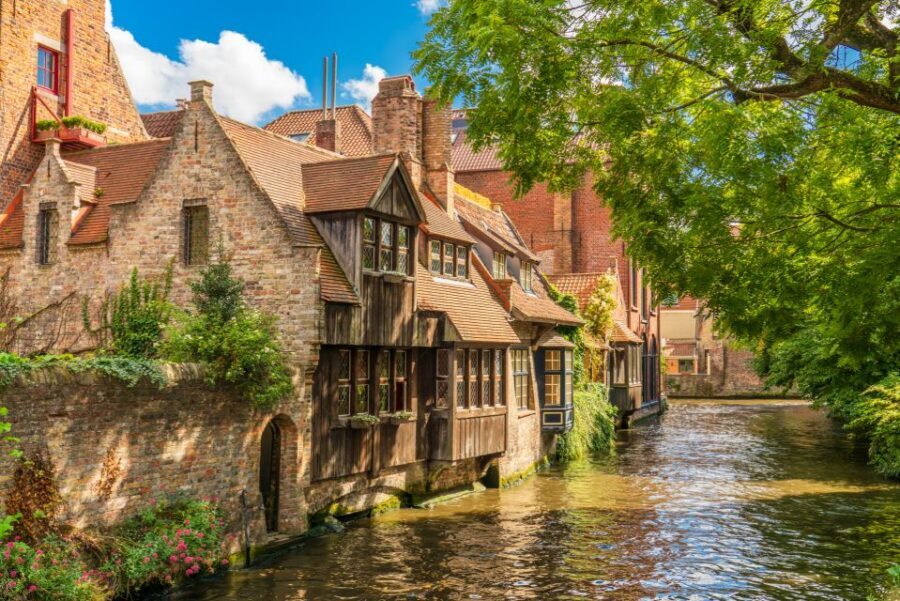
Once you reach Bruges, you jump straight into the walk with a live guide. This is where you start learning the city instead of just seeing it.
The guide’s early focus is on Belgium and Bruges history, then you move into the city’s signature sights:
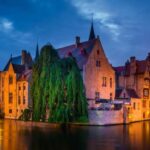
- Lake of Love (the romantics-only named stop that still looks stunning in real life)
- Begijnhof, founded in 1245
- The church of Our Lady
This matters because Bruges is compact, but not simple. Without a guide, it’s easy to hop from one postcard spot to the next. With the explanation built in, you understand why the city’s layout and landmarks feel the way they do.
Lake of Love and Begijnhof: the calm center of the story

This part of the day is the tone-setter.
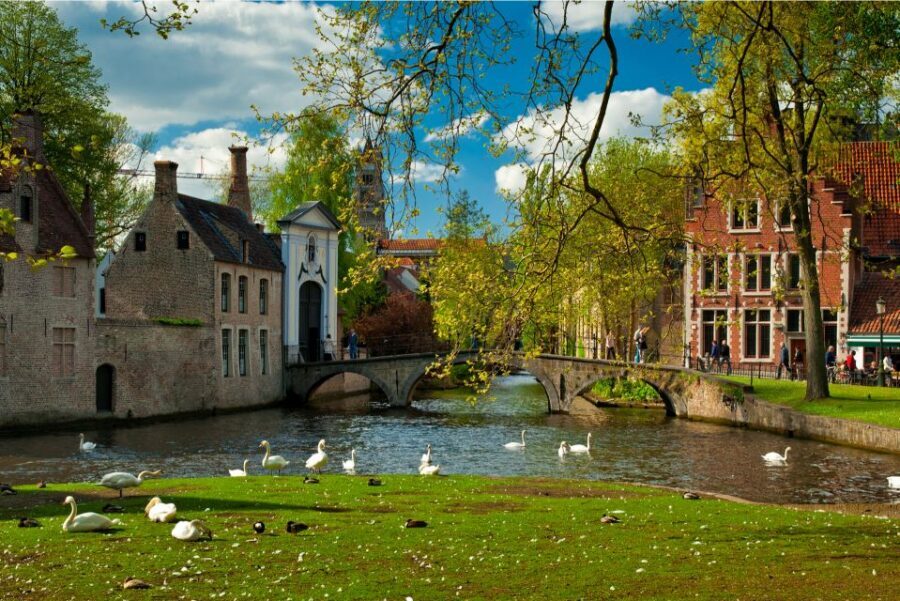
Lake of Love is one of those Bruges scenes that looks like it was designed for strolling. You’ll see it as part of the guided flow, so it doesn’t feel like a stand-alone detour—it’s tied to the city’s broader character.
Then you reach Begijnhof, founded in 1245. This is where Bruges history becomes more than date-flinging. The Begijnhof is a surviving reminder of how communities lived and shaped the city over centuries. Even if you only catch glimpses while moving through the area, you’ll feel the difference between modern streets and preserved courtyard calm.
Canal views near Djiver: where Bruges starts to feel real
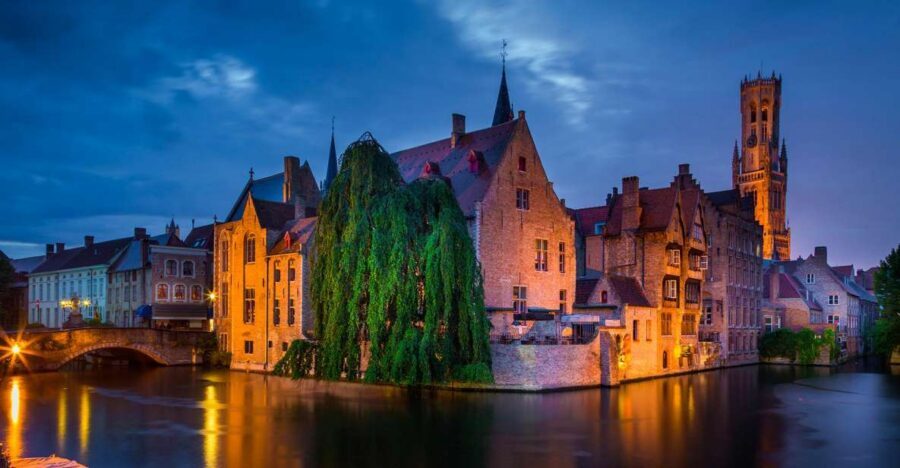
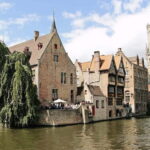
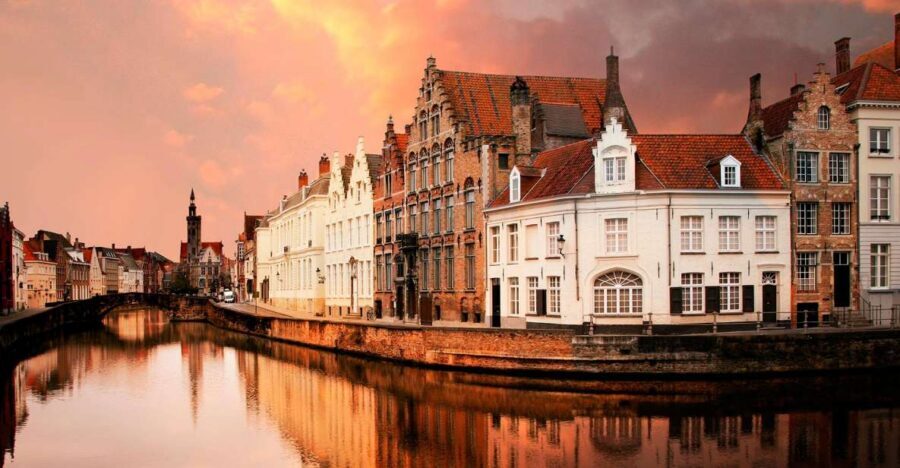
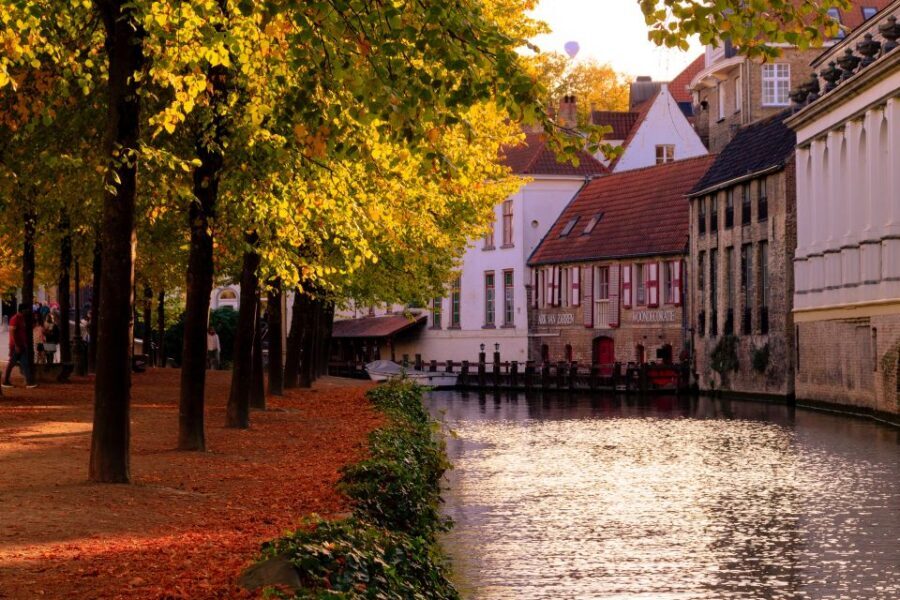
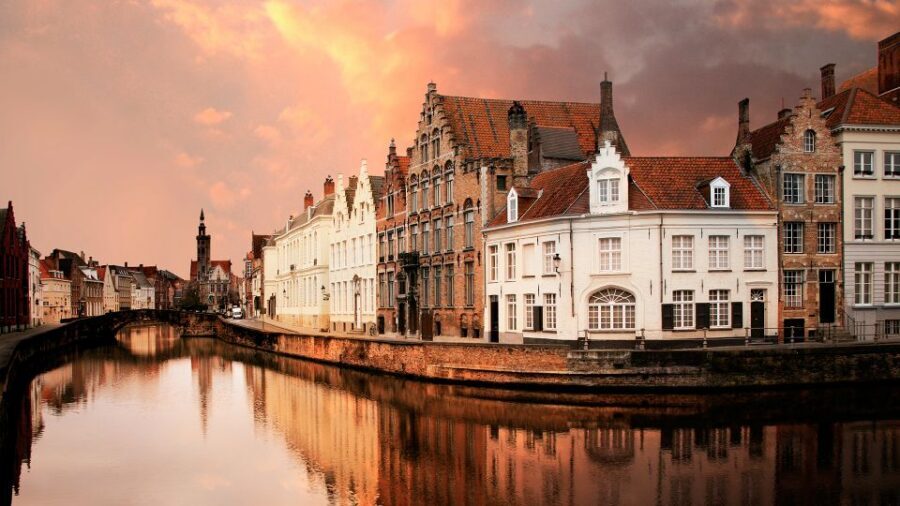
After the major historical anchors, the walk continues through some of the most charming city-feeling zones, including the area around the Djiver canal. This is the part I recommend for slowing down, if your group pace allows it.
The Djiver area is one of those places where you realize why Bruges gets called the Venice of the North. Not because it’s the same, but because the water and the narrow streets give you that gentle, storybook rhythm.
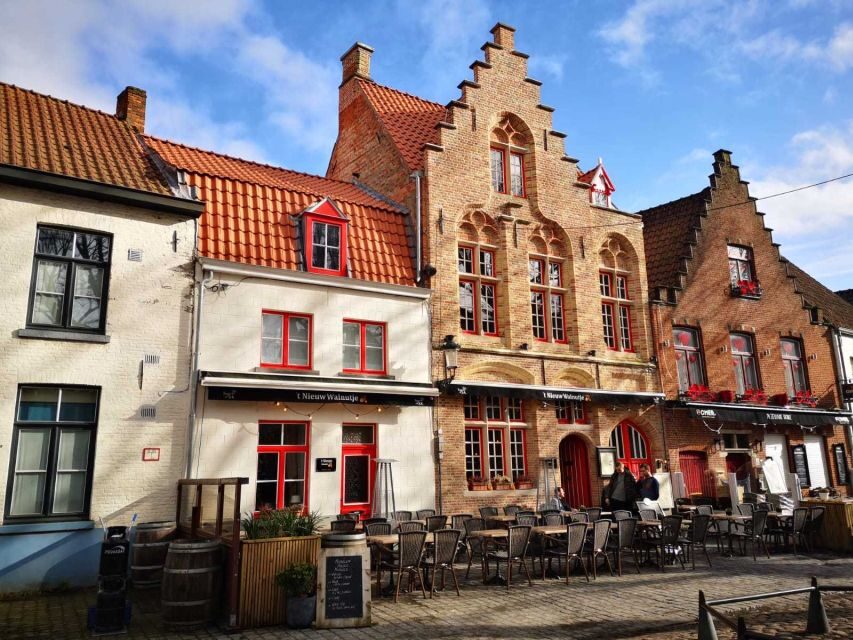
You also move past smaller, lived-in-looking squares and streets, including places like Walplein Square and along the Stoofstraat. These aren’t just “pretty stops.” They help you grasp how Bruges works as a walkable city rather than a theme park.
A few more Amsterdam tours and experiences worth a look
Squares that define Bruges: Burg Square to the Belfort
By the time you hit the big squares, you’re already primed to notice details.
You’ll see:
- Gruuthuse Palace
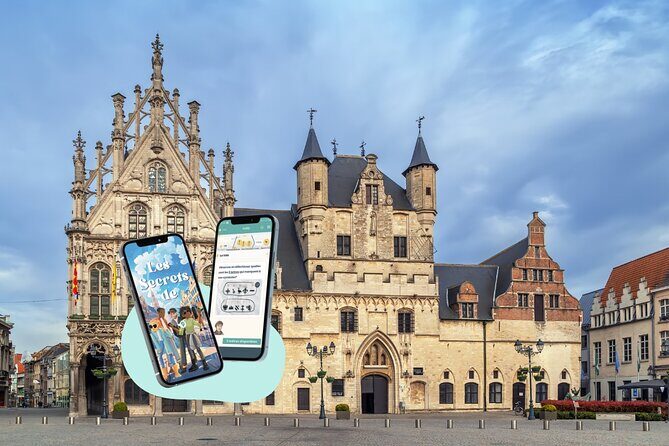
- Burg Square, with its Gothic Town Hall
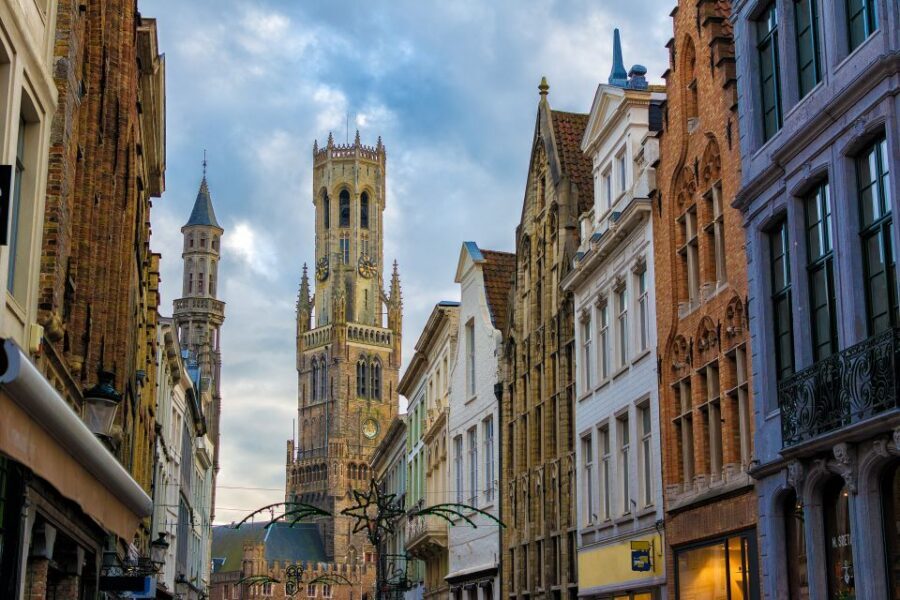
- Grote Markt, with the Belfort
This is classic Bruges architecture and planning in one walk. The guide helps connect the dots: who built what, why these civic buildings mattered, and how the center became the heart of the city’s identity.
One honest tip: if you’re the type who loves photos, stand back for a minute before you shoot. Look at proportions first—the town hall façade, the way the square opens, the Belfort rising above the rest. Once your brain gets the layout, the photos improve without changing anything.
Belgium beer and the Church of Our Lady: facts with flavor
The tour also weaves in Belgian beer context. You won’t be stuck in a tasting line, but you’ll get enough background to make your later lunch plan smarter. It turns shopping and menu-deciding into something more fun than guessing.
And the Church of Our Lady is a key visual anchor in the day. In a short 2-hour guided walk, that’s important. You don’t want your first Bruges hour to be mostly “street, street, street.” This gives you a landmark that helps your internal map lock in.
The chocolate shop stop: a small inclusion with big payoff
A visit to a local chocolate shop is included. Even if you’re not a hardcore chocolate person, it’s a practical stop.
Why it works:
- It’s built into the timeline, so you don’t spend your guided hour searching.
- It helps you sample and compare without the stress of figuring out where to go.
- It keeps your energy steady right after the walking-heavy parts.
If you want a souvenirs haul, this stop can help you do it earlier, then you can shift your free time to lace, gifts, and wandering instead of decision fatigue.
Your 3 hours of free time: lunch, lace, and choosing your own route
The tour builds in about 3 hours of free time to explore, eat, and shop. This is the part that makes or breaks day trips, because your preferences matter.
Here’s how I’d use your free time:
- First 45 to 75 minutes: lunch (or a slow snack) so you don’t end up starving while chasing shops.
- Next 60 to 90 minutes: browse chocolate and lace shops at an easy pace.
- Last stretch: return to whichever square made you stop and stare during the guided walk.
You’ll also get recommendations from the guide for where to eat, drink, and shop. That’s worth listening to because Bruges has plenty of choices, and a good pointer saves you from spending your limited time comparing menus like it’s a second job.
One extra note: timing can shift due to road conditions. On one kind of day, you may get additional free time beyond what’s scheduled. On a slower day, the bus return still has to happen—so keep your plan flexible.
Audio rules in Bruges: headphones can make the walk easier
Bruges has had tourist visit audio rules in place since January 1, 2018. On certain occasions, the company provides radios with headphones. You’re asked to use your own headphones to avoid disposable options when possible.
What I recommend:
- Bring your own earbuds/headphones in your day bag.
- If you don’t have them, the company offers disposable headphones for free.
This is a small detail that affects comfort. The guided walk is more enjoyable when you can hear directions clearly without fuss.
Who this tour fits best (and who should skip it)
This day trip is a strong fit if you:
- Want a first look at Bruges without planning trains or figuring out pickup logistics
- Like guided context for history, architecture, and city layout
- Enjoy chocolate and lace shopping as part of the fun, not an afterthought
- Are okay with a full day schedule and a lot of walking in a compact center
It’s not a great fit if you:
- Need mobility accommodations. This tour is not suitable for people with mobility impairments or wheelchair users.
- Prefer a relaxed, slow day with minimal transit. The bus time is real, and it shortens the amount of free time in town.
Price and value: $61 makes sense if you use the inclusions
At $61 per person, you’re paying for a package: round-trip bus transfers, a live Spanish guide with a structured walking tour, and a chocolate shop visit. Meals and drinks aren’t included, so you’ll budget for lunch on your own.
Is it cheap? Not necessarily. But day trips often cost less when the logistics are handled for you. Here, you’re buying time savings and navigation help, plus a guide to connect the city’s landmarks into one story.
The value check for you is simple:
- If you’d otherwise struggle to organize transportation and find a guide, this package looks fair.
- If you already know you’ll visit Bruges on your own and don’t care about guided explanations, a DIY trip might feel better.
What makes the tour feel better: the human touch
The standout pattern here is the quality of the people running the day. Guides in Spanish are central to the experience, and names you may hear include Rafael, Blanca, Juan Mi, Diego, Pablo, Eduardo, Mariana, and Sara. The drivers matter too—Adrian is one example you’ll see mentioned for safe, smooth coaching.
In plain terms: the day works when you feel cared for and guided without stress. This tour’s format is built for that, and the guide-and-driver pairing is a big part of why it tends to earn strong ratings.
Should you book this Bruges day trip from Amsterdam?
If your goal is a smart first visit to Bruges with guided context plus real free time, I’d book it. You get the UNESCO-center highlights, canal atmosphere, major squares, and a chocolate stop, all while someone else handles the round-trip logistics.
Skip it if you want a long, slow stay in Bruges or you’re worried about the bus time cutting into your exploration. If you’re the type who hates schedule trade-offs, you might prefer an overnight plan.
If you do book, go in ready:
- Wear comfortable shoes
- Bring headphones (it can make the walk smoother)
- Treat the free time as your chance to decide what kind of Bruges day you want: squares, shops, or simply wandering toward the next canal view
FAQ
How long is the Bruges day trip from Amsterdam?
The total duration is about 12 hours, with roughly 3 hours on the bus each way, 2 hours of guided walking in Bruges, and 3 hours of free time in the city.
Is lunch included?
No. Meals and drinks are not included, so you’ll need to buy lunch and any beverages during the free time.
What language is the guided portion in?
The live guide in Bruges (and the tour experience) is in Spanish.
Where do I meet the group in Amsterdam?
Meet in front of Aloha Bowling, where the guide will be waiting for check-in.
Are headphones needed during the Bruges visit?
In Bruges, radios with headphones are sometimes used due to local regulations. You’re asked to use your own headphones when possible. If you don’t have them, disposable headphones are provided for free.
Is the tour suitable for wheelchair users?
No. It is not suitable for people with mobility impairments or wheelchair users.