REVIEW · MONS
Mons : the Mons Memorial Museum
Book on GetYourGuide →Operated by Office du Tourisme de la ville de Mons · Bookable on GetYourGuide
Small museum, big moral weight. The Mons Memorial Museum in Wallonia turns war into something you can read, handle, and question, from soldiers far from home to civilians under occupation. I love the personal records on display, like diaries, postcards, and letters, because they make the history feel specific instead of vague. I also like the concrete WWI artifacts, including preserved bread rations and dramatic bomb pieces, because they help you grasp what daily life and survival really meant.
One consideration: this is a self-guided entry ticket, since a guided tour and audio guide are not included, so you’ll want to slow down and read.
In This Review
- Key things to know before you go
- Mons Memorial Museum: what your entry ticket really gives you
- A self-guided route from the Middle Ages to WWII
- Soldiers far from home: day-to-day life, not just battles
- Civilian life under occupation: everyday survival and disruption
- WWI artifacts that hit harder than textbook diagrams
- Veteran interviews and letters: the ending that lingers
- Price and value: is $11 worth your time?
- Timing, pacing, and how to make a self-guided visit work
- Practical details that affect your visit
- Who should book this Mons Memorial Museum ticket
- Should you book? My honest recommendation
- FAQ
- Where is the Mons Memorial Museum located?
- How much is the ticket?
- How long should I plan for the visit?
- Do I need to book a specific time slot?
- Are there guided tours or audio guides included?
- What languages are available?
- Will I receive my ticket by email?
- Is it wheelchair accessible?
- Can I cancel for free if my plans change?
Key things to know before you go
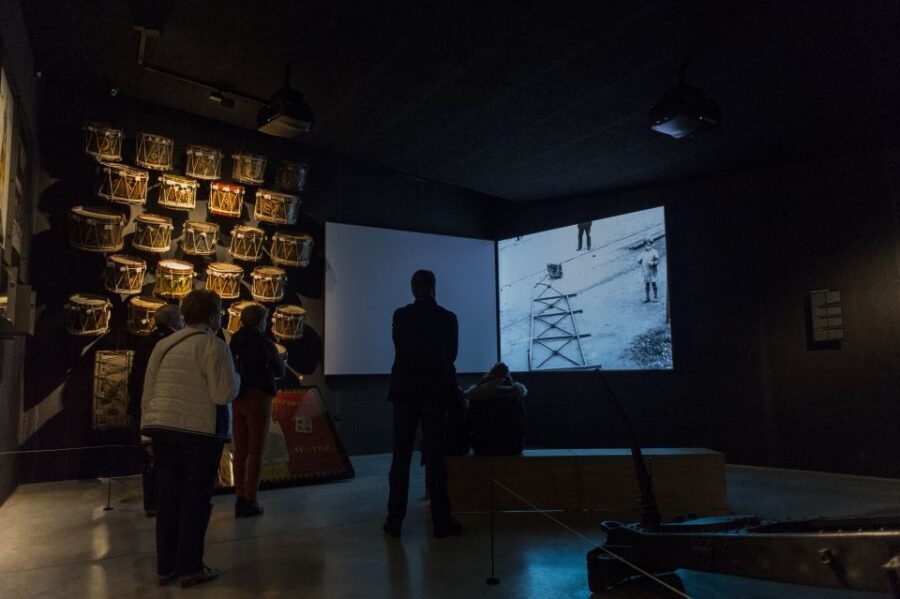
- A one-day ticket with a clear theme: day-to-day soldier and civilian life across peace, war, and occupation
- War told through paperwork: diaries, postcards, and letters add a human layer to the exhibits
- WWI objects with shock value: preserved rations and German bomb material, including a one-tonne example from 1917
- A long timeline: you start in the Middle Ages and end at WWII
- Veteran voices at the end: recorded interviews plus their diaries and letters to loved ones
- Not just for history nerds: it keeps returning to a simple question about civilians and the military
Mons Memorial Museum: what your entry ticket really gives you
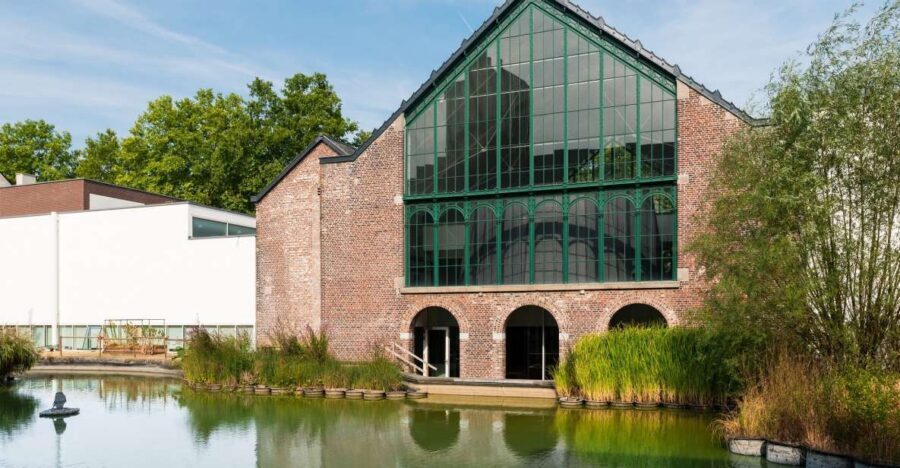
Your plan here is straightforward: buy the entry ticket, show up for your chosen time slot, and follow the museum’s own structure through centuries of conflict. For around $11 per person, you’re paying mainly for access to the exhibits, not for a guided “storytelling” service. That can be a good thing, because you control the pace and choose what to linger on.
The best value in this museum is the mixture of human documents and physical artifacts. You get written evidence (diaries, letters, postcards), and you also get objects that force your brain to picture real constraints—food, weapons, and the brutal logistics of war. If you like museums where you can build meaning from what you see, this fits well.
You’ll also notice that the museum isn’t trying to sell one simple lesson. It keeps nudging you to question the relationship between military forces and civilian life—what changes, what breaks, and what people do to survive.
You can also read our reviews of more museum experiences in Mons

A self-guided route from the Middle Ages to WWII
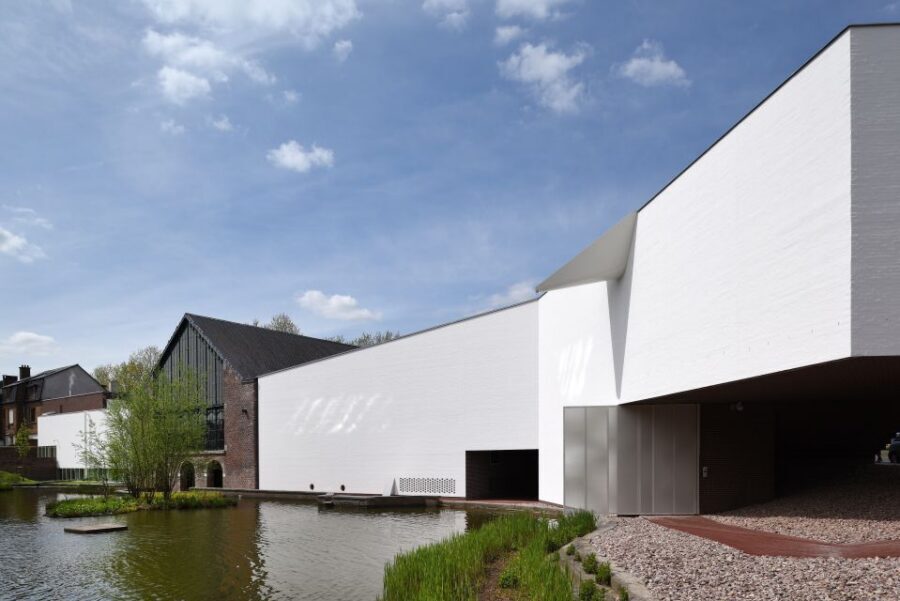
The museum is organized so you move through time: it starts in the Middle Ages and finishes with WWII. That structure matters, because it prevents the common trap of thinking each war is a separate bubble. Instead, you start noticing patterns in how conflict reorganizes everyday life.
As you walk through the rooms, expect exhibits that cover soldiers and civilians in different states: living in peace, living under war, and living under occupation. You’ll see how civilians are pulled into military decisions whether they want it or not, and how soldiers often live inside routines that look nothing like hero movies.
Because there’s no guided tour included, you’ll get the most out of the experience by doing two things:
- Read the captions carefully, not just the big headlines.
- Pause where you see personal documents, especially any diary pages, postcards, and letters.
If you prefer someone talking at you, this museum will feel more like a “slow reading day” than a “tour day.” If you enjoy that, you’ll likely have a satisfying visit.
Soldiers far from home: day-to-day life, not just battles
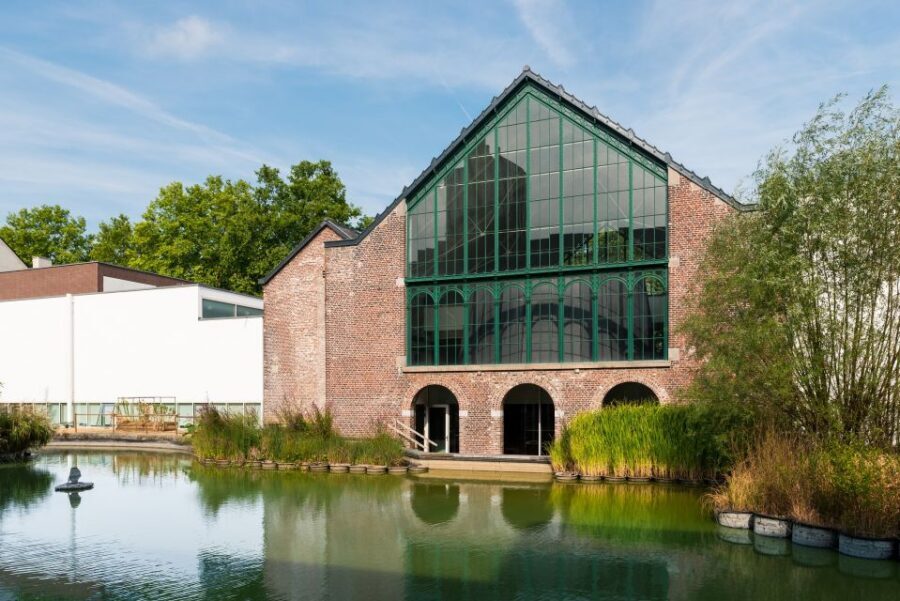
This is one of the museum’s biggest strengths: it shifts attention away from only tactics and toward the lived experience of soldiers fighting far from home. That means you spend time with the realities that don’t make it into most war films—routine, fear, uncertainty, and the strain of distance.
You’ll also see how soldiers interacted with the wider world of civilians. The question the museum keeps returning to is simple: soldiers don’t exist in a vacuum. Their presence changes civilian life, and civilian conditions shape what soldiers can do.
Even when the exhibits talk about weapons, the museum connects those tools back to the human scale. You’re not just learning what something is; you’re learning what it meant for the people who had to use it—or endure it.
Civilian life under occupation: everyday survival and disruption
Another core theme is civilian life during war and occupation. The museum’s approach is useful because it treats civilians as active parts of the story, not just background victims. You’ll learn how daily rhythms get interrupted and how people cope when normal life is no longer safe.
In practical terms, this section of the museum helps you understand war as a system. It affects food, movement, communication, and even what people think they’ll need tomorrow. That’s why items like ration remains are so powerful: they turn a huge historical topic into a small, touchable detail.
As you move through this part of the exhibits, keep your eye on the relationship between the two worlds. When civilians and the military collide, who pays first, and who pays last? The exhibits are built to keep asking those exact questions.
WWI artifacts that hit harder than textbook diagrams
WWI is where the museum’s objects start doing heavy emotional work. You’ll encounter artifacts connected to German forces, including bombs and preserved food rations. One of the standouts is the first one-tonne German bomb from 1917, which gives you scale in a way most photos never can.
Another unforgettable item category is the preserved ration evidence. Seeing bread rations preserved in a bottle makes the idea of scarcity literal. It’s the kind of exhibit that makes your mind do a quick math problem: if food is rationed, what else gets rationed next—freedom, choice, time, dignity?
The museum also references weapons used across history. Even if you’re not a military-detail person, you’ll likely appreciate the museum’s restraint: it doesn’t focus only on machinery. It links the tools to consequences.

Veteran interviews and letters: the ending that lingers
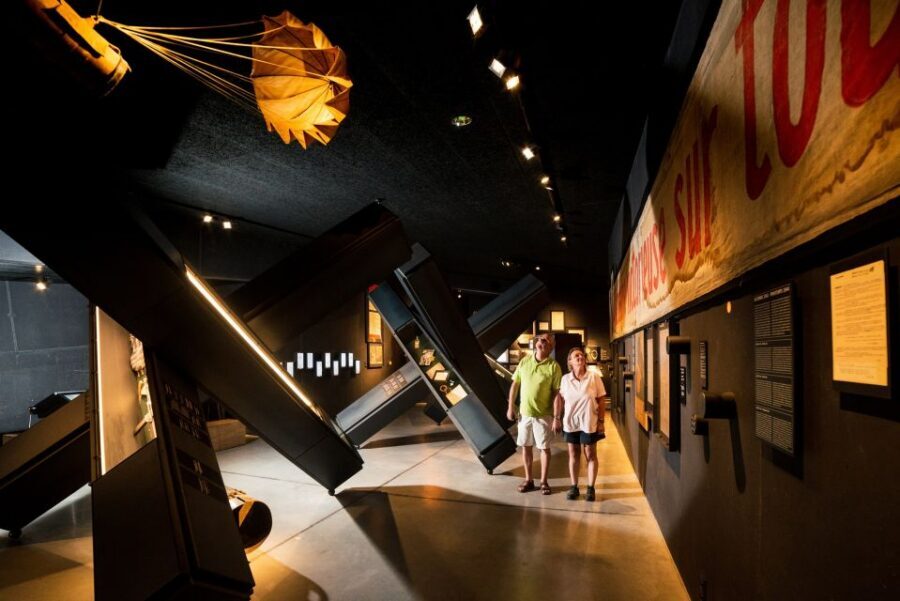
Near the end of your visit, you shift from objects and exhibits into voices and writing. The museum includes recorded interviews with veterans, plus collections of their diaries, postcards, and letters to loved ones. This part changes the mood in a meaningful way.
It helps because it adds perspective after you’ve seen how war distorts daily life. When you hear from people who lived through it, the earlier exhibits stop feeling like a lesson and start feeling like a record of choices, losses, and endurance.
If you’re sensitive to moving content, plan your final hour accordingly. Give yourself time to sit with the letters and the interview audio. Don’t rush this section just to “finish the museum.” This ending is the point where the museum’s themes become personal.
One extra note: some special displays can be emotionally intense. For example, there’s been mention of an exhibition connected to Didier Mahieu. If it’s running during your visit, it’s worth treating as a highlight.
Price and value: is $11 worth your time?
At about $11 per person, the Mons Memorial Museum is strong value for a 1-day stop—especially because you get both history content and personal-document material. You’re not paying for a premium guided package. You’re paying for admission to a museum built around exhibits that already do the work.
Here’s how I’d judge value before you commit:
- If you like reading primary-style material (diaries, letters, postcards), the price feels fair quickly.
- If you only want high-level battle summaries, a self-guided museum can feel slower than you want.
- If you enjoy connecting WWI artifacts to human consequences, this ticket is a bargain in emotional impact.
Also, the museum gets described as extraordinary but not overly known. That can be a plus. Smaller attention often means a calmer visit where you can actually focus on the documents and objects instead of craning over other people.
Timing, pacing, and how to make a self-guided visit work
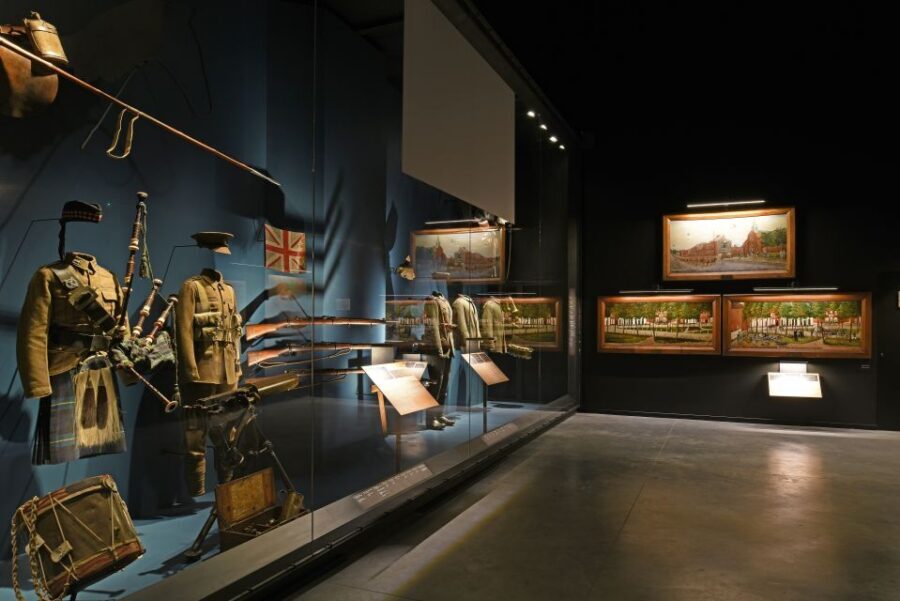
You’re looking at a 1-day experience, with starting times depending on availability. You’ll receive your ticket by email and present it at the museum entrance. You also need to show up in the chosen time slot, so don’t treat it like a wander-in attraction.
To make a self-guided route feel rewarding (and not like homework), I suggest you do this:
- Spend your first part of the visit orienting yourself with the timeline from the Middle Ages onward.
- In the middle sections, focus on one theme at a time: soldiers’ day-to-day life, then civilian occupation life.
- Leave the veteran interviews and letters for when you’re mentally ready to slow down.
If you can, give yourself enough margin to re-read captions. Many museums lose people because they assume you’ll “get it” from a quick glance. This one works better when you linger.
Practical details that affect your visit
The museum supports multiple languages: French, English, and Dutch. When you book, you can choose a time slot, and the staff you’ll meet will be able to greet you in French, English, or Dutch.
The museum is wheelchair accessible, which is a big deal if you want a calm, navigable visit without obstacles. Also, since a guided tour and audio guide are not included, plan to rely on the exhibit text and the structure of the rooms to carry you through.
Staff support matters too. In feedback about the experience, the staff are described as extremely kind, which can help if you run into questions about where to go next.
Who should book this Mons Memorial Museum ticket
Book this if you want:
- War history with a strong focus on daily life, not only battles
- Primary-style documents like diaries and letters to loved ones
- WWI artifacts that make the scale of conflict feel real
- A museum route that starts far back (Middle Ages) and ends at WWII
Skip it if you only want a quick, guided overview and you dislike reading. Since there’s no audio guide included, you’ll need to do a bit more work yourself.
It’s also a good choice for solo travelers who like reflective museums. The tone is serious, and the museum’s design rewards personal attention.
Should you book? My honest recommendation
Yes, I think you should book the Mons Memorial Museum ticket if you’re open to a self-guided, text-and-object museum day. For the price, you get something that’s more than information: you get human documents, war artifacts, and veteran voices tied to one big question about civilians and the military.
If you hate reading long captions or you want someone to narrate every step, you may find it heavy going. In that case, consider whether you’d rather spend your time on a guided experience. But if you like museums where details matter, this one is worth your day in Mons.
FAQ
Where is the Mons Memorial Museum located?
It’s in Mons, in Wallonia, Belgium.
How much is the ticket?
The price is $11 per person.
How long should I plan for the visit?
Plan for about 1 day.
Do I need to book a specific time slot?
Yes. You choose a time slot, and you should present yourself within that time window.
Are there guided tours or audio guides included?
No. A guided tour and an audio guide are not included.
What languages are available?
The museum offers materials and support in French, English, and Dutch.
Will I receive my ticket by email?
Yes. You’ll receive your entry ticket by email to present at the museum entrance.
Is it wheelchair accessible?
Yes, the museum is wheelchair accessible.
Can I cancel for free if my plans change?
You can cancel up to 24 hours in advance for a full refund.