REVIEW · BRUSSELS
Excursion to Bruges and Ghent by bus from Brussels
Book on Viator →Operated by Buendía · Bookable on Viator
A long day, but two storybook cities. This Bruges + Ghent bus trip from Brussels gives you a guided route with a Spanish-speaking guide, so you get context for the canals, cathedrals, and medieval neighborhoods instead of just wandering.
I especially like the mix of scheduled stops and freedom. You’ll get roughly 1.5 hours of free time in each city, which helps you actually sit with the view, grab a snack, or take extra photos at your own pace.
One possible drawback: the day is long—about 10.5 hours—and some parts can feel rushed if your group moves quickly or the schedule order shifts. A few practical complaints also pop up around bus comfort and clear meeting-point timing.
In This Review
- Key things to know before you go
- A one-day coach circuit: what you’re really buying
- Brussels meeting point and how the day starts on time
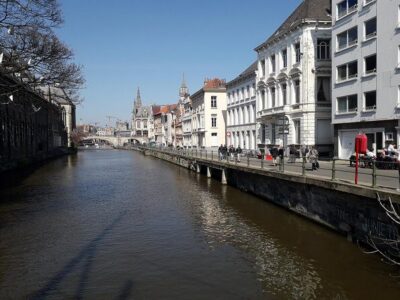
- Bruges on foot: canals, beguinage, and the Holy Blood area
- Why Burg Square and Grote Markt feel different
- Photo stops that make Bruges click (and how to use them)
- Chocolatnt? No—Chocolalino, plus a practical way to judge chocolate
- The Bruges free time window: how to spend 1.5 hours well
- Transfer to Ghent: why the timing matters
- Ghent guided highlights: St Bavo’s Cathedral, dragons, and guilds
- Graslei and Korenlei along the Lys: what to watch for
- Ghent free time: use it like a local, not like a checklist
- Price and value: is $54.45 fair for two cities?
- The headphones/radio detail: a small item that affects comfort
- Timing, pacing, and the “watch the order” reality
- Who should book this Bruges and Ghent day trip
- Should you book this tour?
- FAQ
- Where does the tour start and end?
- What time does the tour begin?
- How long is the tour?
- Are meals included?
- Do I need a hotel pickup?
- What language is the guide in?
- Do I need headphones or radios?
- How big is the group?
Key things to know before you go
- Spanish-speaking guide and radio assistance in Bruges: you may use radios/headphones due to local regulations
- Bruges photo circuit: Rozenhoedkaai, St Bonifacius Bridge, and the rose quay stories
- Small stops with big payoff: a Beguinage founded in 1245, medieval house cues, and tanners’ square details
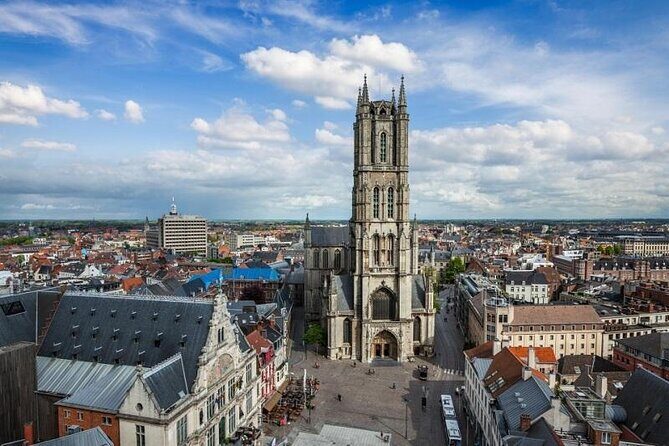
- Ghent must-sees with specific anchors: St Bavo’s Cathedral and the Van Eyck brothers painting
- Chocolate plus a quick skill lesson: an artisan shop tasting and tips to tell handmade from industrial
A one-day coach circuit: what you’re really buying
This is the kind of trip you choose when you want two top Belgium cities without planning logistics for trains, transfers, and timing. You start in Brussels and ride in an air-conditioned coach round-trip, then spend the day walking with a guide and mixing in free time.
The value is in the structure. Bruges and Ghent are both dense with landmarks, but the coach format keeps the day moving while the guide turns sight-seeing into a clearer story: who lived there, why buildings look the way they do, and what you’re looking at when you finally reach the big squares.
You can also read our reviews of more tours and experiences in Brussels.
Brussels meeting point and how the day starts on time
The tour meets at Carrefour de l’Europe (1000 Bruxelles), with an 8:30 am start. It ends back at the same meeting point, so you don’t have to figure out how to get back into Brussels on your own.
You should plan to arrive a little early and keep your phone charged for the mobile ticket. Also note there’s no hotel pickup and return—this is walk-up to the meeting point, then out and back by coach.
Group size stays reasonable (up to 45 travelers), which usually means you won’t be swallowed by a sea of people—still, it’s not a private tour. If you’re sensitive to crowds, bring patience for tight medieval sidewalks.
Bruges on foot: canals, beguinage, and the Holy Blood area
Most of the Bruges portion is built around quick, meaningful stops, not a single long stroll. You’ll begin with a short arrival window at Bargeplein (Katelijnparking)—including a brief bathroom break—then you’re on.
From there, the guide threads together Bruges themes you’ll actually recognize later when you see the architecture:
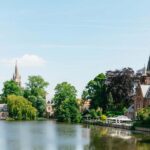
- Minnewater Lake (Lake of Love): the guide connects the scenery to a local love story and gives you a baseline understanding of the city’s development.
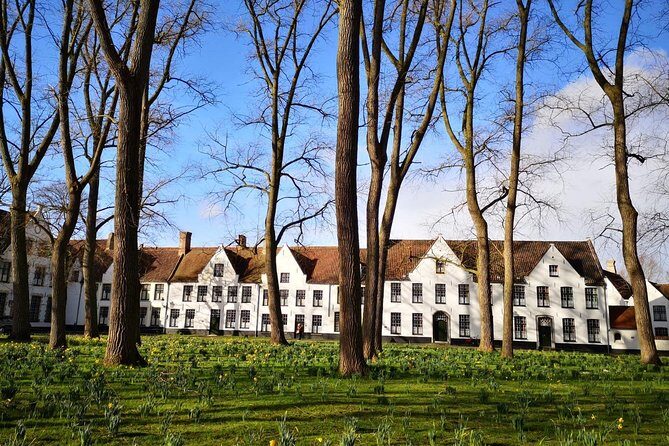
- Beguinario / Beguinage: founded in 1245, it’s one of those places where the idea behind the building matters as much as the building itself.
- Stoofstraat: you get taught how to spot hints of original medieval houses, which is handy because Bruges streets can look “old” everywhere you turn.
- Walplein and beer history: it sounds niche, but these small context stops help you understand Bruges beyond postcards.
- St Bonifacius Bridge: legend + photos. This is one of those moments where the story makes the scene feel more personal.
You also hit key landmarks that give Bruges its instant identity:
- Saint John’s Hospital: the guide explains how medieval health care worked, which makes the location feel less like a museum exterior and more like a real system.
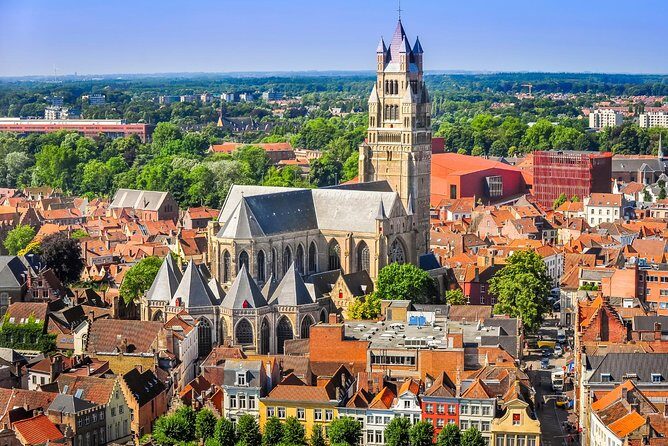
- Church of Our Lady (Onze-Lieve-Vrouwekerk): from outside, the guide points out the white marble Virgin and Child sculpture by Michelangelo, which you can then verify inside if you’re curious later during free time.
- Gruuthuse: you get the angle of the powerful family tied to Bruges between the 17th and 18th centuries, so you’ll understand why certain buildings look “heavy” with importance.
Why Burg Square and Grote Markt feel different
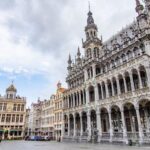
You’ll reach Burg Square for the big civic-religious mix: the Gothic town hall area and the landmarks tied to the Basilica of the Holy Blood. This is where Bruges stops feeling like a theme park and starts feeling like a city that ran on power, faith, and money.
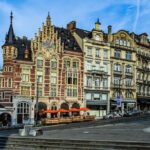
Then you finish Bruges guided time at the Grote Markt (Market Square). This isn’t just a stop for photos: it’s where you’ll also get practical eating and chocolate-buying tips, plus reminders for when to return to the bus for the transfer to Ghent.
That last part matters. The Bruges day moves fast enough that if you wander too far from the group, you’ll spend your free time stressed instead of enjoying it.
Photo stops that make Bruges click (and how to use them)
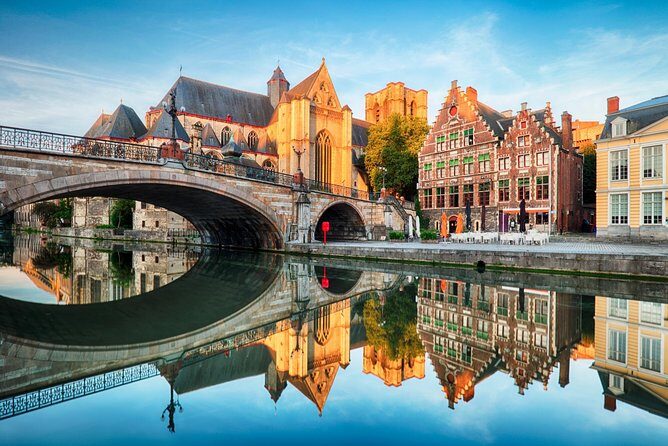
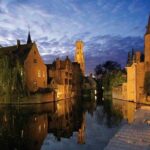
The trip leans into Bruges’ most photographed moments, and it’s not random. Places like Rozenhoedkaai are photographed because the sightline works from multiple angles—especially when you’re standing at the right spot and not just looking for “something pretty.”
You’ll also get a smaller stop for Huidenvettersplein (Tanners’ Square), which adds texture. Bruges can feel overly curated in your mind until you hear how everyday trades shaped the city. The tanners’ area helps you remember medieval Bruges had working life, not only tourism charm.
And since your schedule includes short photo windows at spots like St Bonifacius Bridge and the small bridge viewpoints near the Rose Quay, I’d treat these as “get your shots, but don’t freeze.” A few extra seconds to reposition can make the difference between a bland photo and one you’ll actually keep.

Chocolatnt? No—Chocolalino, plus a practical way to judge chocolate
One of the better parts of this tour is the structured break for tasting at Chocolalino, an artisan chocolate shop. You’ll have a chance to taste, and the guide gives tips on the difference between handmade vs industrial chocolate.
Even if you’re not a chocolate nerd, this is useful. It’s easier to shop with confidence when someone explains what to look for beyond brand names. If you buy souvenirs, this is when you can do it while your guide can still help you separate good choices from marketing.
Keep in mind: you get only a short window (about 8 minutes described here). Go with intention—taste, ask your one or two questions, then decide before you lose the group.
The Bruges free time window: how to spend 1.5 hours well
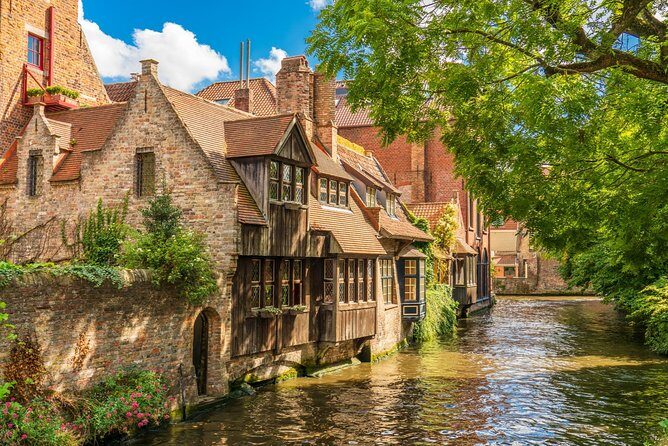
You’ll leave the guided route and get roughly 1.5 hours of free time in Bruges (traffic and group rhythm can affect it). This is the time to:
- revisit a photo spot you liked during the stops
- walk slowly without feeling you’re behind schedule
- choose one café and sit for a real break
What I like about giving you this time is it protects you from the common day-trip problem: seeing everything “important” and feeling nothing. Here, you’re meant to slow down once your bearings are set.
If you’re chasing interior details, keep your eyes open during the earlier stops. For example, the guide mentions Michelangelo’s sculpture inside the Church of Our Lady—then your free time can be the moment you decide whether to go in.
Transfer to Ghent: why the timing matters
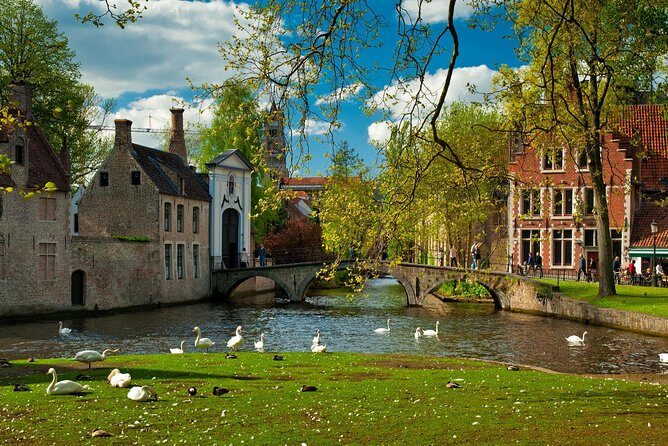
After Bruges, you return to the bus at Bargeplein (Katelijnparking) and head to Ghent. This is the point where your energy will either reset or crash.
Bring water and a layer. The coach ride is air-conditioned, and Belgium weather can shift without warning. If you’re prone to feeling cold on buses, pack something light you can throw on during the drive.
Ghent guided highlights: St Bavo’s Cathedral, dragons, and guilds
Ghent is the other half of the “medieval Belgium” story, but it feels different from Bruges—more grounded, more lived-in, and in many spots easier to imagine as a working city.
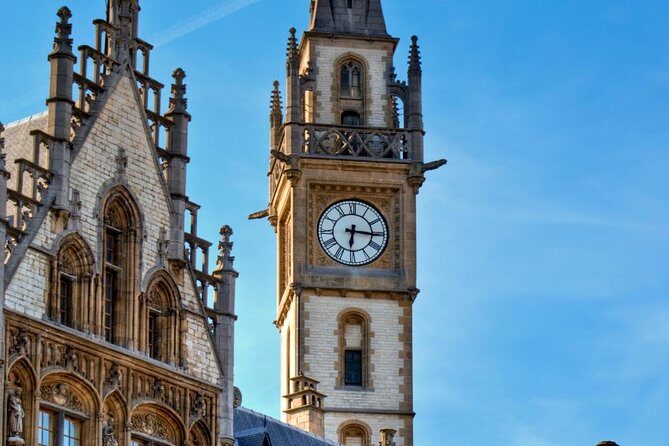
Once you arrive, you’ll walk into the center and start at the Ghent Town Hall (Stadhuis). The guide explains different architectural styles, which helps you read the building instead of just admiring it from a distance.
Then you head to the Het Belfort van Gent (the Belfry), where the guide talks about the iconic tower and the dragon legend. This is a classic Ghent moment, and you’ll understand it better because you’re getting the story right as you stand near it.
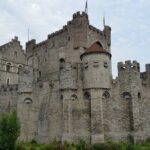
The centerpiece stop is St Bavo’s Cathedral. You’ll see the exterior and then the interior, including the famous painting by the Van Eyck brothers: The Adoration of the Mystic Lamb, described as the most stolen painting in history. Even if you don’t follow art history closely, this is one of those “you’re here for a reason” sites.
Next comes a sequence of smaller-but-meaningful stops that give Ghent its texture:
- Saint Nicholas Church: the guide notes that Belgian churches organize concerts and other events (so it’s not only about buildings—it’s about use today).
- Masons’ Guild Hall: you learn what guild houses are and why they matter.
- Korenmarkt: explained with the history of the post office building.
- St Michael’s Bridge: photos plus the story around the tower of the Church of St Michael.
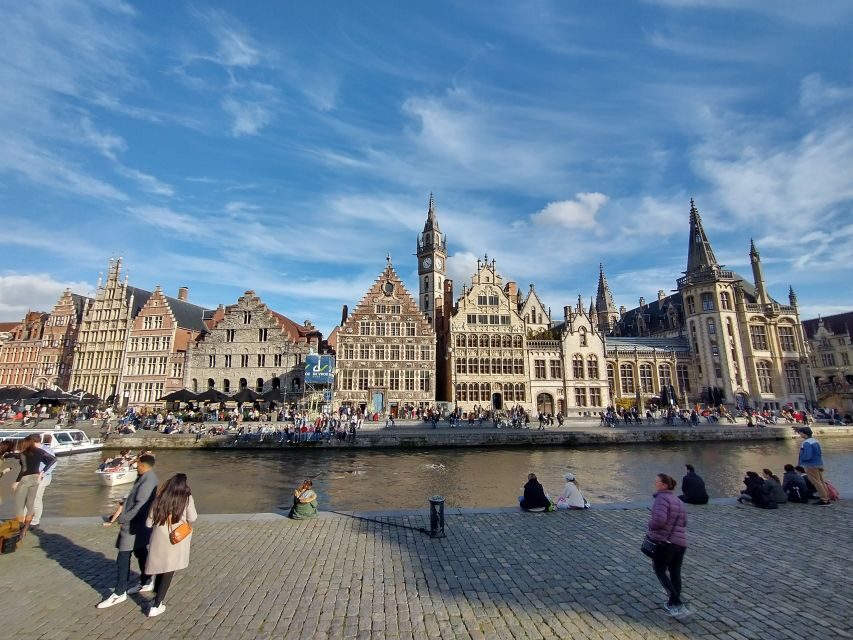
Graslei and Korenlei along the Lys: what to watch for
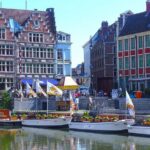
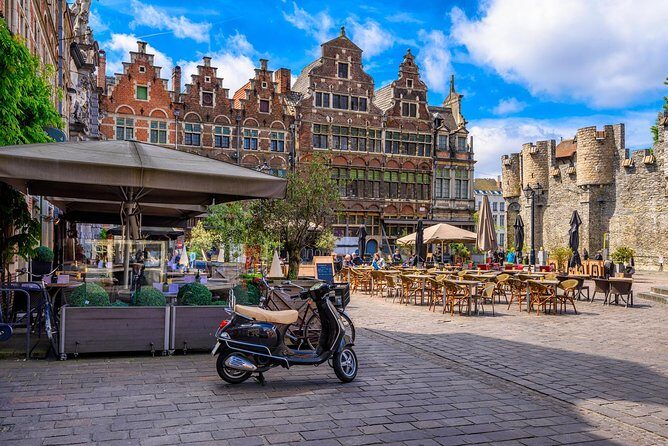
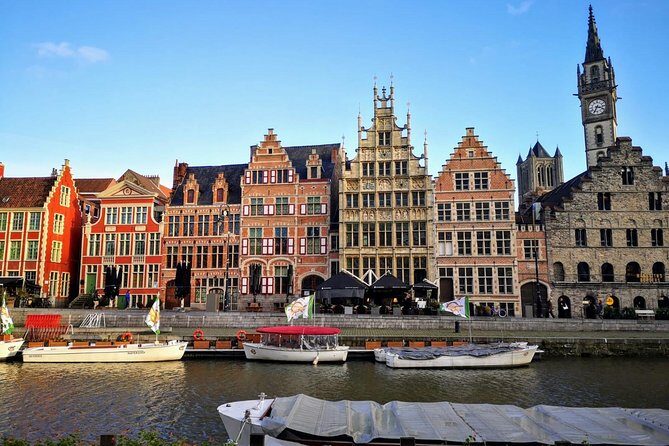
You’ll follow the river banks around Graslei and Korenlei. The guide points out major buildings along the canal and connects the scene to trade—like the “grain house” concept—and even mentions the current Marriott Hotel in one of these comparisons.
This stop is valuable because it teaches you to see the waterfront as economic infrastructure, not just scenery. If you only look at reflections in water, you’ll miss the city’s logic.
Then you reach OOOST, the meat house dating back to the 15th century, originally a covered market. It’s the kind of structure that makes you think, okay, Ghent worked. Not just posed.
A quick street stall stop at Kleine Vismarkt ties it all to food culture: you’ll learn about cuberdon, a famous sweet.
Ghent free time: use it like a local, not like a checklist
You’ll end the guided walk around Sint-Veerleplein, where you also get tips for where to eat and buy souvenirs, plus reminders about when and where to catch the bus back to Brussels.
Then you get about 1.5 hours of free time in Ghent. Use it to do one “big” thing and one “small” thing:
- one big thing: revisit St Bavo’s area, linger near the river, or do a slow street loop
- one small thing: a snack, a café sit-down, or a chocolate purchase if you didn’t do it earlier
This tour is designed so you don’t feel like you only touched the surface. But your free time is only effective if you don’t spend it hunting for the next landmark.
Price and value: is $54.45 fair for two cities?
At around $54.45 per person, you’re paying for more than entry tickets. You’re paying for:
- round-trip air-conditioned coach from Brussels
- a Spanish-speaking guide with guided segments in both cities
- organized timing so you can see a lot without independent transportation planning
- free time blocks that keep the day enjoyable rather than nonstop marching
If you were to DIY two-city day trip, you’d likely spend time coordinating trains or buses and still need a plan for what to see. Here, you trade some flexibility for guidance and efficiency.
The value is strongest for first-timers who want the most iconic photo scenes and a clear introduction to what they’re seeing. If you already know Belgium well and hate structured group timing, you might prefer a more flexible day.
The headphones/radio detail: a small item that affects comfort
In Bruges, local regulations mean you may use radio guides with headphones at times. The tour notes you can use a wired jack 3.5 mm headset; if you don’t have one, headphones may be available for €1.
This is worth planning for. Even if the guide is excellent, bad audio ruins attention. If you own a basic wired headset, bring it. If you don’t, consider buying/borrowing one before your trip so you don’t lose time.
Timing, pacing, and the “watch the order” reality
This day moves with a rhythm set by the guide and bus scheduling. The tour content is generally designed around the sites and stories mentioned, but your actual flow can vary depending on what the guide thinks is best for your group.
That’s why I recommend keeping expectations realistic: Bruges and Ghent in one day is a lot. Some people feel the day is long or that Bruges time feels tight; a few also reported that the day order can change. If you’re the type who needs the exact sequence to enjoy a trip, build in some flexibility.
Who should book this Bruges and Ghent day trip
Book it if you:
- want an efficient Brussels day trip without transport planning stress
- enjoy walking tours with a guide who explains what you’re looking at
- like the idea of two major medieval cities in one shot
- want practical shopping ideas, including chocolate
You might look elsewhere if you:
- need a slower, deeper Bruges experience with longer free time
- strongly prefer independent travel without group timing
- are very sensitive to crowd movement (even at 45 people max)
If you decide to go, I’d treat comfy shoes as non-negotiable. You’ll be on your feet through photo stops, squares, bridges, and river-bank areas.
Should you book this tour?
Yes, if your goal is to see Bruges and Ghent efficiently with a real guide and guided context—especially if it’s your first time in either city. The combination of coached transport, structured highlights (including St Bavo’s Cathedral and the Van Eyck Mystic Lamb), plus chocolate tasting and free time is a strong first-pass itinerary.
Think twice if you hate long days or you’re picky about having lots of time specifically in Bruges. In that case, you may end up wishing you had stretched Bruges into its own day.
If you book, do yourself a favor: pack a wired headset (3.5 mm), bring a light layer, and keep your timing instincts sharp when it’s time to return to the bus. Then you’ll get the best version of this “two cities, one day” trade: plenty of iconic sights with just enough freedom to make it feel personal.
FAQ
Where does the tour start and end?
It starts and ends back at the meeting point at Carrefour de l’Europe (1000 Bruxelles, Belgium).
What time does the tour begin?
The start time is 8:30 am.
How long is the tour?
It runs about 10 hours 30 minutes.
Are meals included?
No. Food and drink aren’t included, but the guide will share recommendations for places to eat.
Do I need a hotel pickup?
No. Pick-up and return to the hotel are not included. You meet at the Carrefour de l’Europe location.
What language is the guide in?
The guide is Spanish-speaking.
Do I need headphones or radios?
You may need to use radio guides with headphones in Bruges. You can bring wired headphones with a 3.5 mm jack, or you can buy headphones for €1 if needed.
How big is the group?
The maximum group size is 45 travelers.