REVIEW · ANTWERP
Antwerp: Help the Lost Boy – Self-Guided Mystery Walk
Book on Viator →Bookable on Viator
A lost boy story in the middle of Antwerp. This self-guided mystery walk turns Groenplaats into the start of a real-world plot, with your phone acting like a story guide as you chase answers through the Old Town. It’s part treasure hunt, part outdoor escape game, and part city stroll where the route feels like it’s unfolding around you.
I especially like the setup: you get 14 puzzle challenges that dole out directions step by step, so you’re not just wandering. I also like that it hits major sights like the Cathedral of Our Lady and Vlaeykensgang, but you experience them through problem-solving instead of standing there reading a plaque.
One thing to plan for: the game is built around completing challenges, and it can be hard to judge how much is left. If someone in your group can’t do parts of the walk or puzzle format, you may not get the full route experience.
In This Review
- Key highlights to decide fast
- What the Help the Lost Boy walk feels like, once you start moving
- Starting at Groenplaats: your phone setup is the real first step
- Getting the first clues in Antwerp’s Old Town streets
- Cathedral of Our Lady: why landmarks work better inside a puzzle
- Vlaeykensgang: the narrow passage that adds atmosphere
- How the 14 challenges guide you—plus when the format can frustrate you
- Timing, pacing, and how to avoid stress mid-mystery
- Price and value: why $4.62 can make sense for a 3.5-hour day
- Who this walk is best for (and who should think twice)
- Practical notes before you go (so Antwerp doesn’t win)
- Should you book Help the Lost Boy in Antwerp?
- FAQ
- How long does the self-guided Antwerp mystery walk take?
- Where do I start and where does it end?
- Do I need a live tour guide?
- What’s included with the price?
- What do I need to have ready on my smartphone?
- Can I cancel if my plans change?
Key highlights to decide fast

- Smartphone directions turn Antwerp streets into a story so you always know what to do next
- 14 puzzle challenges keep the walk from feeling like a simple sightseeing loop
- Cathedral of Our Lady and Vlaeykensgang are built into the route, not optional extras
- You can pause and resume whenever you need a snack stop or photo moment
- Private group format means it’s your crew moving through the mystery
- Great value for about $4.62 per person given the number of challenges and story content
What the Help the Lost Boy walk feels like, once you start moving
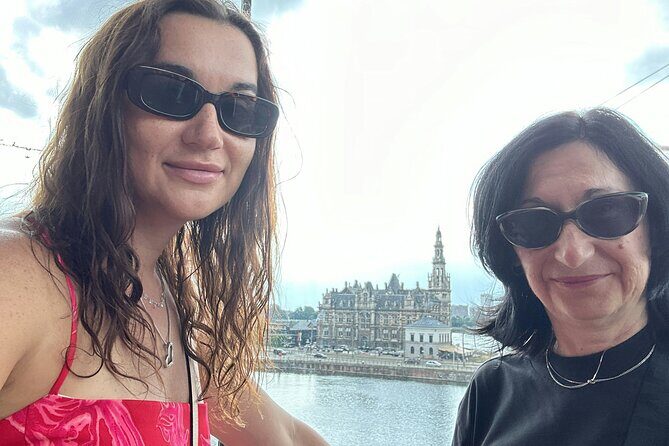
This isn’t a guided tour where someone talks at you while you shuffle between landmarks. It’s a guided experience where your smartphone shows the next step and you solve the puzzle to learn what comes next. In practice, that changes how Antwerp feels. Instead of thinking, Okay, I’m here to see that building, you’re thinking, What’s the clue? and Where does it lead?
The story hook is simple but effective: a confused boy stands alone, afraid and not sure where he belongs. As you follow cryptic clues, the plot gives meaning to what you’re seeing. It’s the kind of narrative that works well in a city like Antwerp because the Old Town has lots of corners, angles, and little details you’d usually zoom past.
Time-wise, it’s designed as a 3 hours 33 minutes walk (approx.). You’re given enough length to take your time, but it’s also short enough that you can fit it into a day without turning it into your whole itinerary.
You can also read our reviews of more guided tours in Antwerp


Starting at Groenplaats: your phone setup is the real first step
Your journey begins at Groenplaats, 2000 Antwerpen, Belgium, and the activity ends back at that same meeting point. That matters because you’re not committing to a one-way hike across the city. It’s more like a loop where you’re meant to return to your starting point after the mystery is solved.
Before you even step into the streets, get your tech ready:
- Use a fully-charged smartphone
- Download the app and create an account using the same email you used for your purchase
- Have your mobile access code ready
Also note the basics that help your day run smoothly: it’s near public transportation, and service animals are allowed. It’s also listed as suitable for most travelers, and the tour is private for your group.
If you’ve done self-guided games before, you’ll recognize the rhythm: read what your phone shows, find what you need on the ground or on buildings, answer or solve, then move on. If you haven’t, the good news is the directions are exact enough that you’re not constantly guessing where to go next.
Getting the first clues in Antwerp’s Old Town streets
Right away, the experience starts asking you to pay attention in a new way. You’re not just walking from sight to sight. You’re scanning streets for the small things the story points toward—details you might miss if you were only sightseeing.
The game’s structure does a helpful thing for you: it prevents aimless wandering. Exact directions on your phone guide you to the next location, and you unlock the next bit of story by finishing each challenge. So even if Antwerp feels busy or you’re traveling in a mixed group (kids, teens, adults), you’re all moving with a shared goal.
And you control the pace. The format is designed so you can stop for a coffee, take photos, or pause when you need a breather. That’s a big deal in a city day, because Antwerp isn’t just about museums. It’s also about lingering—looking, people-watching, and walking with breaks.
A practical tip: if you’re traveling with a group, decide early how you’ll work together. One person can read the phone step while another checks the surroundings. Then swap. It keeps the energy up and reduces the chance that one person ends up stuck doing all the puzzle work.
Cathedral of Our Lady: why landmarks work better inside a puzzle
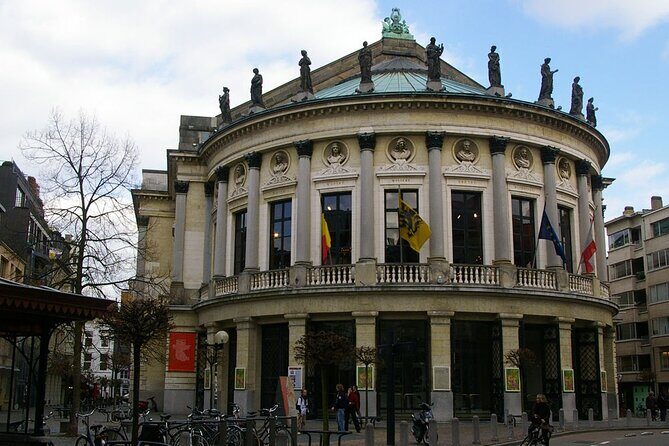
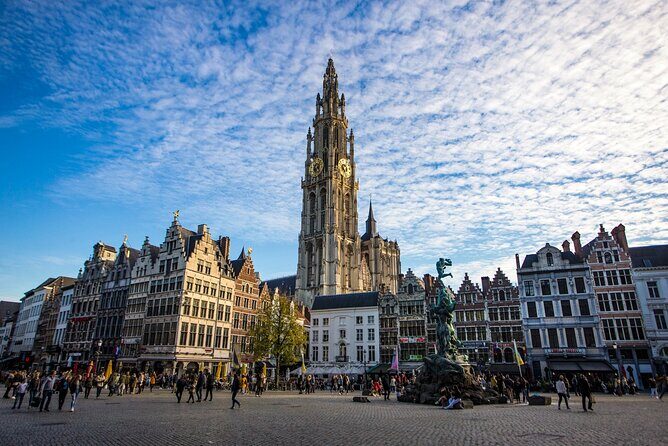
One of the most satisfying parts of this kind of game is that it turns a landmark moment into an earned moment. The Cathedral of Our Lady isn’t just something you pass on your way somewhere else. In this walk, it’s tied to the mystery, which means your attention stays engaged longer.
Here’s what that changes for you:
- You’re more likely to look for specific details because the story implies meaning
- You’re less likely to rush, because the next clue depends on what you notice
- The visit feels less like checking a box and more like solving a scene
It’s also a nice compromise for mixed travel styles. If one person wants classic sights and another person wants problem-solving, this route gives both. You’ll still see the cathedral, but you’ll also interact with it through the game’s challenges.
If your group hits a slow moment where you’re stuck on a clue, take a short reset. Step back, look again, and make sure you’re not skipping a phone instruction. Puzzle games like this reward careful reading more than guesswork.
Vlaeykensgang: the narrow passage that adds atmosphere
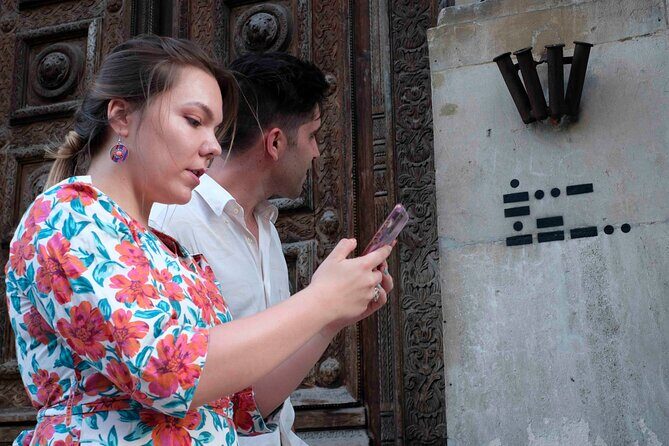
Vlaeykensgang is a different kind of Antwerp stop. It’s the sort of place that feels like it belongs in a mystery—tight, atmospheric, and visually distinct from the big open squares. When this kind of alley or passage becomes part of the route, it does something important: it makes the story feel physical.
You’re not just reading about clues. You’re moving through spaces that naturally create tension and curiosity. That can be great for:
- families who like a sense of adventure without speed pressure
- couples who want a shared activity that still includes real city atmosphere
- anyone who wants a new way to see Antwerp beyond the standard highlights
For your photos, this is often where the game energy turns into something memorable. If you pause to take pictures, just keep an eye on your phone instructions so you don’t lose your place. Small photo stops are encouraged, but you don’t want to spend so long that the puzzle part becomes frustrating.
A few more Antwerp tours and experiences worth a look



How the 14 challenges guide you—plus when the format can frustrate you
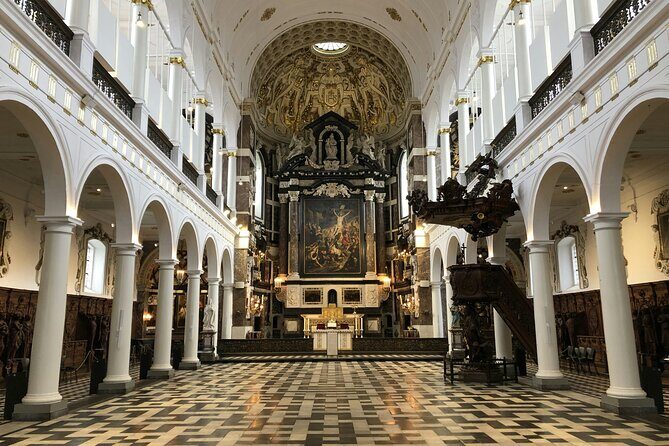
The walk includes 14 puzzle challenges, and each one feeds the storyline. That’s the core of the experience: it’s not only about where you go, it’s about what you do when you get there.
What’s strong about this setup:
- The experience naturally creates momentum. You’re always working toward the next step.
- It’s teamwork friendly. Even if people have different skills, the group can combine reading, searching, and answering.
- It gives you a reason to slow down and look.
Where you might run into trouble:
- If someone in your group can’t do certain puzzle steps or can’t keep up with the walking rhythm, it can affect the experience.
- You may not have a clear sense of total distance left. One practical frustration from a similar setup is not knowing how far remains, especially when you’re trying to support a person with mobility or accessibility needs.
If you’re worried about this, plan in advance:
- Build in extra time. Even if the walk is listed around 3h33, give yourself a buffer.
- Pair up. Put an able member with someone who needs help, so no one feels left behind.
- Treat pauses as part of the plan. Don’t wait until frustration hits.
Because the experience is designed around finishing challenges, skipping too much can also mean you miss parts of the route experience that the storyline is trying to connect.
Timing, pacing, and how to avoid stress mid-mystery
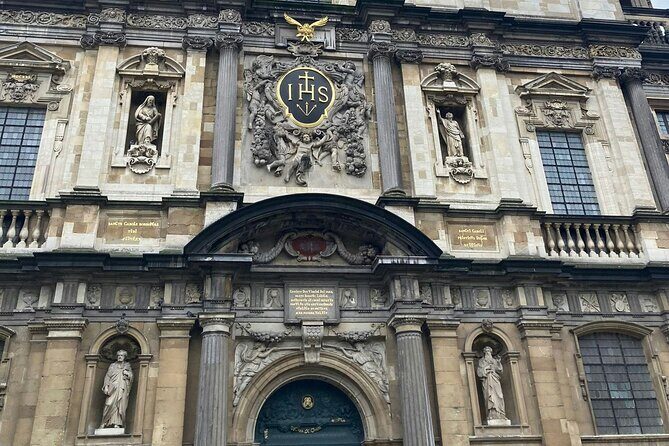
The experience is approximate 3 hours 33 minutes, and it’s self-paced. That combo sounds simple, but it’s worth being deliberate about your pacing so you don’t end the game rushing.
A good strategy:
- Start soon after you arrive and don’t “think about it” too long at the start. Get moving.
- When you hit a puzzle that slows you down, set a short goal like working it for 5–10 minutes, then re-read the phone instructions carefully.
- Take photos, yes, but keep them short. Antwerp gives you a lot of visuals, and it’s easy to drift off plan.
Also keep the meeting point fact in mind: the activity ends back at Groenplaats. If you need to be elsewhere at a specific time, you’ll want to account for the fact that the walk ends where it began, not at a random final landmark.
If you’re sensitive to knowing exactly how long is left, you might find the experience less comfortable than a tour with a fixed countdown. The best fix is time-buffering: assume you’ll need the full time plus a little extra.
Price and value: why $4.62 can make sense for a 3.5-hour day
The price listed is $4.62 per person, which is unusually low for a structured experience with 14 challenges and story content. What makes the price feel reasonable is that there’s no live guide cost built in—you’re using the smartphone app and code to run the experience.
Here’s where the value really comes from:
- You get multiple puzzle stops, not just a single activity.
- You get flexibility to pause/resume, which is helpful for families and anyone building in breaks.
- You cover real Antwerp streets and iconic sights as part of the game flow, not as separate add-ons.
You’ll also see value if you’re traveling in a group. Group discounts are mentioned, and a self-guided format can be a budget win compared with private guided tours.
One caveat: at this price, the experience quality depends on you being comfortable with self-guided tech. If you hate apps, or if your phone battery is always an issue, the value can drop fast.
Who this walk is best for (and who should think twice)
This is a strong fit if you like:
- walking while solving puzzles
- an emotional story thread that connects the route
- doing something active instead of only touring indoor sites
It’s also listed as ideal for families, friends, couples, or curious travelers. I agree with that general target. Kids and teens often like the challenge-and-discovery rhythm, and adults like that it gives structure to a city day without feeling rigid.
Where you might think twice:
- If your group needs a very predictable walking distance each step
- If someone can’t participate in puzzle challenges or needs frequent help getting to the next phone-guided stop
- If you prefer a classic guided tour with a person adapting to your pace
That last point is important. A self-guided game can be great, but it doesn’t have a human guide who can re-route around a difficulty on the spot. So if your group has complex accessibility needs, make sure you’re choosing the right type of experience and bring someone who can support the pacing and puzzle work.
Practical notes before you go (so Antwerp doesn’t win)
A few small things can make the difference between a smooth mystery and a frustrating one:
- Bring a fully-charged smartphone and consider a power bank if you’re using data or navigation constantly.
- Make sure you can access your app account using the email you purchased with. If you can’t log in, you lose the entire experience.
- Wear shoes that work for walking. It’s a walking adventure through the historic center.
- Use your group wisely: one reads instructions, one scans for clue elements, then switch.
And remember: you can stop. Antwerp is worth pausing for. A coffee break is not a failure of the plan—it’s part of the way this kind of experience is meant to work.
Should you book Help the Lost Boy in Antwerp?
Book it if you want a low-cost way to explore Antwerp with structure, story, and real landmarks tied to the plot. The 14 challenges and phone-guided steps are a good match if you like figuring things out as you go, and the route includes serious sights like the Cathedral of Our Lady plus the atmospheric Vlaeykensgang.
Hold off if your group needs a very predictable pace, strong accessibility accommodations, or a format where you can easily take in the route without completing challenges. Since the experience is built around finishing puzzles, the “do as much as you can” approach works best only if everyone can participate at some level.
If you’re looking for something more than a standard stroll—and you don’t mind relying on your smartphone for guidance—this one is an excellent value for an afternoon in Antwerp.
FAQ
How long does the self-guided Antwerp mystery walk take?
It’s listed at about 3 hours 33 minutes.
Where do I start and where does it end?
The walk starts at Groenplaats, 2000 Antwerpen, Belgium and ends back at the meeting point.
Do I need a live tour guide?
No. It’s self-guided, using a mobile access code and the app instructions on your phone.
What’s included with the price?
You get mobile access code access, 14 puzzle challenges, storyline content based on the Lost Boy, and the ability to pause and resume anytime.
What do I need to have ready on my smartphone?
You’ll need a fully-charged smartphone, plus you must download the app, create an account first, and use the same email you used to purchase.
Can I cancel if my plans change?
Yes, free cancellation is available. You must cancel at least 24 hours in advance for a full refund.