REVIEW · ANTWERP
Historical Walking Tour: Legends of Antwerp
Book on Viator →Operated by Legends Walking Tours of Antwerp · Bookable on Viator
Antwerp legends hit different on foot. This 2-hour historical walk turns big landmarks into story markers, from the heart of Grote Markt to the myth behind Nello & Patrasche. I like that it mixes medieval squares, Baroque art, and even Antwerp’s fashion pull into one practical route.
One thing to think about: you’ll spend a lot of time standing and listening, and on very hot or noisy days it can feel harder to follow—especially in a larger group (max 35).
In This Review
- Key things I’d watch for
- Walking Antwerp’s legends, stop by stop
- Price and what it really buys
- Where the tour starts: Grote Markt’s symbols and stories
- Hendrik Conscience Square: libraries, baroque drama, and ideas
- Carolus Borromeus Church: Rubens art tied to place
- Handelsbeurs Antwerpen: the world’s first Wall Street
- Rubens House and MoMu: your two optional “inside” decisions
- Rubenshuis
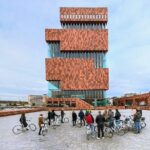
- MoMu – Fashion Museum Antwerp
- Museum Plantin-Moretus: UNESCO printing history in motion
- Vlaeykensgang: the medieval alley you almost miss
- Nello & Patrasche statue: the legend behind the photos
- Ending at the Cathedral of Our Lady: finish with a plan
- Walking pace, group size, and hearing the guide
- Which Antwerp traveler should book this
- Should you book Legends of Antwerp?
- FAQ
- How long is the Legends of Antwerp walking tour?
- Where does the tour start and end?
- What language is the tour offered in?
- Are entrance fees included for all stops?
- What should I bring?
- What is the cancellation window?
Key things I’d watch for
- Grote Markt first: you start right in the city’s visual center, with the City Hall and Brabo Fountain in context
- Rubens-related stops in the walking flow: Baroque church art plus later Rubens House (with an admission decision)
- Trading history at Handelsbeurs Antwerpen: Antwerp’s Golden Age explained at the world’s first Wall Street
- UNESCO printing at Museum Plantin-Moretus: books and presses shown as part of the city’s identity
- Vlaeykensgang gets you off the main streets: a medieval alley you’d likely miss on your own
- Nello & Patrasche is a story magnet: the statue draws visitors, including many from Asia, for its legend
Walking Antwerp’s legends, stop by stop
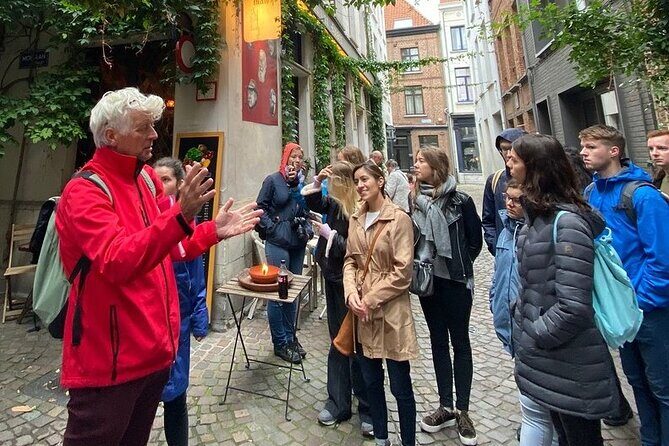
If Antwerp feels like it has layers, this tour is designed for that. You’re not just collecting photos. You’re learning how the city’s money, religion, art, and stories connect—often in the same block you’re already looking at.
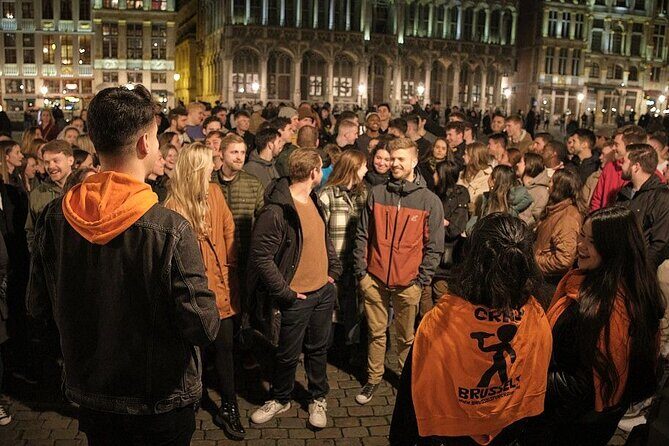
The format is simple. You move through the historical center on foot with a guide in English, using a mobile ticket. The group size is kept to a maximum of 35, so it’s big enough to meet people, but still small enough for a real guided rhythm. You’ll also get local pointers at the end—handy if Antwerp is your one-day city, or if you’re planning a longer stay.
You can also read our reviews of more walking tours in Antwerp

Price and what it really buys
The price shown is $3.62 per group (up to 6), which is unusually low for a guided, multi-stop walking tour. That usually signals one of two things: the tour is meant to be accessible, and/or you’re expected to tip separately. Either way, I’d plan to be generous if the guide does a good job. This is one of those experiences where the guide’s delivery matters, because the whole point is storytelling tied to specific corners of the city.
Also note: some stops are included without extra entry, but a couple are explicitly not included. So your final cost can depend on how you handle Rubens House and the Fashion Museum (MoMu) if you want to go inside.
Where the tour starts: Grote Markt’s symbols and stories
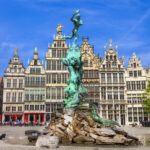
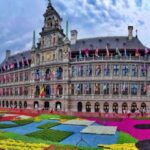
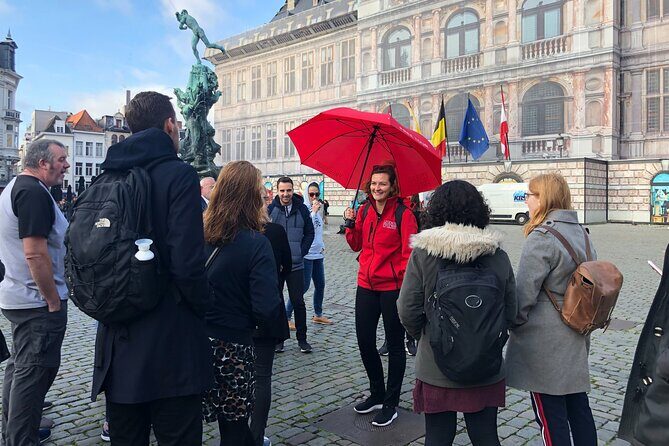
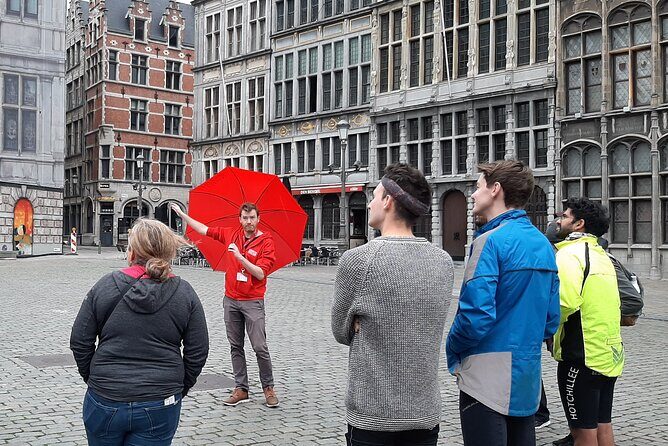
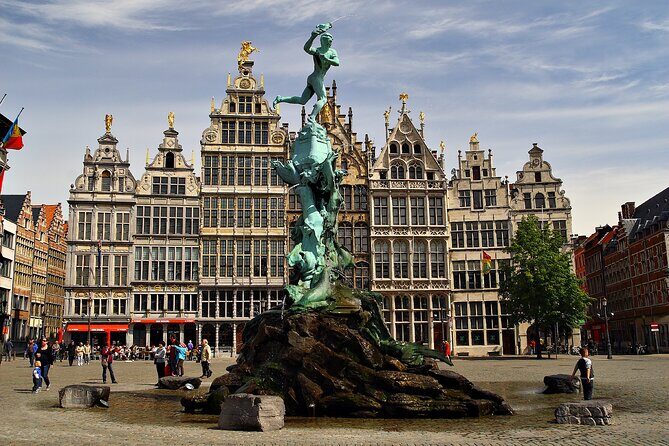
You begin at Grote Markt, Antwerp’s civic and visual core. This is where the city shows off. The square is framed by gorgeous medieval guild houses, and you’re also looking at major civic landmarks like the City Hall.
The Brabo Fountain sits in the middle, and that’s where the guide’s job really kicks in. You don’t just see a monument; you understand the legend attached to it and how that story fits into Antwerp’s identity. It’s a strong opener because it gives you a mental map for everything that follows. Once Grote Markt makes sense, the rest of the walk clicks faster.
You’ll spend about 10 minutes here, so the pacing is light. It’s enough to orient you without turning the tour into a long lecture.
Hendrik Conscience Square: libraries, baroque drama, and ideas
Next comes the Hendrik Conscience Statue area. The name matters here. Conscience was a key Flemish writer, and the square around him is described as an architectural and intellectual treasure.
What I like about this stop is that it widens the lens. Antwerp isn’t only churches and markets. It’s also literature, education, and the kind of cultural pride that shapes a city’s self-image. The guide points you toward the baroque church presence and also the old city library nearby, so you start seeing Antwerp as a place where ideas mattered, not just commerce.
This is a quick stop, around 5 minutes, but it works well as a transition from the grand square into the art-heavy streets that follow.
Carolus Borromeus Church: Rubens art tied to place
Then you hit the Carolus Borromeus Church, a 17th-century Baroque church where Rubens is a big deal. The tour frames it as famous as a Rubens masterpiece, and it notes that his contribution is significant—paintings, interior decoration, and even elements connected to the facade.
For you, this is the payoff if you like art that has context. Rubens is not floating around as a name; you get how his work connects to the building. That makes it easier to understand why people come to churches in Antwerp, even if they don’t call themselves museum people.
The church visit is included during opening hours, so if you book later in the day on a date when opening times might be tighter, keep that timing in mind.
You can also read our reviews of more historical tours in Antwerp



Handelsbeurs Antwerpen: the world’s first Wall Street
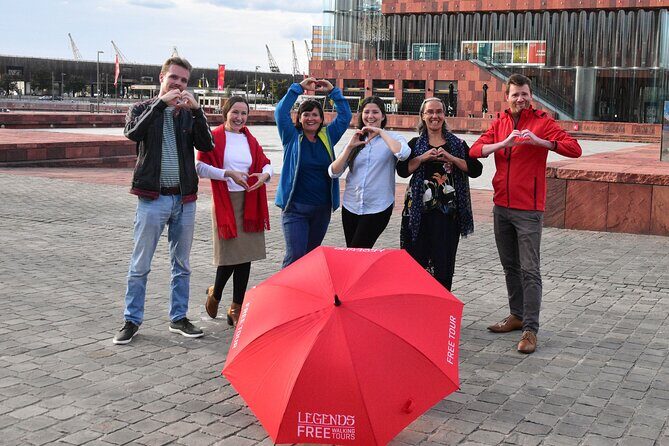
The next stop is Handelsbeurs Antwerpen, the Bourse of Antwerp. The tour positions it as the world’s first Wall Street, and it uses that hook to explain Antwerp’s Golden Age and why the city became a major international trading center in the 16th century.
This is one of those places where history feels physical. You’re standing in a building that was built for exchange and reputation. When the guide connects trade to everything you’ve already seen at Grote Markt—wealth, guilds, monuments—it stops being abstract.
This stop runs around 10 minutes, and the visit is included during opening hours. If it’s a day with more crowds, this is where the guide’s pacing skills matter. A good guide keeps the group moving while still letting you look up.
Rubens House and MoMu: your two optional “inside” decisions
Two stops come with a clear note: admission is not included.
Rubenshuis
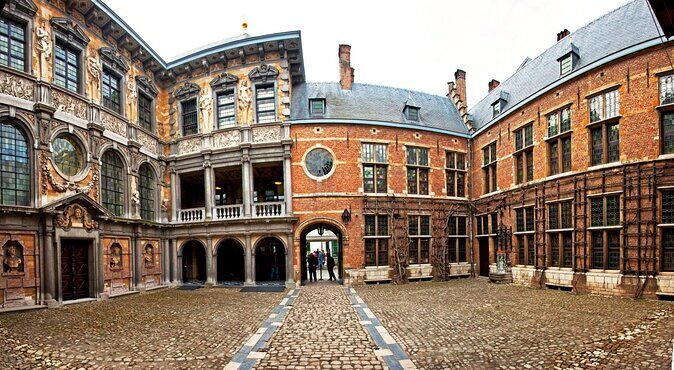
At Rubenshuis, you’re at the former home and workshop of Peter Paul Rubens. The tour gives you his life story and the kinds of secrets behind his success. That line matters, because Rubens House is not just “see the guy.” It’s how a workshop became a machine for reputation, commissions, and output.
If you’re a Rubens fan, this is worth budgeting for. If you’re not, you can still enjoy the area and the lead-in story, then decide whether the time and added entry cost make sense for your day.
MoMu – Fashion Museum Antwerp
Next is MoMu, the Fashion Museum Antwerp, tied to why Antwerp became a fashion capital. The tour passes through the designer’s quarter and explains the city’s fashion pull, plus where you might go for shopping afterward.
This works best if you want Antwerp to feel modern as well as historical. You’ll already have the city’s money-and-art background; fashion is the cultural continuation of that creative identity.
Museum Plantin-Moretus: UNESCO printing history in motion
Then you get a stop that stands out for sheer specificity: Museum Plantin-Moretus. The tour describes it as a real hidden gem and also says it was the first museum listed as a UNESCO World Heritage site.
Here’s what makes this visit valuable for you: it’s the history of books and printing, explained through the physical evidence of the workshop and production era. Printing wasn’t just technology; it changed who could know what, and how ideas spread across Europe. When a guide points out what the site represents, you start looking at text and images as part of a system, not as trivia.
There’s also mention that the museum’s historical garden is usually included during opening hours. So you may get a break from city streets and a calmer, greener contrast—good for your legs and your brain.
Vlaeykensgang: the medieval alley you almost miss
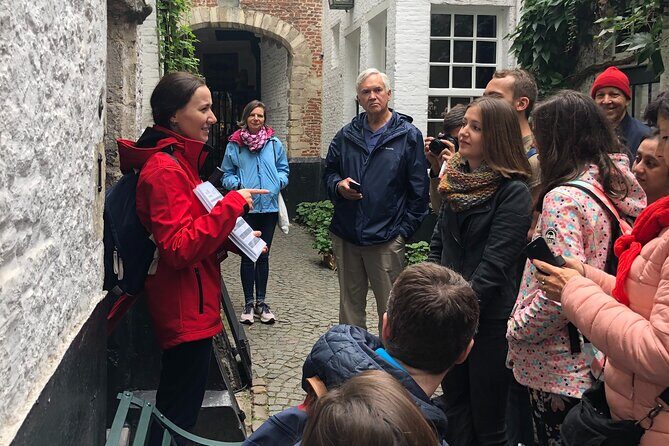
Now comes a street moment: Vlaeykensgang. This is described as the best preserved medieval street of Antwerp, and it’s called a little alley that isn’t easy to find on your own. The guide walks you through it and takes you back to the Middle Ages.
I love stops like this because it’s the opposite of the grand square. It’s narrow, quiet, and picture-perfect in a way that doesn’t feel forced. The tour also notes it’s said to be the most photographed spot in the city. That tracks—this is the kind of place where the camera finds your hands for you.
It’s another about-10-minutes stop with free entry, which keeps the pace moving while still giving you a real taste of Antwerp’s older street fabric.
Nello & Patrasche statue: the legend behind the photos
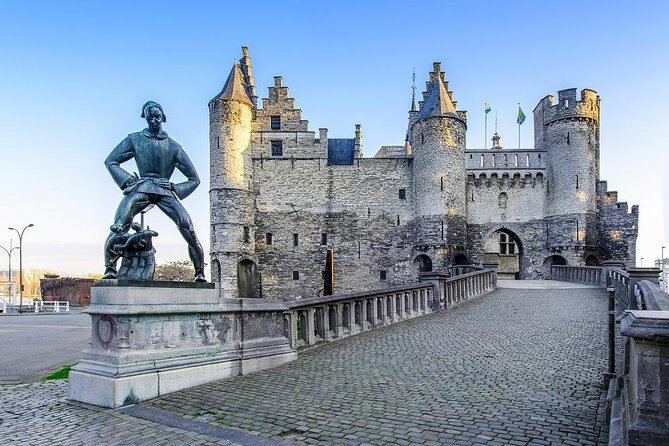
Near the end you reach Nello & Patrasche Statue. This is one of those moments where locals might not talk about it daily, but tourists absolutely do.
The tour’s framing is that the story behind Nello and Patrasche is the reason for many visitors—mostly Asian tourists—who come to Antwerp specifically for this statue. The guide will share the legend, so the sculpture becomes more than decor. It turns into a plot you can remember.
The time is short (about 5 minutes), but for many people this becomes the emotional highlight. It’s not a huge monument; it’s a story you can carry.
Ending at the Cathedral of Our Lady: finish with a plan
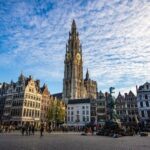
You end in front of the Cathedral of Our Lady, with history and curious facts about its construction. This is a natural closer. After you’ve moved from commerce to churches to alleyways, the cathedral feels like the final big statement: Antwerp at its most dramatic.
The tour ends after about 15 minutes, and importantly, your guide provides recommendations to help you plan the rest of your stay. That’s where you can turn a two-hour overview into a full day—or even a whole trip.
If you’re the kind of traveler who likes to return to places you’ve learned, this ending helps. You’ll know what to look for next without feeling lost.
Walking pace, group size, and hearing the guide
This is a walking tour, so comfortable shoes are not optional. The tour explicitly asks for them, and the route includes several church and museum-adjacent areas where you might stand in sun or crowds while the guide explains details.
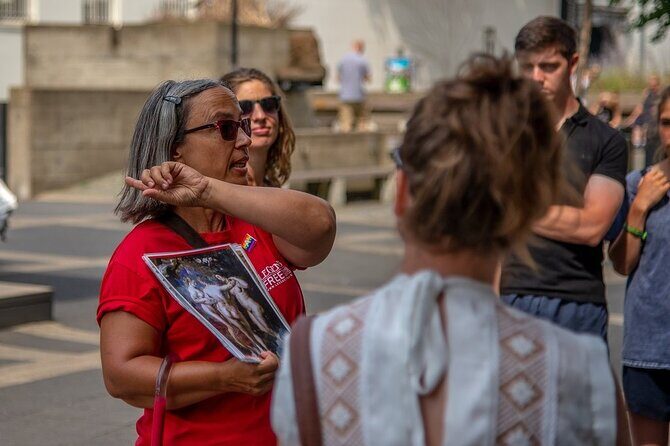
One review-based consideration showed up clearly: it can be tough to hear in larger groups, especially with background noise, and there was a suggestion that some headset systems used by other tours would help. So if you know you struggle with hearing on street tours, pick seats near the front of the group and position yourself so the guide is facing you.
Also, the tour lasts about 2 hours, and the stops are roughly 10 minutes each on average, so you’re not stuck for long at any one place. Still, the standing adds up.
Which Antwerp traveler should book this
This tour is a strong match if:
- You want a fast, guided orientation to Antwerp’s historical center
- You like hearing how legends attach to monuments (not just reading plaques)
- You want a mix of art and culture, including Rubens-linked places and fashion context
- You’re museum-curious but don’t want to choose between five options on your own
It may be less ideal if:
- You need lots of sitting time, or you get uncomfortable standing in sun
- You plan to visit multiple optional paid interiors and you want the tour to handle that for you (it won’t—Rubens House and MoMu admissions are not included)
That said, you can always treat the non-included stops as browse stops: you get the story either way, then decide whether to pay for the inside.
Should you book Legends of Antwerp?
Yes—if you want a guided hit of Antwerp’s core stories in one short session. The value is strong given the low group price and the fact that many stops are free at the listed times, with key sites like Grote Markt, Rubens-linked church, Handelsbeurs, Plantin-Moretus, and Vlaeykensgang handled as a cohesive route.
I’d book it early in your trip if possible. That way, you leave with both a map in your head and a sharper sense of what to prioritize—whether that’s art, architecture, or the legend you’ll want to see again at night when the streets change mood.
FAQ
How long is the Legends of Antwerp walking tour?
It runs about 2 hours.
Where does the tour start and end?
It starts at Grote Markt, 2000 Antwerpen and ends at Handschoenmarkt, 2000 Antwerpen.
What language is the tour offered in?
The tour is offered in English.
Are entrance fees included for all stops?
Most stops are free, and some visits are included during opening hours. However, Rubenshuis and MoMu – Fashion Museum Antwerp are listed as admission not included.
What should I bring?
Bring comfortable shoes. The tour is a walking experience with standing at multiple stops.
What is the cancellation window?
You can cancel for a full refund if you cancel at least 24 hours before the experience’s start time.