REVIEW · ANTWERP
Antwerp: Historical Walking Tour in the Old City
Book on GetYourGuide →Operated by Urban Insight Tours · Bookable on GetYourGuide
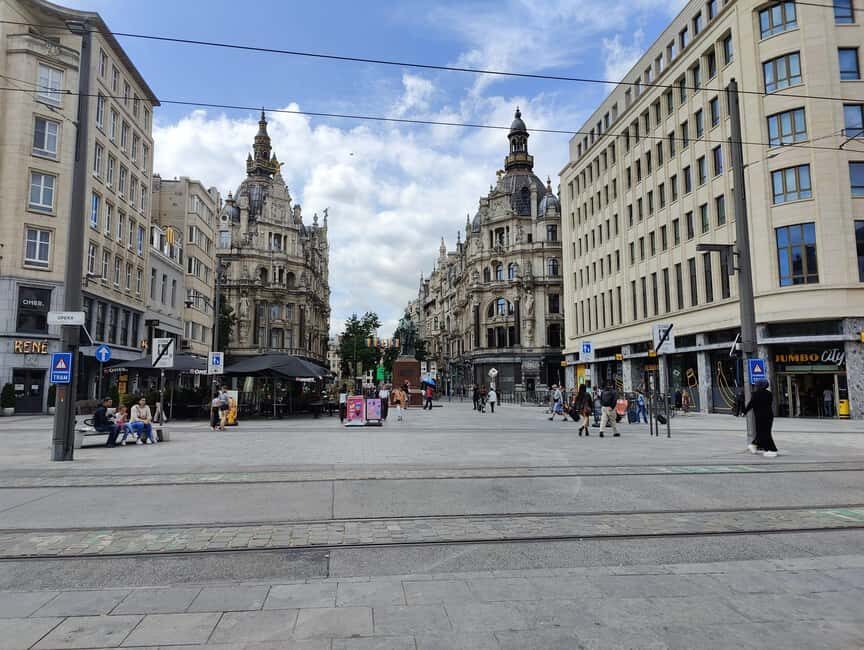
Antwerp’s legends start right at the water. This 2-hour historical walking tour gives you a fast, satisfying look at the Grote Markt and the Handelsbeurs, with a guide who turns stone and street corners into real stories. I also like how it mixes major landmarks with smaller side streets and insider stops. One thing to consider: it’s a walking tour with short time windows, so if you’re expecting lots of inside time for every stop, plan accordingly.
You’ll cover medieval walls and power shifts you can actually see: castle origins at Het Steen, guild life at the old butcher house (Vleeshuis), and Antwerp’s trading clout at the Handelsbeurs. Guides can include folks like Sergio, Joeren, Shabnam, Joris, Carlos, and Anna-Lena—each praised for humor, good pace, and clear answers. If you’re visiting for a first pass, this is a practical way to get your bearings fast.
In This Review
- Key things I like about this Antwerp Old City walk
- Old Antwerp on foot in 2 hours: what this tour actually delivers
- Starting at Het Steen near Lange Wapper: finding your group
- Het Steen and the first myths: castle roots to Roman and Spanish eras
- Vleeshuis: a butcher guild house that shows how commerce shaped Antwerp
- Grote Markt and the city center power line
- Saint Carolus Borromeus Church and the Conscienceplein area
- Handelsbeurs and trading Antwerp: why the city got so big
- Boerentoren, Groenplaats, and the quieter lanes like Vlaaikensgang
- Cathedral of Our Lady and ending at Handschoenmarkt
- Price and value: what you’re really paying for at $3.52
- Guide style and pacing: why it works even on a first visit
- What to pack and how to plan your day around this walk
- Who should book this Antwerp Old City walking tour?
- Should you book it?
- FAQ
- Where do I meet the guide?
- How long is the Antwerp Old City historical walking tour?
- Is the tour offered in English?
- Is the tour wheelchair accessible?
- What does the price include?
- Do I need to pay the full amount right away?
- Are guides employees or volunteers?
- Is there free cancellation?
Key things I like about this Antwerp Old City walk
- A tight 2-hour route that hits the big names without turning into a full-day mission
- Grote Markt focus so you understand why the square became Antwerp’s center
- Handelsbeurs stories that explain what made Antwerp such a heavyweight in trade
- Stops off the main drag, like Vlaaikensgang, where you see a different side of the city
- Guides who answer questions and share useful suggestions for what to do next
- A small surprise at the end, because not every tour should end like a checkbox
Old Antwerp on foot in 2 hours: what this tour actually delivers
This tour is built for the first morning or first afternoon in Antwerp. In two hours, you get the bones of the city: the medieval layout, the places where power and business played out, and the religious landmarks that shaped daily life. It’s not the kind of tour where you only get photos. You also get context, so the sights make sense once you walk away.
I like the pacing because it’s meant to keep you moving while still leaving room for questions. The guides tend to steer with confidence and humor, so even if your history reading ends at a museum placard, you’ll still feel carried along. And because it’s walking, you’ll experience what Antwerp feels like underfoot—cobblestones, narrow lanes, and wide squares that change the mood in seconds.
You can also read our reviews of more walking tours in Antwerp


Starting at Het Steen near Lange Wapper: finding your group
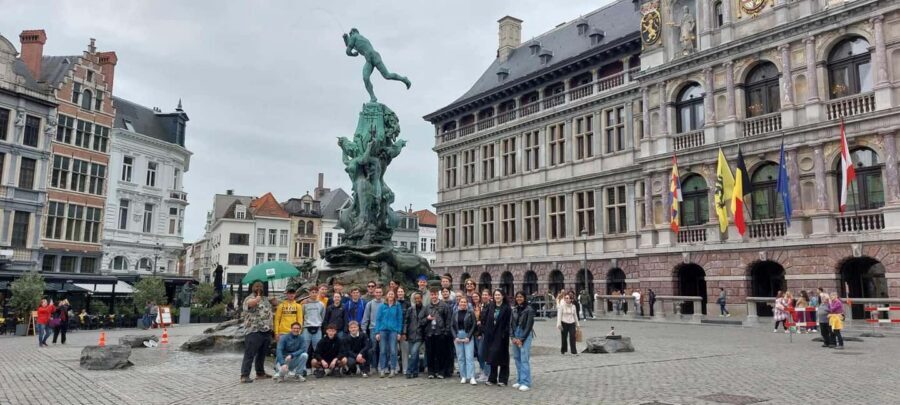
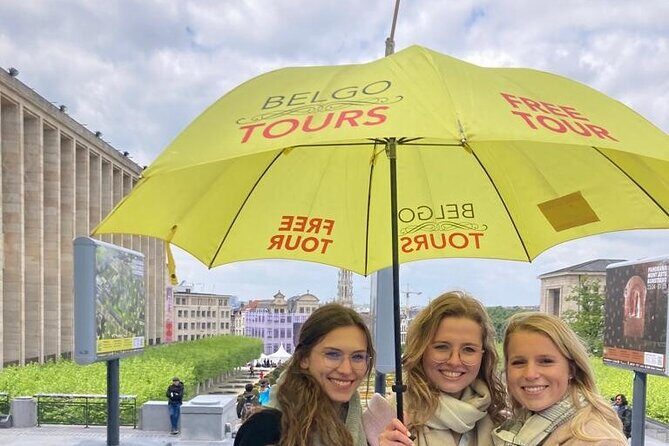
The official meeting point is in front of Het Steen, the castle of Antwerp. You’ll be by the statue of Lange Wapper, next to the bridge toward the castle. Look for the Urban Insight Tours guide holding a green/blue umbrella or green/blue flag, and you’ll be set.
Why this matters: Het Steen sits at a key point where Antwerp’s story starts to feel physical. Even if you only know Antwerp for chocolate or fashion, you’ll quickly see the strategic reason this area mattered. It also helps that the meeting spot is a recognizable landmark, not some vague corner on a side street.
Tip: wear comfortable shoes. Antwerp’s Old City is made for walking, but the cobblestones won’t do you favors if you’re in stiff or slippery footwear.
Het Steen and the first myths: castle roots to Roman and Spanish eras
The first stop is Het Steen itself, with time set aside to understand what you’re looking at. Expect the guide to connect the castle area to broader turns in Antwerp’s past—references to Roman conquerors, Spanish rulers, and the medieval period that shaped much of what you see today.
What makes this start work is the way it frames everything that comes next. When you later pass squares, guild buildings, and trading halls, you’ll catch the pattern: Antwerp wasn’t just pretty; it was organized, defended, and economically ambitious.
If you’re someone who likes stories with a spine, you’ll probably enjoy how the guide weaves legends and local lore into the big historical shifts. It’s also a helpful moment to ask questions early, since the guide can tailor explanations as the walk continues.
Vleeshuis: a butcher guild house that shows how commerce shaped Antwerp
Next up is Museum Vleeshuis. This building started life as a guild house of the butchers, and you’ll get that context while you’re there. Even if you skip museum time, the exterior and the location tell you a lot. Guild buildings were about power and regulation—who could sell what, where, and how quality was controlled.
Why I think this stop is worth it: it keeps the tour from being only about rulers and cathedrals. You get the everyday engine of the city—trade made by real people with real jobs. And because Antwerp’s Old City is compact, the idea of guild power lands fast.
Short visit note: it’s not a long museum detour here, so treat it as a historical orientation stop that primes you for the trading stops later.
Grote Markt and the city center power line
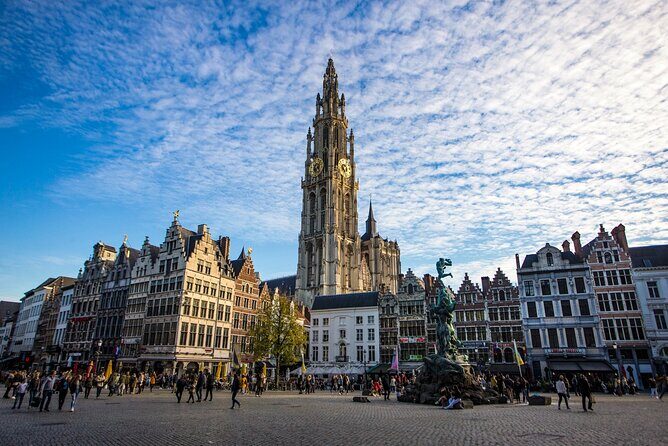
You’ll spend focused time at Grote Markt, the beating heart of Antwerp’s historic center. This is where the city hall and surrounding architecture create a kind of open-air “how it worked” lesson. The square isn’t just scenery—it’s the stage for civic life, wealth, and public identity.
What you’ll likely take away from this stop:
- how the layout supports gathering and business
- why Antwerp’s main square mattered politically
- how the medieval city still organizes your sense of direction
This is also a great place to pause mentally and look around. Antwerp’s details reward you when you slow down for a minute—carved stone, repeating patterns, and the way major buildings line up across the square.
You can also read our reviews of more city tours in Antwerp





Saint Carolus Borromeus Church and the Conscienceplein area
As you move through the next central blocks, the tour includes Saint Carolus Borromeus Church with a guided portion, plus time at Hendrik Conscienceplein and the Heritage Library Hendrik Conscience.
This is where the tour broadens beyond medieval civic life into cultural identity. The guide’s job here is to connect architecture and names to the people behind the stories. If you like learning how a city preserves its memory, these stops tend to hit well, especially when the guide shares what to notice instead of just listing facts.
It’s also a good zone for questions. If you’re wondering what you should prioritize after the tour—cathedral views, museums, or food areas—this middle stretch is usually where the guide can steer you without slowing the group down too much.
Handelsbeurs and trading Antwerp: why the city got so big
One of the tour’s strongest moments is the guided visit related to the Handelsbeurs. This building has served as a busy trading place for centuries, and the guide explains what that meant in day-to-day terms: commercial traffic, money, connections, and the kind of confidence a port city builds when trade is working.
Why this part of Antwerp matters: Antwerp became important because it understood movement—goods, people, and ideas. The Handelsbeurs is the physical clue. You’ll see how Antwerp’s grandeur wasn’t only about monuments; it was about business infrastructure.
If your travel style is practical, you’ll like this stop most. It helps you understand why later you’ll see other signs of prosperity around town.
Boerentoren, Groenplaats, and the quieter lanes like Vlaaikensgang
The walk continues past Boerentoren (with a short visit time) and through Groenplaats with guided attention. These sections don’t always get the same postcard attention as the cathedral or the main square, but that’s exactly why they’re useful. You start to see Antwerp as a working city, not just a museum grid.
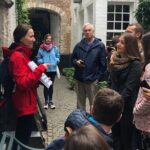
Then comes Vlaaikensgang, a guided walk through a narrow, atmospheric passage. This is the kind of place where the city’s scale changes, and you feel the contrast between grand facades and small human-scale streets. It’s also the sort of stop where the guide’s storytelling helps you picture everyday life in earlier centuries.
If you’re the type who enjoys small surprises, this stretch tends to be memorable. It’s also a nice break from wide open squares, especially if you’ve been walking all morning.
Cathedral of Our Lady and ending at Handschoenmarkt
The tour finishes with a guided visit connected to the Cathedral of Our Lady Antwerp, then walks you to the Handschoenmarkt. You’ll get a final hit of Antwerp’s religious and artistic presence, with the guide pointing out what to notice so you don’t just see a large building—you understand why it matters.
The Handschoenmarkt finish is also a practical choice. It positions you to keep exploring on foot afterward instead of leaving you stranded far from the action. You can use the last minutes as a mental checklist: what did you want to look at again, and what should you skip because you already got the meaning?
And yes, there’s a little surprise at the end. Even if you don’t know what it is in advance, it’s a reminder that this tour is designed to end on a friendly note, not a rushed good-bye.
Price and value: what you’re really paying for at $3.52
At $3.52 per person for a 2-hour walking tour, the value comes from three things:
1) Coverage: you hit major sights plus the connecting streets that explain how the city works.
2) Guidance: you don’t just look at buildings; you get stories, local context, and direction.
3) Recommendations: the guide includes personal suggestions about bars, restaurants, museums, and events.
Also important: the guides are volunteers who offer tours for tips. The fee you pay here covers booking through the platform, not a full wage. That means your experience depends heavily on the guide’s effort—and the reviews and feedback patterns around guides like Sergio, Joeren, Shabnam, Joris, Carlos, and Anna-Lena suggest they put real energy into it.
If you want the tour to feel fair to the guide, think about tipping based on how much you enjoyed the storytelling and how well questions were handled.
Guide style and pacing: why it works even on a first visit
The guides on this tour tend to be conversational and animated. You’ll likely hear legends, naming stories, and explanations of how different eras left their mark. You also tend to feel the group is guided with care: a pace that keeps momentum, but not so fast that you can’t keep up or ask something in the moment.
A practical heads-up: one common complaint levelled at tours like this is that sometimes you only get quick looks at buildings and can’t spend much time entering or lingering. If your goal is to go inside every site for a long time, this may feel a bit short at certain stops. On the other hand, it’s exactly why the tour fits into two hours and still covers many locations.
My best advice: treat this as orientation and story time. Then pick one or two favorites afterward for a longer, unhurried return.
What to pack and how to plan your day around this walk
Because it’s a historical walking tour through cobblestones and squares, your comfort matters more than usual. Bring:
- comfortable walking shoes
- a light rain layer or umbrella in shoulder seasons (Antwerp weather can change fast)
- water, since you’ll be out for about two hours
Timing-wise, I like doing this early in your trip. You’ll leave with a mental map and a short list of where you want to go again. If you’re doing Antwerp in a day, this tour also helps you avoid the classic mistake of chasing random landmarks without learning why they’re connected.
And because the guide usually shares personal suggestions for food and what to do next, you can use that information immediately for lunch or a follow-up visit later the same day.
Who should book this Antwerp Old City walking tour?
This tour is a strong match if you:
- want an efficient first look at Antwerp’s historic core
- enjoy legends and local lore alongside major landmarks
- like getting practical recommendations for what to do right after your tour
- are traveling in English and want a clear, live guide
It might be less perfect if you:
- need long indoor time at every stop
- hate walking on cobblestones
- prefer self-guided museum-style visits where you control every minute
Should you book it?
Yes, if you want a smart, story-led orientation to Antwerp in about two hours. For the price, you get a route that connects major sights like Het Steen, Grote Markt, and the Cathedral of Our Lady with the business history you’d otherwise miss—especially at places like the Handelsbeurs.
Book it early, keep shoes comfy, and go in with one mindset: you’re learning the city’s logic, not just collecting photos. Then use what the guide shows you to plan the rest of your day with confidence.
FAQ
Where do I meet the guide?
Meet in front of Het Steen, the castle of Antwerp, next to the statue of Lange Wapper and by the bridge toward the castle. Look for the Urban Insight Tours guide with a green/blue umbrella or green/blue flag.
How long is the Antwerp Old City historical walking tour?
The tour duration is 2 hours.
Is the tour offered in English?
Yes, the live tour guide speaks English.
Is the tour wheelchair accessible?
Yes, the walking tour is wheelchair accessible.
What does the price include?
The included items are a guide, the walking tour, a tourist guide, personal suggestions about bars, restaurants, museums and events, and a little surprise at the end.
Do I need to pay the full amount right away?
You can reserve now and pay later, meaning you can book and pay nothing today.
Are guides employees or volunteers?
Guides are volunteers. The fee covers the cost of booking via the platform.
Is there free cancellation?
Yes. You can cancel up to 24 hours in advance for a full refund.