REVIEW · ANTWERP
Antwerp: ZOO Entry Ticket
Book on GetYourGuide →Operated by KMDA · Bookable on GetYourGuide
Antwerp ZOO is a short walk from the city’s pulse. This is one of those days where you can go at your own pace, enjoy an outdoor park, and still get structured moments like keeper talks and feeding time. I love that it’s both family-friendly and education-heavy, without feeling like homework.
What also hits me in the best way is the variety: you’ll find everything from the Valley of the Great Apes to big savanna spaces, plus areas like the Egyptian Temple and Hippotopia. And the zoo’s scale matters here, with 10.5 hectares of grounds and 7,000+ animals (including the sister park Planckendael).
One consideration: the ticket is not food-included, and during winter months some animals may spend more time indoors, so you’ll want a flexible plan for what you see when.
In This Review
- Key things to know before you go
- Antwerp ZOO: A historic outdoor park that fits a real day plan
- Ticket value: what $39 really buys you
- Getting there from Antwerp Central Station (and why it matters)
- The zoo layout: how to structure your day on 10.5 hectares
- Great Apes and the Valley of the Great Apes
- Savannah views: Buffalo Savannah, birds, zebras, and rhinos
- Lions and the nearby playground: a rare “two wins” setup
- Egyptian Temple and Hippotopia: elephants and hippos up close
- Aquaforum, the renovated reptile house, and the old aquarium
- Keeper talks and feeding time: learning in Dutch
- Food and breaks: how to keep the day easy
- Rules that affect your experience
- Winter planning: indoor enclosures can change what you see
- Who Antwerp ZOO Entry is best for
- Should you book Antwerp ZOO entry?
- FAQ
- Where is Antwerp ZOO located?
- How much is the Antwerp ZOO entry ticket?
- How long is the ticket valid?
- What kinds of animals can I see?
- Are keeper talks and feeding time included?
- What language are keeper talks and feeding time in?
- Can I feed or touch animals?
- Are pets allowed?
- Is food included with the ticket?
Key things to know before you go
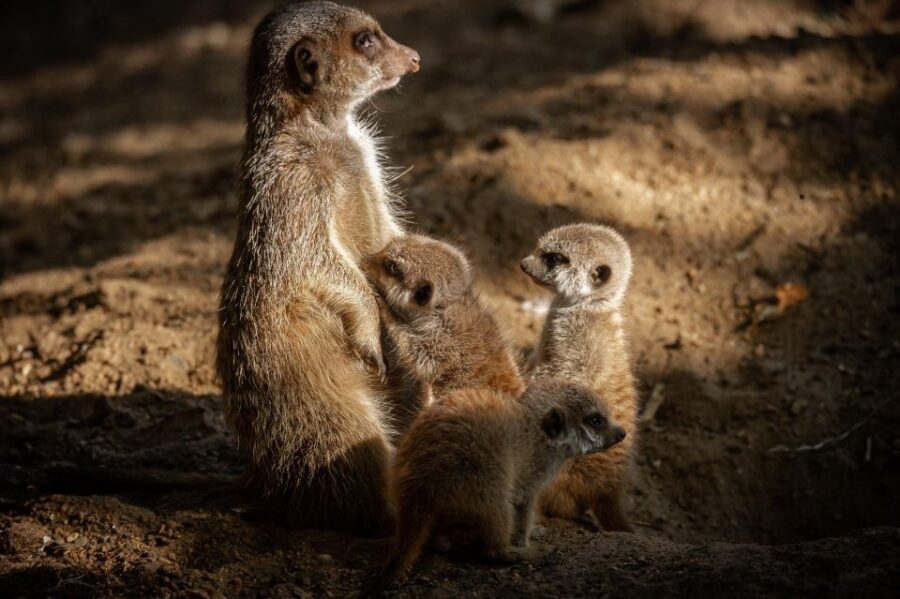
- Over 5,000 animals across lots of species, so you won’t run out of things to look at
- Next to Antwerp Central Station, which makes this an easy add-on day
- Keeper talks and feeding time in Dutch, so plan on watching and listening without translation
- Historic Antwerp ZOO since 1843, with classic exhibits alongside newer spaces
- Outdoor-heavy experience, but winter can mean more time in indoor enclosures
- No pets, and no feeding or touching animals, so it stays safe and calm
Antwerp ZOO: A historic outdoor park that fits a real day plan
Antwerp ZOO has the kind of setting that makes you want to wander, not rush. It’s an outdoor zoo where animals are displayed in open-air spaces, and the layout is built for day-long strolling. You get long views, lots of shaded spots in warmer months, and a steady flow of exhibits across the grounds.
This is also a place that takes its mission seriously. The zoo was established in 1843, originally linked to zoological and botanical sciences, and it still mixes recreation, education, science, and culture. For you, that means it’s not only about seeing animals. It’s about seeing them in environments designed for observation and learning.
And because the zoo is connected to the wider animal world of Planckendael, you get a sense that this is part of a larger conservation and research-minded network. That context helps the whole visit feel more grounded than a quick animal stop.
You can also read our reviews of more tours and experiences in Antwerp.
Ticket value: what $39 really buys you
At about $39 per person, this is priced like an all-day activity rather than a short excursion. The big value is that your entry is valid for 1 day, so you’re not boxed into a specific time block. If you like taking photos, watching animal routines, and doing one or two exhibits slowly, this ticket supports that kind of pacing.
You also get direct access to learning moments inside the zoo: keeper talks and feeding time are part of the experience, not an extra add-on listed separately. Those moments can turn a casual walk into something more memorable, especially if you’re traveling with kids who like to watch people explain what animals need to thrive.
The main cost reality check is what you won’t get included. The ticket is just zoo entry. Food and drinks are not included, and parking costs extra if you drive (parking starts from €5 per day). If you want a smooth day without surprises, plan ahead for meals or snacks.
Getting there from Antwerp Central Station (and why it matters)
One of my favorite practical things about this ticket is location. Antwerp ZOO sits next to Antwerp Central Station, which is a huge win if you’re using trains, buses, or trams during your stay. You can build your day around flexible transit times, and you don’t need a car to have a great zoo visit.
This also helps if you’re doing a multi-stop Antwerp day. You can drop into the zoo for a full day and then head back to the station area afterward without the stress of long transfers.
Because the ticket is valid for 1 day and starting times depend on availability, I’d treat it like a flexible “show up and use your day” plan. Choose a time that matches your energy level and daylight, since some exhibits are easier to enjoy when visibility is good.
The zoo layout: how to structure your day on 10.5 hectares
With 10.5 hectares to explore, you can easily fill the whole day without sprinting between displays. I like this kind of size because it’s big enough to feel like an outing, but not so huge that you’ll be exhausted before lunch.
A smart strategy is to think in zones:
- start with the headliners first (the places most people want to see),
- then connect the dots through the specialty exhibits,
- finish with the areas that tend to reward lingering (aquariums, reptile-focused spaces, and large savanna enclosures).
Since some animals may be more active in the morning or later in the day, going early can help you catch more natural movement. But you don’t have to do it all. If you find an exhibit you enjoy, spend longer there. That’s part of the value of a 1-day entry ticket.
Great Apes and the Valley of the Great Apes
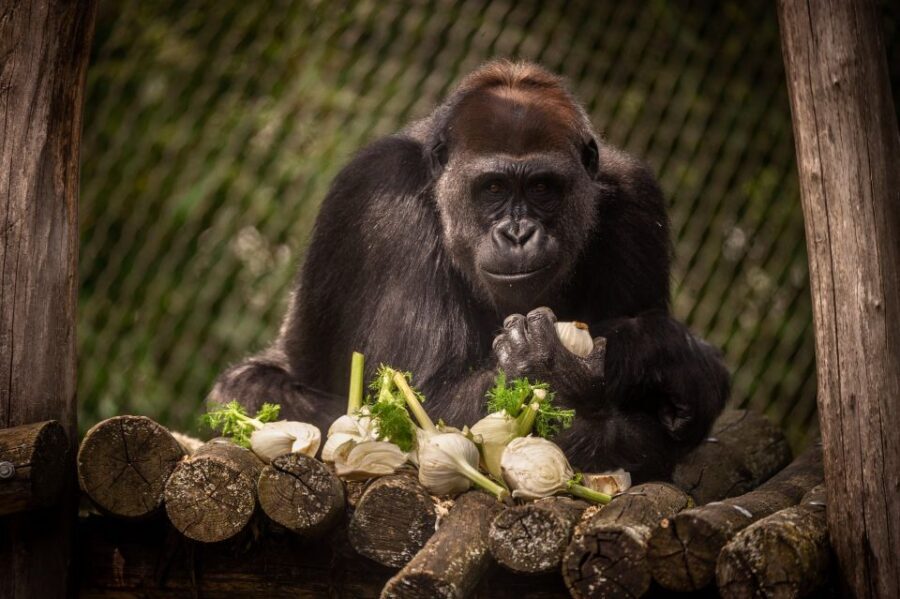
If you’re going for the wow factor, start with the Valley of the Great Apes. This is where the young gorillas are, and it’s the kind of exhibit that tends to hold attention because you’re looking at behavior, not just presence.
What makes this area useful for your day plan is that it creates a natural anchor point. You can build your route around it, then move on to savanna-style enclosures and big cat viewing areas nearby.
Also, this is the type of exhibit where kids often stay put longer than you expect. If your group has mixed ages, gorillas are usually a safe bet for keeping attention without constant rest stops.

Savannah views: Buffalo Savannah, birds, zebras, and rhinos
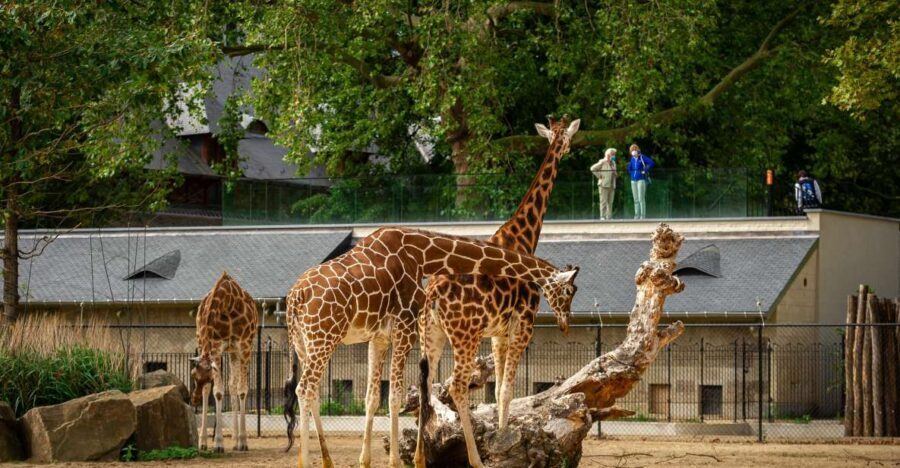
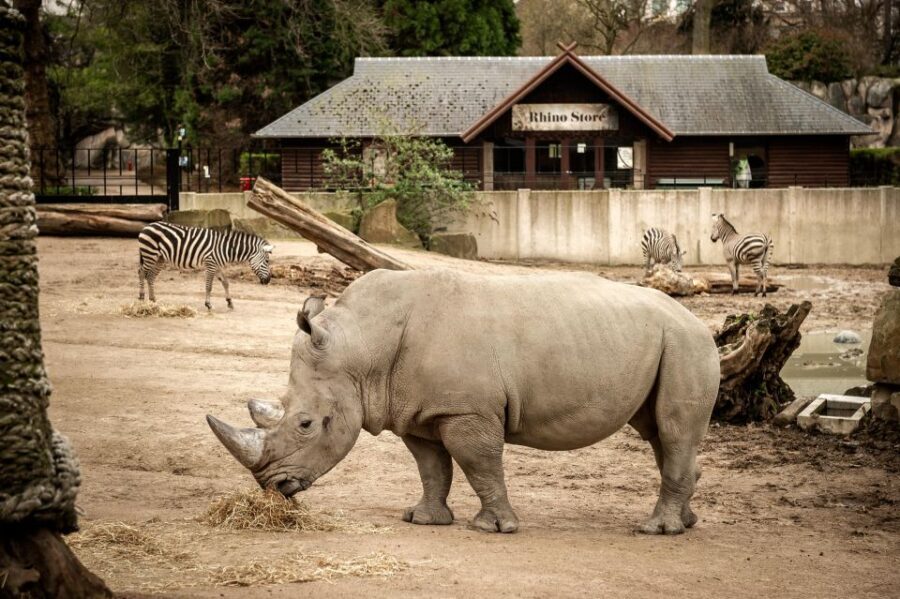
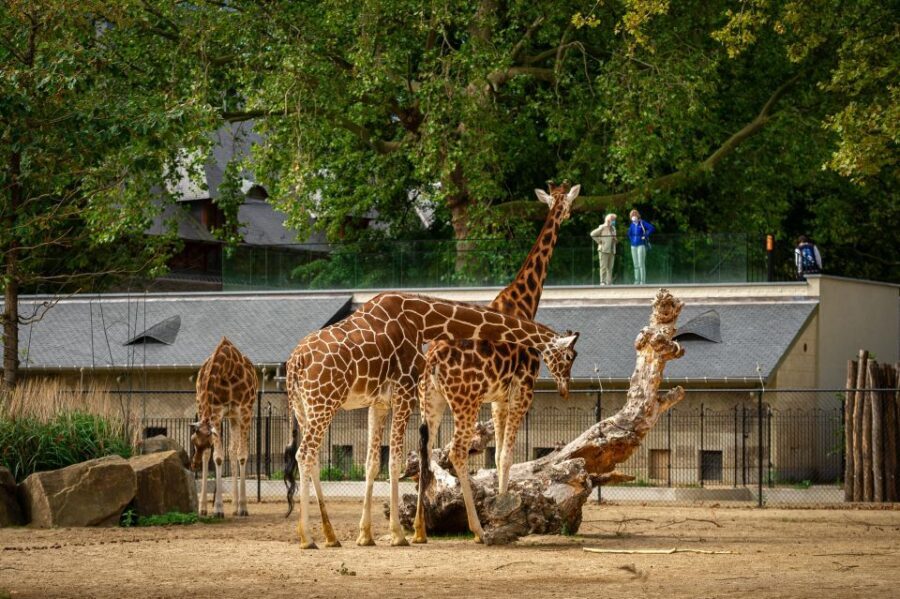
Another highlight area is the Buffalo Savannah. It’s described as a colorful space with birds, and that detail matters because it’s not only about mammals. You’ll get a fuller “ecosystem” feel as you watch different species in one broader landscape.
From there, you can look for grazing and resting moments in the savanna-style sections with:
- zebras
- giraffes
- white rhinos
- and lions
This combination is ideal if you like a classic safari vibe but want it in a walkable city zoo. It also helps if your group has preferences. One person wants big cats, another wants rhinos, and the route still works for both.
My tip: give yourself time to watch from multiple angles. In savanna enclosures, animals don’t pace like they do in small cages. They settle, disappear into landscaping, and reappear. If you rush, you miss the best moments.
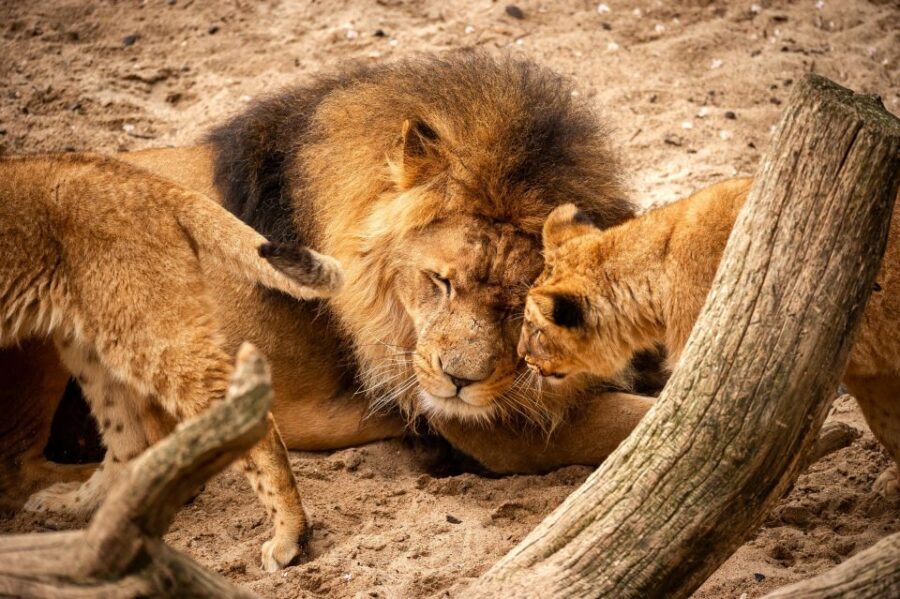
Lions and the nearby playground: a rare “two wins” setup
One detail I really like for families: the lions can be seen with a nearby playground. That means your day has a built-in reset button. You can watch the lions, then let kids burn energy without turning your whole visit into a series of compromises.
This pairing is practical because zoo days often hit the same rhythm: adults want to look, kids get restless, and everyone needs a break. A playground nearby keeps that break connected to the same visit, so you’re not leaving the area to find entertainment.
If you’re traveling with younger kids, I’d plan at least one “play-and-watch” loop. It keeps energy stable and reduces the chance you’ll all end up tired at the same time.
Egyptian Temple and Hippotopia: elephants and hippos up close
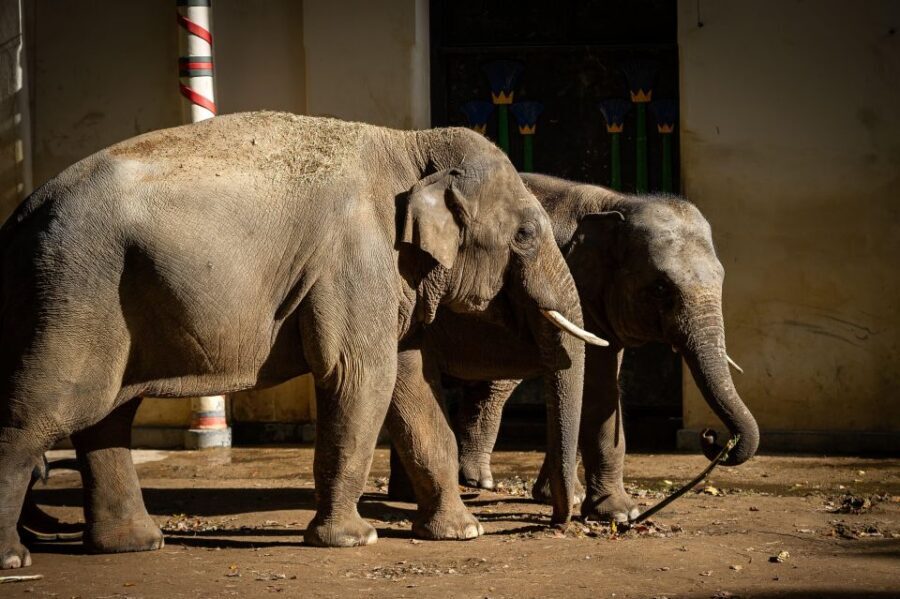
The Egyptian Temple area is a standout because it focuses on elephant behavior in a dramatic setting. The info you have here says male elephants measure each other’s strength. That’s the kind of exhibit description that signals more than a static viewing experience.
Then there’s Hippotopia, where you can observe hippos. Hippos can be a slow-watch species, but that’s part of the charm. If your day includes lots of action-focused animals, this can balance the pacing with something more relaxed.
Together, these exhibits also help you build a theme. Elephants and hippos often become the “memory anchors” of a zoo day because people remember the behaviors and scale. That’s especially useful if you’re trying to make the day feel special for kids without overloading them with nonstop animal chasing.
Aquaforum, the renovated reptile house, and the old aquarium
Antwerp ZOO isn’t only about mammals and big savanna spaces. You’ll also find indoor-leaning attractions and water-focused exhibits.
Three worth planning for:
- Aquaforum
- a renovated reptile house
- and an over-a-century-old aquarium
This trio matters because it supports a more comfortable day, especially if weather changes. Even when you like outdoor exhibits, it’s smart to have a couple indoor zones ready as a weather plan.
The reptile house is also a good “kid-to-adult bridge.” Kids often get curious about movement and texture, while adults appreciate the science-leaning angle that zoos can offer with reptiles and carefully designed habitats.
And the old aquarium adds a sense of continuity. When you see something that has been around for a long time, it makes the zoo feel like an institution, not just a one-off attraction.
Keeper talks and feeding time: learning in Dutch
One of the best parts of this day is that there’s structure built in: keeper talks and feeding time. The key detail is language. These sessions are conducted in Dutch, and that’s important for how you experience them.
You don’t need perfect Dutch to get value. Watching a feeding moment and hearing explanations can still be meaningful through tone, body language, and what the keepers point out. But if you’re traveling with someone who needs full understanding, you’ll want to adjust expectations: plan to enjoy the moment more than the translation.
If you’re traveling as an adult-only group, keeper talks can also be your shortcut to understanding animal behavior in context. It turns your walk into something more than viewing.
Food and breaks: how to keep the day easy
Food and drinks aren’t included, so I treat Antwerp ZOO like any major attraction: you’ll want a snack plan. If you’re traveling with kids, pack or budget for meals so you’re not stuck paying for convenience only.
There are also lockers available, which makes a big difference if you arrive with bags, shopping items, or extra clothing. You’ll find:
- small lockers: €2
- big lockers: €4
- locker keys are purchased in the ZOO shop
This is worth it because walking around with heavy bags inside a zoo day is just tiring. A locker lets you keep your hands free, which makes it easier to enjoy exhibits without constant juggling.
Rules that affect your experience
These rules are simple, but they do shape how you should plan expectations:
- pets are not allowed
- you can’t feed animals
- you can’t touch animals
That’s actually good news. It keeps the experience focused on viewing and learning. It also makes the zoo less stressful for animals and safer for visitors, especially kids who might get tempted to do something they’ve seen in other places.
If you’re traveling with small kids, it helps to explain this at the start of the visit so everyone knows what behavior is expected. It prevents the most common mid-visit conflicts.
Winter planning: indoor enclosures can change what you see
In winter, some exotic animals may prefer warmth in their indoor enclosures. I like knowing this ahead of time because it helps you avoid the classic disappointment spiral of arriving and thinking animals should be outdoors just because it’s daytime.
My advice: use indoor exhibits as your fallback plan. Aquaforum, the reptile-focused spaces, and the aquarium can give you a meaningful visit even when outdoor viewing is slower.
It also helps to prioritize your “must-sees” earlier in the day when possible. Then you can spend later time exploring at a calmer pace.
Who Antwerp ZOO Entry is best for
This ticket is a strong fit if you want:
- a family-friendly day in Antwerp with variety
- a mix of classic zoo attractions and modern learning moments
- an easy transit day thanks to the Central Station location
It also makes sense for animal lovers who like broad coverage. You’ll encounter a wide set of species across different exhibit types, with a large total animal count across the network (7,000+ animals and around 950 species including Planckendael).
If you’re traveling as a couple or friends, you’ll still enjoy it, especially if you like keeper talks and watching animal routines. Just be realistic about the language factor in those sessions.
Should you book Antwerp ZOO entry?
I’d book this if you’re looking for a full, low-stress day out where you can wander, see major animal exhibits, and take advantage of keeper talks. The combination of Central Station location, a 1-day ticket, and a wide range of habitats makes it good value for time.
Don’t book it blindly if you’re expecting an all-inclusive day with food included, or if you need non-Dutch keeper commentary to feel fully satisfied. And if you’re visiting in winter, go in with flexibility about which animals are outdoors.
Overall, Antwerp ZOO entry is a solid choice for an authentic city-day experience: grounded, educational, and fun for kids, with enough variety to keep adults interested all day.
FAQ
Where is Antwerp ZOO located?
Antwerp ZOO is next to Antwerp Central Station, making it easy to reach by public transport.
How much is the Antwerp ZOO entry ticket?
The price is listed as $39 per person.
How long is the ticket valid?
The ticket is valid for 1 day. Starting times depend on availability.
What kinds of animals can I see?
You can see animals such as gorillas, hippos, zebras, lions, giraffes, rhinos, and many more.
Are keeper talks and feeding time included?
Yes. Keeper talks and feeding time are part of the experience included with your zoo visit.
What language are keeper talks and feeding time in?
Keeper talks and feeding time are conducted in Dutch.
Can I feed or touch animals?
No. Feeding animals and touching animals are not allowed.
Are pets allowed?
No. Pets are not allowed.
Is food included with the ticket?
No. Food and drinks are not included.