REVIEW · BRUSSELS
Brussels: Belgian Chocolate Making Workshop with Tastings
Book on GetYourGuide →Operated by The Belgian Chocolate Makers · Bookable on GetYourGuide
Chocolate lessons, but with serious technique.
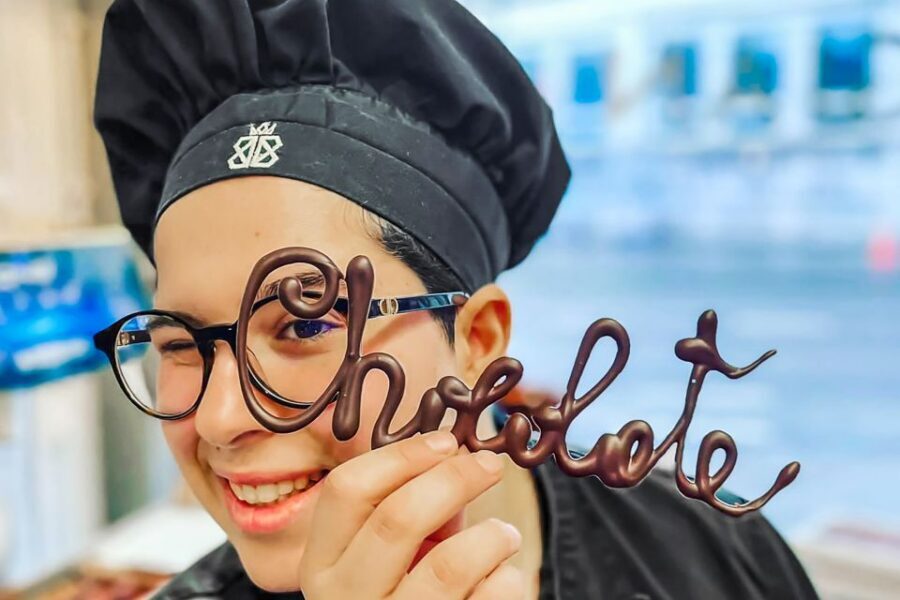
This Brussels workshop is built around bean to bar craft in a brand-new training centre, plus you get to taste cacao in several forms and make your own chocolates. The vibe is part classroom, part chocolate lab, led by chocolatier Patricia, who mixes clear instruction with plenty of personality.
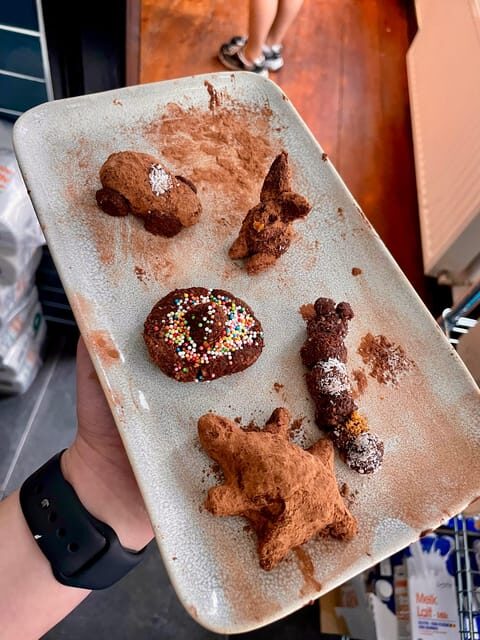
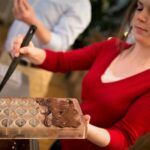
I particularly like two things. First, you sample the cacao from the source: you handle a cacao pod, taste the mucilage (pod juice), and even try the cacao bean (very bitter) and cacao liquor (pure cacao mass). Second, you go home with multiple creations you made yourself, including a personalized chocolate bar, mendiants, and truffles in a take-home box.
One consideration: the workshop space is fully air-conditioned, so it can feel chilly during the 90 minutes. Plan on dressing warmly, and remember you must wear a hairnet once you’re inside.
In This Review
- Quick highlights you’ll actually care about
- Entering The Belgian Chocolate Makers training centre
- What the 90 minutes looks like, step by step
- Your tastings: cacao pod juice, beans, liquor, and finished chocolate
- Making Belgian chocolates: your personalized bar, mendiants, and truffles
- Why this part matters
- A note on toppings and dietary limits
- The bean-to-bar machinery visit (and what to look for)
- Belgian certification, traceability, and ethics: what’s actually stated
- Price and value: does $82 make sense in Brussels?
- Logistics and comfort tips (so you’re not fighting the session)
- Who this chocolate workshop is best for
- Who should skip it
- Should you book? My decision guide
Quick highlights you’ll actually care about
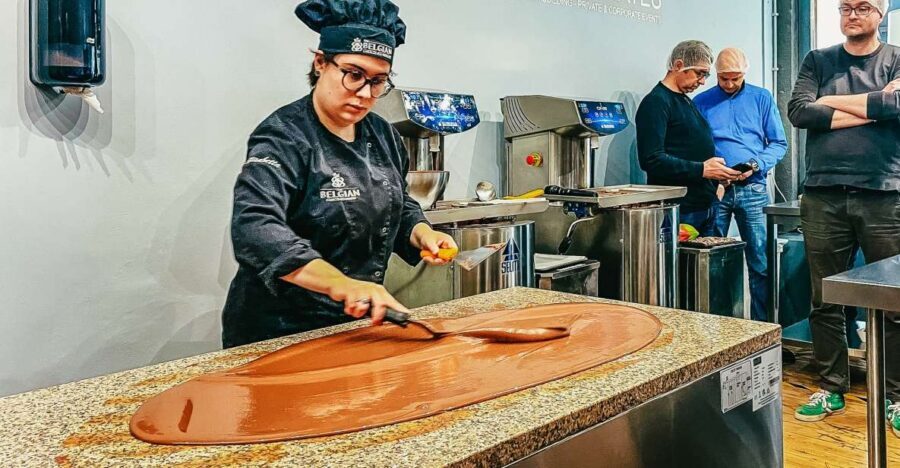
- Real bean-to-bar steps: see how cacao turns into chocolate, not just the finished product
- Cacao tastings at different stages: pod juice, raw beans, cacao liquor, and finished chocolate
- You make three styles: a decorated bar, mendiants, and truffles, all take-home
- Toppings + bar customization: add your own choices to the bar you make
- Cold-room reality: air-conditioned training centre means bring a layer
- Patricia’s teaching style: funny, structured, and focused on getting it right
Entering The Belgian Chocolate Makers training centre
The experience starts at the Belgian Chocolate Makers ticket office at Place de la Justice 5, near Gare Centrale and Mont des Arts. You check in, they scan your ticket, then hand you a hairnet and a wristband so you can access the workshop area.
Once checked in, you walk about 200 meters with staff from the ticket office to the training centre. The timing matters because they start on schedule. If you arrive late, you may miss entry once the session begins, so I’d aim to queue about 15 minutes early so you don’t feel rushed in the final stretch.
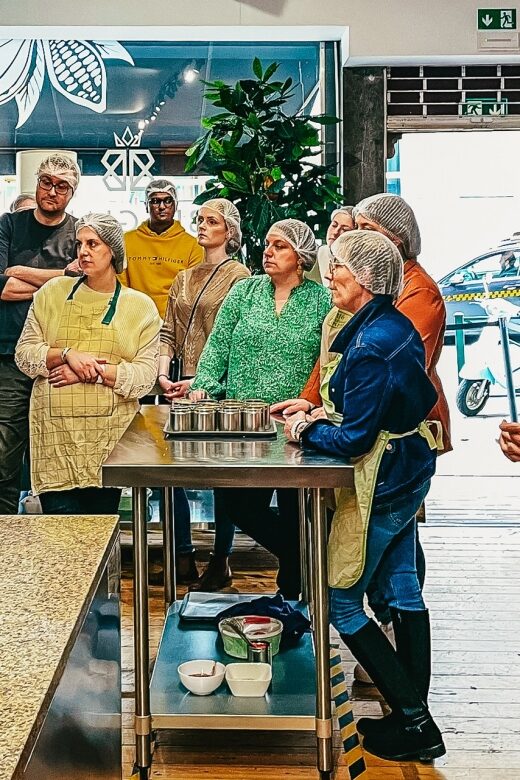
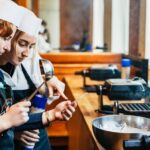
Inside, the training centre is set up like a proper workshop: it’s 150 m², air-conditioned, and designed to welcome larger groups (up to 60 participants), but the work you do happens at tables/workstations. That means you get hands-on time instead of just watching.
A few more Brussels tours and experiences worth a look



What the 90 minutes looks like, step by step
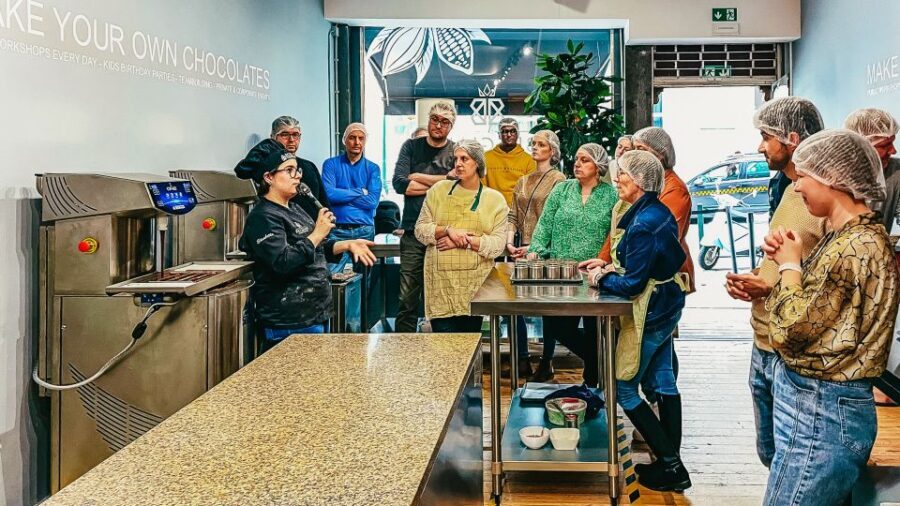
This is a tight 90-minute session. You’re not there to simply sample sweets and leave. The structure is: learn the process, taste along the way, then make chocolates yourself.
Here’s how it generally flows:
- Warm welcome + basic setup (hairnet on)
- Guided tastings that move from cacao fruit to cacao product to finished chocolate
- A look at bean-to-bar machinery with explanations from the chocolatier
- Hands-on production: you craft your own bar, mendiants, and truffles
- You finish, pack your take-home box, and head to the store with a discount
It feels educational without being slow. And because the workshop is air-conditioned, it works well in winter when Brussels can be brutally cold.
Your tastings: cacao pod juice, beans, liquor, and finished chocolate
This workshop earns its money by doing something most chocolate classes skip: you taste cacao along the full chain, not just the end result.
You get several tastings, including:
- Fresh cacao pod: you can hold a cacao pod and taste the beans inside
- Mucilage (pod juice): sweet-ish and aromatic in a way that surprises people who think cacao only tastes like chocolate
- Cacao bean: described as super bitter—this is the reality check before sugar and fat tame everything
- Cacao liquor: pure cacao mass (no alcohol), a key step in making chocolate
- Finished chocolate tastings, including liqueur de cacao (also no alcohol, made from dark cacao)
You also taste premium origin cacaos from different countries during the session. That’s useful because chocolate flavor isn’t only about sweetness. It’s about growing conditions, processing, and fermentation choices, and the tasting portion helps you notice those differences instead of guessing later.
Practical tip: if you’re new to cacao, go slow. The early flavors (especially the bean) aren’t meant to be comforting. That’s the point. Once you understand what bitter tastes like at the start, the finished chocolate tastes make more sense.
Making Belgian chocolates: your personalized bar, mendiants, and truffles
Now for the fun part: you handcraft chocolates you can take home.
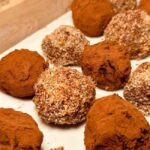
During the workshop, you make:
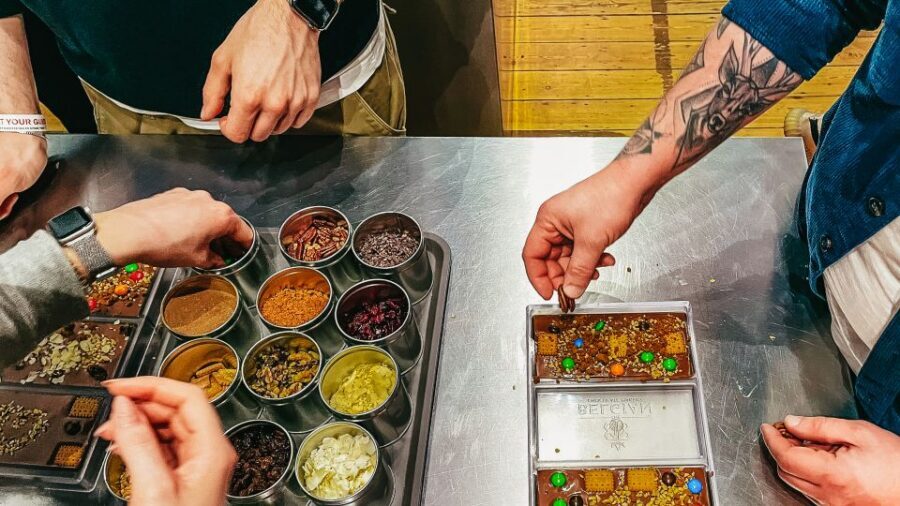
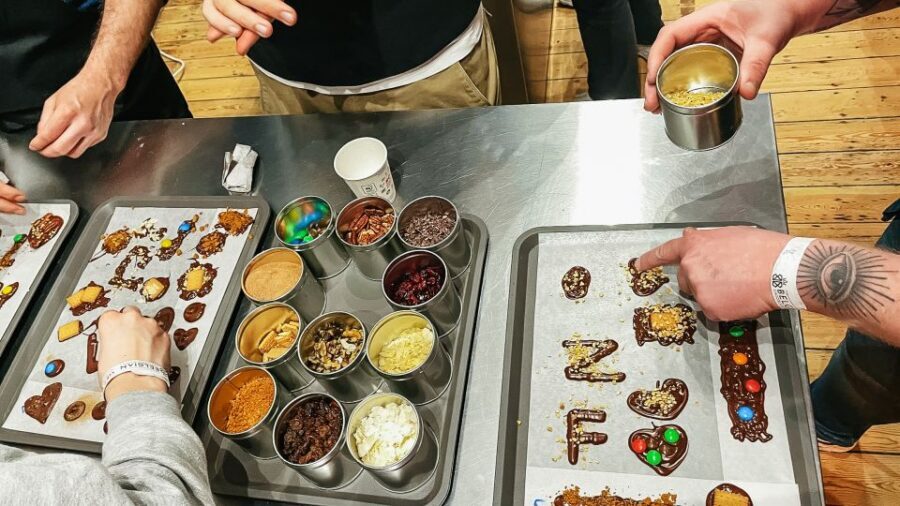
- A personalized chocolate bar (you add toppings and choose your design elements)
- Mendiants (thin chocolate pieces topped with ingredients)
- Truffles, formed and coated based on the workshop approach
Everyone in the room gets their own output. And because the workshop includes a box to take your chocolates home, you’re not leaving with a few sad samples. You’re leaving with something you made and can share.
Why this part matters
Chocolate workshops can be “decorate a cookie with chocolate.” This one is different. You’re not just adding toppings to a pre-made piece and calling it a day. The session is structured around the actual craft workflow, including references to how the bean becomes chocolate.
Also, if you love variety, this is a good match. You’re creating multiple textures—snap, chew, creamy, and coated—so your palate gets a mini tour of chocolate forms.
A few more Brussels tours and experiences worth a look



A note on toppings and dietary limits
Your toppings contain nuts, so if you have allergies, this can be a deal-breaker. The workshop also isn’t suitable for people with gluten intolerance or lactose intolerance, and it’s listed as not suitable for people with food allergies. If you’re vegan or lactose intolerant, you’ll only work with dark chocolate.
The bean-to-bar machinery visit (and what to look for)
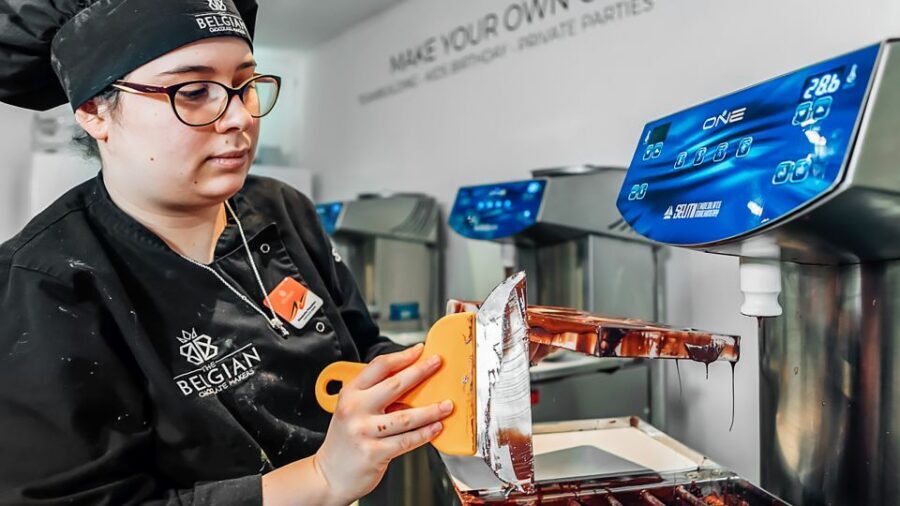
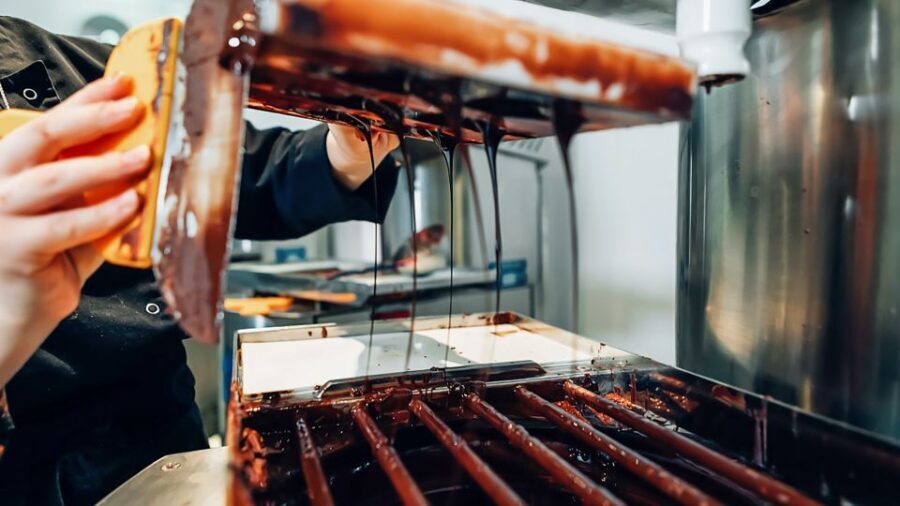
After you finish the main making portion, you get a visit to the bean to bar machinery with explanations from the chocolatier.
Even if you don’t care about industrial-looking equipment, this is worth it because it explains the logic behind flavor and texture:
- why cacao goes through multiple steps
- why cacao becomes smooth chocolate instead of rough ground bean
- how the liquor relates to what you later taste in solid form
This part turns the workshop from a hands-on craft into an actual learning experience. You’ll be able to connect the tastings you did earlier to what the machinery produces. That makes the whole session feel more complete.
Belgian certification, traceability, and ethics: what’s actually stated
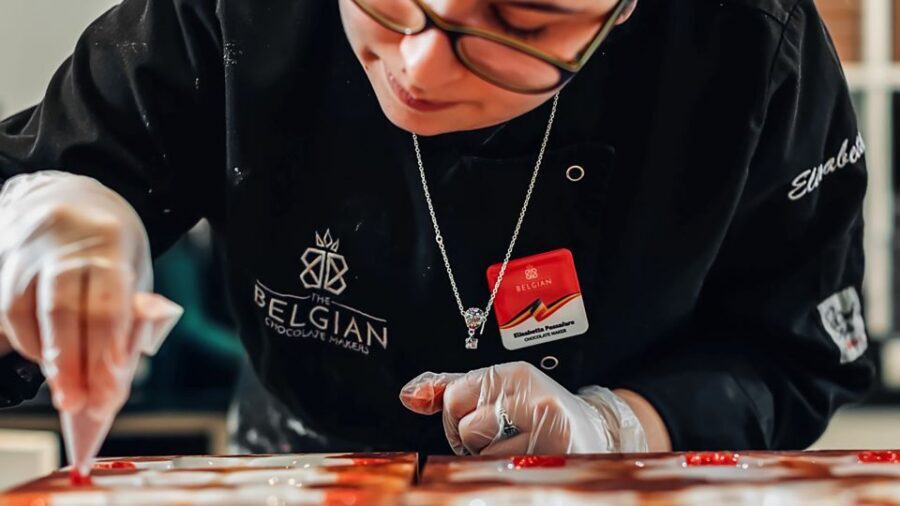
This isn’t a vague “ethical chocolate” pitch. The workshop says it’s:
- certified by the Belgian government
- a true Belgian chocolate maker
- uses an advertised 100% traceable supply chain
- sourced from Haiti (the premium cacao mentioned is from Haiti, specifically Grand Anse)
- positioned as not using industrial chocolate in workshops
- claims that the cacao supply does not involve deforestation nor child labor, and is tied to fair revenue for farmers
It also mentions a connection to Les Clefs d’Or (a hospitality program tied to service standards) and notes it’s the only certified artisan chocolate maker in central Brussels.
How should you treat these claims? I’d treat them as a positive sign that they want to be judged on specifics. Still, if you’re very strict about sourcing, you can ask staff questions on the day about traceability documentation and how they verify their supply chain at the origin level. The workshop format includes lots of direct explanation, so you should be able to get answers.
Price and value: does $82 make sense in Brussels?
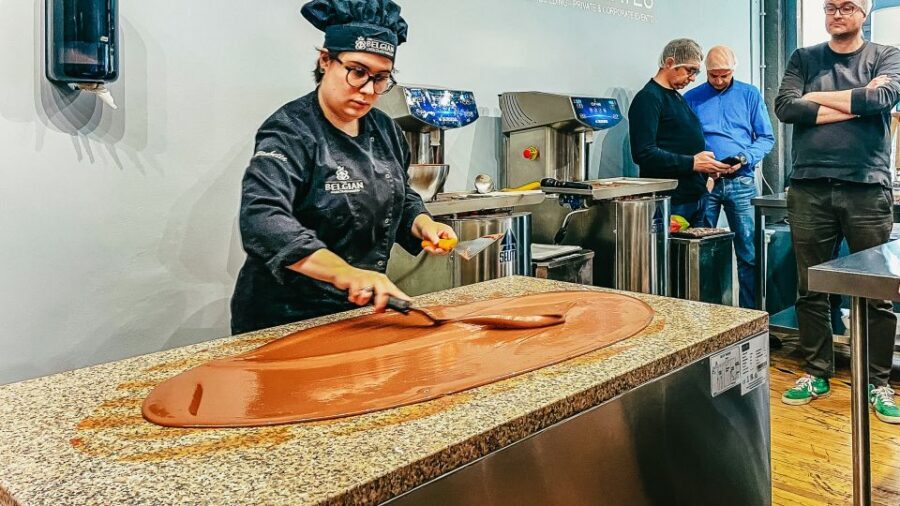
At $82 per person for 90 minutes, this isn’t a cheap impulse buy. But it can feel fair if you value three things you don’t always get together:
1) Hands-on making of multiple chocolate types (bar + mendiants + truffles)
2) Guided tastings that include more than one cacao stage (pod juice, beans, liquor, finished chocolate)
3) A tangible take-home result plus a store discount (a 20% discount on all chocolates in their shops)
They also include a beverage: hot chocolate in winter or chocolate granita in summer. (If you choose the VIP upgrade option, it adds a glass of Champagne, plus an embroidered apron and a lab visit.)
So the value isn’t only the class. It’s the full package: learning + tasting + making + take-home + discount.
If your goal is only to sample a little chocolate and walk away, you might question the price. If your goal is a structured, craft-based experience with real outputs, $82 starts to make sense.
Logistics and comfort tips (so you’re not fighting the session)
Here are the practical details that can make or break your mood:
- Dress warm. The workshop is air-conditioned; people can feel cold once the hairnet is on and you’re stationary.
- Plan for hairnet rules. Tie back long hair before you arrive if you can.
- Arrive early. Check-in closes when the session starts. Queue about 15 minutes before.
- Expect a short walk and stairs. One of the key location notes is that it’s near the central area and the walk from the ticket office to the training centre includes some steps.
- Hearing can be tricky. The room setup and instructor direction matter. If you’re sensitive to sound, I’d sit where you can see and face the guide.
Also, there’s no allowance for pets, smoking, outside food/drinks, luggage/large bags, or unaccompanied minors. If you’re traveling light, this is easy. If you’re carrying a lot, rethink your packing.
Who this chocolate workshop is best for
This works especially well if you want:
- a hands-on class with real results to take home
- a serious introduction to cacao and chocolate flavor differences
- a guided tasting that includes raw cacao stages
It also suits groups who want an activity that feels different from standard sightseeing. The instructor-led structure makes it easy to follow even if you’re not a chocolate expert.
Who should skip it
Avoid it if:
- you have food allergies, gluten intolerance, or lactose intolerance
- you’re traveling with pets
- you need to bring large bags or luggage
- you’re looking for a kids-only activity for children under 6 (it’s not suitable under that age)
- you’re hoping for a snack-and-photos session only (this is craft-first)
If you’re comfortable with rules like hairnets and you like learning by doing, you’ll probably enjoy it more than a casual chocolate tasting.
Should you book? My decision guide
Book this workshop if you want a chocolate experience that’s more than decoration: tastings from cacao pod to cacao liquor, plus making multiple chocolate types you actually take home. It’s also a strong option in winter because the training centre is climate-controlled, and you’re out of the Brussels cold for 90 minutes.
Think twice if you’re sensitive to ingredients like nuts, have dietary restrictions (especially lactose/gluten or food allergies), or you hate structured rules like hairnets and strict start times. In those cases, the class can become frustrating fast.
If you’re a chocolate lover or you want a memorable, craft-based Brussels activity with a real take-home payoff, this is a solid choice.