REVIEW · BRUSSELS
1.5h Belgian Chocolate Workshop in Brussels (bean to bar)
Book on Viator →Operated by The Belgian Chocolate Makers SRL · Bookable on Viator
This is a sweet class with real technique, not just sampling. You’ll learn tempering on a marble table, then actually make take-home chocolates like mendiants, truffles, and a personalized bar. One thing to know up front: some guests feel the workshop is more of an introduction using prepared chocolate than a full factory-from-scratch process.
In a brand-new 170 m² training centre, you’ll also taste raw cacao at different stages, including a raw bean that is seriously bitter. Dress for a cooler room and plan on hairnet etiquette, because they do provide one and you must wear it.
In This Review
- Key things I’d circle before you go
- Bean-to-bar chocolate in Brussels, minus the fluff
- Where you start: check-in to your classroom walk
- The 170 m² training centre: modern setup, cool air
- A clear workshop goal: make mendiants, truffles, and your bar
- What hands-on actually feels like
- The chocolate-making process, step by step
- Tempering on marble: the technique worth remembering
- Cacao tasting: why the bitter bean is part of the lesson
- Ruby pink chocolate: the story you get to hear
- The VIP upgrade: champagne and the apron you’ll actually keep
- Timing and pacing: what 1.5 hours really means
- What you take home: a gift box built from your work
- Price and value: is it worth $76.19?
- Who this workshop fits best
- Practical tips so the class goes smoothly
- Should you book this Brussels chocolate workshop?
- FAQ
- What language is the workshop offered in?
- How long is the Belgian chocolate workshop?
- Where do I meet for the workshop?
- What chocolates will I make and take home?
- Will I get to taste cacao during the workshop?
- Is an apron included?
- Is the workshop suitable for people with severe food allergies?
Key things I’d circle before you go
- Tempering on marble to understand how chocolate gets that smooth, snappy finish
- Make-and-take creations: mendiants, truffles, and your own chocolate bar in a gift box
- Cacao tasting right from the source: raw beans plus cacao liquor and pod mucilage
- Ruby pink chocolate explained with a focus on what makes it different
- VIP upgrade adds a welcome glass of champagne and an embroidered apron
Bean-to-bar chocolate in Brussels, minus the fluff
Brussels already has a serious chocolate scene, but this workshop tries to answer a better question than where to buy candy. It’s built around how chocolate is made and what makes Belgian chocolate taste like Belgian chocolate: temperature control, quality ingredients, and thoughtful textures.
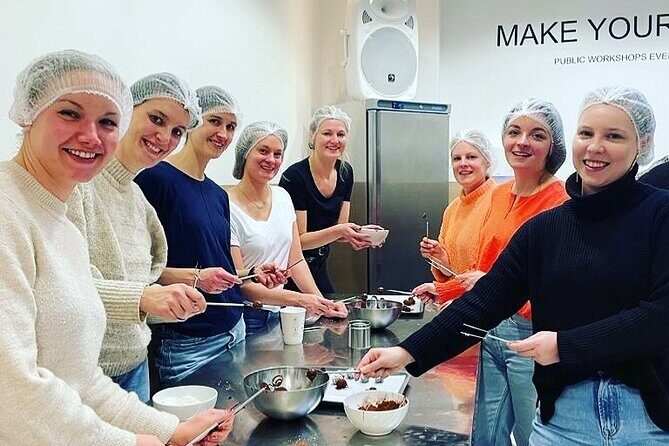
I like that the experience centers on real making. You’re not just watching from the sidelines; you’re guided through the process and you leave with a box of what you made.
You can also read our reviews of more drinking tours in Brussels



Where you start: check-in to your classroom walk
You begin at The Belgian Chocolate Makers booking desk at Pl. de la Justice 5 in central Brussels. The workshop then ends back at the meeting point, so you don’t need to hunt around at the finish.
One practical heads-up from real experience: the check-in spot may not be the exact same place where the workshop happens. You should expect a short walk with the group after you check in.
The 170 m² training centre: modern setup, cool air
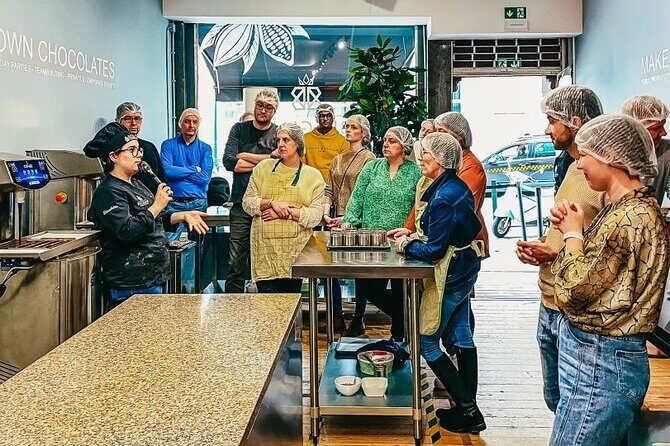
The class happens in a new, fully equipped training centre with air-conditioning. It’s set up for groups, with a stated maximum of 60 participants, and water dispensers plus a disabled-access toilet available on site.
A few guests noted the room can feel cool. That’s not just comfort stuff; it matters because chocolate behaves differently when temperatures swing. Bring a layer so you can stay focused and not spend 90 minutes fighting goosebumps.
A clear workshop goal: make mendiants, truffles, and your bar
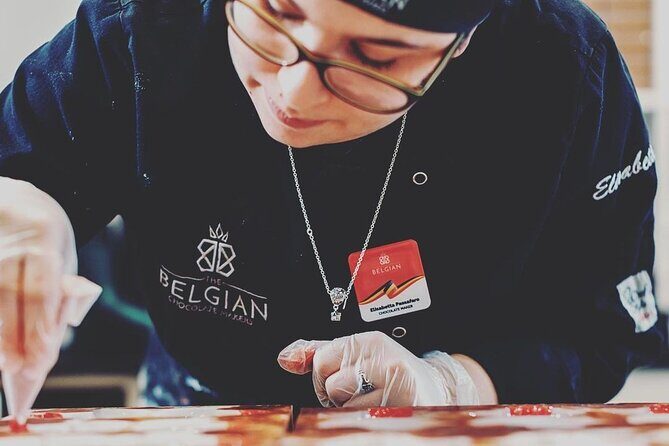
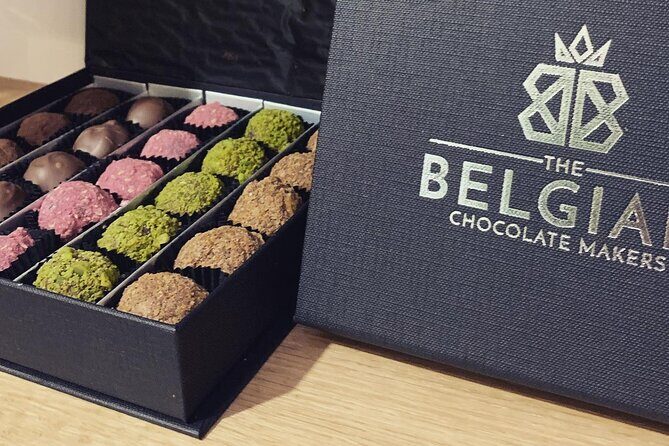
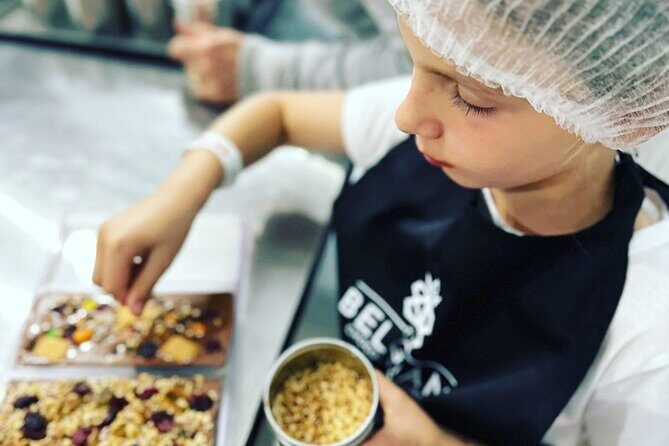
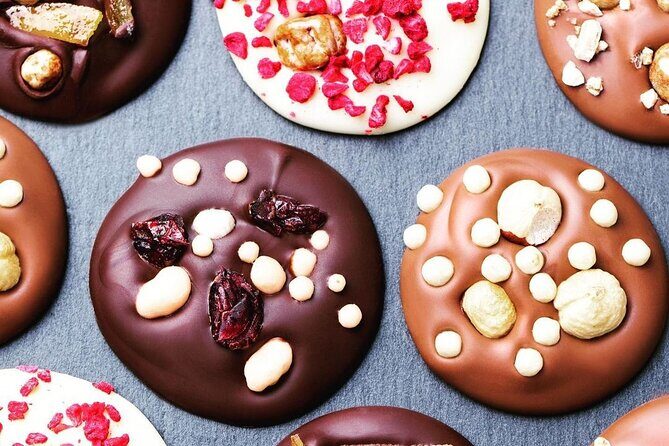
This is billed as an interactive workshop where you create your own chocolates. Expect to make: your own mendiants, truffles, and a personalized chocolate bar, then pack everything into a gift box to take home.
What makes this more valuable than a quick tasting is that you learn choices. Toppings and shapes aren’t just decorations; they’re part of how Belgian chocolate shops present their products, and how textures combine.
What hands-on actually feels like
The marketing says it’s bean-to-bar and Belgian certified, and you do get hands-on chocolate making. Still, one review reported that the process can include working with chocolate that’s already prepared, with you doing tempering, molding, and decoration steps rather than starting with cacao processing from scratch.
That mismatch is worth watching for if you expect a full bean-to-bar day where you roast, grind, and refine cacao on site. Based on what’s provided, you’ll get a strong intro to fundamentals plus actual making, but it’s not presented as a professional production line.
A few more Brussels tours and experiences worth a look





The chocolate-making process, step by step
You’ll wear a provided hairnet during the workshop. It’s one of those small rules that keeps things simple and keeps the focus on technique.
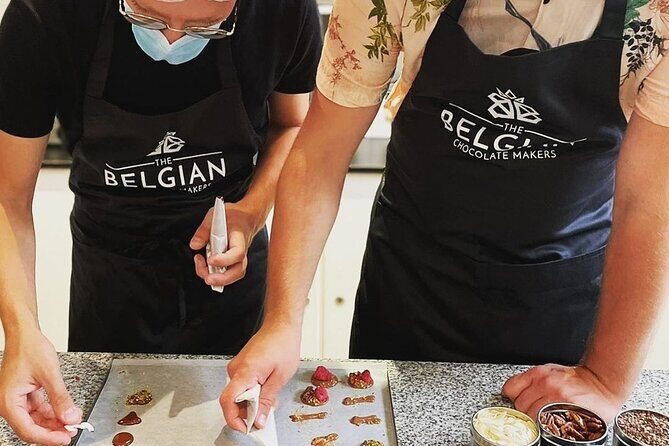
From there, the sequence is built around tasting first, then making. You’ll learn how to handle chocolate properly, then you’ll temper, work with molds and toppings, and create your final pieces that you box up at the end.
Tempering on marble: the technique worth remembering
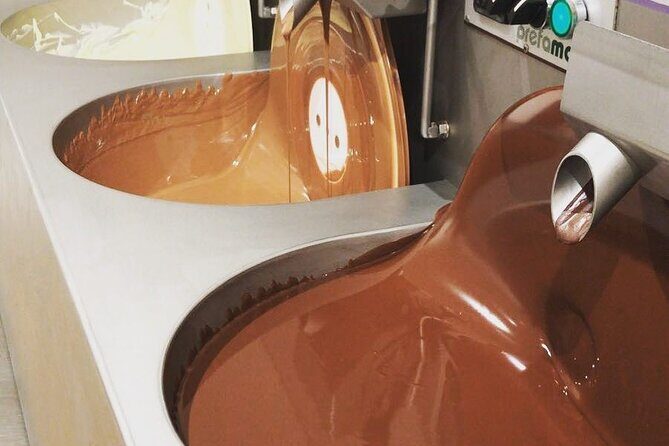
One highlight called out in the experience is tempering on a marble table. This matters because tempering is where chocolate earns its smooth snap and glossy look.
In plain terms, tempering is about controlling temperature so cocoa butter crystallizes correctly. It’s the difference between chocolate that looks and feels right, versus chocolate that’s dull or grainy.
Cacao tasting: why the bitter bean is part of the lesson
A big part of the workshop is tasting cacao through multiple stages. You’ll try premium cacao origins from different countries, plus cacao pod juice (mucilage). You’ll also taste a raw cacao bean, and then pure cacao liquor, described as the natural paste used to make the chocolate.
If you’ve ever wondered why chocolate flavor varies so much, this is the reason. Raw cacao tastes wildly different from finished chocolate, and that contrast helps you understand what refining and tempering do.
One practical tip: raw cacao can be intense. Plan to take your time during the tasting so you can notice flavors rather than just bracing for bitterness.
Ruby pink chocolate: the story you get to hear
You’ll find out the secrets of how ruby pink chocolate is made. That’s a useful topic because ruby is not just another dyed version of chocolate. It’s tied to a different process and flavor profile, and the workshop is designed to explain what makes it distinct.
One guest note did mention they did not get ruby samples or a clearer explanation during their session. So if ruby is a top priority for you, keep expectations flexible and consider asking the instructor ahead of time whether you’ll taste ruby in your specific group.
The VIP upgrade: champagne and the apron you’ll actually keep
If you choose the VIP option, you’ll get a welcome glass of champagne and an embroidered apron with the logo. That’s not just a souvenir add-on; it changes the vibe.
I think the VIP option makes sense if you’re booking as a treat for yourself or celebrating something. The apron is branded, so it works as a lasting memento, not a disposable giveaway.
Timing and pacing: what 1.5 hours really means
The workshop duration is listed at about 1 hour 30 minutes, and sessions run at 11:00, 14:00, and 17:00. Because groups can vary, your real timing may shift.
One review said their class finished in about 75 minutes. Another mentioned a small group felt more personalized. So show up a few minutes early, follow the line instructions, and don’t plan a tight connection right after.
What you take home: a gift box built from your work
The end goal is leaving with chocolates you made and packaged yourself. You’ll pack your mendiants, truffles, and your personalized bar in a gift box to take home.
This is one of the strongest value points in the experience. Even if you’re not a “cool at cooking” person, you’ll still leave with something presentable and genuinely homemade.
Also, there’s a 20% off offer on the entire chocolate collection in-store after the workshop. That can soften the cost if you’re the type who can’t resist adding a few bars for later.
Price and value: is it worth $76.19?
At $76.19 per person, you’re paying for an experience that combines: cacao education, guided technique, multiple tasting moments, and take-home chocolate made by you.
If you compare it to a pure tasting, this is more expensive but usually more satisfying because you get output. If you compare it to a full industrial bean-to-bar experience, it’s priced like an intro workshop, not a factory processing day.
So the question is simple: do you want to make chocolate and learn how it works enough to taste the difference? If yes, this feels like fair value. If you want a hands-on production journey starting from raw cacao fruit processing, you might find the approach more instructional than fully from-scratch.
Who this workshop fits best
This is especially good for:
- chocolate lovers who want technique, not just sweetness
- couples and families who want a shared activity with a clear takeaway
- anyone who likes tasting and learning why flavors change across cacao stages
It may feel less ideal if:
- you expect to do every step from cacao processing through finished bar manufacturing
- you have severe food allergies, since it’s stated that the workshop is not suitable for severe food allergy
Practical tips so the class goes smoothly
You’ll be in an air-conditioned room, but it may feel cool, so bring a light layer. Wear comfortable clothes you don’t mind if you get a little chocolate on them; one review even warned about it.
Go in ready for rules like the hairnet. Also, plan to stay with your group after check-in; the walk from booking desk to workshop spot can surprise people.
And if you’re sensitive to strong tastes, remember that raw cacao is meant to be bitter. That’s part of the lesson, not a bad batch.
Should you book this Brussels chocolate workshop?
I’d book it if you want a fun, well-structured class that ends with real chocolate made by you, plus tasting that actually teaches you something. The tempering focus, the hands-on making, and the take-home box are the big wins for me.
I’d think twice if your expectation is a full bean-to-bar production day where every processing step happens in front of you. Reviews suggest the workshop is an intro with prepared chocolate involved, so adjust your mental model to “learn and make,” not “complete industrial production.”
If you’re aiming for a half-day activity in Brussels that feels authentic and ends with a box of your own chocolates, this one is a strong pick.
FAQ
What language is the workshop offered in?
The workshop is offered in English.
How long is the Belgian chocolate workshop?
It lasts about 1 hour 30 minutes (approximately).
Where do I meet for the workshop?
You start at The Belgian Chocolate Makers (Booking Desk), Pl. de la Justice 5, 1000 Bruxelles, Belgium. The activity ends back at the meeting point.
What chocolates will I make and take home?
You’ll handcraft your own chocolate bar, mendiants, and truffles, then pack them in a gift box.
Will I get to taste cacao during the workshop?
Yes. You taste several premium cacao origins, cacao pod juice (mucilage), raw cacao beans, and pure cacao liquor.
Is an apron included?
An apron is included only if you select the VIP upgrade option. Otherwise, it is not included.
Is the workshop suitable for people with severe food allergies?
It is not suitable for severe food allergy.