REVIEW · BRUSSELS
Brussels Walking Tour with Waffle Tasting: History and Delights
Book on Viator →Operated by Brussels City Tours - Keolis Travel · Bookable on Viator
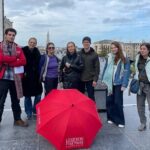
Brussels tastes better on foot. This 2.5-hour walking tour strings together the city’s big-name sights with a stop for a classic Belgian waffle while your guide explains what you’re actually looking at. If you catch a guide like Yasmine, the vibe tends to be friendly and focused, with lots of practical context instead of a lecture.
I especially like how the walk helps you make sense of Brussels fast, especially around the Grand Place and the story behind its dramatic rebuild. One consideration: it’s a real walking route with moderate fitness needed, and there’s no hotel pickup—so you’ll want to reach the meeting point under your own steam.
In This Review
- Key highlights you should know before you go
- Getting oriented at the Bourse-Beurs meeting point
- Royal Galleries and the Belgian waffle stop
- Grand Place: the UNESCO square rebuilt after 1695
- Town Hall to Manneken Pis: from civic power to playful myth
- Sablon district strolls and the kind of shopping you can actually enjoy
- Mont-des-Arts: the viewpoint that explains the city’s layout
- How the guide experience pays off (especially if you get Yasmine)
- Price and timing: is $45 worth it for 2.5 hours?
- Practical tips so the walk stays fun
- Who this tour suits best
- Should you book this Brussels waffle history walk?
- FAQ
- FAQ
- Where does the tour start and where does it end?
- How long is the Brussels Walking Tour with waffle tasting?
- What is included in the price?
- Is hotel pickup or drop-off included?
- Is the tour offered in English or Spanish?
- Do I need a mobile ticket?
- Do I need to bring cash?
- Can I bring pets?
- What is the cancellation policy?
Key highlights you should know before you go
- A built-in waffle break while you’re still taking in the sights (so you don’t have to hunt on an empty stomach).
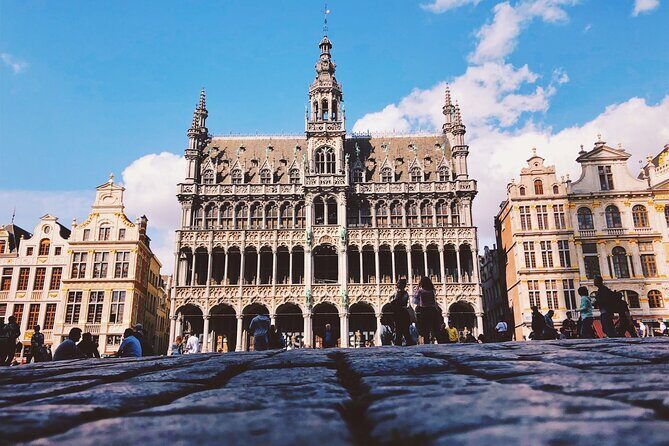
- Grand Place context that sticks: the 1695 fire tied to King Louis XIV’s army, and the quick rebuild afterward.
- Town Hall details you’d miss alone, including the Archangel Michael statue on the tower.
- Manneken Pis in numbers: a 61 cm bronze boy linked to a fountain that’s become an instant landmark.
- Sablon district browsing time for boutiques and that more local, slower shopping feel.
- Mont-des-Arts viewpoints to see how Brussels connects its higher and lower parts.
Getting oriented at the Bourse-Beurs meeting point
The tour starts at Régie Communale Autonome Bourse-Beurs, Bd Anspach 80 (1000 Bruxelles). It’s a good spot for two reasons: it sits near public transport, and it puts you in the city center where you can walk to major landmarks without a ton of detours.
From the very beginning, I like the “start walking, start learning” approach. Your guide isn’t just pointing at monuments; they’re helping you notice patterns in the architecture and street layout. That matters in Brussels, because the city can feel like a mix-and-match of styles unless someone gives you a framework.
Also note the group size: the tour runs with a maximum of 30 people, which usually keeps things from feeling like a moving crowd. If you’re the type who likes asking a quick question or getting a recommendation for where to eat later, that smaller group feel helps.
You can also read our reviews of more walking tours in Brussels

Royal Galleries and the Belgian waffle stop
One of the best parts of this tour is that it doesn’t treat food like an afterthought. You’re scheduled to enjoy a Belgian waffle tasting as you move through the central sights, and that simple timing trick saves you the classic travel problem of trying to coordinate hunger with sightseeing.
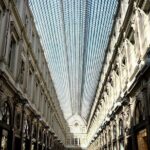
The tour passes through the area around the Royal Galleries, a spot that works well for a food break because it’s right where you want to be anyway. Think: you get to taste one of Belgium’s signature comforts, then keep walking while the city is still fresh in your mind.
If you’re picky about food, this is still flexible in the sense that a waffle is pretty straightforward to enjoy. If you want something more than one snack (Belgian chocolate, beer, or the common local pairings you may hear about on the tour), plan to treat those as extras rather than the guarantee. The only clearly included item here is the waffle tasting.
Practical tip: bring comfortable shoes. Brussels cobblestones aren’t the time for novelty sneakers.
Grand Place: the UNESCO square rebuilt after 1695
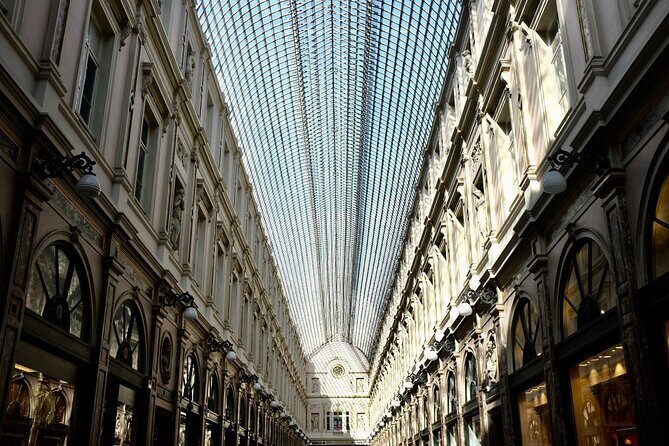
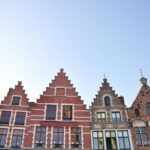
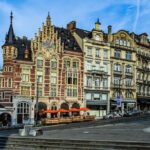
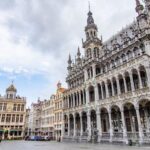
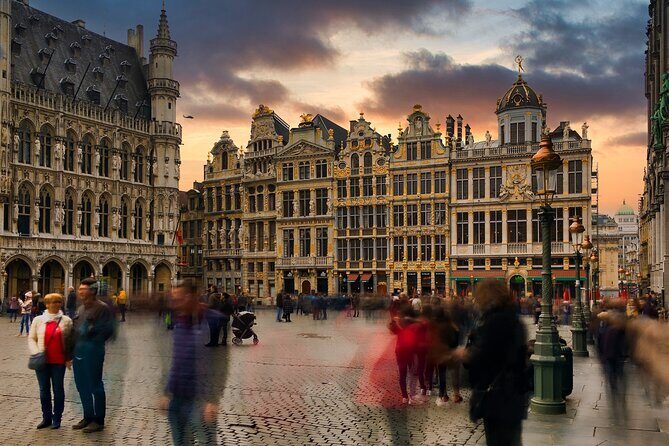
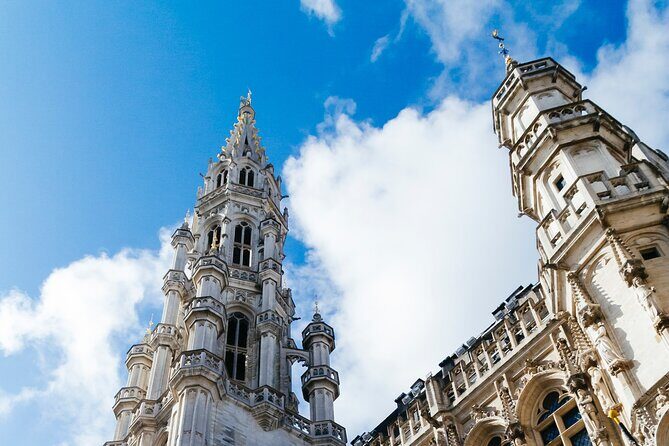
The Grand Place is the heart of Brussels, and this tour gives you the story behind why it’s famous instead of leaving you with only photos. You’ll learn that it has been a UNESCO World Heritage site since 1998—but the real hook is what happened before that recognition.
Here’s the detail I’d carry with me if I were visiting on my own: in 1695, the French king Louis XIV’s army caused devastating damage, destroying a large portion of the city. The Grand Place then got rebuilt in just four years, which is a wild timeline for something on that scale.
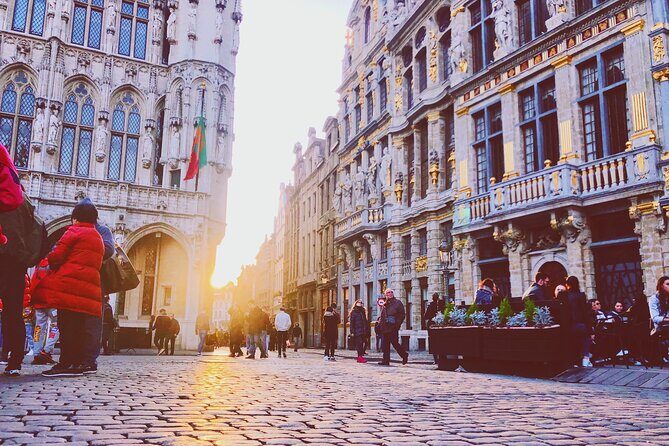
You’ll also get architectural points that make the Town Hall feel less random. The Town Hall is Gothic, and from the top of its tower there’s a statue of the Archangel Michael slaying the devil. It’s the kind of feature that’s visible if you know where to look—and easy to miss if you don’t.
Why this stop is worth a guided format: the Grand Place can feel like a single giant postcard. With a guide, you start noticing layers—power, recovery, and the way civic buildings communicate status. It turns the square into a story you can walk through.
Town Hall to Manneken Pis: from civic power to playful myth
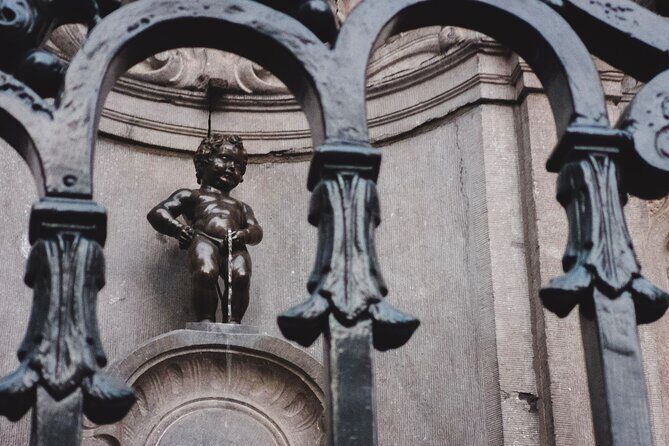
Right after the Grand Place, you’ll hit Manneken Pis, a landmark that’s famous largely because it’s so instantly recognizable. This tour treats it as more than a quick photo stop. You’ll learn the basics that make it hit harder when you’re standing there: it’s a 61 cm bronze sculpture depicting a naked little boy urinating into a fountain basin.
It’s funny, yes. But it also works as a cultural marker. Manneken Pis has become Brussels shorthand for irreverence and local character. Even if you don’t think you care about street statues, it’s the kind of moment that breaks up the heavier architectural storytelling and gives you that “only-in-this-city” feeling.
One practical note: plan your time at Manneken Pis for quick scanning and a photo. This is one of those spots where foot traffic can make lingering feel awkward, and it’s better to let the guide’s pace keep you moving without rushing.
Sablon district strolls and the kind of shopping you can actually enjoy
After the big landmarks, the tour shifts into the Sablon district. This area is known for boutiques and that slightly more curated, old-world shopping atmosphere. You don’t have to be a serious shopper to enjoy the stroll—this is where the city feels less like an exhibit and more like a place people live in.
I like this part because it gives you a break from the “top sights only” rhythm. When you walk through Sablon, you start to understand Brussels as something with neighborhoods and everyday style, not just monuments.
Another payoff: guides tend to offer local recommendations for what to do and where to eat during your remaining time. That’s often where tours like this earn their keep—especially if you only have a day or two in town and don’t want to waste it guessing.
If you’re traveling with kids, this portion also tends to help. The pace slows a bit, and the sights are more varied than the strict monument-to-monument pattern.
You can also read our reviews of more food & drink experiences in Brussels




Mont-des-Arts: the viewpoint that explains the city’s layout
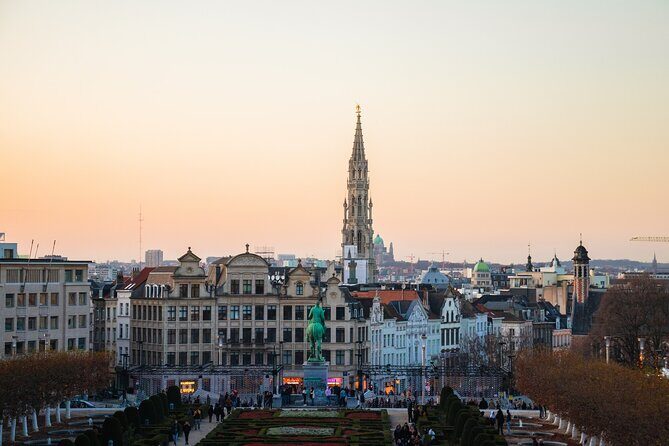
The last main highlight is Mont-des-Arts, and it’s a smart way to finish. The big idea here is connection: Mont-des-Arts helps you see how Brussels links its upper and lower areas.
You’ll visit the Square congress centre, noted for its glass cube and a statue of Albert I. There are also gardens and esplanades, and this “green transition” quality is the reason the ending feels satisfying rather than abrupt. It’s not just another photo spot; it’s a breather with a viewpoint effect.
Admission details here are straightforward: the stop includes free admission with about 10 minutes for that area.
For me, this ending works because it turns the day into more than a checklist. You leave with a mental map: where the civic core sits, where the tourist icons cluster, and how the city steps between different elevations.
How the guide experience pays off (especially if you get Yasmine)

A tour lives or dies on the guide’s ability to translate what you see into something you can remember. In the feedback for this tour, the standout pattern is exactly that: guides are friendly and provide a lot of detail without making it feel stiff.
When Yasmine is the guide, the comments point to a careful, attentive style and real passion for the city. That kind of energy matters because it changes your relationship to the stops. You don’t just watch; you start looking.
Here’s what you can expect, in practical terms:
- You’ll learn little-known context behind the major monuments, like why the Grand Place has the look it does after the 1695 destruction.
- You’ll get guidance for what to notice as you walk: which tower features matter, what makes Manneken Pis so symbolic, and how Sablon differs in tone.
- You’ll leave with inside recommendations for your remaining time in Brussels—useful if you’re trying to plan dinner or decide what’s worth a second visit.
It also helps that the tour includes a mobile ticket, which makes check-in easier when you’re traveling light.
Price and timing: is $45 worth it for 2.5 hours?
At $45, you’re paying for three things: a guided walking experience, time in the most efficient highlights of central Brussels, and the included waffle tasting.
To judge value, think in “time saved” and “decisions removed.”
- Without a guide, you might still see the Grand Place, Manneken Pis, and Mont-des-Arts—but you’d spend extra effort trying to figure out what the details mean.
- You’d also likely spend time deciding where to eat, while on this tour the waffle moment is built into the flow.
At 2 hours 30 minutes, it’s also a workable length. It’s long enough to cover real highlights and still short enough for you to keep the rest of your day open. It’s a nice choice if Brussels is part of a multi-city trip and you want a high-impact introduction.
Group size maxing at 30 people is another value signal—your guide should still be able to keep control of the pace and respond to questions.
Practical tips so the walk stays fun
This is a walking tour, so a little prep makes it smoother:
- Wear comfortable shoes. Cobblestones plus photo stops add up.
- Check the weather the day before and bring rain protection if needed. A raincoat or poncho can save the day.
- Bring some cash, since it’s advised to have it on hand.
- Use public transport to get to the start—there’s no hotel pickup, so plan on arriving under your own power.
- If you’re staying in Brussels only briefly, this tour is a strong first-day move because it gives you a map and a language for what you’re seeing.
One more note: the tour is not recommended if you have difficulty walking. If mobility is a concern, you’ll want to choose a different format.
Who this tour suits best
This one fits especially well if you:
- Want a short, efficient Brussels intro.
- Care about understanding the story behind famous sites like the Grand Place.
- Like food as part of the day, not as a separate errand.
- Prefer a guided route that helps you plan the rest of your trip with local suggestions.
If your travel style is more “wander freely with no schedule,” you might find a walking tour feels structured. But if you enjoy a guided pace with frequent context, this hits the sweet spot.
Should you book this Brussels waffle history walk?
Yes, if you want a smart mix of Brussels icons + food + explanations in one compact afternoon. The included Belgian waffle tasting is a solid bonus, and the guide-led detail at the Grand Place and Town Hall is the kind of payoff that makes the tour more than a sequence of landmarks.
Book it especially when you’re short on time and want to avoid guesswork. Start here, then use the recommendations you get to fill in the rest of your Brussels days.
FAQ
FAQ
Where does the tour start and where does it end?
You’ll start at Régie Communale Autonome Bourse-Beurs, Bd Anspach 80, 1000 Bruxelles, Belgium, and end at Mont-des-Arts, 1000 Brussels, Belgium.
How long is the Brussels Walking Tour with waffle tasting?
It runs about 2 hours 30 minutes.
What is included in the price?
The price includes a waffle tasting and a local guide.
Is hotel pickup or drop-off included?
No. Hotel pickup and drop-off are not included.
Is the tour offered in English or Spanish?
Yes. The tour can be done in English or Spanish.
Do I need a mobile ticket?
Yes. The tour uses a mobile ticket.
Do I need to bring cash?
It’s advised to have some cash with you at all times.
Can I bring pets?
Unfortunately, pets are not allowed.
What is the cancellation policy?
You can cancel for a full refund up to 24 hours in advance of the experience start time. If you cancel less than 24 hours before, the amount paid is not refunded.