REVIEW · BRUGES
Dunkirk Operation Dynamo Battlefield tour from Ypres,Arras, Bruges or Lille
Book on Viator →Operated by Ploegsteert Sector Battlefield Experience · Bookable on Viator
Dunkirk is history you can feel. This day trip follows Allied troops through the story of Operation DYNAMO, with coastal sites, fortifications, and museum time that explains what was happening and why it mattered. I especially like that hotel pickup (from Ypres, Arras, Bruges, or Lille) keeps the day stress-free, and that lunch is included.
You’re also getting a guided route that connects the dots between beach, fort, and what the evacuation meant in real terms, including what survived and what didn’t. One possible drawback: two of the beach-related stops are short, so you’ll want to be ready to move at a steady pace.
If you care about WWII in a practical, place-based way, this tour hits the sweet spot: you visit Fort des Dunes and the Dunkerque 1940 Operation Dynamo museum that was used as a command post during the evacuation.
In This Review
- Key tour takeaways before you go
- Why this Dunkirk day trip makes sense from Ypres, Arras, Bruges, or Lille
- Price and value: what $589.78 covers on a 7-hour outing
- Morning logistics: start at 9:00 and get moving with pickup
- Plage de Zuydcoote and the Crested Eagle shipwreck at low tide
- Fort des Dunes: why this fort matters for Operation Dynamo
- Museum Dunkerque 1940: the command post used during the evacuation
- The beach stop that zeroes in on numbers: 338,000 embarked
- Lunch at a local restaurant: fuel for a serious day
- The Atlantic Wall connection and how a guide turns stops into a story
- Pace check: short stops, steady movement, and what to bring
- Who this tour suits best (and who might want to skip it)
- Should you book the Dunkirk Operation Dynamo Battlefield tour?
- FAQ
- What time does the tour start?
- How long is the Dunkirk Operation Dynamo Battlefield tour?
- Where does the tour pick you up from?
- Is hotel pickup included?
- What’s included in the price besides the guide?
- What is not included?
- Is the tour private?
- What’s the cancellation window?
Key tour takeaways before you go
- Convenient pickup and drop-off from nearby starting cities so you don’t burn time on logistics
- Real sites with short, focused time blocks along the Dunkirk coast
- Fort des Dunes plus the museum command post, both built around Operation Dynamo
- Lunch and bottled water included, so you can focus on the day instead of budgeting
- Private-tour format so the pacing stays tuned to your group
Why this Dunkirk day trip makes sense from Ypres, Arras, Bruges, or Lille
Dunkirk is hard to experience the right way if you try to DIY it. The coast is spread out, the key sites are not all near each other, and you’d spend your day on a map instead of understanding the story. This tour is built for a single, coherent day: pickup, the coast’s biggest anchors, and museum learning time, then back again.
What’s clever here is the balance between outdoor sites and indoor context. You do not just look at beaches. You also get historical framing through the fort setting and museum spaces tied directly to the evacuation effort. For a lot of people, that turns the day from a list of stops into a real narrative.
And because it’s private (only your group), you’re not squeezed into a megagroup schedule. That matters when the topic is serious and you want your guide to slow down where questions come up.
You can also read our reviews of more tours and experiences in Bruges.

Price and value: what $589.78 covers on a 7-hour outing
At $589.78 per person, this isn’t a cheap “see the highlights and go” day. But the value shows up in what’s included and what would normally cost you extra on your own.
Here’s what you get that usually adds up fast on the ground:
- Hotel pickup and drop-off, plus port pickup and drop-off
- Lunch at a local restaurant
- Entrance fees for the fort and the main Dunkirk museum stops
- Bottled water, plus the driver/guide
Two short, practical thoughts about value.
First, the time-saver is real. Getting from your starting city to Dunkirk sites takes effort, and this tour hands you the transportation without you juggling schedules. Second, the day has a “learning built in” rhythm: you’re not only paying for transport; you’re also paying for guided interpretation and paid access where it matters.
One more factor: it’s described as a tour that’s often booked well ahead (about 190 days in advance on average). If you’re traveling in a busy period, early booking can be the difference between having options or waiting.
Morning logistics: start at 9:00 and get moving with pickup
The tour starts at 9:00 am, with a pickup offered from your chosen departure area (Ypres, Arras, Bruges, or Lille). You’re set up to begin directly with the first Dunkirk-linked site instead of spending your morning figuring out parking and routing.
That early start matters because coastal conditions can affect what you see. For example, one of the first stops is timed around low tide to spot a shipwreck. Even if you don’t know the details, you’ll feel how the schedule is organized around what the coast provides at the right moment.
If you’re arriving by cruise, you’ll need to provide ship name and key timing details (docking, disembarkation, and re-boarding). That’s not glamorous, but it’s exactly the kind of admin that prevents a day from turning into a “wait around and hope” situation.
Plage de Zuydcoote and the Crested Eagle shipwreck at low tide
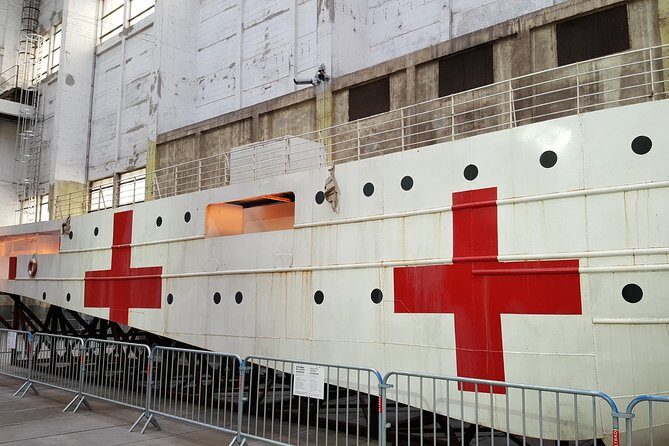
Your first stop is Plage de Zuydcoote, where the focus is on the shoreline history. At low tide, you can see the wreck of the Crested Eagle, one of the beaches used to bring troops back to England.
This is the kind of stop that works better with context than without it. A beach alone can feel like scenery. Add the Operation Dynamo story, plus a specific shipwreck connection, and you get a physical reminder of the evacuation’s scale and urgency.
A few practical considerations:
- The stop time is about 20 minutes, so you should arrive ready to look and listen, not ready to wander.
- The shipwreck view depends on tide timing, which is why tours with a low-tide angle are worth following instead of trying to plan on your own.
Admission here is free, so your “cost” is mostly your attention span and your camera battery.
Fort des Dunes: why this fort matters for Operation Dynamo
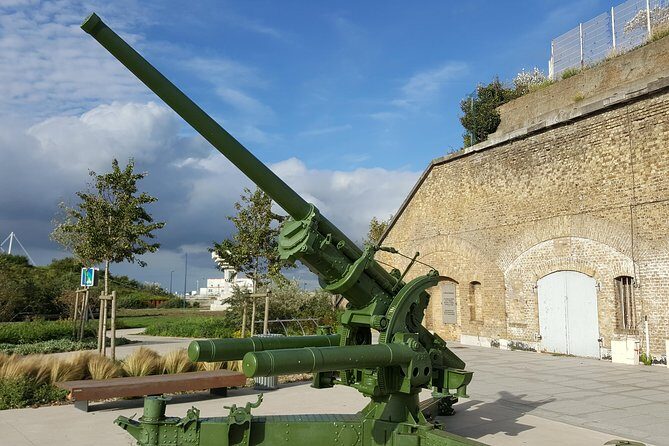
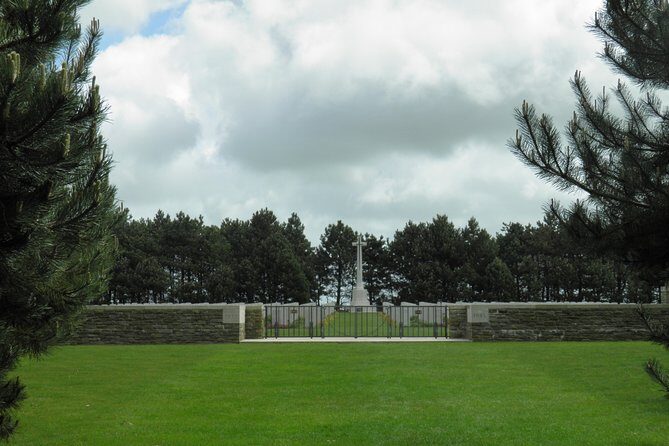
Next you head to Fort des Dunes, where you get a mix of fort atmosphere and dedicated exhibition time tied to Operation Dynamo. You’ll spend about 2 hours here, and admission is included.
Why it works: a fort isn’t just a building. It’s a viewpoint. It’s structure meant for defense, observation, and survival—exactly the kind of setting where the evacuation story feels more real. Even if your focus is on WWII events, the fort helps you understand what soldiers and planners were dealing with: coastline geography, defensive thinking, and the pressure of time.
A good sign that this stop is well chosen is that it’s not just outside views. There’s an exhibition inside focused on Operation Dynamo, which gives you the chance to connect what you saw earlier on the beach to what the evacuation effort required.
If you tend to get museum fatigue, take a quick approach: spend the first chunk looking for dates and names, then let the later time smooth out into a clearer story.


Museum Dunkerque 1940: the command post used during the evacuation
After the fort, you’ll visit the Museum Dunkerque 1940 Operation Dynamo, with about 1 hour of museum time. Admission is included, and this museum is described as a command post used during the evacuation of Dunkirk.
That detail changes how you experience the rooms. A command post is about decisions, not just events. When you walk through spaces tied to planning and coordination, you naturally start imagining the pace: messages, constraints, and the constant scramble to get people out.
You’ll also get exhibitions and artifacts that support the overall story of what Operation Dynamo was and how the evacuation unfolded. The guide helps translate the museum into plain language so it doesn’t become a wall of facts.
This is one of the strongest parts of the tour for people who like history that has a physical location behind it, not just a printed timeline.
The beach stop that zeroes in on numbers: 338,000 embarked
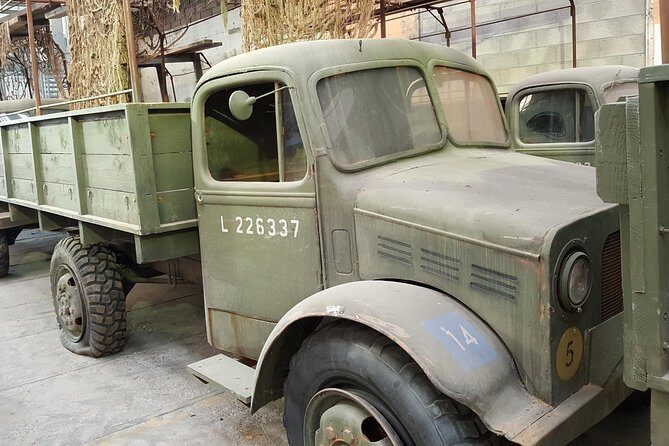
Then comes one of the quieter but powerful moments: On the Beach, with about 30 minutes and free admission.
The key detail here is the scale: the beaches where 338,000 people embarked. That number is doing a lot of emotional work, and you don’t need fancy interpretation to feel why. You’re not just seeing sand and water. You’re seeing the setting for a mass operation under threat.
This stop is short, so treat it like a guided pause, not a long scenic stroll. If you want photos, plan quick shots early, then focus on what the guide is pointing out. It helps you remember the places by meaning rather than by scenery.
Lunch at a local restaurant: fuel for a serious day
A good day trip needs a good break, and this one includes lunch. The tour includes lunch at a local restaurant, and water is also included.
From a comfort standpoint, lunch matters because WWII-focused touring can be mentally heavy. If you skip food or grab something quick, you’ll feel it later. With lunch included, you can sit down, reset, and then return to the sites with better energy.
There’s also a practical benefit: because lunch is scheduled as part of the tour, you’re not hunting for a restaurant in an unfamiliar area while trying to stay on time.
The Atlantic Wall connection and how a guide turns stops into a story
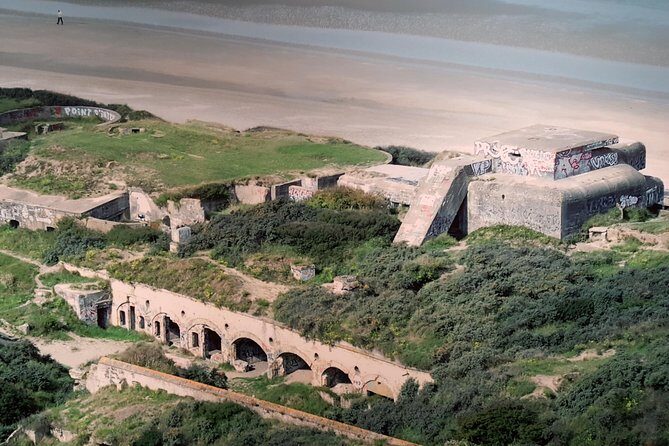
One of the listed highlights is the Atlantic Wall area and fortification context. You’ll also hear explanations that connect these coastal remnants to the evacuation route and battlefield reality.
This is where the guide makes the day click. Guides on this route are described as friendly, punctual, and able to connect the sites with clear world-war context. One guide name that comes up is Claude, praised for being accommodating and for choosing a good lunch spot.
Even if you’re already interested in WWII, a good guide saves you from overthinking and under-seeing. You get the “what to notice” layer: what the site is, why it was relevant then, and how it fits into Operation Dynamo instead of floating as an isolated stop.
Pace check: short stops, steady movement, and what to bring
This is a 7-hour tour with multiple locations and set time blocks. That usually means a steady pace rather than a leisurely day. Two beach-related stops are brief, while the fort and main museum take longer chunks.
Plan your expectations accordingly:
- You’ll likely spend more time inside at Fort des Dunes and the Dunkirk 1940 Operation Dynamo museum.
- You’ll spend less time wandering on the shoreline, especially on stops designed around specific viewing moments.
What I’d bring for comfort (based on coastal touring logic and the fact you’re on beaches and in museums):
- A light layer for wind along the coast
- Comfortable walking shoes
- A small camera plan: quick photos first, attention second
- Any medication you might need, since you’re booked for a full day
If you’re traveling with kids, the tour info notes that children must be accompanied by an adult. For families, it helps if your group can handle a serious topic and not expect a playground stop.
Who this tour suits best (and who might want to skip it)
This tour fits best if you want:
- A guided day focused on Battle of Dunkirk and Operation Dynamo at meaningful sites
- A route that includes the Fort des Dunes exhibition and the command post museum
- Convenience (pickup and drop-off) plus included lunch
It may not be the best fit if you want lots of free time to roam. Beach stops are designed to be efficient, not endless. You’ll also be on a single-day schedule, so it’s not ideal if you like slow, open-ended sightseeing.
Still, for most people with a serious interest in WWII—even if you’re a first-timer—the structure is exactly right. You get enough time to feel the place, plus enough context to understand it.
Should you book the Dunkirk Operation Dynamo Battlefield tour?
I’d book this tour if you want a well-paced, guided day that links beach sites, fortifications, and museums into one clear story. The standout practical wins are the hotel pickup, included lunch, and the fact that paid entrances cover the fort and museum stops that give the day its meaning.
I’d think twice if you hate tight time blocks or you’re hoping for hours of beach wandering. This is organized around key moments and museum learning, not open-ended strolling.
If you’re deciding between doing it on your own versus letting someone drive the route and explain the context, this is one of those days where a guide is the difference between seeing Dunkirk and understanding Dunkirk.
FAQ
What time does the tour start?
The tour starts at 9:00 am.
How long is the Dunkirk Operation Dynamo Battlefield tour?
It runs for about 7 hours.
Where does the tour pick you up from?
Pickup is offered from Ypres, Arras, Bruges, or Lille.
Is hotel pickup included?
Yes. Hotel pickup and drop-off are included.
What’s included in the price besides the guide?
The tour includes bottled water, lunch, and driver/guide time, along with hotel and port pickup/drop-off and local taxes. Entrance fees for the included museum and fort stops are also part of the package.
What is not included?
Alcoholic drinks and souvenir photos are not included.
Is the tour private?
Yes. It’s described as private, with only your group participating.
What’s the cancellation window?
Free cancellation is available up to 24 hours in advance of the experience’s start time for a full refund. If you cancel less than 24 hours before the start, the amount paid is not refunded.