REVIEW · BRUGES
Bruges: Ticket Volkskundemuseum (Folk Museum)
Book on GetYourGuide →Operated by Musea Brugge · Bookable on GetYourGuide
A museum of everyday Bruges feels oddly alive. I love the restored worker’s interiors that make 19th and early 20th-century life feel close and specific, and I also love the antique objects you can study up close, from tobacco products and pipe heads to pilgrimage pennants and old children’s games. It’s the kind of place where small details do the storytelling.
One thing to plan for: you’ll want to travel light, because large bags and luggage aren’t allowed, and flash photography is also off-limits.
In This Review
- Key things you’ll notice right away
- A $9 ticket that buys real atmosphere in Bruges
- Step through restored Bruges interiors, room by room
- The antique objects do the heavy lifting
- A museum layout that feels like a day’s worth of errands
- Classroom, pharmacy, and tailoring: practical windows into old work
- Confectionery and grocery: where daily joy meets daily needs
- Upper floor activities and rotating temporary exhibitions
- Indoor gardens and folk games when the weather turns
- Seasonal moments: sweet-maker afternoons and December festivals
- Sweet maker on Thursday afternoons
- Mid-winter Festival in December
- Who should buy this ticket?
- Practical tips to make your visit smoother
- Should you book the Volkskundemuseum Folk Museum ticket?
- FAQ
- How much is the Volkskundemuseum ticket?
- How long should I plan for a visit?
- What does the ticket include?
- What kind of rooms and places will I see?
- Are pets allowed?
- Can I bring luggage or large bags?
- Are there free tickets for children?
Key things you’ll notice right away
- Restored laborer dwellings that recreate daily life in Bruges with period rooms and furnishings
- Antique collections ranging from tobacco and pipe parts to pilgrimage pennants and vintage games
- Rotating temporary exhibitions that keep repeat visits interesting
- Room-by-room special spots like an old classroom, vintage pharmacy, tailor’s workshop, and more
- Seasonal happenings such as sweet-maker afternoons and a December mid-winter festival
A $9 ticket that buys real atmosphere in Bruges
At about $9 per person for a 1-day visit, the Volkskundemuseum is good value if you like museums that feel tangible. This isn’t about sweeping panoramas or abstract themes. It’s about rooms, objects, and routines—how people lived, worked, shopped, and celebrated in and around Bruges during the late 1800s and early 1900s.
A practical bonus is that the ticket includes entrance to the museum and temporary exhibitions, so you’re not paying extra just to see what’s changing. And if you want to reduce waiting time, you can use the ticket option that helps you skip the ticket line.
The museum also works as a flexible stop. You can check availability for starting times, and once you’re inside, you can move at your own pace through the preserved interiors and the exhibit spaces on the upper floor.
A few more Bruges tours and experiences worth a look

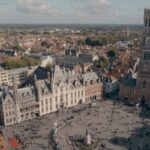
Step through restored Bruges interiors, room by room
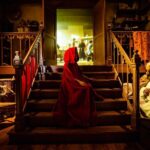
The core experience is walking through historical spaces that feel staged—but not in a fake way. The museum recreates the daily world of Bruges with carefully restored laborer homes that function like a time machine you can walk through slowly.
I like how the rooms don’t just look old. They’re set up like someone is about to come back in: the textures, the objects, and the little everyday details make you think about routine. If you enjoy understanding how ordinary people lived (not just wealthy mansions), you’ll probably find this approach satisfying.
Inside the museum, you move through multiple themed spaces, including:
- an old classroom
- a vintage pharmacy
- a tailor’s workshop
- a confectionery store
- a grocery store
Each area helps you connect the dots between work, education, health, and shopping. You’re not just seeing artifacts; you’re seeing their roles in a household economy.
The antique objects do the heavy lifting
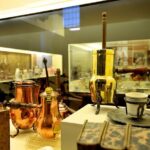
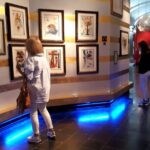
The museum’s storytelling often comes from the collection. You’ll encounter a “treasure trove” of artifacts tied to the everyday world of the 19th and 20th centuries. What makes this more enjoyable than a standard display case is the range: you get both useful items and small cultural pieces.
Some of the objects mentioned in the museum’s featured content include:
- tobacco products
- finely crafted pipe heads
- pilgrimage pennants
- vintage children’s games
- cake and chocolate molds
That last group is surprisingly fun. Even if you don’t read every label, you’ll still get the point: people made treats at home or visited makers that produced them in specific forms. When a museum includes tools and molds like these, it turns “food culture” into something concrete you can picture.
For older visitors, it can feel like a nostalgic walk through the kinds of items people once owned and used. For younger visitors, it can feel like a collection of puzzles—objects that prompt questions even if you don’t know the full historical context yet.
A museum layout that feels like a day’s worth of errands
One of the smart things about the Volkskundemuseum is how the rooms map onto everyday life. You start in laborer dwellings and then you pass through spaces that resemble stops on a normal day: education in the classroom, health in the pharmacy, clothing in the tailor’s shop, sweets in the confectionery, and basic provisions in the grocery.
This structure matters because it makes the museum easier to navigate. Instead of thinking, Where do I go next? you can think, What does a person do in Bruges? The flow is natural.
Classroom, pharmacy, and tailoring: practical windows into old work
The old classroom gives context for schooling and routines—how children learned, and what the physical environment likely looked like. The vintage pharmacy ties everyday health and medicine to a shop setting, not a modern hospital system. And the tailor’s workshop brings work into focus: clothing repair and production were skilled, local services that supported families.
You can also read our reviews of more museum experiences in Bruges
Confectionery and grocery: where daily joy meets daily needs
The confectionery store and grocery store shift the mood. They remind you that the same communities that worked and studied also planned meals, bought treats, and celebrated small moments. The presence of cake and chocolate molds is a clue that the museum wants you to understand how sweetness was made, not just consumed.
If you tend to enjoy “theme museums” that teach through environments, this design should click fast.
Upper floor activities and rotating temporary exhibitions
On top of the restored rooms, the museum’s upper floor adds a different layer. This is where you’ll find engaging activities and captivating exhibitions, which helps the visit avoid feeling like only one type of space.
The museum also highlights that there are rotating temporary exhibitions. That means the Volkskundemuseum isn’t locked in time in the way some historic house museums are. You can come back and still see new content, especially if your trip includes more than one day in Bruges.
For me, this matters because it protects the experience from becoming purely “static viewing.” Even if you spend most of your day in period rooms, the temporary exhibitions and added spaces help keep your attention moving.
Indoor gardens and folk games when the weather turns
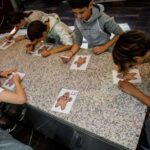
Not every museum includes a place to pause and then do something. Here, the museum includes welcoming indoor gardens where you can explore folk games.
If Bruges weather is rainy (and it often is), this is a nice way to keep energy up without just wandering. It’s also a good shift from the more quiet object-focused rooms. Folk games connect the museum’s artifacts and everyday culture to activity—something people actually did, not just owned.
If you’re visiting with kids, this part can make the museum feel less like homework and more like discovery. If you’re visiting solo or as an adult, it’s still a useful reminder that culture lived in play, not only in work and schooling.
Seasonal moments: sweet-maker afternoons and December festivals
This museum adds calendar-based fun. If your dates line up, the experience can feel extra special because it changes the atmosphere.
Sweet maker on Thursday afternoons
Don’t miss the option to visit during the first and third Thursday afternoons of each month. During the time window mentioned, the sweet maker fills the museum with the aromas of delicious treats. The information also notes that this sweet baker will return in 2024, with the earlier mention connected to the period ending September 21, 2023.
Even if you’re not there for the special period, this is the kind of detail that makes the museum feel lived-in. Smell is memory. And in a museum about everyday life, that’s a big deal.
Mid-winter Festival in December
The museum also hosts a Mid-winter Festival in December. If you’re visiting around the holidays, that seasonal event is a chance to see a different side of the folk culture theme—more celebration, less quiet browsing.
Who should buy this ticket?
You’ll likely enjoy the Volkskundemuseum most if you:
- like museums where you can study objects closely and connect them to daily routines
- want a Bruges experience that goes beyond churches and canals
- enjoy period interiors: classrooms, shops, pharmacies, tailoring, homes
- are traveling with kids who benefit from hands-on or game-like spaces
- prefer indoor sightseeing that still feels specific and real
You might think twice if you want a fast, highlight-only museum. This place works best when you slow down and let the details do the work.
Practical tips to make your visit smoother
A few simple rules will help you have a better time.
- Travel light: no large bags or luggage are allowed. If you’re arriving from elsewhere in Belgium with day packs only, you’re already in good shape.
- Plan for indoor time: much of the experience centers on restored interiors, so bring layers you can handle comfortably.
- Flash photography is not allowed, so rely on good light and normal phone/camera settings.
- The museum is suitable for different ages, but kids under 13 have a clear advantage: children under 13 can get a free ticket at the box office.
As for pets: they aren’t allowed, but assistance dogs are allowed, so you can plan without worry if that applies to your situation.
Should you book the Volkskundemuseum Folk Museum ticket?
Yes, I’d book it if you want a Bruges day that feels personal, detailed, and grounded in everyday life. For the price—around $9—you’re getting restored homes, period rooms like a classroom and pharmacy, a strong mix of antiques (tobacco, pipe heads, pilgrimage pennants, games, molds), plus temporary exhibitions that can change.
Skip it only if your ideal museum day is mostly about large-scale art or architecture with big panoramic payoff. This one rewards patience and curiosity. If that’s your style, the Volkskundemuseum is a smart use of a day in Flanders.
FAQ
How much is the Volkskundemuseum ticket?
The ticket price is listed as $9 per person.
How long should I plan for a visit?
The experience is listed as 1 day.
What does the ticket include?
Your ticket includes entrance to the museum and the temporary exhibitions.
What kind of rooms and places will I see?
You can expect restored historical interiors such as laborers’ dwellings, an old classroom, a vintage pharmacy, a tailor’s workshop, a confectionery store, and a grocery store.
Are pets allowed?
Pets are not allowed. Assistance dogs are allowed.
Can I bring luggage or large bags?
Luggage or large bags are not allowed.
Are there free tickets for children?
Yes. Children under 13 can obtain a free ticket at the box office.