REVIEW · BRUGES
From Bruges: Great War Flanders Fields Minibus Tour w/ Lunch
Book on GetYourGuide →Operated by Quasimodo Tours Bruges · Bookable on GetYourGuide
World War I hits differently in Flanders.
This full-day Great War Flanders Fields minibus tour gives you story-driven stops across the Ypres Salient, not a museum lecture. I especially like how the guide connects what you’re standing on—trenches, bunkers, graves, and craters—to the real campaign aims, including why the Germans invaded Belgium from the north. I also love that the day builds toward the Menin Gate Memorial, where you face loss on a massive scale instead of skimming it at a distance.
You’ll also want to plan for the day’s emotional weight and some uneven ground. This isn’t a museum on a flat floor; you’ll walk around memorials and war sites, sometimes over surfaces that aren’t stroller-friendly, and it’s not designed for wheelchair users or people with mobility impairments.
In This Review
- Key things that make this tour worth your time
- Entering the Ypres Story: Wipers, Rebuilt Streets, and Front-Line Purpose
- From Bruges to the Salient: Air-Conditioned Comfort and a Full-Day Pace
- Trenches, Bunkers, and Hill 60: When the Ground Explains the Tactics
- Passchendale and Polygon Wood: Cemeteries That Don’t Let You Look Away
- Menin Gate Memorial: 55,000 Missing Names and the Power of the Spot
- The Lunch Break at De Dreve: Fuel Plus a Little Museum Bonus
- The Best Part: Guides Who Tell the War as Many Countries, Not One
- Optional Last Post at Menin Gate: A Ceremony That Changes the Ending
- Who Should Book This Tour, and Who Might Skip It
- Value for Money: What $130 Buys in a 9-Hour, Guided WWI Day
- Should You Book Quasimodo Tours Bruges Great War Flanders Fields Minibus Tour?
- FAQ
- What’s included in the tour price?
- How long is the tour?
- Where do I meet the tour?
- What’s the schedule for getting back to Bruges?
- Can I visit an ancestor’s grave?
- Can I stay for the Menin Gate Last Post Ceremony?
- Is the guide language English?
- Is the tour refundable if I cancel?
- Is this tour suitable for young children or wheelchair users?
Key things that make this tour worth your time
- Menin Gate Memorial, 55,000 names: you’ll see where soldiers left for the front.
- Hill 60 and preserved battlefield features: craters and bunkers help the history feel physical.
- Passchendale and Polygon Wood cemeteries: war graves that make the scale real.
- Stories told by local historians: guides like Philippe and Lucas Catteeuw use researched vignettes, not slide decks.
- Lunch with an included stop at De Dreve (or an alternative): plus a small museum-style bonus at the lunch stop.
- Optional Last Post ceremony add-on: you can stay for the ceremony at Menin Gate and get back to Bruges.
Entering the Ypres Story: Wipers, Rebuilt Streets, and Front-Line Purpose
Ypres (often nicknamed Wipers) is the kind of place where your brain keeps trying to reconcile two images: a rebuilt medieval town and a landscape that once got hammered beyond recognition. What makes the visit click is how your guide frames the city as a strategic hinge. When the Germans pushed into Belgium to threaten France from the north, Ypres became part of the math—and the payment came in blood and weeks of grinding fighting.
After that framing, the rest of the day makes more sense. You’re not just ticking off famous sites. You start noticing patterns: why certain ridges mattered, why cemeteries clustered where they did, and why memorials keep repeating the same question—what happened to the missing?
And yes, there’s a quieter layer too. Many guides on this route (including historians you meet in the process) talk with real care about people on both sides, because remembering doesn’t mean forgetting the victims. It’s handled respectfully, and you’ll feel that in how the stops are timed and explained.
You can also read our reviews of more tours and experiences in Bruges.
From Bruges to the Salient: Air-Conditioned Comfort and a Full-Day Pace
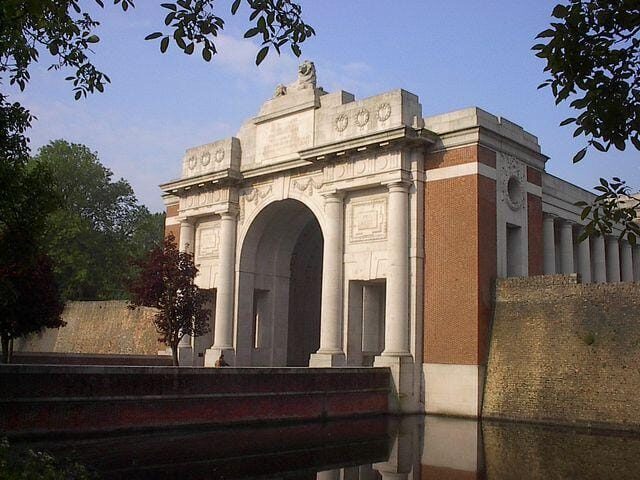
The basic shape is simple: you leave Bruges early and spend the day working your way through West Flanders down into the Ypres Salient, then head back around 6:15 PM. It’s a 9-hour day, so the tour is busy—but it’s not frantic.
The minibus is air-conditioned and designed for long stints between stops, with frequent bathroom breaks along the way. That matters because you’ll spend a good chunk of time outside of the vehicle, and you’ll appreciate the chance to reset your legs and senses before the next memorial or battlefield section.
You should also come ready for weather swings. Belgium can be unpredictable, and you’ll want comfortable shoes. On top of that, the tour doesn’t run on a “stick to the bus” schedule—your guide expects you to actually walk, pause, and look.
Trenches, Bunkers, and Hill 60: When the Ground Explains the Tactics
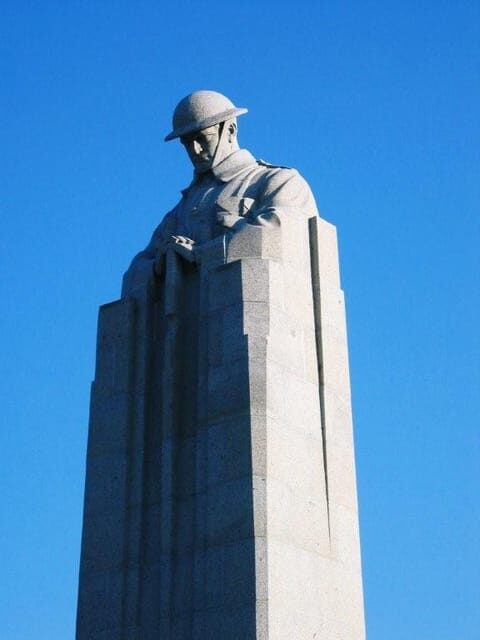
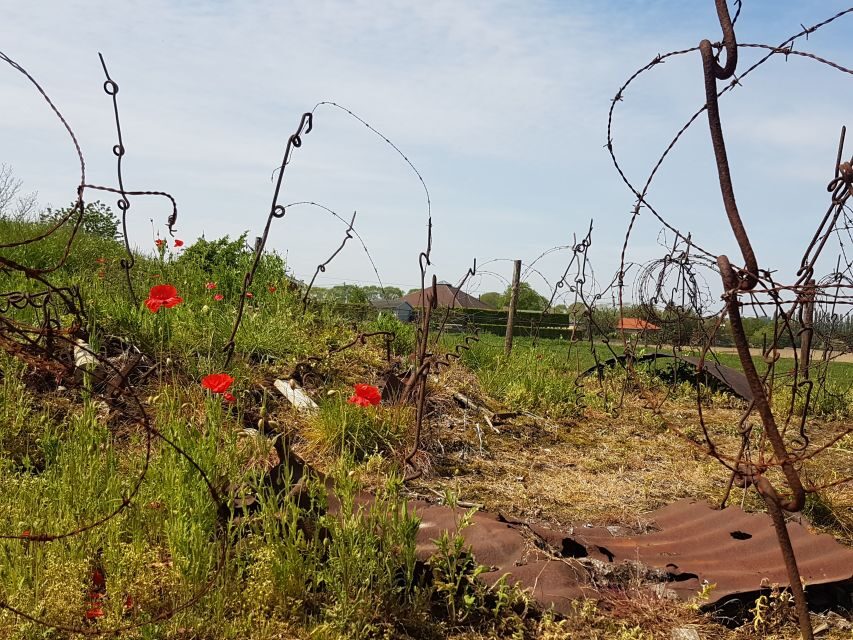
One of the strongest parts of this day is seeing what’s still there. The itinerary points you toward preserved battlefield features—restored trench lines, bunkers, and the kind of ground that shows how “war” looked at human scale. Instead of abstract maps, you get craters and remains that help explain why fighting got stuck and why artillery, observation, and supply routes mattered so much.
Hill 60 is a standout. The site is tied to preserved battlefield terrain, and the visit is less about sightseeing and more about understanding why that piece of ground mattered. From there, the guide keeps snapping the story back to what soldiers faced: mud, shelling, limited visibility, and the constant tension between small gains and huge losses.
A useful mindset for this day: don’t try to memorize every detail. Let your guide connect the dots in real time. When you’re standing at Hill 60, it’s easier to understand why later cemetery names are connected to the same specific fights.
Passchendale and Polygon Wood: Cemeteries That Don’t Let You Look Away
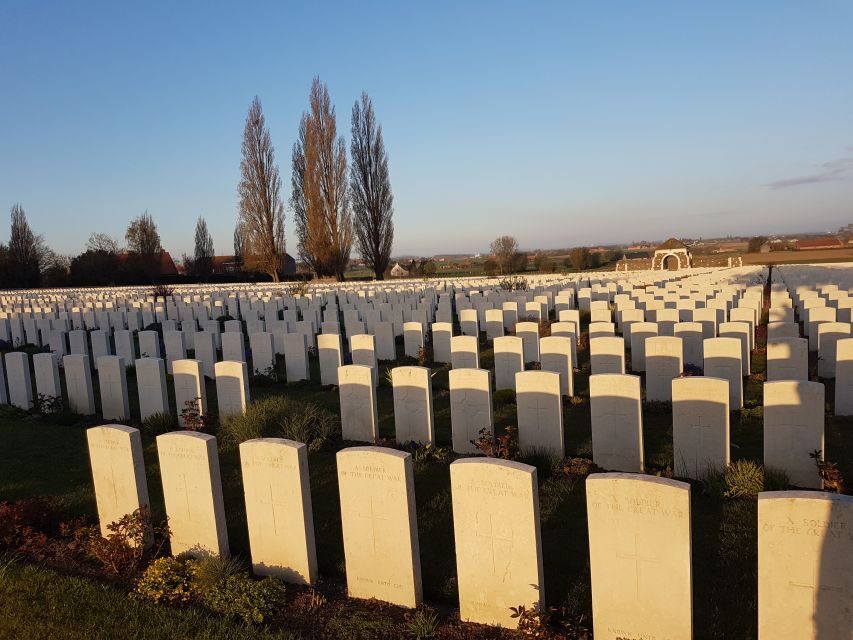
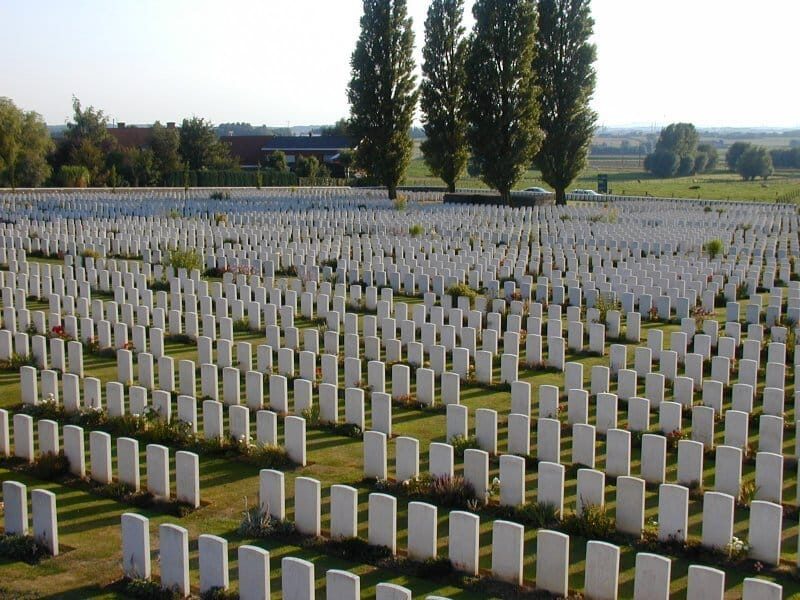
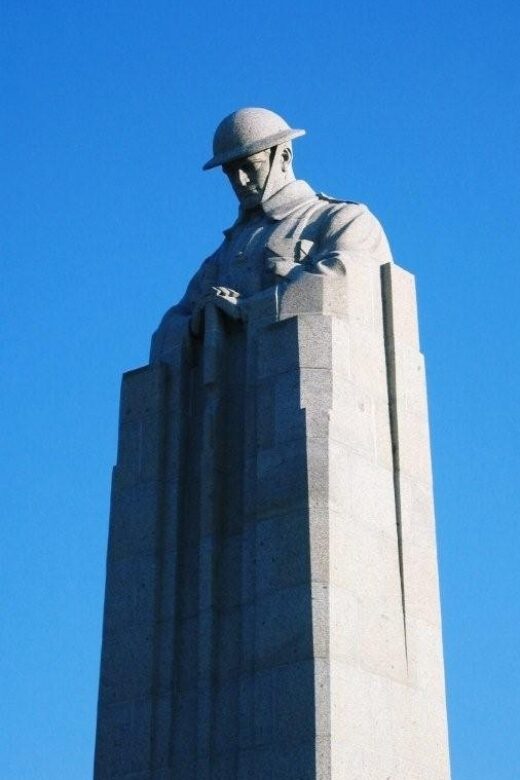
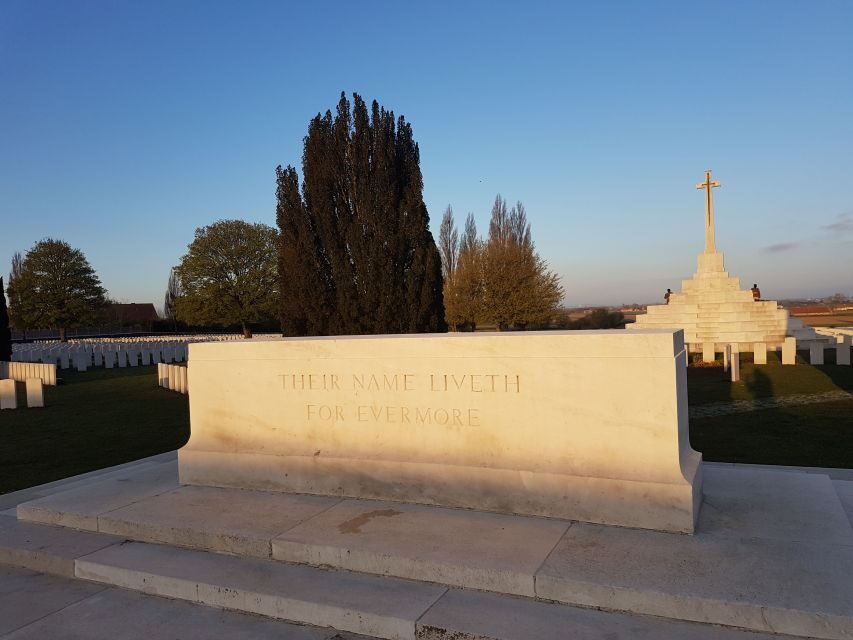
If Hill 60 helps you grasp the tactics, Passchendale (Passchendale) and Polygon Wood do the hardest job: they put the cost in front of you. You’ll stroll among war graves and memorials that are carefully placed, and the guide typically explains how these areas fit into the broader push-and-pull of the war.
This is also where you’ll feel the difference between reading about WWI and being in the place where people are buried or remembered. The scale can hit fast. Even when you think you’re prepared, the combination of names, dates, and the quiet layout makes it harder to treat this like history trivia.
Pacing matters here. The tour keeps time with you so you can absorb, not rush. That’s one reason the day tends to score so high: it respects the mood you’re walking into.
Menin Gate Memorial: 55,000 Missing Names and the Power of the Spot
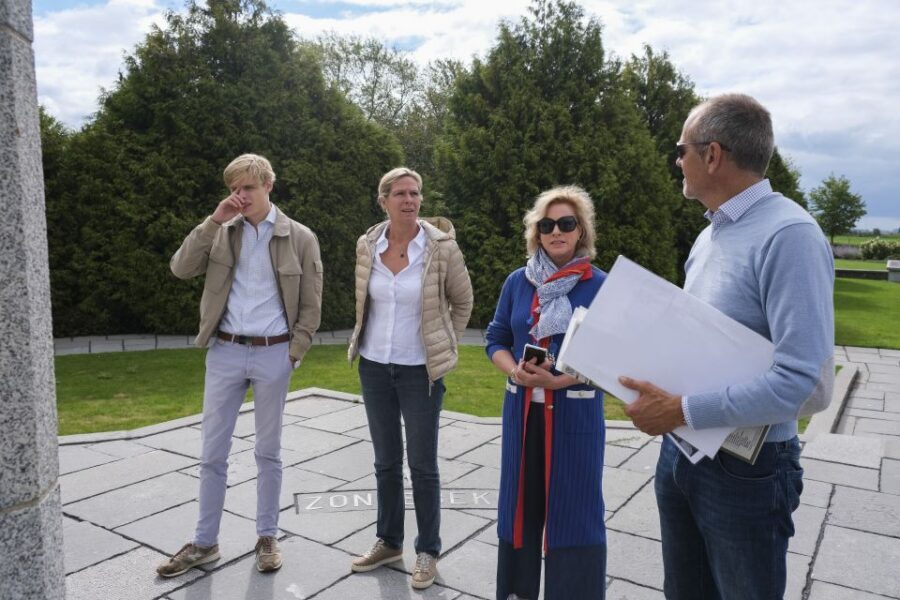
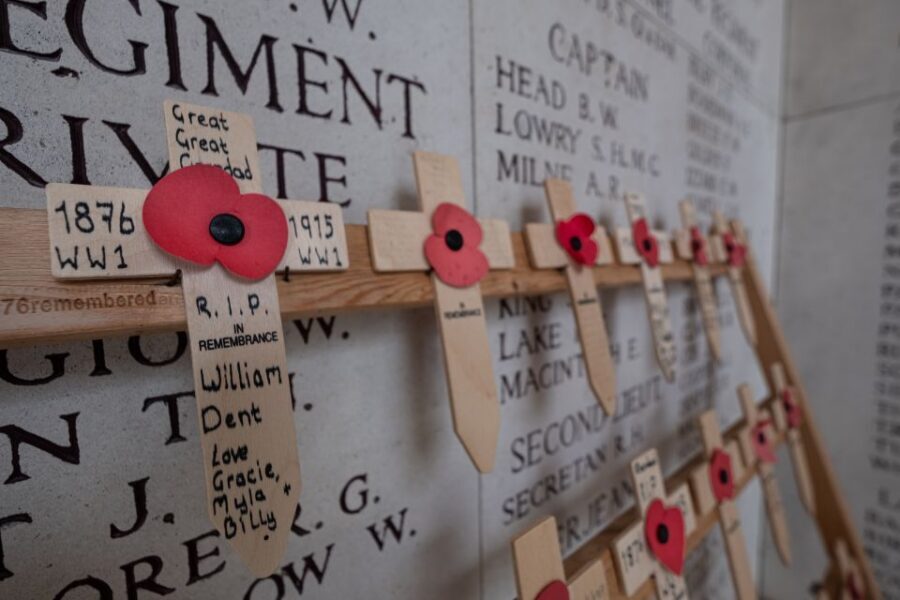
Then comes the emotional centerpiece: Menin Gate Memorial. This is a monument to the missing—built exactly on the location where soldiers left the city for the battlefront. The scale is hard to ignore: 55,000 names recorded in one place.
What I like about this stop is that it doesn’t feel like a trophy monument. The guide’s job is to connect the lists back to lives. You’ll get context about why the memorial exists and how to read it with care instead of speed-scanning.
If you’re the type who wants details, this tour feeds that too. In a few cases, guides have even helped people track where their relatives might appear by working through the Menin Gate panel information. That kind of hands-on care can turn a big memorial into something personal without making it sentimental in the wrong way.

The Lunch Break at De Dreve: Fuel Plus a Little Museum Bonus
Lunch is included, served at De Dreve or an alternative stop if needed. It’s not just a reset. The day often includes a museum-like extra at the lunch stop, giving you a chance to steady your thoughts between battlefield visits.
I like that this break is practical. You get food, you sit down, and you have a controlled pause before the tour switches back to more direct, serious memorial material. And because the tour is story-led, the lunch stop sometimes feels like a bridge—helping you frame what you just saw and what you’re about to see next.
One small note: drinks aren’t included. If you want a beer with lunch, plan for it separately.
The Best Part: Guides Who Tell the War as Many Countries, Not One
A lot of WWI tours treat the conflict like a one-country lecture. This one is different in how the guide builds the story. The tour includes how each country involved during the visit connects to the larger conflict. You’ll hear the bigger picture, and it’s usually delivered through short, human-scale vignettes.
Guides such as Philippe, Lucas Catteeuw, Johan, and Peter (seen in different runs) are repeatedly praised for respectful delivery and for answering questions without making you feel rushed. The style tends to be structured and clear: stop, place it in context, explain what you’re looking at, then move on.
Also, many guides emphasize neutrality in tone—explaining events without flattening one side into villains and the other into saints. That balance is a big part of why the day feels thoughtful instead of preachy.
Optional Last Post at Menin Gate: A Ceremony That Changes the Ending
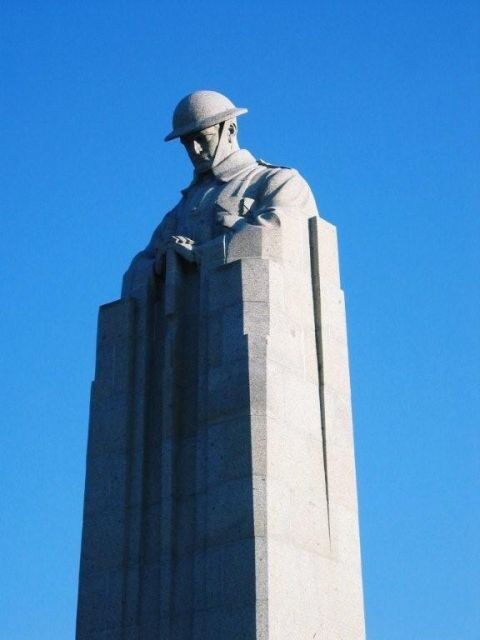
If you can spare the time, the Last Post option is one of the best ways to end the day. You can stay in Ypres for the ceremony and then get back to Bruges by taxi timing you through the evening. It’s described as short, but powerful—and people often say it’s what makes the day feel complete.
There’s an extra cost for this add-on: €35 per person, and the operator notes a minimum of two persons for the day-trip booking option. Seats can be limited, so it’s smart to request it early when you book.
What you should know emotionally: don’t schedule anything tight afterward. Give yourself room to decompress after standing at Menin Gate and hearing the ceremony. This isn’t the kind of experience you process on the spot while walking straight into dinner plans.
Who Should Book This Tour, and Who Might Skip It
This is a strong match if you want WWI history to feel grounded. It suits adults and older teens who can handle reflective subject matter and who like seeing specific sites—trenches, memorials, cemeteries—rather than relying on general museum overviews.
It’s also a good choice if you care about family history. The tour allows for an ancestor grave visit if requested ahead and when it’s possible within the Ypres Salient routing. You’ll need to ask well in advance so the guide can plan it realistically.
That said, it’s not suitable for children under 8. And it’s not built for wheelchair users or people with mobility impairments. Even if your group can manage walking, the day includes uneven ground at war sites and frequent shifts between vehicle and outdoors.
Value for Money: What $130 Buys in a 9-Hour, Guided WWI Day
At $130 per person for a 9-hour day, you’re paying for more than transport. You’re buying guided interpretation plus included lunch and a full run of key sites that most people would struggle to assemble efficiently on their own.
Here’s the practical value equation:
- You get air-conditioned minibus transport with enough stops to keep the day manageable.
- You get a live English guide who connects what you see to why it happened.
- You get lunch included at De Dreve (or an alternative stop), which cuts one big cost and one big planning headache.
- You have an optional add-on for the Last Post ceremony that many visitors find changes how they remember the day.
You will still pay for drinks, and you should bring money in small bills or change for some sites that may charge for facilities. But compared with cobbling together multiple tickets, car rentals, and self-guided driving around the Ypres Salient, this tends to feel like real value—especially if you want interpretation that doesn’t turn the day into a dry checklist.
Should You Book Quasimodo Tours Bruges Great War Flanders Fields Minibus Tour?
Yes, if you want WWI history told in a way that’s clear, respectful, and place-based. This is the type of day that works best when you’re curious and willing to slow down for memorials, because the sites themselves do most of the talking—and the guide helps you hear it.
I’d skip it only if you need minimal walking, if you’re not comfortable with heavy subject matter, or if you’re traveling with mobility limitations that make uneven ground and frequent outdoor stops difficult.
If you’re coming to Bruges and you want one full-day experience that goes far beyond day-trip sightseeing, this is a strong pick—especially when you add the Last Post option.
FAQ
What’s included in the tour price?
Transportation in an air-conditioned mini-coach, a live English guide, and lunch at De Dreve (or an alternative stop) are included. Drinks are not included.
How long is the tour?
The tour duration is 9 hours.
Where do I meet the tour?
Meet in front of the Grand Hotel Normandy at Hoefijzerlaan nr 37 in Bruges. You should stand outside the hotel at 8:55 AM.
What’s the schedule for getting back to Bruges?
You’ll return around 6:15 PM, which may vary by about 15 minutes.
Can I visit an ancestor’s grave?
It’s possible to visit an ancestor’s grave if you request it ahead of time and when it’s possible within the Ypres Salient routing.
Can I stay for the Menin Gate Last Post Ceremony?
You can request transport back to your Bruges hotel after staying for the Last Post ceremony. It has a fee of €35 per person and requires a minimum of two persons with day trip booking, and seats are limited.
Is the guide language English?
Yes, the tour has a live English guide.
Is the tour refundable if I cancel?
Free cancellation is available up to 24 hours in advance for a full refund.
Is this tour suitable for young children or wheelchair users?
Children under 8 are not suitable, and the tour is not suitable for people with mobility impairments or wheelchair users.