REVIEW · BRUSSELS
Architecture Tour of Brussels
Book on Viator →Operated by Bruges City Tours · Bookable on Viator
You’ll look at Brussels buildings with new eyes. This 2-hour architecture tour pairs an architect guide with free stops at iconic sights, then finishes with the best photo view from Mont des Arts. I love how the route connects each facade to the city’s bigger story, and I also like the small-group pace with time for photos. Grand Place sets the tone, and Mont des Arts gives you the payoff. The main thing to consider is simple: transport isn’t included, and the tour runs in the evening at 8:00 pm, so plan your arrival in advance.
Two details I really like: you get a focused walkthrough that mixes design styles (from older wooden-market roots to later Gothic and Baroque) with practical context you can use later as you wander on your own. I also like that the tour is built for photo moments—especially the viewpoint at Mont des Arts—so it’s not just lectures. Mobile ticket and English-guided delivery make it easy to join without fuss.
One possible drawback: because the group is capped at 18 and the schedule moves from stop to stop, you won’t have hours at any single site. If you prefer long, slow hangs inside churches or museums, you may want this as your “orientation walk,” then return later on your own.
In This Review
- Key highlights worth planning around
- A 2-hour Brussels architecture walk with an 8:00 pm start
- Grand Place: from wooden-market origins to Gothic and Baroque faces
- Les Galeries Royales Saint-Hubert: shopping arcade, author-era coffee corners
- La Monnaie and De Brouckereplein: royal theatre and the city’s water logic
- La Bourse de Bruxelles: the square-to-stock-exchange story
- Manneken Pis (and why it’s not just a joke)
- Jacques Brel to the Sablon: statue pause, then chocolate and church streets
- BOZAR and the Mont des Arts view you’ll actually use
- Why the guide matters here (Gamaal and Jimmy examples)
- Price and logistics: what you’re really paying for
- Should you book this Brussels architecture tour?
- FAQ
- What time does the tour start?
- How long is the architecture tour of Brussels?
- Where is the meeting point?
- Is the tour offered in English?
- Are there admission costs for the stops?
- Is transport included in the price?
- How many people are on the tour?
Key highlights worth planning around
- Architect-led explanations tied to real buildings you’ll see on foot
- Grand Place + UNESCO setting, with a clear timeline from earlier market days to today’s facades
- Royal Saint-Hubert Galleries, often described as the world’s first shopping arcade, plus author-era coffee culture
- Manneken Pis and the wardrobe museum, including the uniform collection angle
- BOZAR Centre for Fine Arts and the cultural streetscape around it
- Mont des Arts viewpoint, designed for those “city hall tower in frame” photos
A 2-hour Brussels architecture walk with an 8:00 pm start
This tour is priced at $30.10 per person and runs about 2 hours. It’s an evening walk that starts at 8:00 pm from Godiva Grand Place, Grand Place 21/22 (1000 Bruxelles), and ends back at the same meeting point. That timing matters in Brussels: in the evening, façades and shop fronts glow, streets feel less crowded, and you’re more likely to enjoy the buildings without heat and midday glare.
You’re guided by a professional local guide, offered in English, and the group size is capped at 18. That’s a sweet spot. Big tours can feel like a human conveyor belt; small tours can become conversational. Here, you get enough people to have energy, but the pacing stays manageable.
Also, the stops are listed with free admission tickets, so you’re not stacking extra costs onto the base price just to see the sights. The one logistics item to watch: transport isn’t included, so you’ll want to get to the Grand Place area before the start time.
Finally, this is run by Bruges City Tours, and it’s been consistently rated 5/5 from 10 reviews. The strong score makes sense when you look at what gets praised: the guide quality and the way the tour covers a lot of different architectural styles in a short window.
You can also read our reviews of more tours and experiences in Brussels.

Grand Place: from wooden-market origins to Gothic and Baroque faces
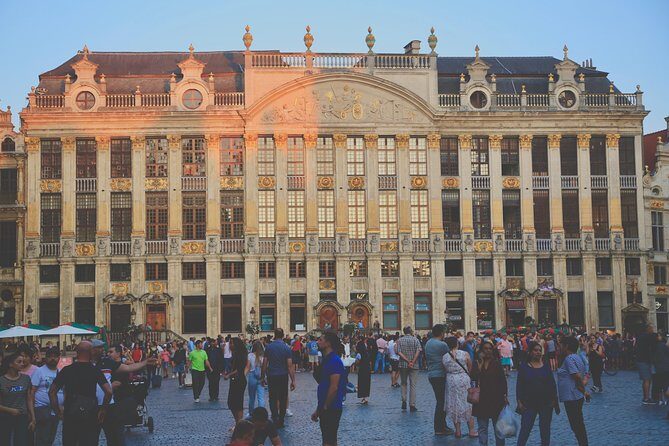
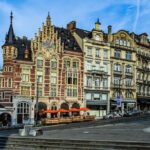
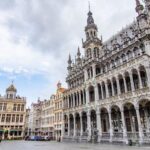
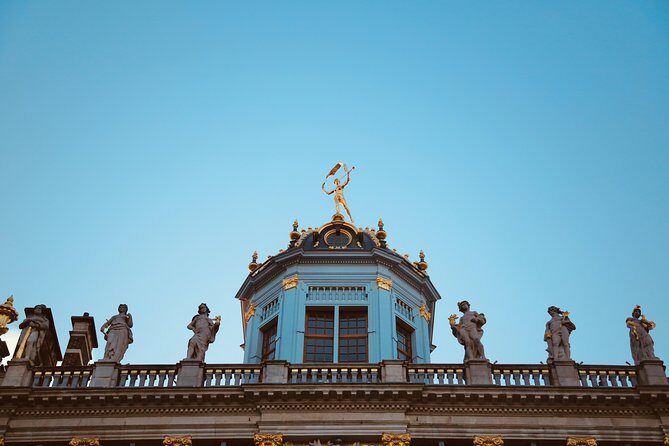
Your walk begins at Grand Place, the most visited spot in Belgium and a UNESCO heritage site. The big win here is that you’re not just looking at pretty buildings. You’re learning what the square used to be: a market surrounded by wooden houses, long before the area evolved into the Gothic and Baroque look you see today.
At this stop, you’ll focus on facades—how they’re arranged, how they read as a statement of wealth and power, and how important residents and civic life shaped what you’re seeing. Even if you’re not an architecture nerd, the explanation makes the square feel “decoded.” You’ll also have a practical opportunity to set your bearings, because this is the center of Old Brussels life.
What to watch for: façades can look busy up close, especially at night. If you feel overwhelmed, lean on the guide’s pointing out of key details. You’ll start to notice patterns fast.
Les Galeries Royales Saint-Hubert: shopping arcade, author-era coffee corners
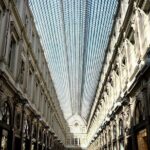
Next up is Les Galeries Royales Saint-Hubert, which the tour frames as the first shopping mall in the world—and it’s the same age as Belgium. That “same age” detail gives you a clean way to remember it: this arcade didn’t just grow alongside the country; it symbolized an era.
This stop works well because it’s architecture you can walk through under a roof. You get visual variety (arches, ornament, the sense of an indoor street), but you also get an easy change of pace from standing still. The guide also connects it to a social side of the building—coffee spots where famous authors used to enjoy coffee and work on world literature. No need to memorize names here; the point is that these galleries were never only about retail. They were about public life and ideas.
Small drawback: since this is an active shopping arcade, you may share space with other pedestrians and shoppers. It’s not a quiet monument. That’s part of the charm, but it can make the “full attention” moments shorter.
La Monnaie and De Brouckereplein: royal theatre and the city’s water logic
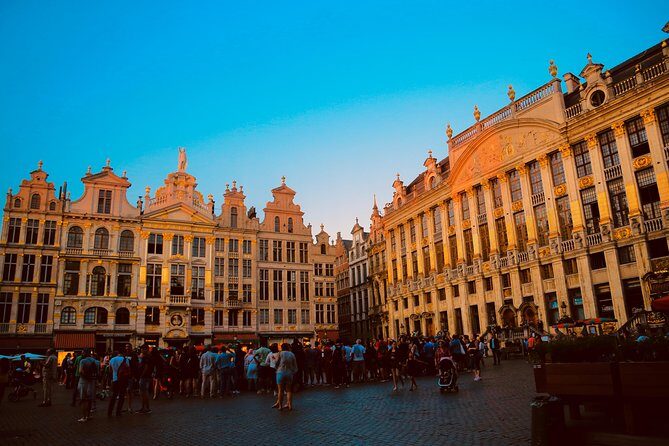
At La Monnaie, the tour highlights the royal theatre and its long, layered background. Even if you don’t go inside, the timing here is smart: you move from the airy arcade world into a more formal, civic cultural zone.
Then you shift to Place De Brouckereplein, with two themes: the De Brouckere palace and—more importantly—the old river route inside the city. This is one of those “wait, that used to be water?” moments. The guide explains how water became a backbone of defense, turning geography into city strategy.
This stop is valuable because it connects architecture to infrastructure. Buildings aren’t isolated art objects; they sit on decisions—trade routes, borders, defense logic. Once you understand that, later views of Brussels make more sense.
Tip: keep your phone camera ready, but also keep your eyes up. The river-route story is a lot easier to grasp if you can translate it onto what you see around the square.
La Bourse de Bruxelles: the square-to-stock-exchange story
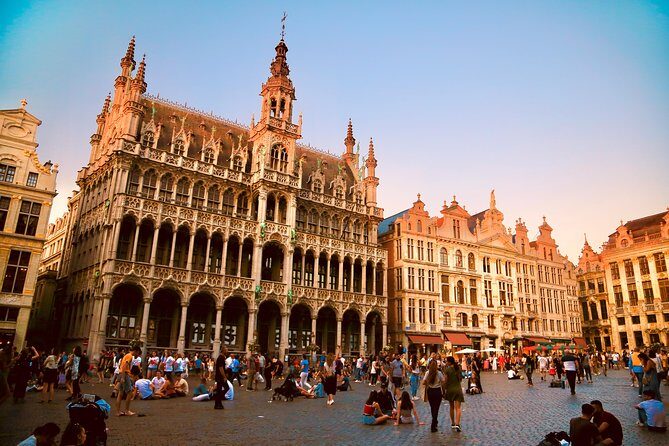
The tour then reaches La Bourse de Bruxelles. Here you’ll hear about the development of the exchange, including its link to earlier locations (it mentions Bruges, then Grand Place, then this square). The takeaway is that the “business square” idea moved around as the city evolved.
What makes this stop worth your attention is that the guide treats the building as part of the urban sequence. You’re learning not just what this one structure looks like, but why the exchange mattered enough to keep relocating and rebuilding.
Why it’s useful for you: even if your trip focus is art and architecture, exchanges and markets shape city wealth and building styles. This is the “economy explains the stone” part of the tour.

Manneken Pis (and why it’s not just a joke)
Few sites are as instantly recognizable as Manneken Pis—and the guide makes the point that it can be a letdown if you expect only a tiny statue. Here, you get a better angle: the tour talks about the stories behind the boy and especially the wardrobe with over 1200 uniforms.
You’ll also have a chance to climb up toward the wardrobe museum. That matters because it turns a quick photo stop into something more complete: instead of only laughing at the famous image, you learn that the figure has been dressed as part of Belgian cultural life.
One consideration: if you’re tall and love close-up details, the climb to the museum area helps. If you’re short on time or easily tired, keep in mind you’re adding steps into the schedule.
Jacques Brel to the Sablon: statue pause, then chocolate and church streets
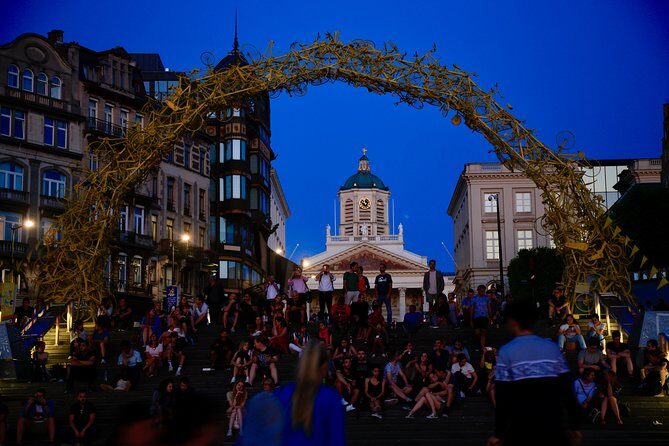
After Manneken Pis, the tour adds a quick but memorable break at a Jacques Brel statue. The tour’s framing is simple and fun: why would Brussels place a sculpture of Jacques Brel in this setting? It nudges you to look at the city as a cultural map, not only a medieval postcard.
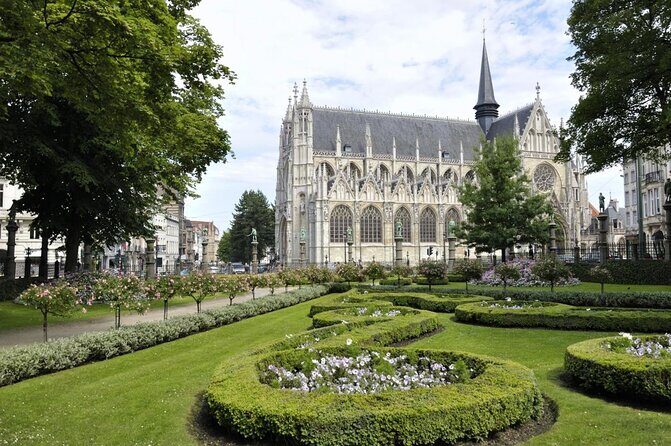
Then you move to Notre Dame des Victoires au Sablon for the Sablon stop. The tour connects the area with Notre Dame du Sablon and gives you time to think about the role of religion, local identity, and nearby food culture—specifically chocolate.
This is one of the best moments for a tourist who likes variety. You go from a playful monument to a more spiritual and heritage-focused space, with a food-related anchor so the stop feels relaxed.
Practical note: chocolate is great, but if you buy something during the walk, keep an eye on wrapping and where you’ll store it while you continue.
BOZAR and the Mont des Arts view you’ll actually use
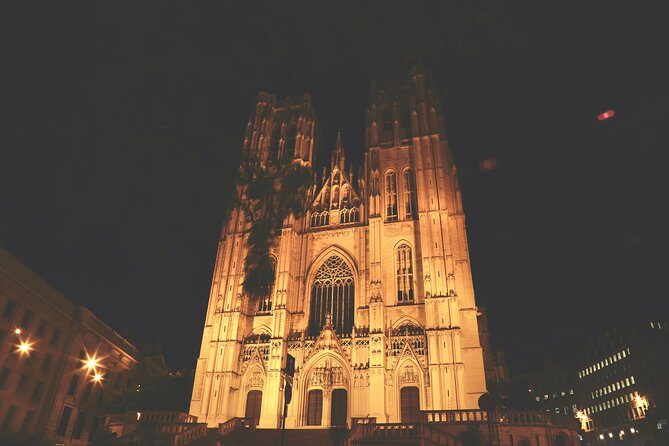
Next is a short stop at BOZAR Centre for Fine Arts, described by the tour as what you’ll find behind the big walls. This is more about atmosphere and architectural presence than a long museum session, so it works well inside a 2-hour format.
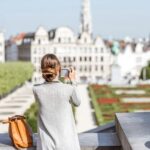
Then comes the payoff: Mont des Arts. This is where the tour turns into a photo mission without making it boring. You get the panoramic view over Brussels’ old city—highlighted by the tower of the city hall and the royal palace in the distance.
If you’re the type who takes pictures but struggles to frame them, this stop is built for you. The guide helps you aim for a viewpoint where key landmarks line up in a single shot.
What to do while you’re there: spend a few minutes not photographing. Just look. This viewpoint is one of the places where you can start identifying districts and architectural styles you saw earlier.
Why the guide matters here (Gamaal and Jimmy examples)
The most praised aspect of this tour is the guide’s ability to make architecture feel like a story you can follow. In particular, Gamaal gets highlighted for explaining history and architecture in depth while keeping it engaging, and for customizing the experience by asking what your group wants to learn about. That’s huge because architecture tours can turn into one-size-fits-all lectures.
Another name that shows up is Jimmy, praised for being extremely knowledgeable and funny, while also adapting when weather got intense—one review notes he handled strong wind without derailing the fun. That tells you something important: the guide’s job isn’t just knowledge. It’s keeping momentum and morale, especially when evening weather shifts.
So if you care about how a tour feels, this one has an advantage: it’s not only about the places. It’s about how the guide connects them and keeps you moving at a pace that stays interesting.
Price and logistics: what you’re really paying for
At $30.10 for about two hours, you’re paying for three things:
- A professional local guide (the value driver)
- A structured route that hits major architectural stops without you needing to plan a day
- Free admission at each scheduled stop per the tour listing
And you’re not paying for transport, which is the one part you’ll handle on your own. Since it starts at Grand Place near transit and ends right back there, you can pair it with dinner afterward with very little hassle.
You might also like that the tour is commonly booked around 45 days in advance. That doesn’t mean you must book early—but it’s a sign dates can fill, especially for English sessions.
Best match: this tour suits first-time visitors to Brussels who want to learn fast, architecture lovers who like multiple styles in a short radius, and anyone who prefers night walking when streets are calmer and façades look dramatic.
Not ideal if: you want deep time inside museums or long stays at each landmark. This tour is a guided overview with smart photo stops. For slow exploring, plan a second day to return to your favorite spot.
Should you book this Brussels architecture tour?
Book it if you want an efficient, well-guided introduction to Brussels’ architectural layers—from Grand Place to the Mont des Arts viewpoint—with an English-speaking guide who explains what you’re seeing in a way that actually sticks. The combination of a low ticket price, free stop admissions, and a route that covers multiple building types makes it strong value.
Skip it if your style is slow and quiet. This is moving, and it’s meant to cover highlights in a tight window. But if you want a solid orientation, a good laugh or two, and photos that feel planned rather than accidental, this is a smart choice.
FAQ
What time does the tour start?
The tour starts at 8:00 pm.
How long is the architecture tour of Brussels?
It runs for about 2 hours.
Where is the meeting point?
You meet at Godiva Grand Place, Grand Place 21/22, 1000 Bruxelles, Belgium.
Is the tour offered in English?
Yes, the tour is offered in English.
Are there admission costs for the stops?
The schedule lists admission tickets as free for each stop.
Is transport included in the price?
No. Transport is not included.
How many people are on the tour?
The tour has a maximum group size of 18 travelers.