REVIEW · BRUSSELS
Brussels: Guided Walking Tour
Book on GetYourGuide →Operated by Bravo Discovery · Bookable on GetYourGuide
Brussels makes sense on foot. This guided walk gives you an Upper City and Lower City overview of how Brussels grew from medieval streets to royal and modern landmarks, with plenty of practical answers along the way. I also really like the Belgian chocolate tasting, because it turns the tour from just photo stops into a proper Brussels moment.
The main thing to watch is the pace: it’s a 150-minute walk with lots of stops, and in cold or windy weather you’ll want comfortable shoes and layers.
In This Review
- Key Things You’ll Notice on This Brussels Walk
- Grand Place Meeting Point and How the 150 Minutes Work
- Lower City Landmarks: From Manneken Pis to the Covered Senne Zone
- Upper City Highlights: Merchant Power, Royal Spaces, and the Cathedral Inside
- Why the Chocolate Tasting Fits This Tour So Well
- Getting Recommendations You’ll Actually Use (Restaurants, Beer, Nightlife)
- Price and Value: What $23 Buys You in Real Terms
- Who This Tour Is Best For (and When to Skip It)
- Should You Book the Brussels Guided Walking Tour?
- FAQ
- How long is the Brussels guided walking tour?
- Where do I meet the guide?
- What’s included in the price?
- Are museum tickets included?
- What languages are available?
- Is the tour wheelchair accessible?
- Can I cancel and get a full refund?
Key Things You’ll Notice on This Brussels Walk
- Grand Place plus a clear Upper-vs-Lower City layout that helps you understand how Brussels developed
- Lower City landmarks like Manneken Pis, Marché au Charbon, and Saint-Géry Island
- Upper City highlights including Galeries Royales St Hubert and the Cathedral of St. Michael and St. Gudula (inside)
- A guided chocolate tasting that fits naturally into the walking route
- Real, day-to-day recommendations on food, bars, beers, nightlife, museums, and getting around by public transport
- Guides who use humor and storytelling (you may get guides such as Christophe, Ian, Liam, Patrick, Kristof, or Carolina)
Grand Place Meeting Point and How the 150 Minutes Work
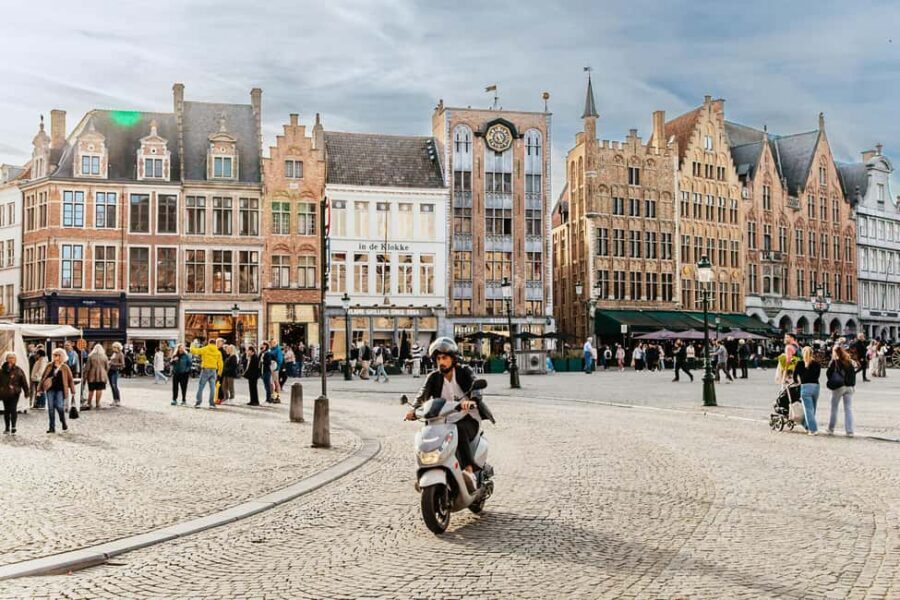
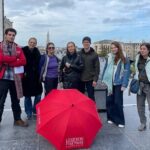
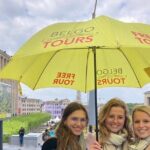
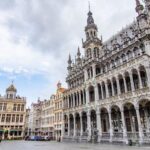
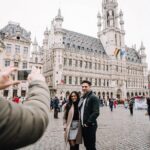
You start at Grand Place, right in front of the City Hall. Look for the white umbrella for Bravo Discovery. It’s a smart meeting spot because it puts you in the middle of the action before you even set off.
The tour lasts about 150 minutes—long enough to feel like you got your bearings, but short enough that you can still plan the rest of your day. The walking route is organized into two halves: the Upper City and the Lower City. That structure matters, because Brussels doesn’t feel like one single “level” of the city. It feels like layers—different eras, different vibes, different kinds of streets.
And yes, it’s a group walk. Expect to stand still for explanations and to walk between sights. If you’re the type who likes slow strolls and lots of free time, you may find the schedule a bit tight. If you want a high-quality overview, it’s a good fit.
You can also read our reviews of more walking tours in Brussels

Lower City Landmarks: From Manneken Pis to the Covered Senne Zone
The Lower City is where Brussels often feels most “immediate.” You’re walking among streets tied to markets, trade, and everyday city life, and the stops are stacked so you keep seeing how the city’s earlier shape still shows up around you.
Here are the Lower City highlights that anchor the route:
Manneken Pis
This one’s famous for a reason. On the tour, it’s not treated like a random statue photo. You get context that makes it feel like a piece of city character, not just a checklist item. It’s also a great moment to ask your guide what else is worth seeing nearby.
Charles Buls Street and Everard t’Serclaes Monument
This is the kind of stop that helps you connect Brussels to its people and civic identity. Even if you’ve never heard the name before, your guide will help you place why a monument like this matters in a city’s story.
Grands Carmes Street
You’ll move through street-level Brussels here—good for noticing architecture details and understanding how neighborhoods sit in relation to the big squares.
Marché au Charbon Street
Market streets can sound like trivia, but they’re actually useful. When your guide points out what the street name suggests, you start reading Brussels like a map written in words.
Covering of the Senne
This is one of the most interesting Lower City stops because it connects the city to the way Brussels has been reshaped over time. Even if you’re not a history buff, it’s a concrete landmark that makes you look at the present-day streets differently.
Riches Claires Street and Grande Île Street
These stops help you understand the city’s “center of gravity” across different time periods. The names alone are intriguing, and your guide turns that into meaning—why these areas matter and what kinds of city life you’re likely seeing around you now.
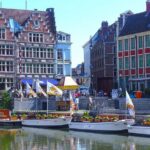
Saint-Géry Island
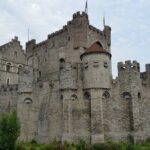
This area adds a distinct sense of place. The tour treats it as more than another pretty point on a walking route, so you come away with a better grasp of where Brussels’ old core sits.
Practical value tip: In the Lower City you’ll likely pick up lots of “where to go next” answers. If you’re trying to decide between nearby restaurants, bars, or short detours, this is the part of the tour where those recommendations start paying off.
Upper City Highlights: Merchant Power, Royal Spaces, and the Cathedral Inside
Then the tour shifts into the Upper City, and the feel changes fast. Where the Lower City gives you everyday street-life clues, the Upper City leans into status, power, and grand architecture.
Grand Place (again, but with a different lens)
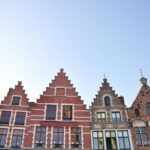
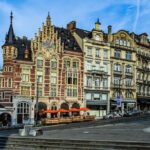
You’ll see it as the centerpiece, but your guide frames it in terms of merchants and city influence rather than only as a postcard square. It’s the sort of explanation that makes the building details feel intentional instead of decorative.
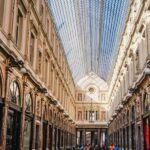
Galeries Royales St Hubert
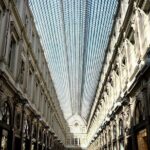
This is one of those places where you slow down without noticing. Your guide’s commentary helps you see it as a reflection of a specific kind of city confidence—shopping arcades and public life built for strolling.
Mort Subite
Passing this kind of spot matters on a guided walk, because it’s not just a landmark. It’s a cue for what local nightlife and beer culture look like in practice.
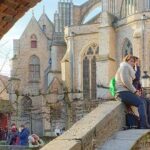
Cathedral of St. Michael and St. Gudula (visit inside)
This stop is worth planning for. The tour includes a visit inside, and you get pointed attention to specific features: stained glass windows, the Chapel of the Blessed Sacrament, and the pulpit. Even if you’re not usually a “cathedral person,” the guided walkthrough helps you know what to look at and why it’s there.
Royal Park, Royal Palace, Royal Square
This cluster gives you a clean mental picture of Brussels as a seat of government and ceremony. It’s not just sight-seeing—it’s understanding how the city’s skyline and main institutions shape daily life.
Palace of Coudenberg
This is a strong “context” stop. Your guide connects it to the story of Brussels at the top end of town, and you come away seeing the area as more than one more building. You start to read Brussels in layers again—this time with a royal angle.
Why the Chocolate Tasting Fits This Tour So Well
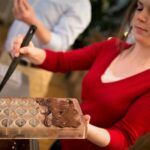
The chocolate tasting is included in the price, and that’s one of the smartest parts of the experience. It gives your afternoon a sweet anchor point, and it also ties into the guide’s broader advice about where to buy good Belgian chocolate without guessing.
Here’s what you get out of the tasting beyond the taste itself:
- Your guide typically connects the tasting to what to look for when you’re buying later.
- You learn how to spot good options at a reasonable price, instead of just paying for hype.
- It’s a natural pause during a walk, which matters when you’ve been outside for hours.
From what your guide points you toward during the tour, you’ll usually feel confident doing two things after you finish: buying chocolate as a souvenir and finding a nearby place to keep eating and drinking in a way that feels local.
Getting Recommendations You’ll Actually Use (Restaurants, Beer, Nightlife)
A walking tour is only as useful as what you do after it ends. This one leans hard into that “after” part. Your guide is there to answer practical questions about restaurants, attractions, nightlife, and getting around on public transport.
That practical focus shows up in the most praised moments of the experience: guides who don’t just recite facts, but shape the city into a plan. On this tour you might hear guides like Christophe or Ian using humor and storytelling, or guides like Liam, Patrick, Kristof, and Carolina turning the walk into a conversation.
Common strengths you can expect:
- A pace that keeps you engaged without turning into a sprint
- Explanations tied to what you’ll see next
- Recommendations that go beyond “tourist food” and point you toward local favorites, including beers and bars
- Flexibility when conditions get rough (cold weather is real in Brussels)
If you like tours where you leave with a short list you can act on—where to eat, where to drink, and what to skip—this one works.
You can also read our reviews of more guided tours in Brussels


Price and Value: What $23 Buys You in Real Terms
At $23 per person for 150 minutes, the value comes from the mix of things included and the kind of overview you get.
You’re paying for:
- A real guide (not a self-guided audio tour)
- A structured walkthrough of Brussels’ key areas
- A stop built around Belgian chocolate tasting
- The opportunity to ask your guide practical questions while you’re still on-site
What’s not included matters too. Museum tickets aren’t included, so if you want museums as the main event, you’ll need to budget extra. Also, there’s no mention of transit tickets being included, so plan on using your own transport or walking connections.
In plain terms: you’re buying orientation and momentum. If Brussels is new to you, that’s often the best “first-day” use of money. If you already know the city well and mostly want deep museum time, you may get less value.
Who This Tour Is Best For (and When to Skip It)
I’d point you toward this tour if:
- You’re in Brussels for the first time and want a fast, guided orientation
- You care about history but don’t want a textbook-only approach
- You enjoy walking through neighborhoods and squares rather than staying in one area
- You want food and drink context, including chocolate and pointers on beers and bars
- You like your tour guides animated and interactive
It’s less ideal if:
- You hate walking or can’t handle about two and a half hours on your feet
- You want museums to be included as major stops (tickets aren’t included)
- You’re looking for a private, custom route
One more note from how guides tend to run the experience: it can involve a group that feels a bit larger than a tiny circle. If you prefer small-group wandering where you rarely wait, choose accordingly. Still, the best guides keep the group engaged through interaction.
Should You Book the Brussels Guided Walking Tour?
If you want to understand Brussels quickly, get a sensible route through the Upper and Lower City, and end with a chocolate tasting, I think this is an easy yes. The price is reasonable for what you get: a focused guided overview plus included chocolate and real recommendations you can use immediately.
I’d also book it if your travel style is part sightseeing and part planning. The guide isn’t only telling you what exists; they’re helping you figure out what to do next—restaurants, bars, beers, nightlife, and getting around.
If, on the other hand, your goal is mainly museum time or you’re dealing with mobility constraints that make this kind of walking uncomfortable, you might want a different format. Otherwise, this is a strong first step in any Brussels itinerary.
FAQ
How long is the Brussels guided walking tour?
The tour lasts 150 minutes.
Where do I meet the guide?
Meet at Grand Place, in front of the City Hall. Look for the white umbrella for Bravo Discovery.
What’s included in the price?
It includes a guided tour and a Belgian chocolate tasting.
Are museum tickets included?
No. Tickets to museums are not included.
What languages are available?
The live guide is available in Spanish, English, and French.
Is the tour wheelchair accessible?
Yes, the tour is listed as wheelchair accessible.
Can I cancel and get a full refund?
Yes. It offers free cancellation up to 24 hours in advance for a full refund.