REVIEW · BRUSSELS
From Brussels: Bruges Day Trip with Boat Tour Option (ES)
Book on GetYourGuide →Operated by buendía · Bookable on GetYourGuide
Bruges in a single day feels almost unfair. This Brussels-to-Bruges trip turns the highlights of the UNESCO-listed center into a clear, paced walking route, with a calm Minnewaterpark and Begijnhof break that keeps the day from feeling rushed. I like that the plan mixes big “first-timer” monuments with smaller streets like Stoofstraat, so you leave with more than just postcard stops.
Two things I especially like: you get a guided tour that points out what to look for (think Church of Our Lady, Begijnhof, Gruuthuse, and the canal banks), and you also get time to wander on your own for lunch and shopping, plus an optional canal boat tour. One possible drawback: the day’s timing can feel tight for people who want to linger. A couple of past guests noted that the time you effectively spend in Bruges wasn’t crystal clear, so if you hate rushing, plan to move quickly during the free window.
In This Review
- Key takeaways before you go
- Brussels to Bruges: the value of doing it by coach
- The guided 2-hour Bruges walk: what you’ll actually see
- Arrival: Lake of Love (Minnewaterpark) as your first reset
- Begijnhof: the quiet courtyard side of Bruges
- From Walplein to Stoofstraat: learning the city’s “texture”
- St. John’s Hospital: the one building with a long memory
- Church of Our Lady (Onze-Lieve-Vrouwekerk): the big façade moment
- Gruuthuse palace and the Dijver Canal banks
- Rozenhoedkaai and the chocolate moment
- Huidenvettersplein (Tanners Square): small stop, big mood
- Castle Square, Market Square (Grote Markt), and the Belfry area
- Free time in Bruges: your best chance to slow down
- Should you do the canal boat?
- How to make lunch work in 4 hours
- Bus ride realities: comfort, timing, and small issues
- Who this day trip fits best (and who should think twice)
- Headphones and radios: a small detail that can matter
- The guides: what makes the difference in your experience
- Price check: is $50 a smart deal for Bruges day-trip value?
- Should you book this Bruges day trip from Brussels?
- FAQ
- What’s the meeting point in Brussels?
- How long is the bus ride from Brussels to Bruges?
- How long is the guided walking tour in Bruges?
- How much free time do I get in Bruges?
- Is the canal boat trip included?
- What language is the live tour guide?
- Does the price include food and drinks?
- Are headphones included?
- Is this tour suitable for people with mobility impairments?
- What should I bring?
Key takeaways before you go
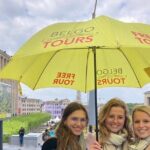
- Spanish live guide, ID-checked meeting point: Meet outside Brussels Central, in front of the Hilton Hotel; the guide wears a Buendía Tours ID.
- 2 hours guided walking, 4 hours free time: You’ll get structure first, then breathing room to do your own Bruges shopping and lunch.
- UNESCO sights in one loop: Canal banks (Dijver), Rozenhoedkaai, Castle Square, Market Square, and the Belfry area.
- Quiet spots built in: Minnewaterpark (Lake of Love) and the Begijnhof are scheduled as restful pauses.
- Chocolate included during the day: It’s built into the experience, not something you have to hunt for.
- Boat tour is optional: You’ll want to take it during free time if you enjoy canals and slow views.
Brussels to Bruges: the value of doing it by coach
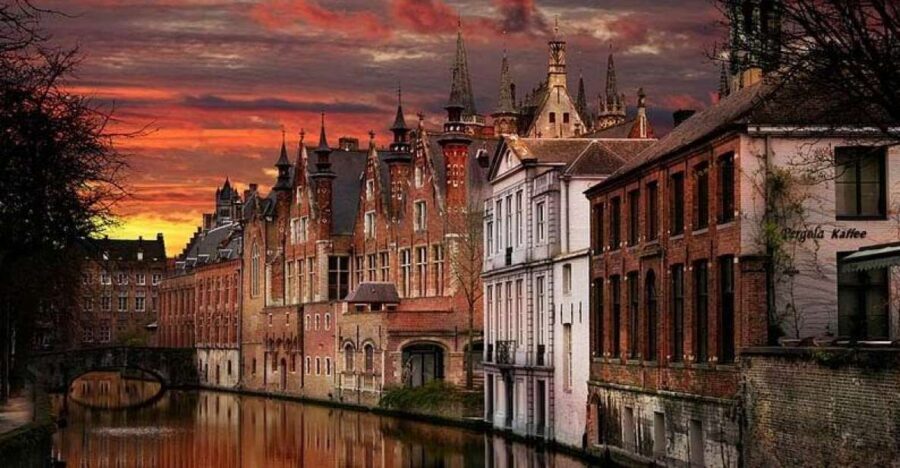
This is built for people who want Bruges without the stress of planning transport. You start in Brussels at Carrefour de l’Europe, and the bus ride is about 2 hours each way, so you’re paying for the convenience of roundtrip logistics plus a live guide for the walking portion.
At about $50 per person, the value comes from what’s included: roundtrip bus transfer and a tour guide. Food and drinks aren’t included, so you’ll still need to budget for lunch in Bruges, but the core cost covers the big pieces you’d otherwise piece together yourself.
One practical note: you’ll be in a group, and the start of the day can be crowded around meeting points and tour groups. If you’re the type who likes a calm beginning, arrive a bit early and give yourself time to spot your guide and get organized.
You can also read our reviews of more boat tours in Brussels
The guided 2-hour Bruges walk: what you’ll actually see
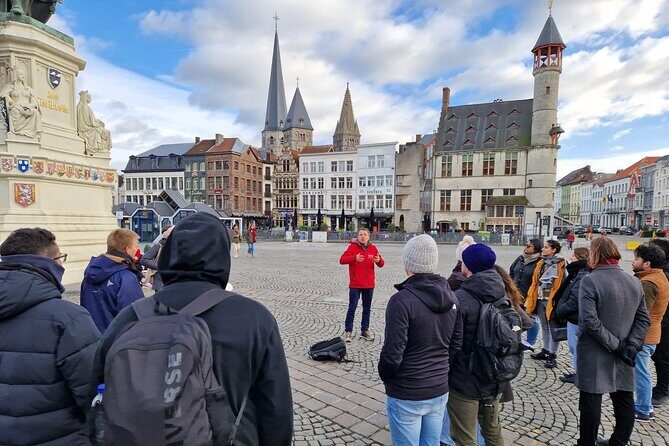
The heart of the day is a 2-hour guided walking tour through Bruges’ UNESCO-listed center. This is where having a guide matters most, because Bruges is small enough that you can accidentally “miss” the story behind what you’re seeing. A strong guide (some groups have had standouts like Nico, Nico-credited mentions, and others including Marta, Diego, Jorge, Lucia, and Pablo) helps you connect names, buildings, and canals into something that feels logical.
Here’s the route, in the order you’ll feel it:
Arrival: Lake of Love (Minnewaterpark) as your first reset
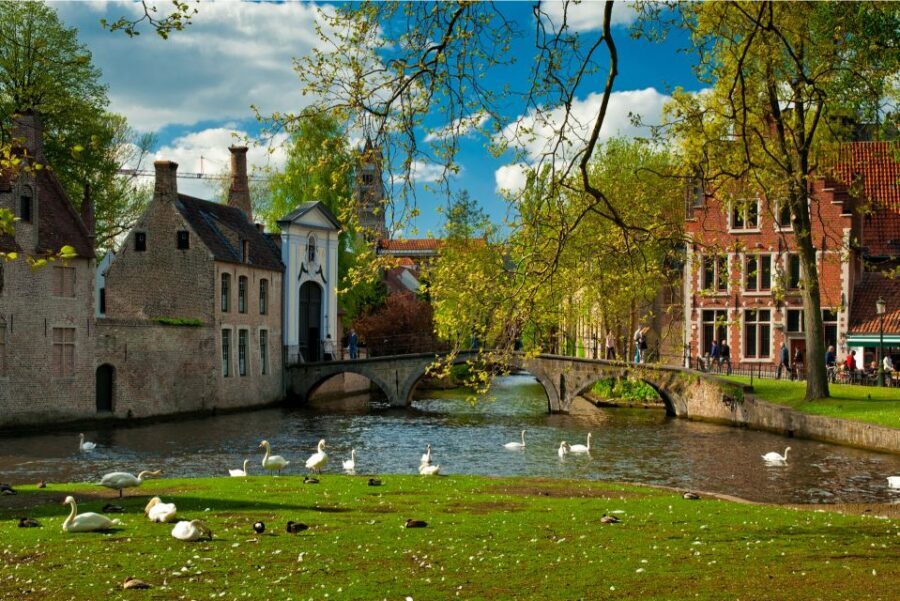
You’ll head to Minnewaterpark, the so-called Lake of Love. It’s scheduled as a tranquil city oasis, and that matters. Instead of treating the day like a sprint of photo stops, you get a calm pause early on, which makes the rest of the walking feel easier.
If you like softer scenery, this is a great moment to slow down your pace and look at the water and surrounding paths. On sunny days, it’s also an easy place to gather your bearings before moving into the tighter historic streets.
Begijnhof: the quiet courtyard side of Bruges
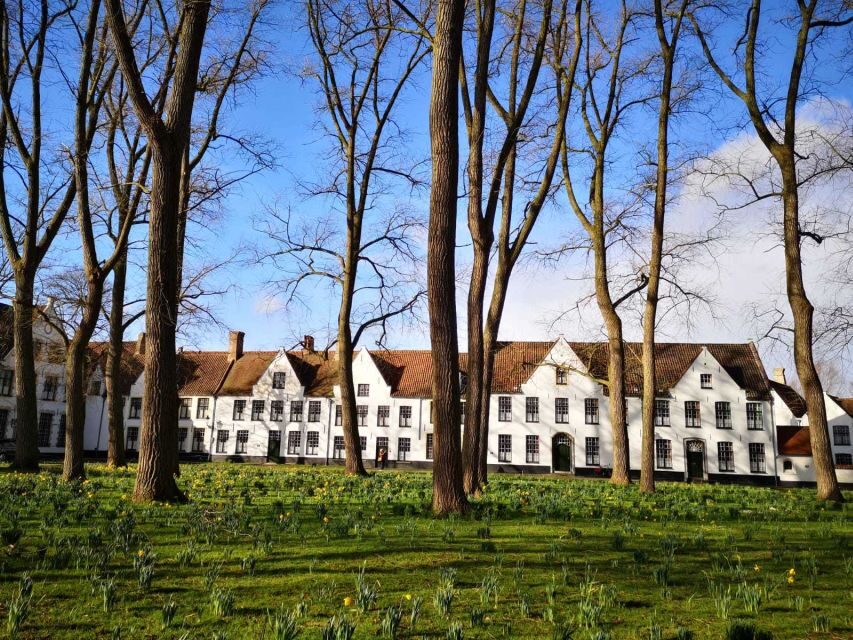
Next comes the Begijnhof, a 13th-century courtyard complex. The experience includes seasonal detail: in spring, it’s covered with a carpet of daffodils. Even if your visit isn’t in bloom, the fact that this stop exists at all is a good sign. Bruges can be visually loud, and the Begijnhof gives you a quieter, more human scale.
If you’re the kind of person who likes atmosphere, this is where the day starts to feel less like sightseeing and more like being in a real neighborhood.
From Walplein to Stoofstraat: learning the city’s “texture”
The tour then moves through Walplein, a quiet paved square, and down Stoofstraat, a narrow street. These parts don’t always make it into quick tours, but they’re where Bruges starts to feel lived-in. Streets like this are also how you’ll understand why the canal views work so well: the town is dense, walkable, and meant for slow movement.
A few more Brussels tours and experiences worth a look
St. John’s Hospital: the one building with a long memory
You’ll see the 800-year-old St. John’s Hospital. This is the kind of stop that helps you shift from “pretty city” to “place with layers.” It’s also a good contrast stop after the Begijnhof because it brings you back into the idea that Bruges’ story isn’t just about architecture; it’s about institutions and how people lived.
Church of Our Lady (Onze-Lieve-Vrouwekerk): the big façade moment
Then comes the imposing Church of Our Lady. If you’re hoping for a building moment that feels unmistakably Bruges, this is it. Even if you don’t focus on art specifics, a stop like this gives your eyes a landmark to anchor the rest of the walk.
Gruuthuse palace and the Dijver Canal banks
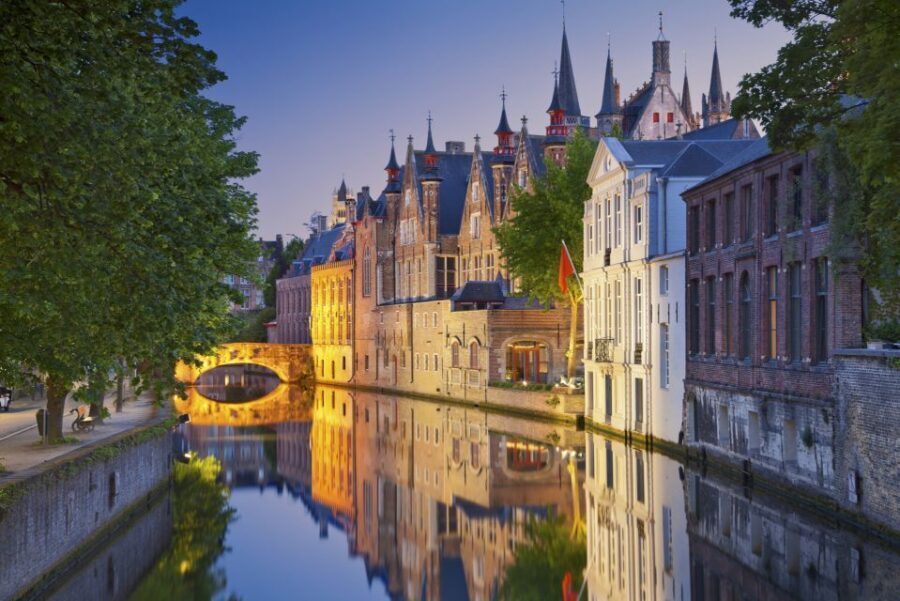
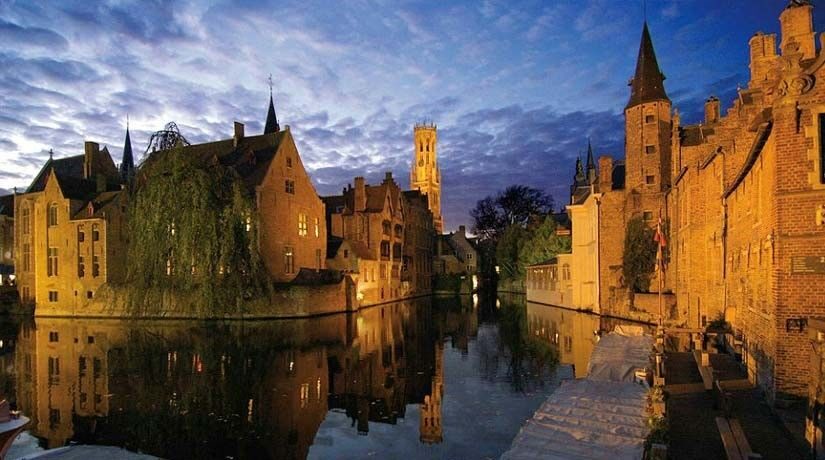
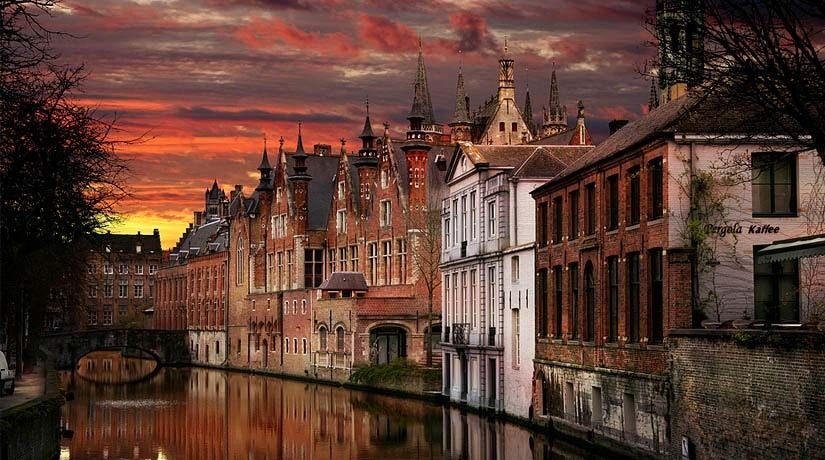
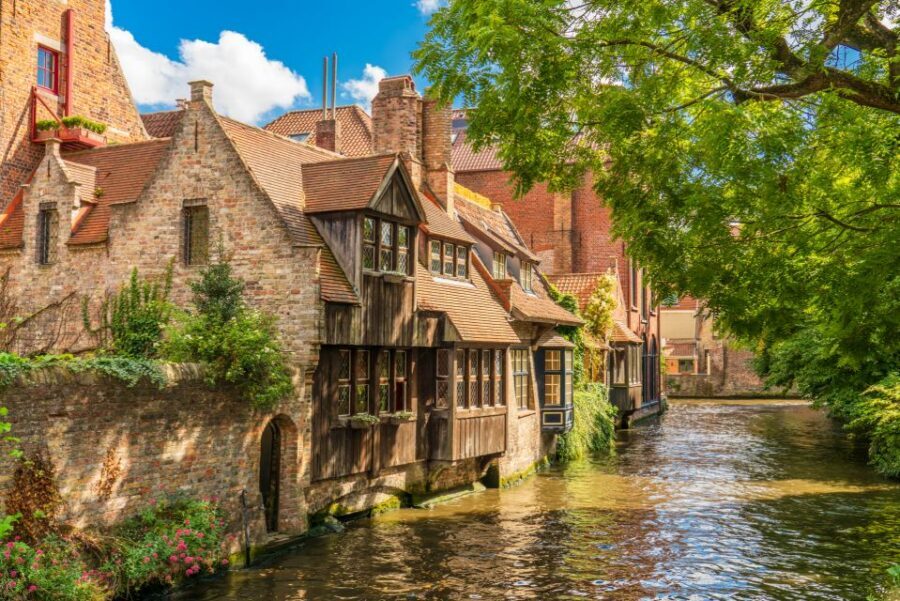
The guide covers the history of the opulent Gruuthuse palace, then moves you alongside the Dijver Canal. This is a key section for understanding why Bruges is often called the Venice of the North. The canal views aren’t just scenery; they explain the town’s layout and wealth.
A guide helps you look past the obvious photo angles to the details along the waterline, the rhythm of buildings, and the logic of the streets leading back to the canals.
Rozenhoedkaai and the chocolate moment
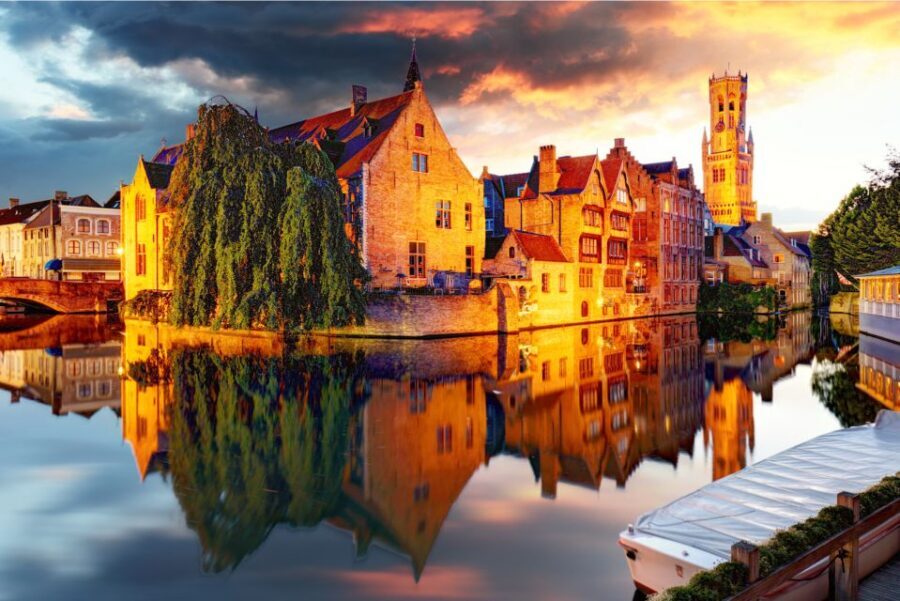
You’ll pass by Rozenhoedkaai, known for its canal-side houses, and there’s also a stop to taste Bruges’ famous chocolates. This is one of the nicest perks in the highlights list because it’s an edible memory you can take home, not just another stop you walk through.
If you’re a chocoholic, use this as a planning clue: the best chocolate shops tend to cluster where you’ll be walking anyway, so your free time later will be easier to enjoy.
Huidenvettersplein (Tanners Square): small stop, big mood
The tour includes Huidenvettersplein, the tiny Tanners Square. It’s a small location, but those are often the best “breather” points during a guided walk. You’ll likely find yourself slowing down here without even trying.
Castle Square, Market Square (Grote Markt), and the Belfry area
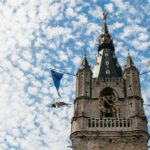
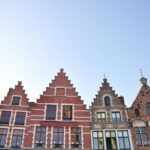
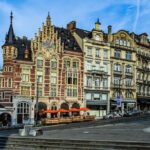
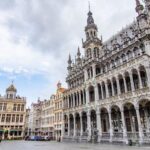
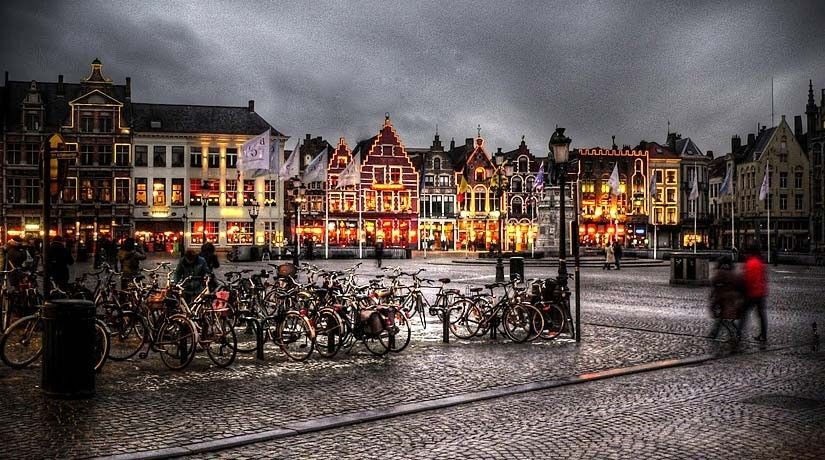
Finally, the walk concentrates on the heavy-hitters around Castle Square and the nearby big civic centers: the site of the 1st count’s castle, plus striking buildings including the Basilica of the Holy Blood, City Hall, the Market Square (Grote Markt), and the Belfry (Belfort).
If you love landmarks, this is your payoff. If you don’t, the guide still helps you understand what you’re seeing so the whole square network doesn’t blur together.
Free time in Bruges: your best chance to slow down
After the 2-hour guided portion, you get about 4 hours of free time. This is the part that makes or breaks the day for many people, because Bruges rewards wandering.
This free window is for:
- lunch and drinks (not included)
- your own shopping and photo stops
- and the optional canal boat trip through Bruges’ canals
Should you do the canal boat?
If you have energy, I’d treat the boat option as the “second layer” of Bruges. Walking gives you the streets and buildings up close. The boat gives you the canal frontage from a different height and angle. With a day limited by bus schedules, a boat trip can be the fastest way to see more water views without stretching your legs further.
Just don’t assume it’s automatic. The boat is presented as an option during free time, so plan your timing so you’re not scrambling right before you need to meet back up.
How to make lunch work in 4 hours
Because food isn’t included, you’ll want to choose lunch strategically. Don’t blow 30 minutes looking for the perfect place on an empty stomach. Instead, pick something near where you’ll naturally want to walk next (canal-side or near Markt area), then let the rest of your time be for wandering.
Also, keep an eye on pace. Some past guests felt the Bruges time might be shorter than expected, especially if delays affected departure or the start of the tour. In practice, that means you should avoid starting your day trip with a tight plan like a timed reservation later in the afternoon.
Bus ride realities: comfort, timing, and small issues
The structure is simple: 2 hours by coach out, guided walking, 4 hours free time, then 2 hours back. That straightforward rhythm is why this works for many people coming from Brussels.
That said, a few real-world considerations show up in feedback:
- Some guests mentioned issues like air conditioning not working well on the return ride during hot weather.
- The start of the day can feel hard to navigate if there are lots of tour groups and people clustering around the same central area.
- A few practical support notes appeared, like difficulty finding help for a bathroom need early in the day.
None of these should scare you away, but they do point to the same prep rule: wear comfortable shoes, keep a steady pace, and build a little cushion into your schedule.
Who this day trip fits best (and who should think twice)
This tour makes sense if:
- you’re based in Brussels and want Bruges without the hassle of planning trains or connections
- you like a guided overview first, then free time to customize
- you want UNESCO highlights plus quieter stops like Minnewaterpark and the Begijnhof
- you’re fine with Spanish as the tour language
It may be less ideal if:
- you need mobility accessibility support (the activity is marked not suitable for people with mobility impairments)
- you hate any feeling of time pressure and want a longer Bruges stay than a single day
- you expect food and drinks to be included (they aren’t)
If you’re traveling in spring, Begijnhof with daffodils is specifically called out. If you’re traveling in another season, you still get the courtyard and the calmer pace, just without that seasonal floral detail.
Headphones and radios: a small detail that can matter
Headphones are not listed as included, and there’s an environmental twist to how audio may be handled. On certain occasions, the company uses radios with headphones. Disposable helmets can be involved due to the way some equipment works, and the company asks you to bring your own to avoid that extra waste. If you don’t have one, they may provide disposable for €1.
So if you’re picky about audio comfort or you already travel with your own small headphones, bring them. It’s a tiny prep step that can save you from last-minute surprises.
The guides: what makes the difference in your experience
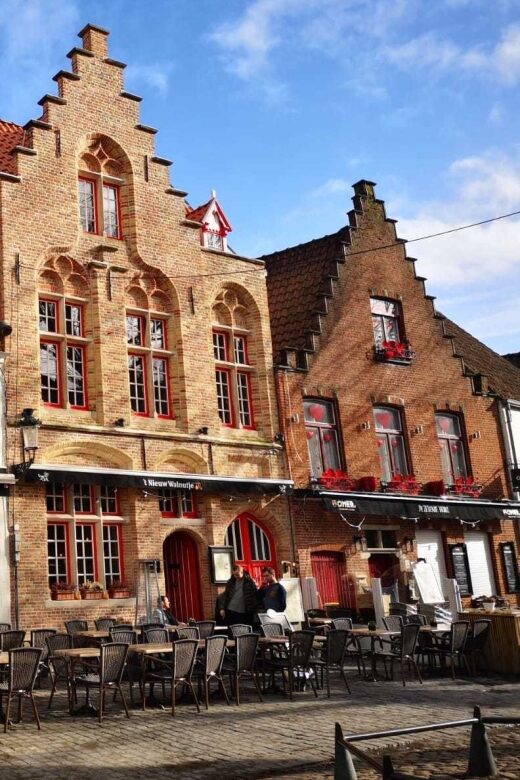
This kind of walking tour lives and dies on the guide’s ability to pace the group and make landmarks feel meaningful. The feedback you’re given is overwhelmingly positive about guide personality and presentation.
You’ll see names like Nico, Gaby, Marta, Diego, Jorge, Lucia, Aracelia, and Eros in past ratings. Even when there were language-mix hiccups, the pattern was consistent: guides worked to keep people included and explained things well.
For you, that means: if you care about understanding what you’re looking at while you walk, this tour is designed to deliver that during the 2-hour guided portion. You’re not stuck guessing why a building matters.
Price check: is $50 a smart deal for Bruges day-trip value?
The price is listed at $50 per person and includes bus transfer and the guide. It doesn’t include food, drinks, or headphones. Boat trip is optional, so it’s not automatically part of the core value.
Here’s how to think about whether it’s worth it for you:
- If you’d otherwise spend time figuring out transport, a roundtrip coach can be a big time saver.
- If you’d pay for a walking guide or a structured intro, this bundles that with the trip.
- Chocolate tasting is included, which is a small cost saver and a fun memory.
One review even pointed out the day trip can be cheaper than train fares. You shouldn’t treat that as guaranteed for everyone, but it supports the basic idea: you’re paying for convenience and a guided overview, not for a luxury package.
Should you book this Bruges day trip from Brussels?
Book it if you want a solid first look at Bruges with less planning stress, you’re comfortable walking a lot, and Spanish is fine for you. I’d especially recommend it for first-timers who want to see Minnewaterpark, Begijnhof, the canal areas like Dijver and Rozenhoedkaai, and the big squares around the Belfry without spending your whole day charting routes.
Consider skipping or choosing a longer stay plan if you’re the type who needs extra time to wander slowly. A few guests felt the time in Bruges could have been longer, and with only 4 hours free time, you’ll want a quick lunch plan and a decision about the boat trip early.
Bottom line: as a day-trip “starter kit” for Bruges, this is a strong deal, especially if you like structure plus freedom.
FAQ
What’s the meeting point in Brussels?
Meet just outside Brussels Central Station, in front of the Hilton Hotel. The guide will be wearing ID of Buendía Tours.
How long is the bus ride from Brussels to Bruges?
The bus/coach transfer is listed as 2 hours.
How long is the guided walking tour in Bruges?
The guided tour is listed as 2 hours.
How much free time do I get in Bruges?
You get 4 hours of free time for lunch and exploring.
Is the canal boat trip included?
The canal boat trip is offered as an option to enjoy during your free time. It isn’t listed as part of what’s included.
What language is the live tour guide?
The tour guide is listed as Spanish.
Does the price include food and drinks?
No. Food and drinks are listed as not included.
Are headphones included?
Headphones are listed as not included.
Is this tour suitable for people with mobility impairments?
No. It is listed as not suitable for people with mobility impairments.
What should I bring?
Wear comfortable shoes. Also, if radios/headphones are used, you may want to bring your own to avoid disposable equipment costs. Children under 2 must travel in a car seat on the bus.