Bruges bites history in four hours. This tour mixes free-entry sights with included food stops, so you’re learning while you’re eating. I love the structure: you hit major landmarks like Belfort and Stadhuis, then you get real Bruges bites at the moments you’d otherwise be hunting for a good meal. I also like that it’s not only churches and buildings; you get market-square atmosphere at places such as Vismarkt. The main drawback is simple: it moves at a walking-town pace, with most stops kept to short visits, so if you want long sits in churches, this may feel a bit tight.
You meet at Markt 5 and finish somewhere else, which is handy if you want to keep exploring after the tour. It’s offered in English, it’s private for your group, and the company uses a mobile ticket so you’re not stuck with paper in the drizzle. One thing to plan around: it requires decent weather, so bring a light rain layer even in summer.
In This Review
- Key highlights you’ll actually feel during the tour
- Markt 5 to the first taste: how this tour works in real time
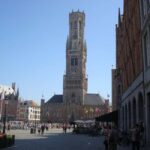
- Belfort and Market Square: a strong opening for first-time orientation
- Jan Van Eyckplein to Burg Square and Stadhuis: why civic buildings feel personal
- Church stops without the overload: Sint-Annakerk and Onze-Lieve-Vrouwekerk
- Adornes Domain, Vismarkt, and Dijver: the city’s daily-life vibe
- Included beer, sausage, and the kind of break you plan for
- Chez Vincent fries: why this stop changes how you think about Belgian fries
- Chocolate Line Bruges and Depla Chocolatier: learning to taste, not just buy
- The price question: what $203.06 buys you in a 4-hour block
- Logistics that matter: walking pace, weather, and where you end
- Should you book this Bruges food and history tour?
Key highlights you’ll actually feel during the tour
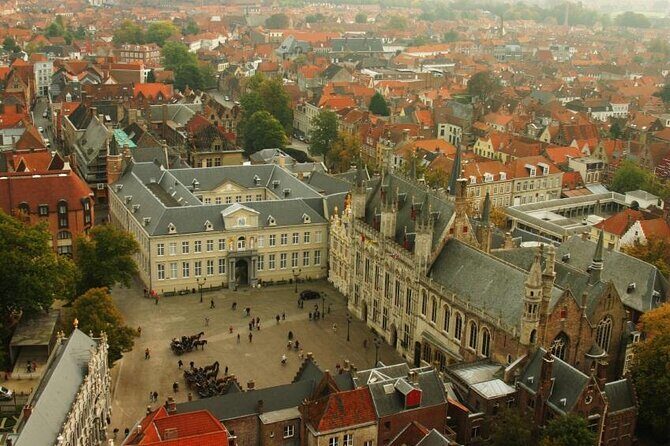
- Medieval landmarks with free entry: Belfort, Stadhuis, and several church and square stops are scheduled for easy drop-ins.
- Food stops that match the story: you’ll eat at classic Bruges spots like The Belleman Pub and Chez Vincent.
- Included beer and sausage time: a built-in break instead of you trying to guess where to stop.
- Best-fries style payoff: Chez Vincent fries are part of what makes this tour land with people.
- Chocolate tasting with guidance: Depla Chocolatier is included, so you’re not just buying candy and hoping.
Markt 5 to the first taste: how this tour works in real time
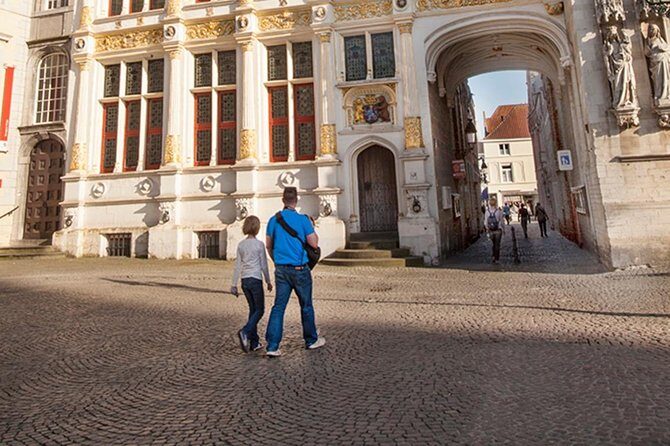
This is a four-hour, guided walking tour built for people who want Bruges to make sense fast. You start at Markt 5, right in the city center where the buildings tell you you’re in a place that used to run on trade and civic pride. The tour is described as private, meaning it’s only your group and not a long public-queue situation.
What really matters is the rhythm. Most stops are timed in the 5–30 minute range, so you’re not stuck in one place waiting while the group grows restless. That can feel efficient, especially if it’s your first day in Bruges. It also means you should expect to stand, look, and take quick photos more than sit and linger.
The tastings are scheduled as part of the flow, not as a random add-on. The included beer and sausage at The Belleman Pub breaks up the walking nicely. Then you get the fries stop at Chez Vincent, and later a chocolate tasting at Depla Chocolatier. Because these are included, you’re not constantly calculating how much you’re spending just to keep going.
You can also read our reviews of more food & drink experiences in Bruges
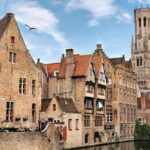
Belfort and Market Square: a strong opening for first-time orientation
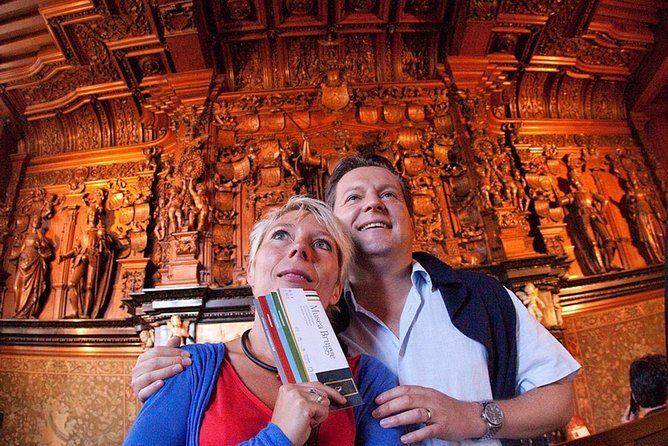
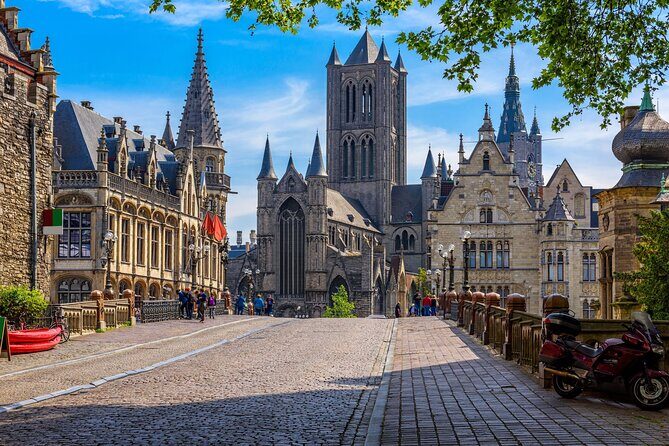
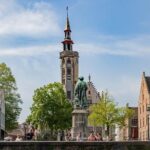
The tour begins at Belfort, with the Market Square right there beside it. This is a smart start because Belfort and Market Square work like Bruges’ headline. You’ll get a history and heritage rundown in a short window—enough to understand why this area mattered—without turning the first stop into a lecture marathon.
You’ll typically have about 30 minutes here, and admission for the stop is listed as free. That matters because it lowers the mental load. Instead of weighing whether it’s worth paying to enter, you can focus on the storytelling and your photos. It’s also a good place to take five minutes and just look: the scale, the street layout, and how close everything sits make Bruges feel compact in a good way.
If you’re the kind of person who likes to understand the why behind the what, Belfort is a great opening. You’re basically getting the civic version of a welcome sign.
Jan Van Eyckplein to Burg Square and Stadhuis: why civic buildings feel personal
Next comes Jan Van Eyckplein, a shorter stop (about 15 minutes) focused on Jan Van Eyck and the historical buildings around the square. Even if you’re not a deep art history person, this is useful because it connects Bruges to famous names and also helps you read the architecture rather than just glance at it.
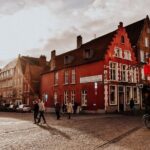
Then you move through Burg Square (about 20 minutes). This is where the tour leans into the city’s center-of-power idea. You’ll look at the buildings and get their history and background. For me, this kind of stop makes the later church and neighborhood bits click. After Burg Square, the streets start to feel like they had jobs—market, governance, worship—rather than just postcard backdrops.
Stadhuis (City Hall) follows with about 20 minutes, and again the stop is free to visit as planned. You’ll get a look at the city hall and its heritage. Even with short time, the story helps you notice details you’d otherwise miss: how the city advertises itself in stone, and how civic identity shows up in the most formal building in town.
Practical tip: if you like photos, this is where to slow down. The facades are built for close viewing, and you’ll want a couple of angles.
Church stops without the overload: Sint-Annakerk and Onze-Lieve-Vrouwekerk
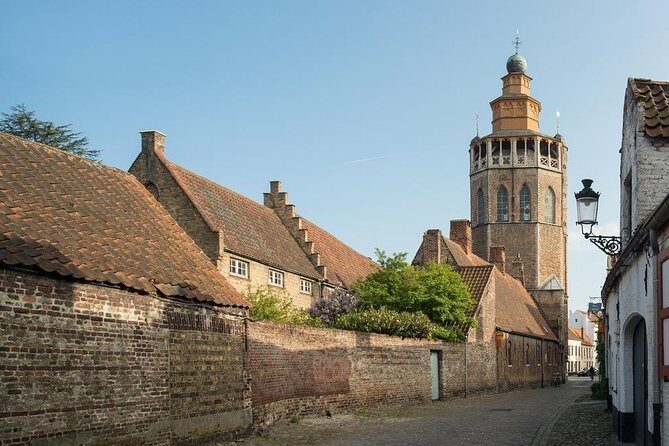
This tour includes two church-related moments that feel different from each other.
Sint-Annakerk gets around 30 minutes, with a visit of the church and the neighborhood. That neighborhood piece is important. You’re not just stepping inside and leaving; you’re also getting a sense of how these churches relate to everyday life around them. The stop is planned with free entry, which makes it easy to treat it as both architecture and atmosphere.
Onze-Lieve-Vrouwekerk is shorter (about 5 minutes). That short window can be perfect if you’re trying to keep momentum, but it also means you should lower expectations for deep, hour-long wandering. This is more of an introduction and orientation—enough context to know what you’re looking at before you move on.
If churches are your thing, you might want to plan a separate longer visit later the same day (or on another day). If churches are not your thing, this setup is still workable because the tour frames them as part of Bruges’ real layout.
Adornes Domain, Vismarkt, and Dijver: the city’s daily-life vibe
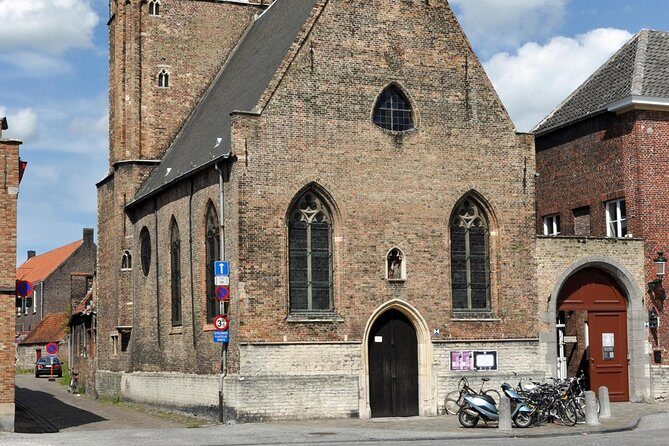
Not every Bruges story is about the grand buildings. Some of the best feelings come from the everyday places.
Adornes Domain is about 10 minutes, focused on the history of the church of Jerusalem and its family. It’s a smaller stop, but that type of stop is where tours like this can win you over. The area is quieter, less obvious in a first glance, and you get a specific thread of story instead of generic “this is old” talk.
Vismarkt is another quick one (about 10 minutes). You’ll get the history of Vismarkt and its habits. A fish market name alone can sound obvious, but the point here is the pattern: where people traded, how daily rhythms shaped squares, and how that shows up in the streets you walk.
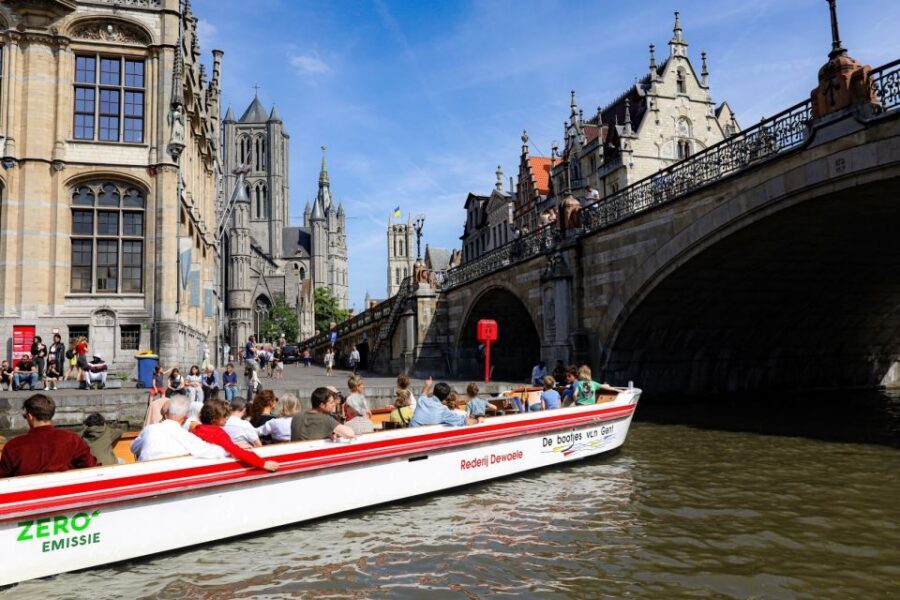
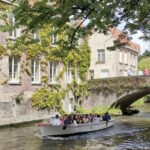
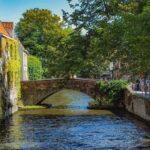
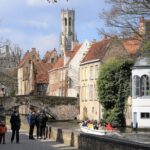
Then there’s Dijver, a short walk of about 10 minutes on the Diver. This is the canal-side part of the tour. Even in a brief time, walking along the water gives you a break from looking at buildings straight-on. It’s also where Bruges starts to feel lived-in. You can’t help noticing how the waterways connect the city’s parts, and why so much of Bruges feels built for trade.
A few more Bruges tours and experiences worth a look


Included beer, sausage, and the kind of break you plan for
Now we get to the part you’ll remember when you’re back home craving something salty.
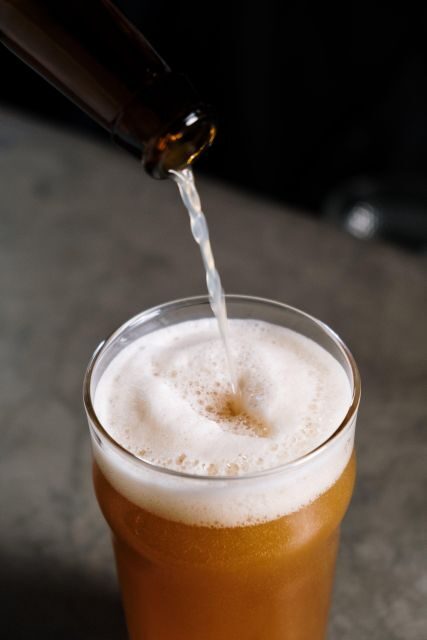
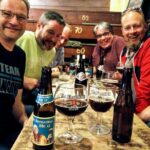
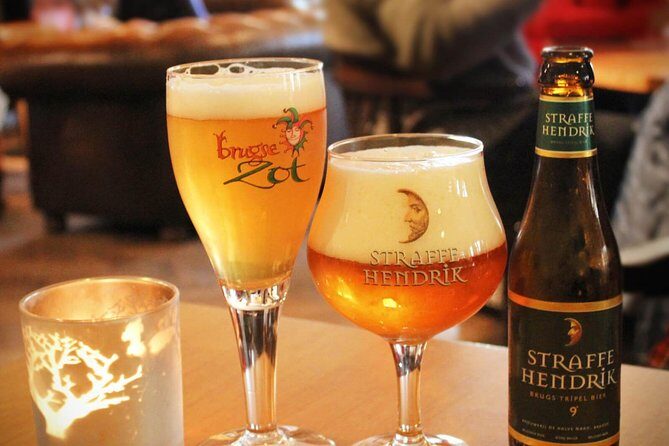
At The Belleman Pub – Brugge, you’ll have beer and sausage. This stop is about 25 minutes, and it’s included. That matters because it removes the guesswork about where to eat something local without wasting your limited time.
In the reviews, this stop is mentioned alongside the guide’s habit of pairing food with context. That’s a big deal. You’re not just drinking because it’s a food tour; you’re drinking because it fits the city’s social texture—pub culture next to canals, people chatting, and a menu built around simple satisfaction.
If you’re trying to keep your energy up, this pub stop is a smart checkpoint. Plan to eat it like you’re setting yourself up for the next hour: don’t go too heavy on extra side orders unless you know you’re hungry later. You still have fries and chocolate coming.
Chez Vincent fries: why this stop changes how you think about Belgian fries

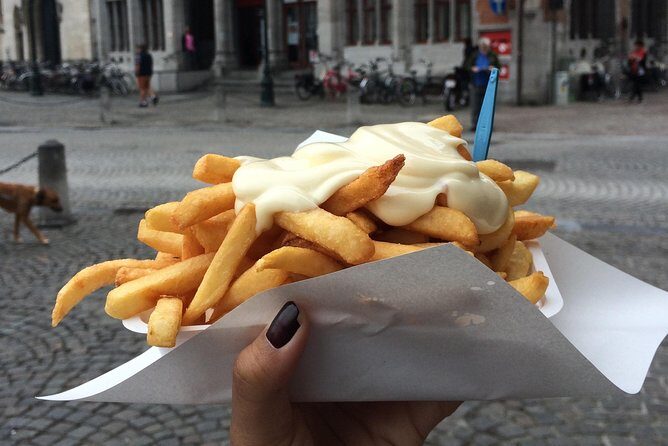
The big lunch-style payoff comes at Chez Vincent for about 20 minutes. The tour includes the fries here, and this is the stop people often describe as the best fries in Bruges.
What I like about this setup is that it’s not buried. Fries are one of those things you can easily “sample” on your own in a tourist trap way. Here, it’s scheduled as a planned tasting moment, with enough time to get the food and reset. And because the fries are included, it’s easier to manage your budget.
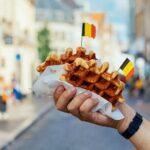
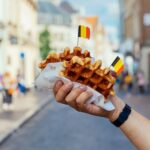
A useful tip from the tour experience: the guide recommends having the waffle without toppings because there’s sugar in the dough. That’s not about fries directly, but it tells you something about how the guide thinks about food in Bruges—pay attention to how the ingredient is designed to be eaten, not just how people modify it. For your own decision-making later, that same mindset helps: try the basic version first.
When you eat at Chez Vincent, you’re not just consuming. You’re also getting a short guided moment that helps you place Bruges fries in the bigger Belgian food story. It makes the experience feel intentional.
Chocolate Line Bruges and Depla Chocolatier: learning to taste, not just buy
You’ll stop at The Chocolate Line Bruges for about 5 minutes. This part is focused on the shop and learning why Belgium is known for chocolate and what makes it special. It’s short, but it gives you a framework so the later tasting doesn’t feel like random dessert time.
Then Depla Chocolatier takes over for about 10 minutes, and the chocolate tasting here is included. This is the kind of stop where you want to slow down for a minute. You’re not trying to eat fast. You’re trying to notice differences in texture and flavor—how it melts, how sweet it feels, and how cocoa shows up across samples.
The best part is that you’re not doing this alone in a shop full of temptations. A guided tasting helps you focus on what to pay attention to, and it turns the whole experience into something you can actually remember.
And yes, you’ll probably want to buy chocolate to take home. When the tasting is guided, those purchases feel less like a lucky guess.
The price question: what $203.06 buys you in a 4-hour block
At $203.06 per person, you should judge this tour by value rather than by sticker shock. The big value win is that the tour includes multiple tastings: beer and sausage at The Belleman Pub, fries at Chez Vincent, and a chocolate tasting at Depla Chocolatier. Even if you’re not buying extra drinks or snacks beyond what’s included, that already covers a chunk of what you’d normally spend if you ate on your own during a walk.
Then you have the comfort of free-entry planning at many stops—Belfort, multiple square and church moments, and more. That reduces the amount you have to pay out-of-pocket just to see the highlights.
You also get the time benefit. Four hours is long enough to see a good slice of Bruges, but short enough that you can still have energy for a proper evening meal afterward. It’s private for your group, and it’s in English, so you’re not guessing or fighting language barriers while you’re trying to enjoy the city.
If you’re traveling with a group that can take advantage of group discounts, the per-person value gets even better.
Logistics that matter: walking pace, weather, and where you end
This tour requires good weather. Bruges weather can be fickle, and when it’s wet, you’ll want to keep walking anyway. Bring a light rain jacket and shoes that handle damp pavement.
The tour is near public transportation, which is helpful since Bruges center streets can be crowded. Also, the tour ends in a different location than the start. That’s not a downside, but it means you should plan your next step with a quick glance at where you’ll want to head after.
Finally, the tour is designed so most people can participate, and service animals are allowed. If you have mobility limits, this is still a walking-heavy experience, so it’s worth considering your own tolerance for standing and moving between stops.
Should you book this Bruges food and history tour?
Book it if you want a focused Bruges day where food and landmarks work together. This is a strong choice for a first visit, or for people who like their history explained in short chunks rather than long museum-style sessions. The included beer and sausage, the Chez Vincent fries stop, and the Depla chocolate tasting make it feel like more than just a sightseeing walk.
Skip it or consider a different option if you need long time inside churches, or if you hate walking between short stops. The pace is built for four hours, not for slow wandering. Also, if you’re visiting in questionable weather, be ready to adjust.
Bottom line: if you want to taste Bruges while you learn what you’re seeing, this one is a practical, high-value way to spend your time.