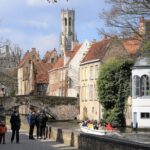
REVIEW · BRUGES
Bruges: Ticket Gruuthusemuseum
Book on GetYourGuide →Operated by Musea Brugge · Bookable on GetYourGuide
One ticket gives you two views of Bruges. Gruuthuse Museum turns the city’s 500 years of history into rooms and objects you can actually walk up to. I love how the palace story starts with Louis (or Lodewijk) van Gruuthuse and keeps pointing you back to what made Bruges so powerful.
My favorite part is the late-15th-century oratory, where the palace and Onze-Lieve-Vrouwekerk connect in a very physical, very move-your-eyes way. From there, you get a look into the church’s Gothic chancel, and then the balcony panorama rewards you with views of the iconic bridge and a glimpse toward the Museum of the Church of Our Lady. The main consideration: this historic monument has many stairs and level changes, so it’s not a good fit if you have mobility limits.
In This Review
- Key highlights at Gruuthusemuseum
- The ticket covers the palace museum you actually want to see
- Who Louis van Gruuthuse was, and why his motto matters on-site
- The collections: what to notice (not just what you see)
- Tapestries and stained glass as status signals
- Wooden sculpture, lace, and manuscripts: local craft with big meaning
- Chinese porcelain: proof Bruges was plugged into wider trade
- How to pace your eyes
- The oratory: the most memorable architectural moment
- Balcony time: where the iconic bridge comes into focus
- Timing your visit for a calm, satisfying pace
- Practical stuff you’ll want to know before you go
- Travel light
- Photos and pets
- ID and children
- Mobility note you should take seriously
- Value for money: does $17 buy you enough?
- Who should book this museum ticket
- Should you book the Bruges Gruuthusemuseum ticket?
- FAQ
- How much does the Bruges Gruuthusemuseum ticket cost?
- How long is the ticket valid?
- What’s included with the ticket?
- Do I need a specific start time?
- Can I cancel for a full refund?
- Is there a reserve now, pay later option?
- Do children get free tickets?
- Do children need an ID?
- Are large bags or luggage allowed inside?
- Is the museum suitable for people with mobility impairments?
Key highlights at Gruuthusemuseum
- 500-year Bruges story told through palace rooms rather than a quick exhibit walk-through
- Oratory connection to Onze-Lieve-Vrouwekerk, letting you see the Gothic chancel from a special angle
- Balcony views over Bruges’ most photographed bridge and key church sights
- A mix of collections: tapestries, stained-glass windows, wooden sculptures, lace, manuscripts, and Chinese porcelain
- Louis (Lodewijk) van Gruuthuse’s motto gives the visit a clear thread: There’s more in you
- Built for people who can handle stairs, since level differences are part of the experience
The ticket covers the palace museum you actually want to see
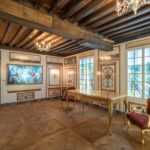
This is a straightforward ticket experience: you pay for entrance to the Gruuthuse Museum for a visit that’s valid for 1 day. For $17 per person, you’re not buying a bus ride or a packaged walking loop. You’re buying time and access inside a palace setting, where the “stories of Bruges city” are meant to be encountered slowly—one room, one object, one view at a time.
If you like your Bruges days with a strong “why does this matter” feeling, this one delivers. The museum doesn’t just point at art. It ties objects to the people and networks that shaped the city. And because Bruges is small enough to explore on foot, this can slot neatly into a longer day of canals and churches.
One more practical thing: the museum is in a historic monument, so expect stairs. The visit can be great—but it’s not designed for step-free comfort.
A few more Bruges tours and experiences worth a look

Who Louis van Gruuthuse was, and why his motto matters on-site
The museum experience starts with a person: Louis (or Lodewijk) van Gruuthuse. He’s presented as the visionary behind the palace grandeur, and his life philosophy is summed up by the motto There’s more in you.
That might sound like museum poster language, but it changes how you move through the place. Instead of treating the rooms as a checklist of pretty things, you’re nudged to look for ambition, identity, and connection—how power, faith, and culture show up in architecture and collections.
You’ll also notice how the story keeps returning to relationships. The oratory isn’t just an interesting room. It’s described as an authentic late-15th-century link between the palace and Onze-Lieve-Vrouwekerk. That single connection helps you understand why Bruges felt important long before it became a postcard town.
The collections: what to notice (not just what you see)
The museum’s strength is the range. You’re surrounded by objects that belong to different worlds, yet they’re brought together in one Bruges setting. Here’s how I’d approach it so you get more out of your visit.
Tapestries and stained glass as status signals
Tapestries and stained-glass windows can look decorative at first. But in places like Gruuthuse, they often act like visual statements: wealth, taste, and connections. When you’re standing in the palace environment, you get the sense that these weren’t meant for passing time. They were meant to impress, teach, and record.
Wooden sculpture, lace, and manuscripts: local craft with big meaning
Lace and wooden sculptures can be the stuff you skip when you’re tired. Don’t. Lace in particular is the kind of detail work that rewards close attention. And manuscripts bring you back to the human side—writing as a way to preserve power, faith, or family memory.
Chinese porcelain: proof Bruges was plugged into wider trade
The inclusion of Chinese porcelain is a reminder that Bruges wasn’t isolated. Even when you’re on a canal street today, the museum helps you picture global reach in earlier centuries—goods traveling, arriving, and becoming part of local identity.
How to pace your eyes
A practical tip: don’t try to capture everything with photos. Flash photography isn’t allowed anyway. Instead, pick a few “anchors” in each room—one textile area, one stained-glass view, one manuscript, one sculpture—and let the rest support those. That keeps you from feeling lost and gives you a more satisfying route through the palace galleries.
The oratory: the most memorable architectural moment
This is the part that makes the Gruuthuse Museum ticket feel special rather than just pleasant.
The centerpiece is an authentic late-15th-century oratory. It gracefully links the palace and the Onze-Lieve-Vrouwekerk (Church of Our Lady). In plain terms: it’s a place where you can stand in one world and look into another, with history built into the route.
From the oratory, you can revel in the Gothic chancel of the church. The word choice in the description is clear that the view is breathtaking. That’s why I’d treat this as your pause point. Spend a little extra time here. Let your eyes adjust from the palace atmosphere to the church’s architectural mood.
Why it’s valuable: you see Bruges faith and Bruges power in the same breath. You’re not separating “palace life” from “church life.” The design physically connects them.
Balcony time: where the iconic bridge comes into focus
After you’ve taken in the art and the oratory connection, the balcony delivers what many people come for: a high, clear view of Bruges’ most enchanting spots.
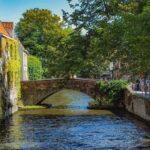
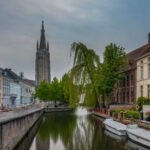
From the balcony, you can marvel at the iconic bridge—one of the city’s most photographed treasures. You can also catch a glimpse of the Museum of the Church of Our Lady. That means your sightlines aren’t random. They’re framed around Bruges landmarks that define the city’s look.
How to make this moment count:
- Take a few minutes to stand in one spot first. Let the whole scene assemble.
- Then move slightly. Small repositioning often changes how you see the bridge and church complex.
- Keep your camera ready, but remember: no flash photography. Natural light is the whole point here.
Even if Bruges has already wowed you from street level, the balcony view gives a different kind of wow. It’s about geometry, angles, and the way the city layers into itself.
Timing your visit for a calm, satisfying pace
This is a 1-day ticket with starting times listed via availability. For this kind of palace museum, the sweet spot is a visit when you can slow down without feeling rushed.
Because the building has many stairs and level differences, I suggest planning for breaks. Don’t structure the day so tightly that you’re sprinting between views. Instead:
- Use the museum for your main “indoors” block.
- Then take your outdoor Bruges walking time after, when you’re ready to enjoy canals and streets on your own terms.
Also, this is not a fast stop. The collections cover a lot of ground, and the standout architectural moments (oratory and balcony) take time to absorb.
If you’re traveling with kids, the museum can still work well, but the stairs are the key. Under 13 get free tickets at the box office, which helps families keep the day affordable. Still, bring realistic expectations about how long they’ll want to linger indoors.
Practical stuff you’ll want to know before you go
Travel light
Large bags and luggage aren’t allowed. That’s a big deal for Bruges days when you might otherwise carry water bottles, camera gear, and day packs. Plan to bring only what you need.
Photos and pets
- Flash photography isn’t allowed. Plan on natural light photos.
- Pets aren’t allowed, but assistance dogs are permitted.
ID and children
Bring a passport or ID card for children. It’s worth handling this before you arrive so you don’t scramble at the ticket point.
Mobility note you should take seriously
The Gruuthuse Museum is less suitable for people with physical disabilities due to many stairs and level differences. If you need step-free access, you’ll likely find this visit difficult. For everyone else, it can still be enjoyable—just treat the stairs as part of the ticket value, not an afterthought.
Value for money: does $17 buy you enough?
For many museum tickets, the price can feel vague: pay, enter, see a few rooms, move on. Here, the value is tied to three things you can’t easily replicate outside the museum:
- A palace setting built around a specific Bruges visionary
- The oratory link between the palace and Onze-Lieve-Vrouwekerk with a Gothic chancel view
- The balcony panorama over the iconic bridge and nearby church-related sights
So yes, $17 per person is fair for what you get. You’re paying for access to a historical building where the architecture is part of the exhibit, not just a container.
And if you’re traveling as a family with kids under 13, the free ticket policy for younger children at the box office can make the overall day budget friendlier.
Who should book this museum ticket
This is a great choice if you:
- Love Bruges beyond the usual canal photos and want context
- Enjoy collections that combine art, craft, and objects from far-reaching trade
- Care about architecture and sightlines, especially that oratory and balcony combo
- Can handle stairs and uneven levels
It’s a tougher fit if you:
- Need step-free mobility routes
- Prefer low-effort museum visits with minimal climbing
Should you book the Bruges Gruuthusemuseum ticket?
Book it if you want a Bruges day that feels like stepping into the city’s identity, not just ticking off landmarks. The standout moments are the oratory link to Onze-Lieve-Vrouwekerk and the balcony views over the iconic bridge. Add the strong mix of collections—tapestries, stained glass, lace, manuscripts, and porcelain—and you get a museum visit that feels connected, not random.
Skip it only if stairs and level differences are a dealbreaker for you. Otherwise, go in with a slower pace than you’d plan for a quick photo stop, and you’ll come away with a much clearer sense of why Bruges looked the way it did—and how its people wanted to be remembered.
FAQ
How much does the Bruges Gruuthusemuseum ticket cost?
The price is $17 per person.
How long is the ticket valid?
The ticket is valid for 1 day.
What’s included with the ticket?
Your ticket includes entrance to the Gruuthuse Museum.
Do I need a specific start time?
Availability shows starting times, so you’ll want to check what’s offered when you book.
Can I cancel for a full refund?
Yes. Free cancellation is available up to 24 hours in advance for a full refund.
Is there a reserve now, pay later option?
Yes. You can reserve and pay later to keep plans flexible.
Do children get free tickets?
Yes. Children under 13 can obtain a free ticket at the box office.
Do children need an ID?
Yes. You should bring a passport or ID card for children.
Are large bags or luggage allowed inside?
No. Luggage or large bags aren’t allowed.
Is the museum suitable for people with mobility impairments?
It’s less suitable because the monument has many stairs and level differences.