REVIEW · BRUGES
Frietmuseum Entrance Ticket
Book on Viator →Operated by Frietmuseum · Bookable on Viator
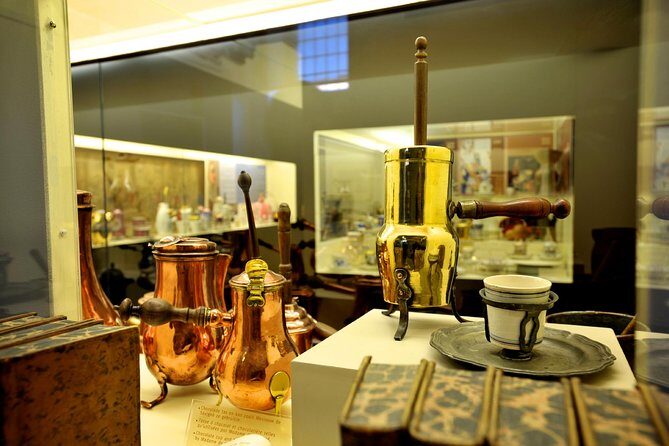
Potatoes have a way of turning into legends. At the Frietmuseum in Bruges, you get the story of Belgium’s fries from potato origins to the popularity of frites, all inside the pretty Saaihalle building. It’s food history with a big smile, not a stuffy lecture.
I like two things a lot: the museum is laid out in clear stages across multiple floors, and the English audioguides help you keep moving without stopping every ten seconds to read. I also appreciate that the founders (Cédric and Eddy Van Belle) built this as part of a trio of food-and-culture museums, so the experience feels like it belongs in Bruges, not like an afterthought.
One possible drawback: it’s self-guided and there can be a lot of reading, so if you’re hoping for a mostly visual, low-effort museum, this may feel a bit heavy. Also, the fries are a purchase item—you’ll likely pay extra if you want the full-on cellar snack.
In This Review
- Key things to know before you go
- Frietmuseum in the Saaihalle: why this building matters
- How the ticket works: self-guided visit with English audioguides
- A practical note on “self-guided”
- Ground Floor: from potato origins to the start of the story
- First Floor: how fries became a Belgian tradition
- What to watch for here
- Basement medieval cellars: eat like you mean it
- Tips for getting the most out of the cellar stop
- Price and value: is $14.44 worth your hour?
- Timing and what to pair it with in Bruges
- Entrance logistics and the one thing to plan for
- Who should buy this ticket (and who might not)
- FAQ
- What’s included with the Frietmuseum entrance ticket?
- How long does the visit take?
- What language is the experience available in?
- Are food and drinks included in the ticket price?
- Where is the museum located?
- What are the opening hours?
- Is this family-friendly, and can children go in?
- How many people are in a group?
- What’s the cancellation policy?
- Should you book the Frietmuseum ticket?
Key things to know before you go
- Saaihalle setting: The museum is inside a historic Bruges hall that’s worth seeing even before you reach the displays.
- English audioguides included: You can follow the story at your own pace without getting stuck on translation.
- Peru potato roots: The journey begins with where the potato came from, not just Belgium’s love affair with frites.
- Medieval cellars + fries: You can eat at the end, in a setting that fits the theme.
- Self-guided, reading-heavy: Plan for text, especially if you pause to read most labels.
- Good rainy-day choice: It’s a compact visit that fits nicely between other Bruges sights.
Frietmuseum in the Saaihalle: why this building matters
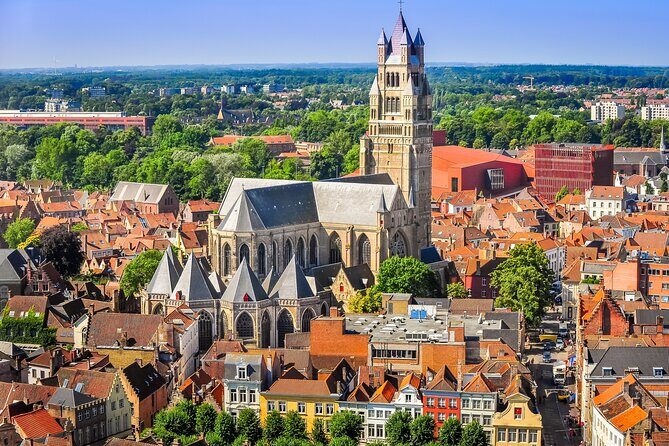
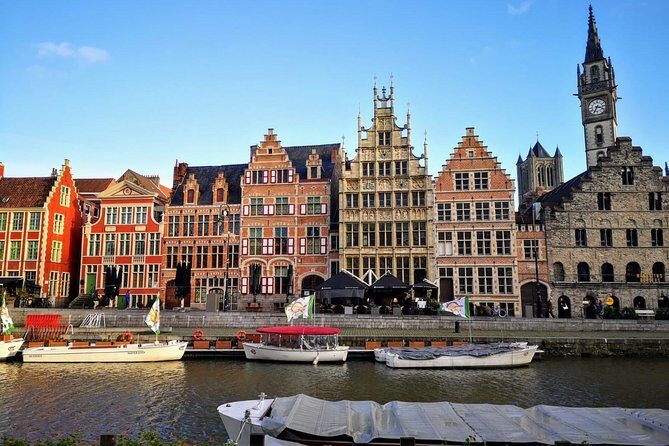
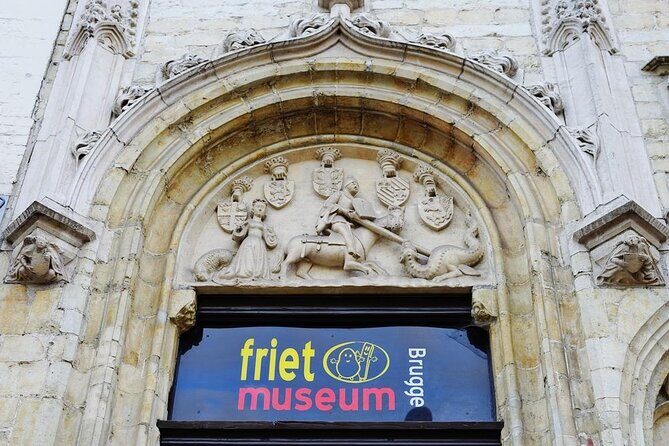
The Frietmuseum isn’t tucked into some modern strip-mall corner. It’s housed in the historic Saaihalle building, and that matters because Bruges is all about atmosphere. Even if you only have an hour, you’re still inside something that feels like it belongs to the town—brick, character, and that lived-in medieval vibe.
This also helps with pacing. You’re not just “doing a museum.” You’re stepping through a place, floor by floor, that matches the subject: food that traveled, changed, and became part of Belgian everyday life. If you’re the type who likes your travel photos to look good without trying too hard, this is a strong start.
A few more Bruges tours and experiences worth a look


How the ticket works: self-guided visit with English audioguides
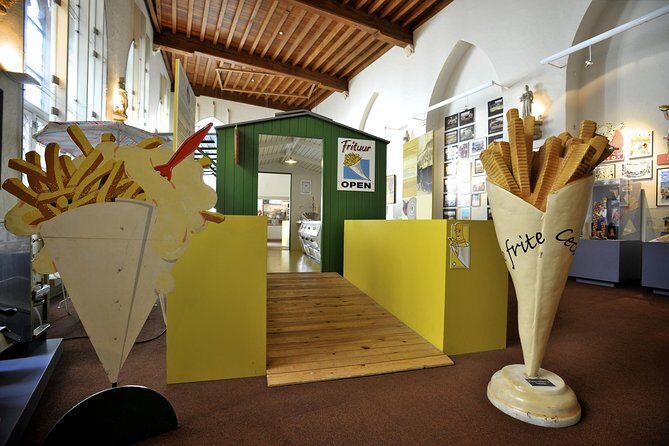
This is an entrance ticket experience rather than a guided walking tour. You go in, use the included audioguide (offered in English), and explore at your own pace.
That pacing is a plus. You can spend a little extra time on the bits that grab you—potato origins, the shift to fries, the practical how-to side of eating them—without feeling rushed by a group schedule. The visit runs about 40 minutes to 1 hour, which is great if your Bruges day is already packed with canals, churches, and other “just one more stop” moments.
There’s also a small maximum group size listed (up to 15 travelers). Even though you’re not following a live guide, smaller groups tend to mean less crowding around key points and fewer bottlenecks when you’re going up and down floors.
A practical note on “self-guided”
Some parts may come with a fair amount of text. The museum works best when you’re in the mood to read along a bit and listen to the audioguide. If you’re traveling with kids, or you just prefer stories that feel more interactive than label-heavy, it might help to skim first, then slow down only where you care most.
Ground Floor: from potato origins to the start of the story
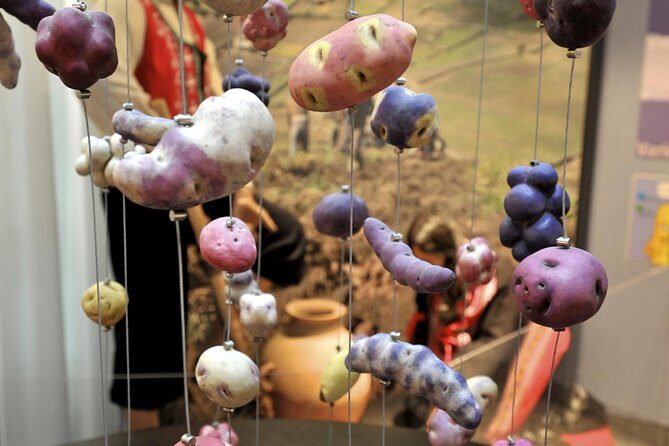
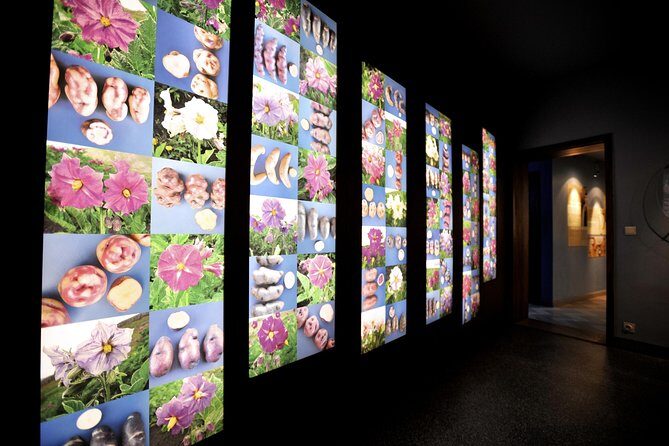
The visit begins on the ground floor with potato origins. You’ll learn that the potato’s story starts far from Belgium—its roots go back to Peru, over 10,000 years ago.
This section is valuable because it puts fries into context. Belgium didn’t invent the potato. The potato arrived, people figured out ways to grow it, and then—eventually—fried potato became the thing you associate with Belgium today. It’s a reminder that food culture is often a travel story, not just a local one.
Even if you don’t care about early agricultural history, this floor can be a nice reset for expectations. You’re not just looking at fries as a final product; you’re seeing the chain of events that made fries normal in the first place.
First Floor: how fries became a Belgian tradition
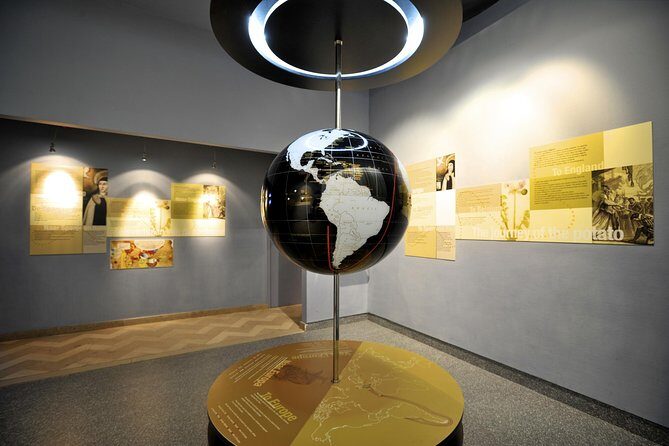
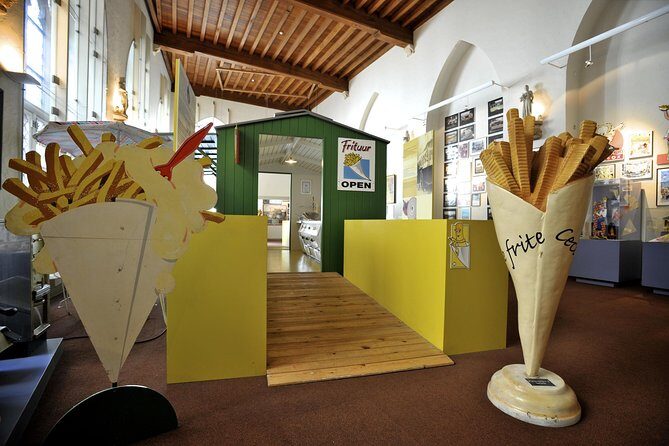
On the first floor, the focus shifts to the history of fries and how they made their way to Belgium. This is where the museum connects the dots between the potato’s long journey and Belgium’s particular pride in frites.
For food lovers, this is where the museum feels most satisfying. It’s one thing to say Belgium loves fries; it’s another to understand how that love got shaped over time. The story is presented as a clean progression, and the audioguide helps you follow it without getting lost.





What to watch for here
Look for the sections that explain not only what happened, but how fries became a culinary specialty. That’s the part that tends to make the rest of Bruges feel more connected. Suddenly, your other stops—chocolate, local shops, the food stalls you’ll see outside—fit into a bigger picture of Belgian comfort foods and identity.
Basement medieval cellars: eat like you mean it
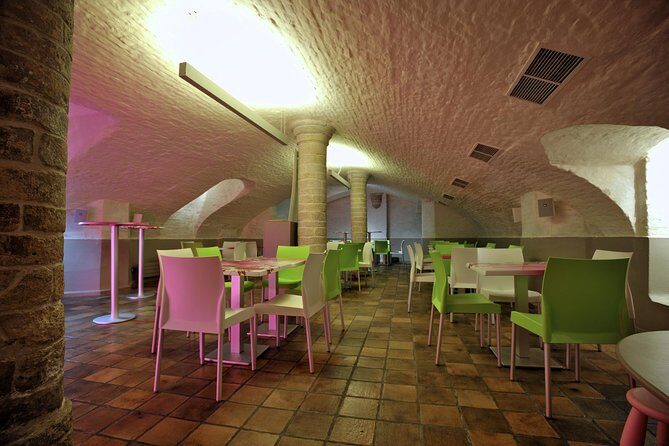
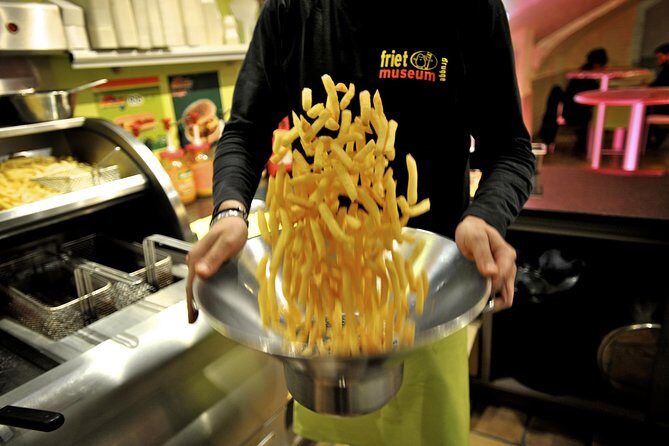
The basement is the fun payoff. The Frietmuseum sits in medieval cellars, and the idea is that fries make sense there: warm food, old stone, and the feeling that you’re turning history into a snack.
You can also sample some in this area. And yes, you can buy fries at the end. What’s key is this: while the museum theme leans into tasting, the ticket does not include food and drinks. In other words, plan to pay if you want the delicious end-of-visit fries experience.
Tips for getting the most out of the cellar stop
- Go hungry enough to actually enjoy the food, not just nibble. The fries are the part that makes the museum memorable for many people.
- If you’re traveling with picky eaters, consider that this is still a fries-focused stop—so set expectations early.
- If you’re visiting in poor weather, the basement stop can feel like a reward rather than a chore.
Price and value: is $14.44 worth your hour?
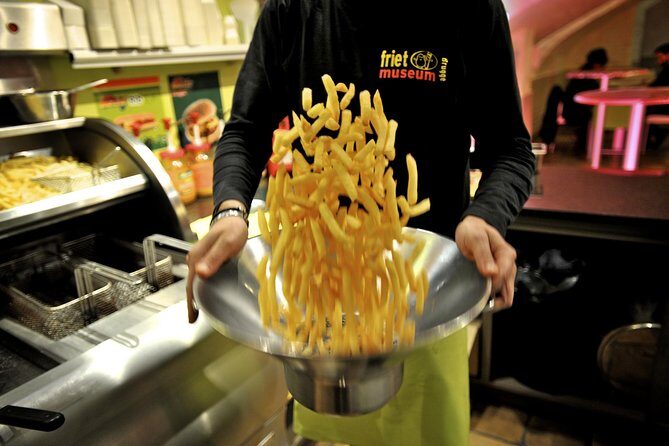
At $14.44 per person, you’re paying for: entry to a multi-floor museum plus English audioguides, in a historic building, with the option to eat fries afterward.
For a typical Bruges day, that price can be a good deal if:
- You want one focused indoor activity that takes less than two hours.
- You like food history and want something light enough to enjoy, not heavy enough to drain you.
- You’re a foodie who also wants a practical local-style snack at the end.
It’s not a bargain if you’re mainly looking for a big interactive food tasting included in the ticket. Since food and drinks are not included, your total cost can rise quickly if you order sides, sauces, or more than one portion of fries.
My take: treat the museum ticket as the story and the cellars as the payoff. If you’re excited about both the history and the fries, the value feels right.
Timing and what to pair it with in Bruges
The museum is open every day from 10:00 am to 5:00 pm, with last tickets at 4:15 pm. If you show up late, you may lose time. Bruges sightseeing days move fast, so aim earlier in the afternoon if you can.
Duration is about 40 minutes to 1 hour, so you can slot it into a gap:
- After morning sights, before you start hunting for dinner.
- On a rainy morning when you’d rather be indoors.
- As a satisfying mid-day break when you want something that’s not another church or another boat canal.
It also plays nicely with Bruges’ other food-focused museums. The Frietmuseum was created by the families Cédric and Eddy Van Belle, who also created places like Choco-Story and Lumina Domestica. In practice, that means the experience has the same “fun learning” flavor you might expect from those other attractions—practical, family-friendly, and designed to keep you moving.
Entrance logistics and the one thing to plan for
This is usually straightforward: you buy or confirm your entry, go in, and follow the audioguide through the floors. It’s also near public transportation, which is helpful if you’re hopping around Bruges instead of relying on a single long walking route.
Here’s the one thing I recommend you do to avoid stress: keep a copy of your booking confirmation handy. There have been cases where entry systems didn’t immediately match the payment record from a third-party purchase, and staff had to sort it out at the museum. Having your confirmation ready can turn a possible headache into a two-minute fix.
Also, remember: this is a basement-included building with multiple levels. Wear shoes you’re comfortable walking in. It’s not Everest, but you are going up and down.
Who should buy this ticket (and who might not)
This ticket is a strong fit if you:
- Want a fun food museum rather than a serious history-only museum.
- Enjoy educational stops that still end with a real snack.
- Travel with kids who can handle short stretches of reading and like themed displays.
- Are in Bruges during off-weather days and need something compact.
You might be less thrilled if you:
- Hate reading-heavy exhibits and prefer mostly hands-on visuals.
- Expect the ticket price to include tasting food as a built-in meal.
- Want a super fast “see it all in 20 minutes” type museum.
The mixed feedback you’ll hear often comes down to this: the museum is for the story and the fries payoff, not just for one big interactive food show.
FAQ
What’s included with the Frietmuseum entrance ticket?
The ticket includes English audioguides.
How long does the visit take?
Plan for about 40 minutes to 1 hour.
What language is the experience available in?
Audioguides are offered in English.
Are food and drinks included in the ticket price?
No. Food and drinks are not included, though food is available on site, including fries.
Where is the museum located?
It’s in Bruges, Belgium, inside the historic Saaihalle building.
What are the opening hours?
The museum is open every day from 10:00 am to 5:00 pm, with the last tickets at 4:15 pm.
Is this family-friendly, and can children go in?
Children must be accompanied by an adult. This experience is suitable for most travelers.
How many people are in a group?
There’s a maximum of 15 travelers listed for this experience.
What’s the cancellation policy?
You can cancel free of charge up to 24 hours in advance for a full refund.
Should you book the Frietmuseum ticket?
Book it if you want a focused, hour-long indoor break in Bruges with real payoff fries at the end, plus a clear story about how Belgium ended up with fries as a signature food. It’s also a smart choice if the weather turns or your schedule is tight.
Skip it (or at least go in with the right expectations) if you only care about eating and hoped the ticket would include a full tasting. Here, the fries are part of the experience, but you should plan to buy them. If you can live with that and you like food history, this one works well.