REVIEW · BRUGES
From Bruges: Flanders Fields Remembrance Full-Day Trip
Book on GetYourGuide →Operated by BRUSSELS CITY TOURS · Bookable on GetYourGuide
WW1 hits differently at street level. This full-day coach trip from Bruges takes you to the places behind the names, ending with the Last Post Ceremony at Menin Gate and the solemn scale of Tyne Cot Cemetery.
I like that the day is guided end-to-end, so you’re not just looking at stones and signage—you’re getting the straight story of how the war unfolded and why these sites matter. The tour also includes entry to In Flanders Fields Museum, plus key memorial stops that connect major events to real lives.
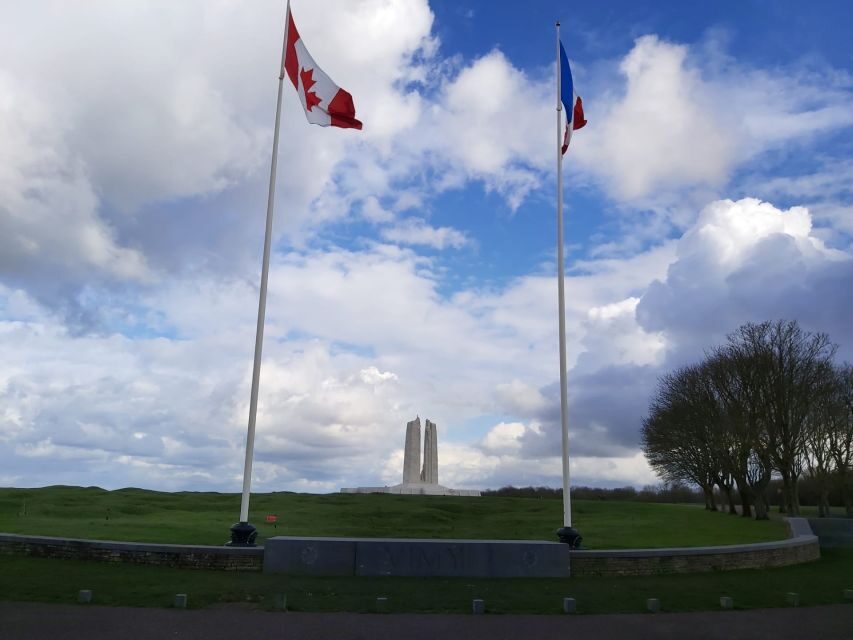
My two favorite parts are the Monument of the Brooding Soldier—tied to the sacrifice of 2,000 Canadian soldiers during the first German gas attack—and the way Hill 60 is explained through the Royal Engineers tunnelling effort. One drawback to keep in mind: it’s a long day with walking across uneven cemetery ground, and the tour isn’t recommended for people with limited mobility.
In This Review
- Key Takeaways Before You Go
- From Bruges to the Western Front: how this day stays organized
- The moving start: German cemetery, trenches, and the war’s early turning points
- Monument of the Brooding Soldier and Hill 60: Canada’s story in stone and earth
- Ypres area stop and In Flanders Fields Museum: why the museum time pays off
- Passchendaele battlefield and Tyne Cot Cemetery: scale you can’t fake
- Essex Farm Cemetery and Dr. John McCrae: the poem behind the place
- Menin Gate at 8pm: the Last Post ceremony and what restoration changes
- Time pressure, walking, and hearing the guide on the coach
- Price and value: is $91 a good deal for this WW1 day?
- Who should book this trip, and who should choose something else
- Should you book the Bruges Flanders Fields Remembrance trip?
- FAQ
- How long is the Flanders Fields full-day trip from Bruges?
- How much does the tour cost?
- Where do I meet the bus in Bruges?
- Is museum entry included?
- Is lunch included?
- Does the tour include the Last Post Ceremony?
- What’s the language of the tour?
- Is this tour suitable for wheelchair users or limited mobility?
- Is hotel pickup and drop-off included?
- Can I cancel for a full refund?
Key Takeaways Before You Go
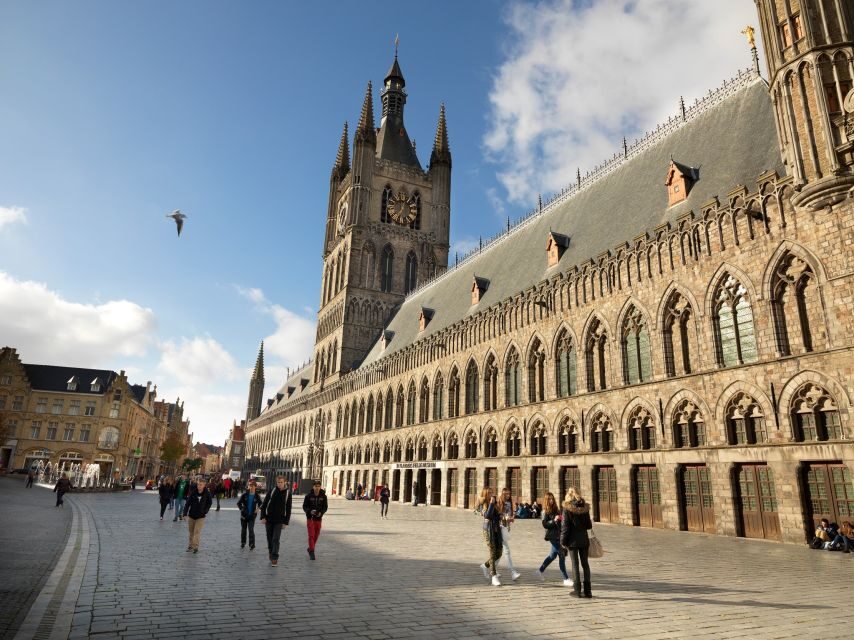
- Last Post at Menin Gate (8pm) is the emotional endpoint of the day, with ongoing restoration work that may affect the view until mid-2025
- In Flanders Fields Museum gives you the trench-war context so the battlefield stops make more sense
- Tyne Cot Cemetery is the biggest Commonwealth cemetery in the world, so it hits hard when you see it in person
- Brooding Soldier + Hill 60 connect Canadian sacrifice and British tunnelling to the timeline of the Western Front
- The schedule is tight—if you want lots of free time to read every panel, you may feel rushed at some stops
From Bruges to the Western Front: how this day stays organized
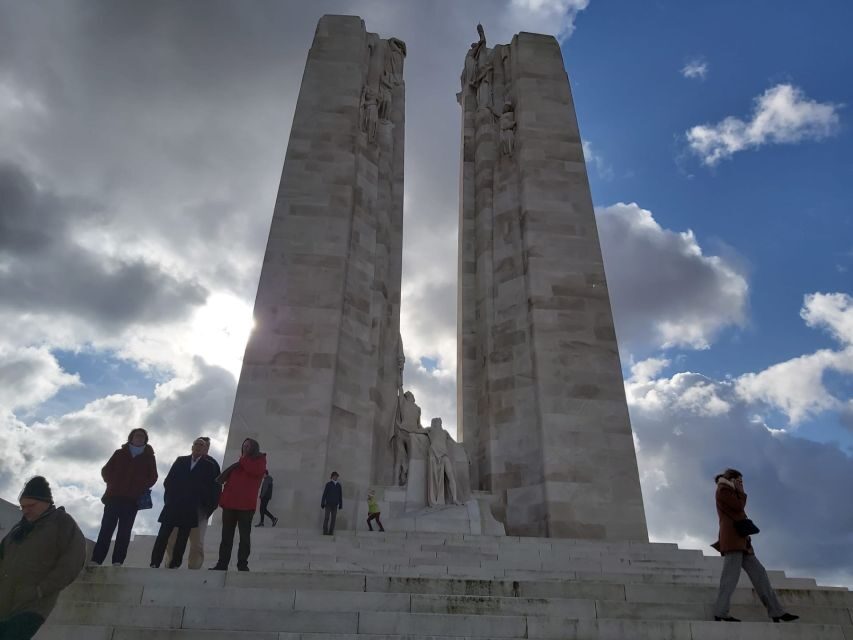
This trip is built for people who want a one-day WW1 overview without the hassle of transfers, schedules, and trying to figure out which cemetery is which. You start in Bruges at Bargeplein / Bargesquare (the bus parking area). Plan to wait under the large red canopy next to the public bathroom—this is the spot the coach uses as the meetup point.
The ride out to the Flanders Fields area is about an hour by coach. That gives you just enough time to settle in before the guide starts putting the war into a timeline—what led to the First World War and how the conflict spiraled into trench warfare. If you’ve ever felt lost in WW1 maps, this is the opposite of that. You get the big picture early, so the memorials later don’t feel like random stops.
You can also read our reviews of more tours and experiences in Bruges.
The moving start: German cemetery, trenches, and the war’s early turning points
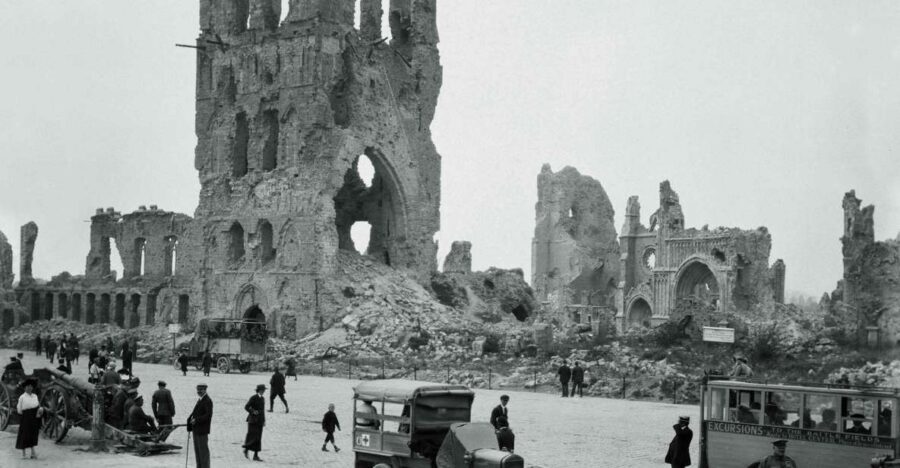
On the way into the key WW1 zone, the tour makes a stop at a moving German cemetery. It’s not there to shock you for shock’s sake. It works because it reminds you that this war wasn’t one-sided in the human cost—it was devastating across national lines.
From there, the coach drives you to a section of First World War trenches. This part matters because trench lines are hard to understand from photos. In person, you start to grasp the logic of the positions: why soldiers dug in, why small distances mattered, and why the battlefield could feel both close and unreachable at the same time.
Even if you think you know WW1 already, you may pick up details that make later stops clearer. The guide’s job here is to connect the story to what you’re about to see—so you’re not just watching graves roll past out the window.
Monument of the Brooding Soldier and Hill 60: Canada’s story in stone and earth
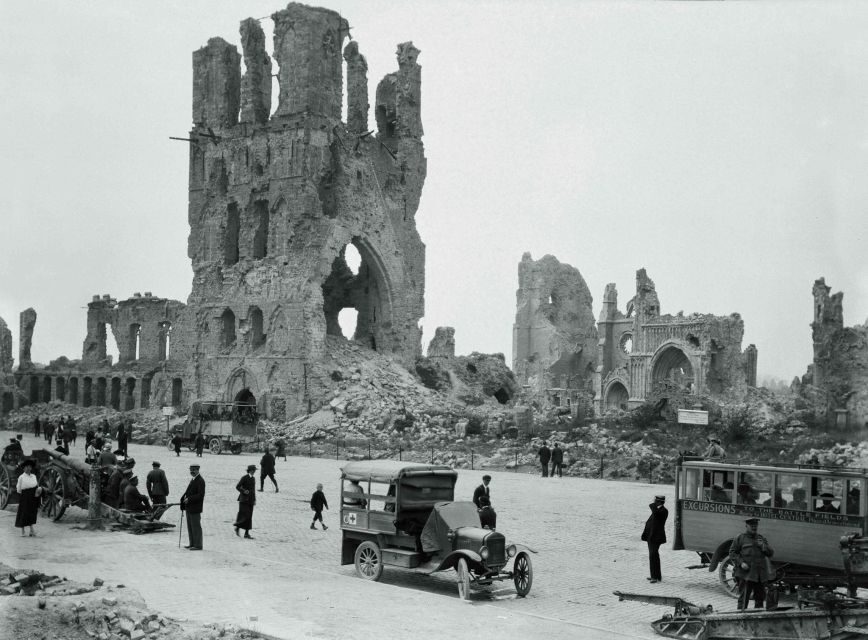
Next up is the Monument of the Brooding Soldier, a memorial tied to the sacrifice of 2,000 Canadian soldiers during the first German gas attack. The power of this stop is that it’s specific. Instead of a general label like “gas attacks,” you get a concrete event with a named connection—and that helps the whole day feel personal rather than abstract.
Close by is Hill 60. The guide explains it as territory that fell into German hands, then links it to the Royal Engineers tunnelling companies who mined the hill. This is one of those “you didn’t know this was even possible” details. It turns trench warfare from a simple dug-in stalemate into something technical and engineered—work done underground, under pressure, in conditions that most people never imagine.
Ypres area stop and In Flanders Fields Museum: why the museum time pays off
After the outdoor memorial stops, you head into the Ypres area for a short lunch break (the tour includes time for a meal stop, but lunch itself isn’t included in the price). This is a good moment to reset, because the museum portion can be emotionally heavy and the rest of the day still has major sites.
Then comes the In Flanders Fields Museum. Entry is included, and you’ll get a guided visit of about 70 minutes. The payoff here is context: you hear touching stories behind four years of trench war, not just dates and battle names. That makes the later cemetery and battlefield visits more meaningful, because you’re not only seeing the aftermath—you’re seeing the lived reality the memorials are built to honor.
I also like that the museum visit isn’t just “walk through rooms and hope.” With a guide, you get the points that connect. If you’ve ever left a museum feeling like you saw everything but remembered nothing, this structure helps.
Passchendaele battlefield and Tyne Cot Cemetery: scale you can’t fake
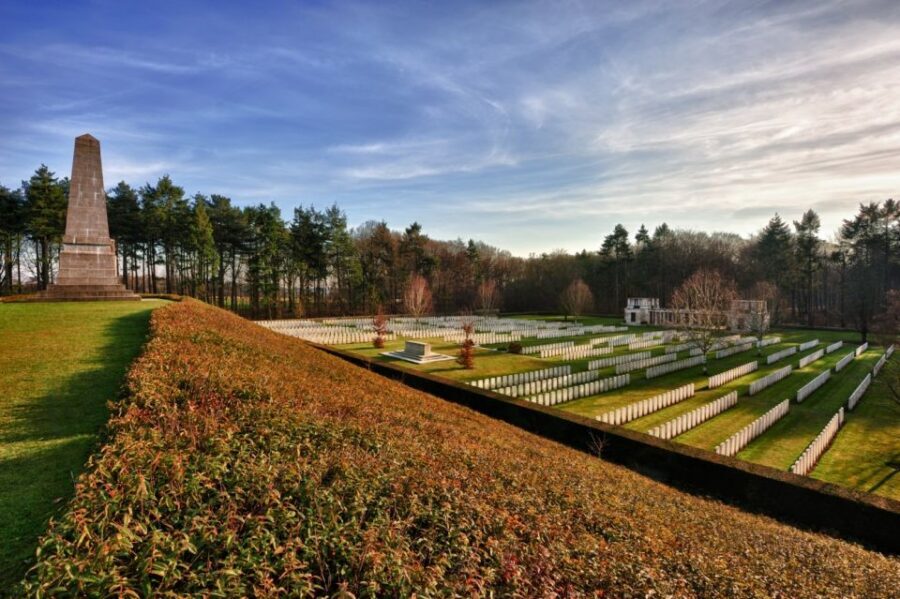
After the museum, the coach takes you to the Passchendaele battlefield. Seeing this land in person gives you a different kind of understanding. Even without technical military knowledge, you start to see how the terrain could grind down armies: the constant movement, the repeated attempts, the slow bleeding of men and morale.
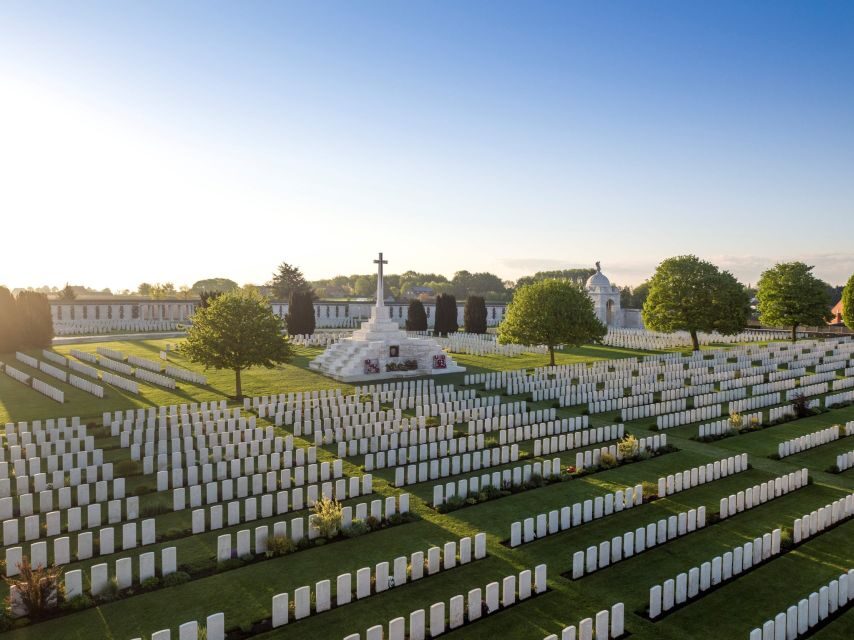
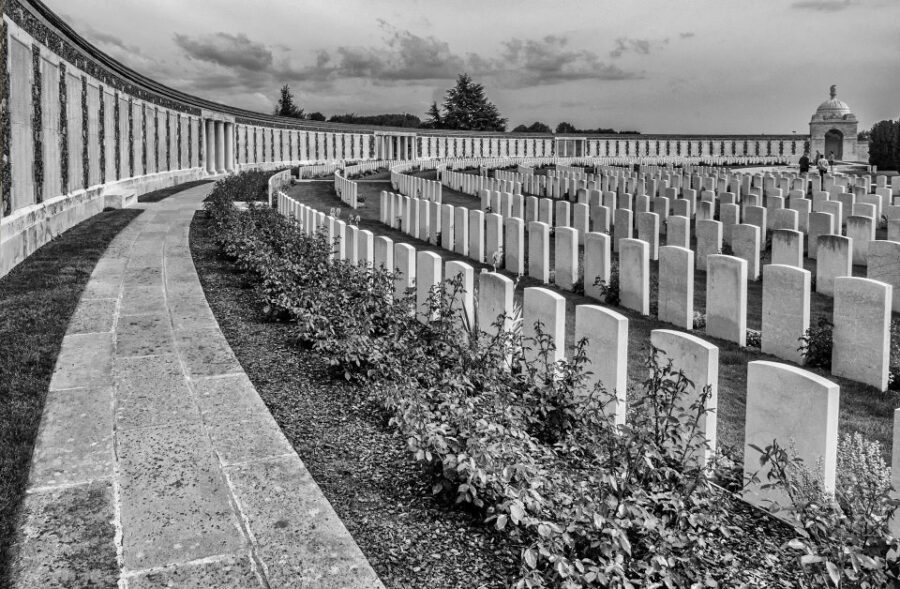
Then you visit Tyne Cot Cemetery, described as the largest Commonwealth cemetery in the world. This cemetery stop is one of the clearest “this is what you came for” moments on the day. When you’re standing among the graves, the war stops being a chapter in a textbook and becomes a count of individual lives. You’ll see soldiers from British, Irish, Australian, and Canadian forces resting here—so it doesn’t feel like a single-country memorial. It’s Commonwealth remembrance in physical form.
If you want photos, do them, but also give yourself time to just stand. With cemeteries this large, the emotional impact comes in waves. It helps to plan for that instead of rushing through like it’s a photo quest.
A few more Bruges tours and experiences worth a look
Essex Farm Cemetery and Dr. John McCrae: the poem behind the place

The tour continues to Essex Farm Cemetery, a field hospital area closely associated with Canadian field surgeon Dr. John McCrae, who wrote the famous poem In Flanders Fields. Even if you only remember a couple lines from school, this stop is where the poem stops being a memory and becomes a response to what the poet witnessed.
This part is powerful because it connects language to location. You’re not just learning that McCrae wrote the poem—you’re standing where the suffering was concentrated enough to produce it. That makes the memorial feel less like literature and more like history with a heartbeat.
Menin Gate at 8pm: the Last Post ceremony and what restoration changes
The day’s final act is the Last Post Ceremony at Menin Gate at 8pm. It’s a daily tribute to Commonwealth soldiers and officers who were missing after battle. This matters because the ceremony isn’t only about the dead with known graves—it also recognizes the uncertainty families lived with.
One practical note: Menin Gate is under restoration works until mid-2025, so you may see scaffolding during your visit. That doesn’t remove the meaning, but it can affect the view and your comfort if you’re trying to hold a phone up for photos the whole time.
Before the ceremony, you’ll have a quick snack back in Ypres. It’s not a dinner break, so I’d treat it as a small energy bump, not a meal plan.
The ceremony itself is short in timeline, but long in emotional impact. Go in expecting quiet rather than spectacle. You’ll get more out of it if you’re present and ready to listen, not scanning the surroundings for entertainment.
Time pressure, walking, and hearing the guide on the coach
This is a full-day outing—about 10 hours total. That’s not a problem if you like seeing a lot of key sites in one organized flow. It can feel intense if you prefer slower pacing.
A few practical points to help you enjoy it more:
- The tour includes outdoor cemetery and battlefield time. Bring comfortable shoes and expect uneven ground.
- Stops can feel brief. If you want to read every name panel, you may find the pace a bit quick.
- On coach days, sound matters. If you’re seated far back or in a spot where the audio is awkward, you might struggle to hear every word. Choose your seat accordingly if you can.
There’s also a real limitation for accessibility. This tour is not recommended for people with limited mobility, and it’s not suitable for wheelchair users. Plan around that if you have mobility needs.
Price and value: is $91 a good deal for this WW1 day?
At $91 per person, this tour can be good value if you want WW1 sites grouped logically with transport and a guide doing the connective work. You’re paying for:
- Roundtrip coach transportation from Bruges
- A live English guide
- Entry to In Flanders Fields Museum
Lunch and dinner aren’t included, so you should budget for food during the day. Still, the big value is that the guide reduces the guesswork. Without a guided day, it’s doable to visit cemeteries and museums, but it turns into planning, timing, and lots of “which stop is next?” The structure here gets you to the right places on the right day, and it gives you the context that makes the memorials hit harder.
Who should book this trip, and who should choose something else
You’ll likely love this tour if you:
- want a guided WW1 overview in one day
- care about the Commonwealth connection (Canadian, British, Irish, Australian)
- appreciate emotionally serious sites and respectful ceremonies
- prefer not to drive or manage transport on your own
You might want a different option if you:
- need a lighter day with fewer stops
- need more time for reading and self-paced wandering
- have limited mobility or wheelchair needs (this tour isn’t suited for that)
Should you book the Bruges Flanders Fields Remembrance trip?
If your goal is a meaningful WW1 day with structured guidance, museum context, and the chance to witness the Last Post Ceremony at Menin Gate at 8pm, I think this is an excellent booking. The price is reasonable for a full-day coach plan that includes museum entry and a guide, and the itinerary naturally builds from trenches to memorials to ceremony.
Just go in with open eyes: it’s long, you’ll do some walking, and time at each stop isn’t unlimited. If you can handle that, you’ll come away with a clearer understanding of the war—and a stronger sense of why these places are remembered.
FAQ
How long is the Flanders Fields full-day trip from Bruges?
It runs for 10 hours.
How much does the tour cost?
The price is listed as $91 per person.
Where do I meet the bus in Bruges?
Meet at Bargesquare / Bargeplein, the bus parking spot next to the public bathroom under the large red canopy.
Is museum entry included?
Yes. Entry to In Flanders Fields Museum is included.
Is lunch included?
Lunch is listed as not included. You’ll have a lunch stop during the day.
Does the tour include the Last Post Ceremony?
Yes. You attend the Last Post Ceremony at Menin Gate at 8pm.
What’s the language of the tour?
The live tour guide is English.
Is this tour suitable for wheelchair users or limited mobility?
No. It’s not recommended for people with limited mobility and not suitable for wheelchair users.
Is hotel pickup and drop-off included?
No. It does not include hotel pick up and drop-off.
Can I cancel for a full refund?
Yes. You can cancel up to 24 hours in advance for a full refund, and there’s also a reserve now & pay later option.