Brussels history and charm come fast. In just two hours, you’ll thread through major sights and small stops that help you get your bearings fast. I especially like that the route hits Grand-Place first, then keeps moving through central, easy-to-understand landmarks.
Two things I like right away: the small-group feel (max 15 per guide) and the fact that key sights on the walk come with free admission tickets. That combo means you’re paying for guidance and good sequencing, not for constant entry fees.
One thing to consider: commentary quality can vary by guide, and a few people felt it was more of a quick orientation than heavy historical storytelling. If you want deep context, come with questions and don’t be shy about asking for it.
In This Review
- Key Points I’d Plan Around
- How This 2-Hour Brussels Walk Helps You Read the City
- Grand-Place: Start Here, Then Everything Makes More Sense
- Les Galeries Royales Saint-Hubert: A Glass-Roof Break From the Streets
- Bourse de Bruxelles: When Commerce Gets an A+ Building
- Royal Palace Area: Monarchy and Ceremonial Brussels
- Éverard t’Serclaes Monument: A Medieval Story With a Touch of Fate
- Manneken Pis: The Quick Payoff Stop You’ll Actually Enjoy
- Price and Value: What $38 Buys in Brussels
- Pacing, Cobblestones, and How to Make the Tour Feel Worth It
- Choosing This Tour: Who It’s Best For
- Should You Book This Brussels Walking Tour?
- FAQ
- How long is the Brussels walking tour?
- How much does the tour cost?
- What language is the tour offered in?
- What’s included in the price?
- Where does the tour start and end?
- Are there admission fees for the stops?
- How many people are in the group?
- Is a mobile ticket provided?
- Can I cancel for a refund?
Key Points I’d Plan Around
- Grand-Place first gives you an instant Brussels “anchor” for everything you see later
- Les Galeries Royales Saint-Hubert is a change of pace: elegant shopping arcade energy, built in 1847
- Bourse de Bruxelles adds architectural variety beyond squares and royal buildings
- Royal Palace area shows how the monarchy shapes ceremonial Brussels
- Éverard t’Serclaes monument gives you a touch-of-fate moment tied to a medieval defense story
- Manneken Pis is the fun payoff, perfect for a photo before you head back out on your own
How This 2-Hour Brussels Walk Helps You Read the City
This tour is built for speed with a purpose. You’re not wandering aimlessly through Brussels’ old center—you’re moving through recognizable anchors in a logical order. That matters because Brussels is a city where the details reward you most once you understand what you’re looking at.
The price is also very doable for a guided walk: $38 per person for about 2 hours with a professional guide. Since admission tickets for the listed stops are free, most of your cost is paying for interpretation, routing, and the ability to ask questions while you’re standing in front of the real thing.
One practical note: the tour runs with a maximum of 45 travelers overall, but the guide-to-group setup is capped at 15 participants per guide. That usually keeps the walk from feeling like a herd.
If your goal is to see the highlights and get local guidance on what to do next, this tour fits well.
You can also read our reviews of more walking tours in Brussels

Grand-Place: Start Here, Then Everything Makes More Sense
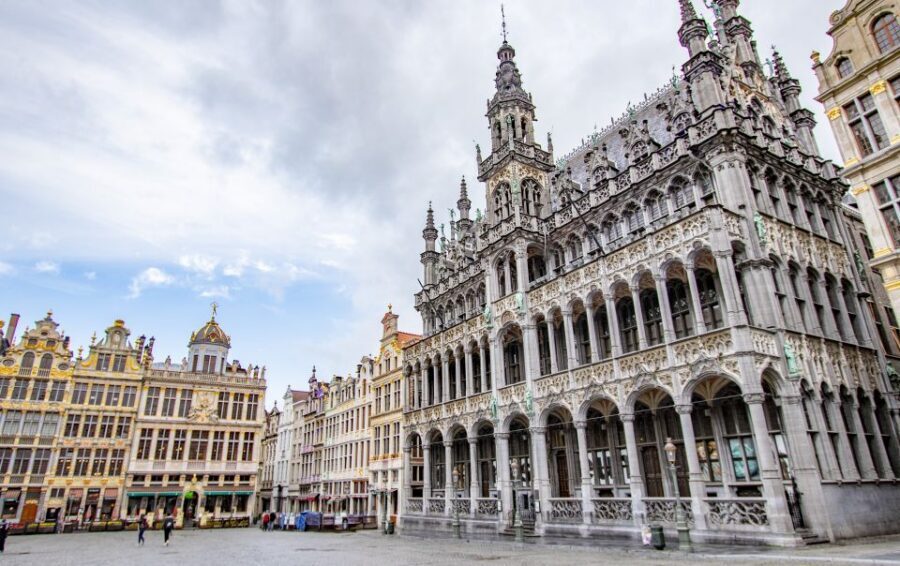
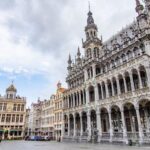
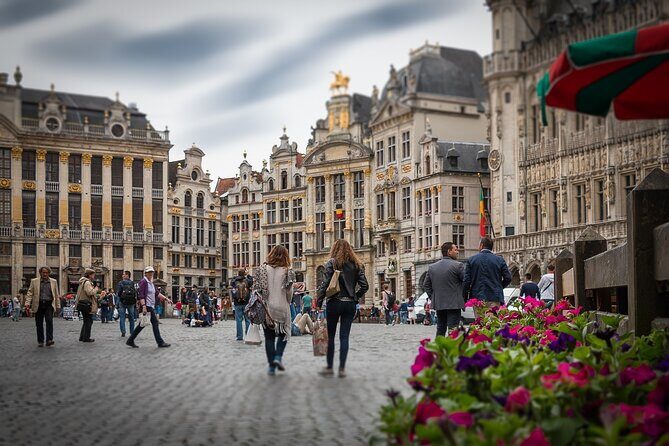
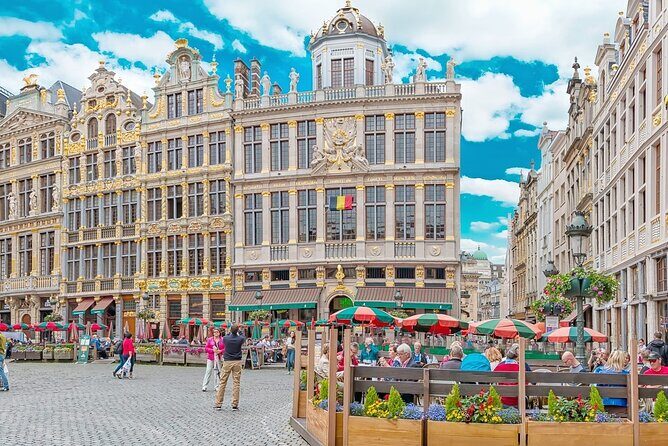
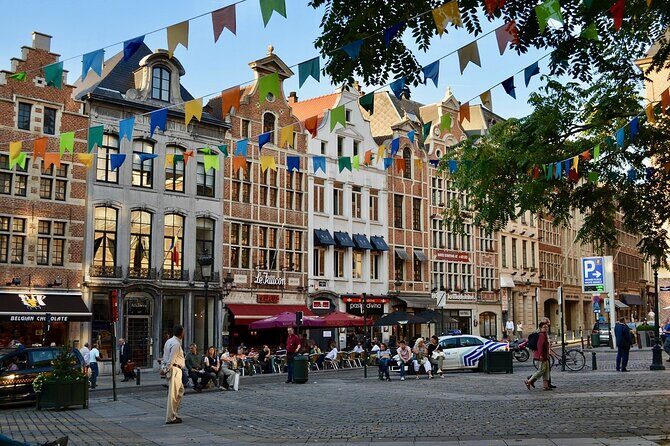
You’ll begin at Grand Place 4, and the first stop is La Grand-Place, a UNESCO World Heritage square. This is the kind of place that changes how you see the rest of the city. The guildhalls around the square, plus the Town Hall and the King’s House, create a visual story of power, trade, and civic pride.
What I like about starting here: the square is not just a pretty postcard. It’s described as a living hub—used for cultural events and known for things like the flower carpet displays. Even if you’re there on a quiet day, you’ll feel how the city treats this space as central to daily Brussels life.
What to watch for: the way different architectural styles sit together—Gothic, Baroque, and Louis XIV influence all show up in the overall look. You don’t need an architecture degree to notice the variety. Once you see it here, later buildings in the route start to feel less random.
Potential drawback: you can only take so many photos before you start rushing. If you care about getting a clean shot, time it early. The earlier you get your photos, the less pressure you feel later.
Les Galeries Royales Saint-Hubert: A Glass-Roof Break From the Streets
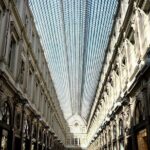
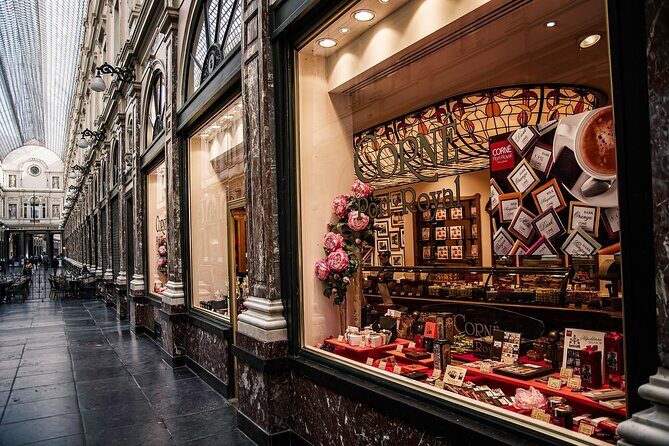
Next comes Les Galeries Royales Saint-Hubert, an arcade that feels like a small, covered city inside the city. It dates to 1847, and it’s famous for its ornate glass roof and elegant architecture. This is one of those places where the practical benefit is real: you get relief from street noise while still being in the center.
You’ll also see why it’s more than a shopping corridor. The vibe is refined, and the space is associated with chocolatiers and theaters. That matters because Brussels isn’t only about famous façades. It’s also about how people spend leisure time—especially through food, drink, and culture.
Why this stop is valuable for your trip: it’s a pattern-break. Grand-Place is open sky and civic power. The galleries are about design, strolling, and window-shopping. When your day includes both, you get a more accurate sense of Brussels’ rhythm.
Tiny tip for your walk: keep an eye out for small details on the architecture overhead. The glass roof and decorative elements are part of what makes this arcade feel special, and they’re easy to miss when you’re only focused on stores.
Bourse de Bruxelles: When Commerce Gets an A+ Building
Then you move to La Bourse de Bruxelles, the Brussels Stock Exchange. The key idea here is contrast: it’s a symbol of financial history presented with impressive architecture. The building is described as neoclassical, created in the mid-19th century with a striking façade and Corinthian columns.
Even if you’re not into finance, this stop is useful because it tells you how Brussels built its identity. The message is clear: commerce and culture were never separate categories here. They share space, and they share style.
How to get the most from this stop: take a minute to look at symmetry and columns. Neoclassical buildings tend to reward slow looking. If your group is moving fast, pause at the front long enough to absorb the façade, then rejoin for the walk.
Tradeoff to consider: because the walk is timed (each main stop is about 20 minutes), you won’t get an in-depth architectural lecture. This tour is best when you treat each stop as an introduction that helps you decide what to explore later on your own.
Royal Palace Area: Monarchy and Ceremonial Brussels
From the Stock Exchange you’ll head toward the Palais Royal de Bruxelles, the Royal Palace of Brussels. It’s described as a regal masterpiece in neoclassical style, built in the early 20th century. Here’s the practical value: the palace isn’t just scenery. It’s tied to Belgium’s monarchy, used for official residence and ceremonial state functions.
For a first visit, this stop helps you understand Brussels’ power structure in a simple way. You can see the monarchy’s presence not through museum walls but through a real governmental setting. Even from the outside and the surrounding gardens, the building’s “official” feel comes through.
What to do with this information: if you like royal history, you’ll likely want to plan more time for palace-related sights afterward. If you don’t, it still gives you context for why certain streets feel more formal and important than others nearby.
Photo note: do your photos quickly, then shift your attention to the gardens and the way the palace sits above the city. The tour’s pace is quick, so don’t wait until the end to try for the shot.




Éverard t’Serclaes Monument: A Medieval Story With a Touch of Fate
Close to Grand-Place, you’ll see the Monument a Everard t’Serclaes. This is a different kind of stop—less architecture, more local legend and medieval memory.
The statue commemorates Éverard t’Serclaes, a medieval hero who defended Brussels in the 14th century. The tour notes a belief: touching the monument brings good fortune. The statue’s worn appearance is tied to countless hands doing exactly that.
I like this stop because it gives you something human. Buildings tell you about institutions. This tells you about the kind of courage people wanted to remember—and the small rituals that kept that memory alive long after the actual events.
How to participate respectfully: if you do touch it for luck, do it gently and quickly. It’s part of the tradition, and it’s also a way to connect personally with Brussels’ street-level culture.
Why it works in a 2-hour tour: it slows you down for a moment. Instead of sprinting from façade to façade, you get a story you can hold onto.
Manneken Pis: The Quick Payoff Stop You’ll Actually Enjoy
The final highlight is Manneken Pis. The tour description also hints that there are a couple more stops along the way and keeps some parts as a surprise—so you’re not only walking a fixed “six photos, move on” checklist.
For most visitors, Manneken Pis is a fun ending. You’ll see it in the center of the old city, and it’s a great way to close the loop on your first Brussels orientation. It’s also an easy moment to reset—stretch your legs, grab a photo, and prepare mentally for independent exploring once the tour ends back at the meeting point.
The main consideration: keep your timing. Some people want to linger, but your best photo results usually come when you’re ready the moment you arrive.
Price and Value: What $38 Buys in Brussels
Let’s talk straight value. $38 for an approximately 2-hour walk is not a steal, but it’s also not inflated for what you’re getting.
Here’s what your money is paying for:
- A professional guide
- A guided route through central landmarks (so you’re not piecing it together yourself)
- A small group structure (max 15 per guide, even if the total tour count is higher)
- The “good stops” approach: major icons plus a couple of story-driven moments
On top of that, the stops you’ll hit are listed with free admission tickets, so you’re not stacking costs every 20 minutes. That makes the tour feel more like a single experience you can fit into a first-day plan.
Where the value can shift: if your guide leans more toward short commentary, you may feel like the tour is mostly a sightseeing circuit. If you get a talkier guide, the experience tends to feel more like an actual Brussels primer—especially for food and local tips you can use after the walk.
Pacing, Cobblestones, and How to Make the Tour Feel Worth It
This is a walking tour. Brussels is known for cobblestones, and you’ll want shoes that can take uneven paving without turning your feet into protest signs.
Pacing matters too. The tour is designed around roughly 20 minutes per main stop, and that can be perfect—if you’re okay with moving fairly quickly between places. Some people felt there wasn’t enough time for photos, so if photos are your thing, keep your plan simple:
- Take your wide shots first
- Then do details only if time allows
- Ask your guide one targeted question before you move on
Also, meeting points can be a small chaos zone in popular European squares. The start is Grand Place 4, and you’ll see other groups around. I recommend arriving a few minutes early, using your phone’s map, and locating your guide by the tour name when possible. It reduces stress fast.
Finally, if you’re the type who wants deeper context, you’ll get the best results by asking questions at the moment something sparks your curiosity—architecture style, why this building matters, how this area fits into modern Brussels.
Choosing This Tour: Who It’s Best For
This walk is best for you if:
- You want an efficient first look at the center
- You like seeing famous landmarks and learning what they mean
- You want a clear path for what to do next without overplanning
- You appreciate guidance while you’re standing in front of the real buildings
It’s also a good fit for families and first-timers because the stops are famous and the route is straightforward.
It may feel less satisfying if your top priority is thick, academic-level storytelling at every stop. This tour’s strength is orientation and selection. You’ll likely want to pair it with your own extra time afterward if you crave more detail.
One more thought: guides can vary. In the feedback tied to Brussels, names like Tom, Rosh, Peter, Majib, and Assefeh came up often. When a guide is energetic and answers questions well, the tour experience usually feels much richer.
Should You Book This Brussels Walking Tour?
Book it if you want a fast, structured introduction to Brussels’ most recognizable sites, with a small-group guide and free ticket stops that keep costs under control. It’s a solid “first day in town” plan, especially if you’re also planning Belgian food breaks afterward.
Think twice if you’re expecting long, detailed lectures at each landmark or you know you get frustrated by rushed photo moments. If you book, go in with a clear goal: use the tour to learn the city’s layout, then spend your independent time where your curiosity actually pulls you.
If you want one simple rule: wear comfy shoes, ask questions, and treat each stop as a doorway to the next thing you’ll explore on your own.
FAQ
How long is the Brussels walking tour?
It lasts about 2 hours.
How much does the tour cost?
The price is $38.00 per person.
What language is the tour offered in?
The tour is offered in English.
What’s included in the price?
A 2-hour guided walking tour with a professional tour guide.
Where does the tour start and end?
It starts at Grand Place 4, 1000 Bruxelles, Belgium, and ends back at the meeting point.
Are there admission fees for the stops?
Admission tickets for the listed stops are free.
How many people are in the group?
The maximum is 45 travelers, and the guide maximum is 15 participants per guide.
Is a mobile ticket provided?
Yes, you’ll receive a mobile ticket.
Can I cancel for a refund?
Yes. Free cancellation is available up to 24 hours in advance of the experience start time.