REVIEW · LIEGE
Liege Private Walking Tour
Book on GetYourGuide →Operated by Travmonde OÜ · Bookable on GetYourGuide
Liège history shows up fast when you walk. In just 90 minutes, you’ll trace Pre-Roman beginnings, the Liège Wars, and later power shifts from Habsburg rule to French control.
I love how the tour turns big eras into street-level stories, and it does it with real architecture in sight, especially the 12th-century St. Bartholomew Romanesque church. One possible drawback: language is English or German, and in one real booking experience the guide ended up being English even when German was expected, so it’s smart to double-check your language needs before you go.
This is also a true private setup, meaning your guide stays focused on your group only, with room for light on-the-spot customization. If your group wants help making sense of the timeline, or prefers a more relaxed pace, you’ll likely appreciate that flexibility.
In This Review
- Quick hits
- Meeting Liège by the Meuse: the “why it mattered” moment
- Pre-Roman roots to the medieval core: how the story gets grounded
- St. Bartholomew and Romanesque details you can actually spot
- Carré pedestrian streets: history meets how you’ll enjoy the city
- The Liège Wars: learning the human story behind repeated conflict
- Counter-Reformation and the Thirty Years’ War: history explained without the fog
- Habsburg to French rule: seeing power shift in a real place
- Price and value for a private 90-minute Liège walk
- Language, guides, and the small detail that can change your day
- Who should book this tour, and who might not
- Should you book the Liege Private Walking Tour?
- FAQ
- FAQ
- How long is the Liege Private Walking Tour?
- What is the price of the tour?
- Is this a private tour or shared group?
- What languages are offered?
- Where do we meet for the tour?
- Are entrance fees included?
- Can the tour be customized?
- What historical topics does the tour cover?
- Is there free cancellation?
- Is it possible to reserve and pay later?
Quick hits
- Private, local guide time just for your group, not a mixed crowd
- Meuse River strategy explained as the reason Liège was fought over so often
- St. Bartholomew (12th century) gives you a real anchor in medieval Liège
- Wars and rule changes are laid out in a way you can follow on foot
- Carré pedestrian streets help you end with something practical and enjoyable
Meeting Liège by the Meuse: the “why it mattered” moment
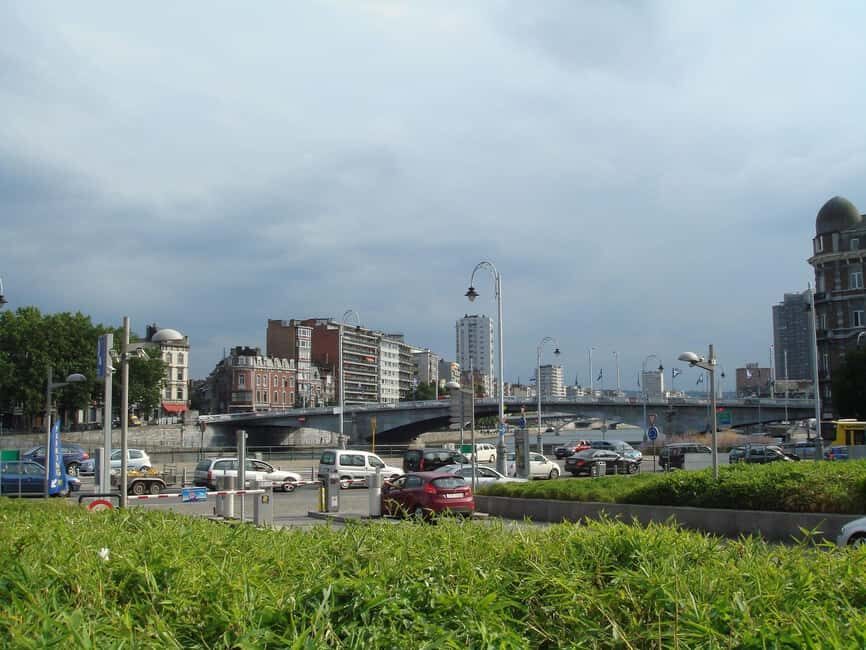
The best start for Liège history is understanding its geography. The city sits on the banks of the Meuse River, and that matters because control of waterways and trade routes shaped who had power and why disputes kept flaring up.
From your meeting point at Visitez Liège (Liège tourisme) on Quai de la Goffe, your guide sets you up with a simple timeline. You don’t need to know dates. You just need the cause-and-effect: where people moved, where wealth and influence flowed, and why Liège became a prize.
If you like walking tours that explain the logic behind events, this one fits. The pace is short enough to stay focused, but long enough to connect the dots between eras.
You can also read our reviews of more tours and experiences in Liege.



Pre-Roman roots to the medieval core: how the story gets grounded
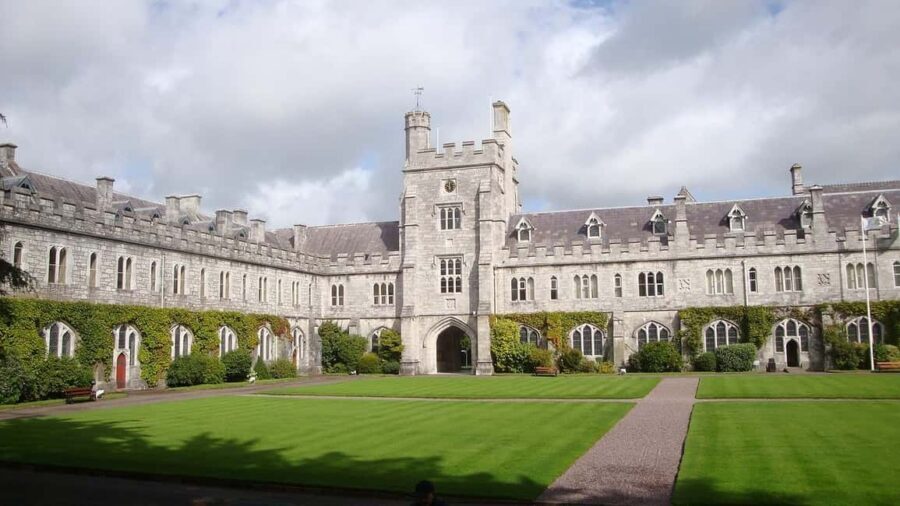
Liège’s “deep roots” reach back before the Roman world fully took over, and your guide uses that to explain what came next. Instead of treating Pre-Roman times like a trivia fact, you’ll see how early settlement patterns and the region’s importance set the stage for later conflicts and institutions.
Then the tour shifts toward the medieval core, where architecture does the storytelling for you. This is where the tour becomes especially useful for architecture lovers, because you’re not just hearing names and dates. You’re seeing the kind of buildings that survived—and what that survival says about priorities.
One nice touch: your guide keeps the narrative moving. You’ll come away with a sense of how Liège developed as a city, not just as a battlefield.
St. Bartholomew and Romanesque details you can actually spot
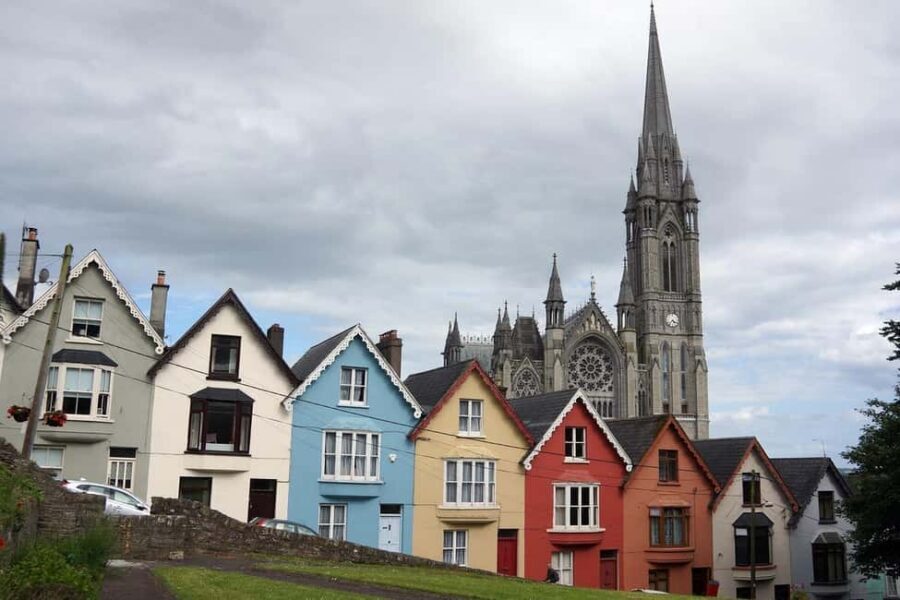
The 12th-century Romanesque Church of St. Bartholomew is the kind of stop that turns “I’ve heard of that church” into “I get why it’s important.” A Romanesque building has a clear visual language, and your guide helps you notice what you would otherwise miss at walking speed.
You’ll use St. Bartholomew as an anchor for the medieval period the tour covers. That’s valuable because the tour moves across centuries—Pre-Roman roots, later religious and political upheavals, and the wars that followed. Having a concrete landmark keeps everything from blurring together.
Keep in mind entrances aren’t included. If you want to go inside (and you should if the church is open), plan for any on-site entrance fee since it’s not part of the tour price.
Carré pedestrian streets: history meets how you’ll enjoy the city
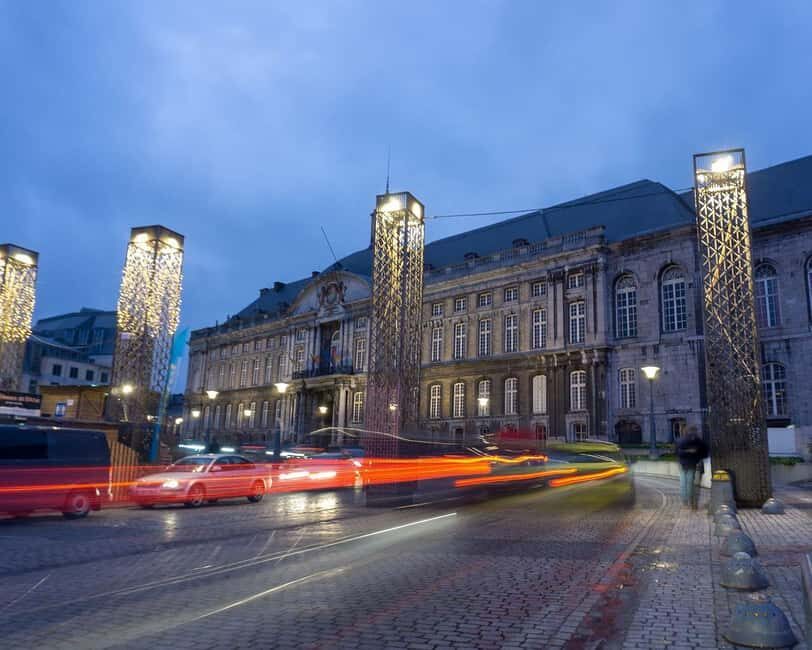
After the heavier historical chapters, you’ll spend time in and around the Carré—the pedestrian area lined with shops. This is a smart way to break up the timeline: you get to end on a portion of town that’s built for strolling and living-in-the-moment, not just looking at monuments.
I like how this creates an “after the tour” plan for you. When you finish, you’re not stuck thinking only about what you learned. You know where to walk next, where to grab something to eat, and how to keep your bearings in old Liège.
And yes, there’s an evening side to the city. Even without going out of your way, Liège’s center supports casual wandering after dark, especially when your day ends near lively pedestrian lanes.
The Liège Wars: learning the human story behind repeated conflict
One of the most praised themes in this experience is the way the guide handles the Liège Wars. The point isn’t just that battles happened. It’s that Liège repeatedly faced turmoil, and that created patterns—political, religious, and social—that shaped how the city functioned afterward.
On a walking tour, this works well because you’re not stuck with a lecture hall vibe. Your guide can connect the story to the city’s layout and to the architectural “evidence” of earlier eras. That helps you understand why certain parts of town mattered more than others.
If you’re the kind of person who likes war history but hates reading thick books, you’ll probably appreciate the balance here. It’s direct, and it keeps returning to causes and consequences.





Counter-Reformation and the Thirty Years’ War: history explained without the fog
Next up is the Counter-Reformation era, followed by the impacts of the Thirty Years’ War. These are periods that can feel abstract if you only hear them as names in a timeline. Here, the value is in how a good guide translates them into what changed locally—how authority was contested, how religion and politics intertwined, and how the city faced repeated pressures.
I find these chapters most useful when a guide makes them feel connected, not separate. This tour aims for that. By the time you reach the Thirty Years’ War portion, you should be able to explain (to yourself at least) why Liège couldn’t simply “stay out of it,” and how the city’s previous struggles influenced what happened next.
If your group wants a little more explanation, there’s room for on-the-spot customizing with your guide. That flexibility matters when your group has mixed interests—one person might focus on church history while another cares about how cities manage power during war.
Habsburg to French rule: seeing power shift in a real place
One of the big draws of this tour is watching Liège evolve from Habsburg to French rule. This isn’t presented as a dry handoff. It’s framed as a practical transformation, tied to the region’s long-run political tensions.
On foot, power shifts become easier to grasp because your guide can keep pointing you back to what you’re seeing: the way the city’s old town developed, the kinds of institutions and symbols that lasted, and why later eras kept rewriting older structures.
This portion is also where the tour earns trust. If the guide is strong, the transitions feel logical. You shouldn’t leave with a pile of names. You should leave with a sense of how control changed and what that likely meant for daily life, even if the tour can’t cover everything in 90 minutes.
Price and value for a private 90-minute Liège walk
At $309 per group (up to 15 people) for 90 minutes, this is a different kind of “value” than a cheap group bus tour. You’re paying for your guide’s time and the private format, which changes the whole experience: fewer distractions, more ability to ask questions, and a pace that matches your group.
If you split it among a smaller group, the cost per person drops quickly. For example, with 6 people, you’re looking at about $52 per person; with 10 people, about $31 per person. That’s the math that makes the private format feel fair.
You’ll also get something you can’t buy as easily elsewhere: the guide’s interpretation. In the reviews, guides like Joseph Gerkens, Hilbert, and Karl get singled out for bringing Liège to life with humor, warmth, and strong pacing—Karl in particular is praised for taking lots of time, and that kind of attention is exactly what you’re paying for.
Entrance fees are not included, so factor that in if you want to go inside St. Bartholomew or any other site your guide suggests.
Language, guides, and the small detail that can change your day
This tour runs with English and German live guides. Reviews highlight a positive experience when the guide is a good fit for your language needs and group dynamic.
That said, one booking experience noted that German wasn’t provided as expected, and the guide ended up being English, with the guide adapting quickly so the group could still follow the stories. That’s encouraging—but it also means you should confirm the language plan if you’re traveling with German-only speakers.
Names that show up strongly in feedback include Joseph Gerkens (praised for incredible knowledge and a friendly way of teaching), Hilbert (described as excellent), and Karl (praised for spending extra time). You can’t pick every detail in a private tour listing, but it’s a good sign when multiple guides are repeatedly praised for the same core skills: clarity, pacing, and friendliness.
Who should book this tour, and who might not
This is a strong match for:
- You want Liège history explained in a way that feels connected to the streets you’re walking
- You care about architecture and want medieval landmarks placed in context
- Your group values a private guide who can answer questions and adjust on the spot
- You want a short, efficient city experience (90 minutes) without trying to do everything in one day
You might think twice if:
- Your group needs a very specific language setup and can’t be flexible if the guide ends up in the other language
- You’re expecting a long sightseeing day with many separate paid sites (entrance fees aren’t included, and the duration is short)
Should you book the Liege Private Walking Tour?
Yes, if you want a compact, high-impact way to understand Liège beyond postcard landmarks. This tour’s main strength is the mix of big historical themes—Liège’s wars, religious turning points, the Thirty Years’ War, and rule changes—paired with visible architecture and real streets like the Carré.
It’s also a smart choice for groups who prefer dialogue over silence. When a guide can adapt quickly (as shown in past experiences) and can keep the timeline clear, 90 minutes feels like you learned more than you expected.
If you’re sensitive about language, make it a quick check before you lock in plans. Otherwise, this is the kind of private walking tour that leaves you knowing what shaped Liège—and where to go next for food, shopping, and evening wandering.
FAQ
FAQ
How long is the Liege Private Walking Tour?
The tour lasts 90 minutes.
What is the price of the tour?
The price is $309 per group, up to 15 people.
Is this a private tour or shared group?
It’s a private group tour, and your guide is with your group only.
What languages are offered?
The live tour guide is available in English and German.
Where do we meet for the tour?
The meeting point is Visitez Liège – Liège tourisme, Quai de la Goffe 13, 4000 Liège, Belgium.
Are entrance fees included?
No. Entrance fees are not included.
Can the tour be customized?
Yes, there may be options to customize on the spot with your local guide.
What historical topics does the tour cover?
You’ll cover deep roots from Pre-Roman times, the Liège Wars, the Counter-Reformation era, impacts of the Thirty Years’ War, and Liège’s evolution from Habsburg to French rule.
Is there free cancellation?
Yes, you can cancel up to 24 hours in advance for a full refund.
Is it possible to reserve and pay later?
Yes, the listing offers a reserve now & pay later option.