REVIEW · LIEGE
Liege Scavenger Hunt and Highlights Self Guided Audio Tour
Book on Viator →Operated by World City Trail · Bookable on Viator
Liege has a talent for rewarding slow walking. This self-guided Liege scavenger hunt turns major landmarks into a game, with audio and GPS in the World City Trail app. You start when you want, follow a 4.2 km route, and solve small puzzles outdoors at places like the Palais des Prince-Eveques and the Opéra Royal de Wallonie-Liège.
What I like most is the freedom: you can pause, skip, and change the order of stops without getting stuck with a group pace. You’ll also get practical help from the app, including insider restaurant and shop tips plus stories that show you what to notice while you’re already standing there.
One thing to consider: this is phone-dependent. You’ll need a charged smartphone and active mobile data, and the tour is outdoor-only—so if your signal is flaky or weather turns, you’ll want a plan.
In This Review
- Key highlights you’ll care about
- Liege scavenger hunt style: why this works better than a standard walk
- Price and value: $9.45 for audio, puzzles, and 10 stops
- Time on your feet: the 4.2 km walk and a realistic duration
- Start point choices: Saint-Paul Cathedral or the route recommended at Saint-Jacques
- How the app-guided hunt actually feels on the street
- Stop by stop: what you’ll do at Liege’s key landmarks
- Aquarium-museum De Liege
- Theatre de Liege
- Opera Royal de Wallonie-Liège
- Palais des Prince-Eveques (Palace of the Prince-Bishops)
- Place Saint-Lambert
- Eglise Saint-Antonie de Liege
- St. Paul’s Cathedral
- Statue equestre de Charlemagne
- Eglise St-Barthelemy (Church of St. Bartholomew)
- Musee Curtius (Curtius Museum)
- The best moments: what made the experience feel memorable
- Practical tips so the puzzles don’t turn into a tech problem
- Support and flexibility: how you’re helped when you need it
- Who this Liege audio scavenger hunt fits best
- Should you book the Liege Scavenger Hunt and Highlights Audio Tour?
Key highlights you’ll care about

- Self-paced, 24/7 start means you can fit it around meals, museums, and jet lag
- 10 outdoor stops keep it simple and avoid extra entrance fees for the activity
- Puzzles tied to what you see (plaques, building details, quick observations) make the walk feel purposeful
- Audio + GPS navigation helps you move forward even when a riddle has you stumped
- Local tips inside the app can steer you toward better-than-usual places to eat and shop
- Long access window with no time limit to complete it after purchase (up to a year)
Liege scavenger hunt style: why this works better than a standard walk
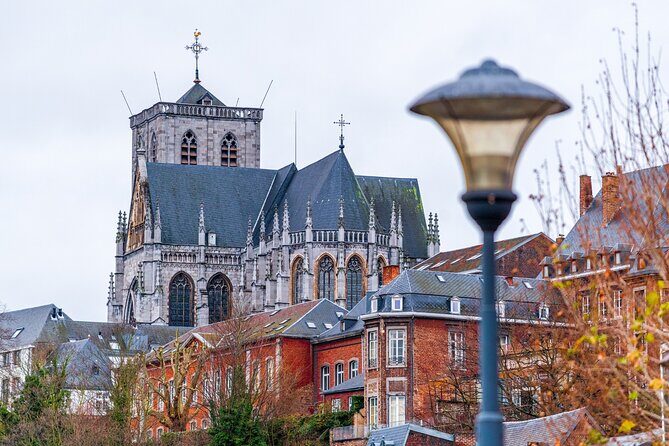
This experience is built for real travel days, not ideal schedules. Instead of marching from stop to stop, you’re given a route and told what to look for, then you move at your own pace. That matters in Liege, where it’s easy to get pulled into side streets, café breaks, or simply wandering because the streets feel made for walking.
The scavenger hunt format also changes your relationship with famous buildings. You’re not just looking at façades. You’re reading clues, checking plaques, and solving mini questions that reward attention. If you like city walking but get bored by passive sightseeing, this is a good switch.
And because it’s 100% self-guided, you don’t have to worry about catching a host at the right minute. You download the app, log in with your booking reference, and start anytime. That’s the kind of flexibility you can actually use.
You can also read our reviews of more guided tours in Liege

Price and value: $9.45 for audio, puzzles, and 10 stops
At $9.45 per person, this is priced like an easy add-on rather than a big-ticket activity. What makes it feel like good value is that you’re not just paying for a route—you’re paying for the app experience: audio guide, GPS navigation, and the puzzle structure that keeps you moving.
You’ll also benefit from the design choice to keep the puzzles connected to outdoor areas. That means you’re not forced into buying tickets just to get the points of the game. The activity is set up so you won’t need extra entrance fees to complete it.
Finally, the access model is generous: there’s no tight timer after purchase. You can finish later, or break it into parts over different days, which is perfect if your schedule isn’t fully under control.
Time on your feet: the 4.2 km walk and a realistic duration

Expect about 4.2 km of walking. The planned walking time is around 54 minutes, but the full activity typically runs closer to 3 hours on average because of the stop-and-solve rhythm and occasional breaks.
In practice, that’s a great format for a half-day plan. You can do it in one go if you’re feeling energetic. Or you can do it like a traveler with a calendar: a start on arrival day, then the rest later.
One small tip for planning: build in a little extra time if you want to read slowly. The puzzles depend on noticing details, and rushing can make you feel like you’re solving in the dark.
Start point choices: Saint-Paul Cathedral or the route recommended at Saint-Jacques
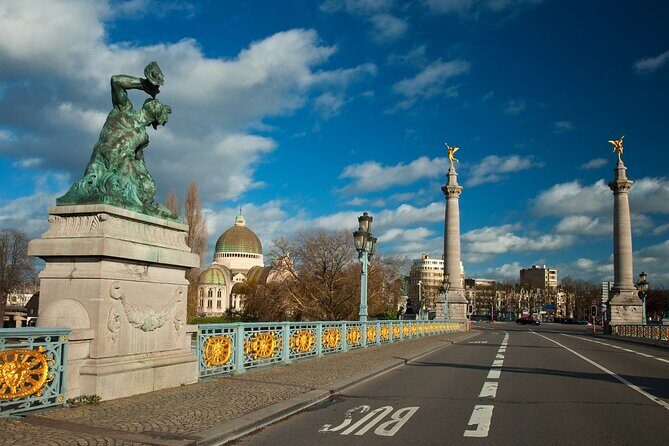
The meeting point information lists Saint Paul’s Cathedral of Liège (Pl. de la Cathédrale, 4000 Liège). But the experience itself notes that the best route is suggested starting at the Collegiate Church Saint-Jacques, and you can start and finish elsewhere.
So here’s how I’d think about it: if you’re trying to keep things simple, start where the meeting point is listed. If you’re chasing the smoother flow, follow the app’s suggested starting spot at Saint-Jacques.
Either way, the tour is flexible. You can start anytime, and you’re not locked into a fixed departure window. If you’d rather begin near where you’re staying, the app’s navigation lets you adjust.
How the app-guided hunt actually feels on the street
Once you’re logged in, the app acts like your guide. It plays audio and shows GPS directions, then brings you to stops where the puzzle is solvable by looking closely at what’s in front of you or by reading nearby signage.
A helpful design detail: if you get stuck, you can use a skip option and move forward. That keeps the experience from turning into a frustrating scavenger hunt where you’re stuck battling a single clue. You can also pause for a break and resume at your last point.
You also get story material via text or audio at certain sites, including church stops like Saint Bartholomew’s Church. That’s what turns the walk into more than a checklist. You learn little bits about what you’re seeing while you’re already engaged.
And yes—your phone speaker works if you don’t want headphones. If you want to stay aware of traffic sounds and street life, consider keeping volume moderate or use one earbud.





Stop by stop: what you’ll do at Liege’s key landmarks
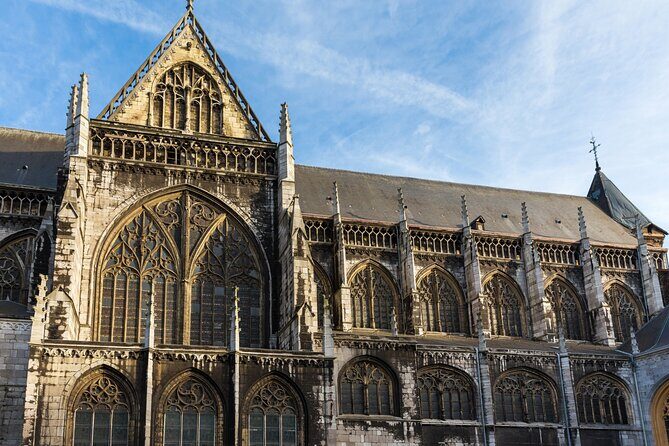
You’ll hit 10 named locations in one connected walking sequence. The important part isn’t just the names—it’s what each stop is asking you to notice.
Aquarium-museum De Liege
This is a strong opener because it gets you thinking like a game player right away. When the puzzle arrives, slow down and look for the specific visual or text clue the app is pointing toward. Even if you’re not there for animal or exhibit content, it’s a good start gate to get your scanning skills working.
Theatre de Liege
By the time you reach the theater area, you’ll likely be in a rhythm: walk, read the prompt, inspect details, then check audio guidance if you need the narrative context. The puzzle style here should feel similar—just set against a different type of façade and public space.
Opera Royal de Wallonie-Liège
This is one of the bigger-name stops, and it helps the hunt feel anchored. The puzzle pushes you to look past the obvious wide view and focus on whatever the app wants you to identify on-site. It’s also a place where audio stories can make the architecture feel less abstract.
Palais des Prince-Eveques (Palace of the Prince-Bishops)
This stop is a highlight for a lot of people because it connects power and place in a way you can actually see. Here, you’ll be solving with observation—checking what’s visible outdoors and using the included hints if needed. If you like history that you can point at, this is the kind of stop that makes the hunt feel worth the effort.
Place Saint-Lambert
This section of the route is where you may encounter a more “city-life” walking feel. One discovery that can surprise you: the route may involve walking through a three-story shopping mall area to reach Saint Lambert’s space. If you like finding the practical path the locals take, this is a fun moment—part shortcut, part city snapshot.
Eglise Saint-Antonie de Liege
Church stops tend to do two things for a hunt like this: they create clear visual targets and they reward careful reading of what’s nearby. Expect the app to steer you toward clues you can find without paying for anything inside.
St. Paul’s Cathedral
Even though this is listed as the meeting point, it’s also part of the overall experience trail. Treat it as a reset moment: you’ll be able to re-check navigation, get oriented, and keep moving with confidence. If you started elsewhere, you’ll still find it a useful anchor to keep your bearings.
Statue equestre de Charlemagne
This is a great “face the clue” stop. A statue is hard to miss, but the puzzle usually aims you at specific details, not just the big silhouette. Take a few extra steps around where the app suggests—many outdoor clues reveal themselves once you change your angle.
Eglise St-Barthelemy (Church of St. Bartholomew)
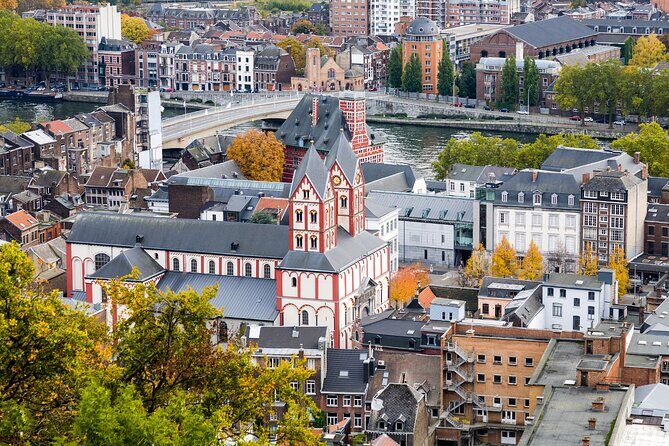
This is where the app’s story layer becomes especially useful. You’ll get legends and history through text or audio tied to what you’re seeing. If you’re the type who likes a little context without turning it into a lecture, this stop nails that balance.
Musee Curtius (Curtius Museum)
By the end, you’re often more focused because you’ve already solved several puzzles and learned how the app communicates. This final landmark is a good wind-down stop, where you can either finish the remaining clues confidently or spend a little time savoring the last pieces of context from the audio.
The best moments: what made the experience feel memorable
The strongest praise pattern here is simple: it helps you see a lot of Liege without feeling like you’re rushing.
One standout detail from the experience flow is that the “coolest thing” isn’t always one of the named 10 stops. You may notice content referenced in between locations, and you might need to backtrack to find it. That’s not a flaw—it’s part of the hunt’s charm. It turns the city into a scavenger puzzle where attention gets rewarded.
Another surprise is the appearance of a 378-step staircase referenced in the route content. It’s the kind of side attraction that makes the walk more adventurous. If you like stretching your legs and you don’t mind a climb, it’s worth watching for and deciding on the spot if you want to go up.
Practical tips so the puzzles don’t turn into a tech problem
This is an outdoor experience built on a smartphone app, so your setup matters.
- Mobile data needed: You’ll want an active connection. Plan for spotty coverage in older street areas.
- Avoid VPN and city Wi‑Fi: The app can malfunction or disconnect if a VPN is on or if you rely on city Wi‑Fi. If you’re the type who always uses a VPN, turn it off for the walk.
- Fully charged phone: This isn’t the moment to run on 3% battery. Bring a portable charger if you’re out all day.
- Comfortable walking shoes: The route is a 4.2 km walk plus puzzle time. That’s enough to feel in your feet if your shoes are wrong.
- Headphones optional: Phone speaker is fine, but headphones are allowed if you want clearer audio.
Weather is another key factor. The experience is outdoor-only, so you’ll feel rain more than you would in a museum-heavy plan. The good news: if bad weather or illness stops you, you can do it another day.
Support and flexibility: how you’re helped when you need it
You’re not on your own with zero help. If you hit trouble, you can use 24/7 live assistance via the chat channel at worldcitytrail.com/chat. There’s no phone support listed, so use chat if anything goes sideways.
Flexibility is a big part of the design. You can start anytime, pause and resume, and finish in your preferred way. The activity also stays available for a long window, which means you’re not forced to squeeze it into a single afternoon.
That also makes it a smart choice if your travel rhythm is unpredictable. If you get a late dinner, a longer stop at a shop, or a slow morning, you can still complete the hunt.
Who this Liege audio scavenger hunt fits best
I’d point you to this if you:
- like walking but want structure that doesn’t feel like a tour bus script
- enjoy puzzles that depend on observation, not trivia memorization
- want an affordable activity that works on arrival day or across two days
- prefer self-guided flexibility over keeping pace with a group
It may feel less ideal if you:
- hate using a smartphone outdoors
- rely on public Wi‑Fi or always-on VPN connections
- want a live human guide talking constantly (this is not that kind of tour)
Still, for most independent travelers, the combo of audio, GPS, and solve-as-you-go puzzles makes Liege feel like your own personal itinerary.
Should you book the Liege Scavenger Hunt and Highlights Audio Tour?
Yes, if you want a low-cost, low-stress way to cover major Liege sights in one connected route. The value comes from the blend of 10 outdoor stops, puzzle-based attention, and audio/GPS navigation you can control on your schedule.
If you’re willing to bring a charged phone, use mobile data, and accept that it’s outdoors, you’ll likely find it satisfying. And if puzzles slow you down, that’s not a problem either—there’s a skip option and plenty of time to work at your pace.