REVIEW · LIEGE
Namur: Escape Game in the city – The Alchemist
Book on Viator →Operated by Coddy · Bookable on Viator
Witchcraft accusations make Namur feel like a movie. This urban escape game turns the streets of Namur into a living puzzle set, with a mobile app steering you through missions and witnesses in the case of an accused villager. At the center is an alchemist’s investigation, and you finish by choosing whether you believe the accusation or defend Josyne.
I especially like two things about this setup. First, the mobile-app missions reward slow, careful attention to what’s around you, not just solving on pure logic. Second, the story has a real decision at the end, so it feels less like a scavenger hunt and more like participating in the case.
The main drawback to plan for is that the puzzle answers can be strict. If you type the wrong term (even a close synonym), you might hit a wall until the app accepts a matching response, so it helps to be ready to try variants instead of grinding one input forever.
In This Review
- Key highlights you’ll feel right away
- How the L’Alchimiste case plays on Namur streets
- Starting at Rue des Bouchers: your 2-hour run begins
- Following the witnesses: what you’re really solving
- The “Old Namur” feeling: discovery vs reading
- Time window and pacing: when to play for the best vibe
- Price and value: $23.26 per group makes it easy to split
- What’s included (and what you must bring)
- Getting help when puzzles get tricky
- Who should book L’Alchimiste in Namur?
- Should you book this escape game?
- FAQ
- How long does the escape game last?
- Where does the experience start and end?
- What time can I play L’Alchimiste in Namur?
- How many people can join per game?
- Is food or drink included?
- What do I need to bring?
- Can I cancel for a full refund?
- Is online support available?
Key highlights you’ll feel right away
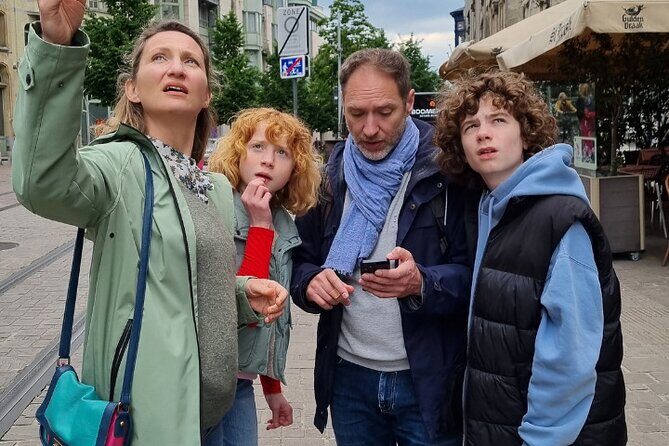
- Old Namur streets as your puzzle map: you’re moving through the center on purpose, not just checking a few spots
- Witness-driven story: each “character” pushes you toward the next clue and the final verdict
- A final defense-or-accusation choice: your outcome is tied to the case you build
- 24/7 online support: if you’re stuck, you’re not left on your own
- Photos at the end: you finish with a recap you can keep
How the L’Alchimiste case plays on Namur streets
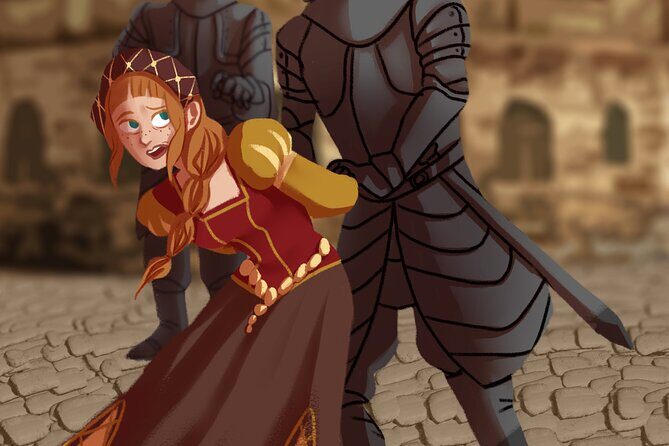
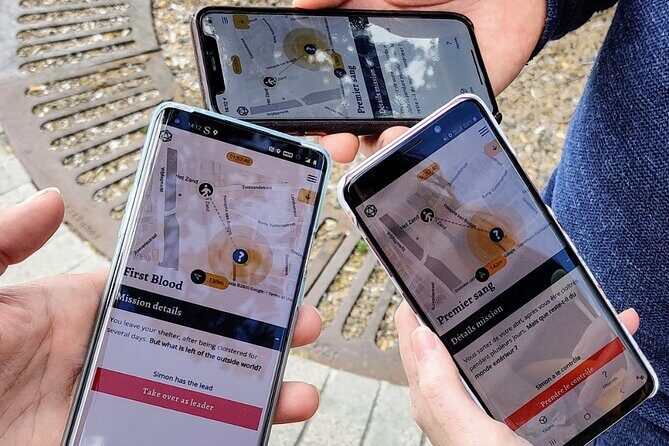
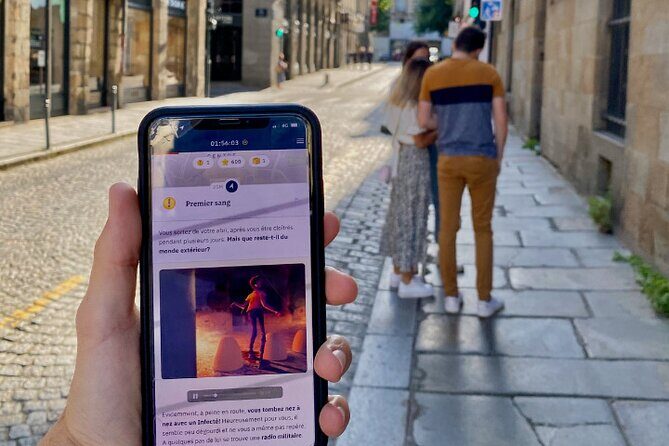
Think of L’Alchimiste as a city walk with a script you control. You and your team use a phone-based guide to move from mission to mission, solving puzzles as you go. Instead of being herded by a human guide through a fixed route, you’re prompted to look closely at the surroundings and work out what each clue is asking for.
The story line is clear and compelling: you play as an alchemist investigating a strange accusation of witchcraft made against a villager. Along the way, you’ll encounter multiple witnesses tied to the accusation and the truth behind it. That matters because it keeps the game moving: you’re not just unlocking riddles, you’re building a reasoned case.
By the end, you choose. Will you defend Josyne, or will you support the accusation of witchcraft? That final decision gives the game a satisfying “so what” moment, which is rare in many escape-style city games.
You can also read our reviews of more city tours in Liege



Starting at Rue des Bouchers: your 2-hour run begins
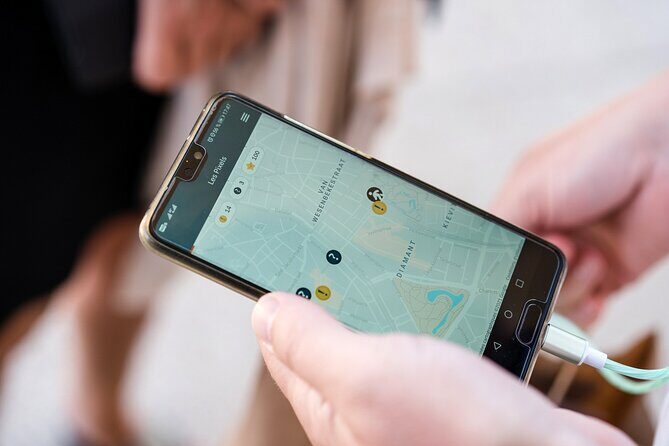
Your game starts at Rue des Bouchers, 5000 Namur, Belgium and ends back at that same meeting point. That round-trip setup is practical: you’re not trying to predict how you’ll get back after the final puzzle, and your navigation stress stays low.
Plan on about 2 hours. In that time window, you’ll cycle through several missions that rely on reading prompts and interpreting what you find around you. The best way I’ve found to enjoy this kind of format is to split roles inside the team:
- one person reads the prompt carefully,
- one person scans for what looks relevant nearby,
- and one person types answers into the app without second-guessing everything at once.
You’ll still work as a unit, but you reduce the time lost when everyone is doing the same task.
Following the witnesses: what you’re really solving
The heart of the game is its witness system. Each witness gives you a puzzle tied to the larger question: why is witchcraft being blamed, and what’s the truth behind the rumor?
In practice, you’re solving in two ways at once:
- You interpret clues tied to the city environment and what the witness is claiming.
- You produce exact answers the app can recognize so you can move forward.
Here’s the part to take seriously: answers can be picky. One example from real play is that terms can be treated differently—clergyman vs priest may not count as the same thing in the puzzle logic. If you hit a dead end, don’t just assume the clue is broken. Try a close alternative, and if your guess is based on wording, experiment with different terms the app may accept.
The good news: the provider has actively updated acceptable answers based on player feedback. In one case, they added additional accepted wording beyond the original set, including geestelijke alongside other religious terms. That’s a sign the game is not frozen in time, and it’s worth trying variations if you suspect you’re right but the wording is off.
The “Old Namur” feeling: discovery vs reading
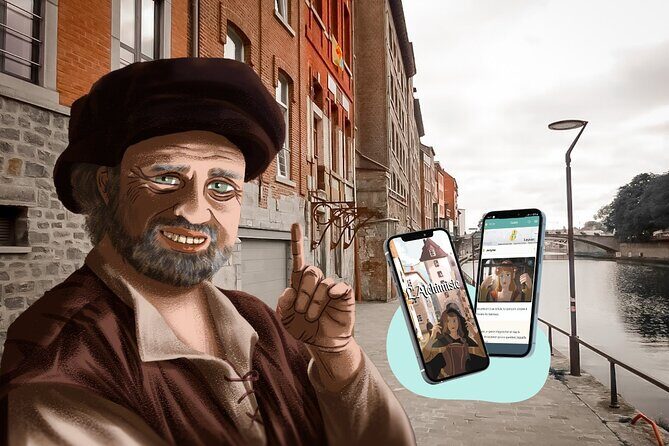
This game definitely delivers the Namur-at-walking-speed vibe. I like that the puzzle locations are tied to the city, so you’re forced to notice details rather than just staring at your screen the whole time. Even if you’ve passed through Namur before, the missions can push you into sections you’d otherwise breeze by.
That said, there’s a trade-off. Some puzzles involve a lot of reading, which can make the walk feel a bit more like working through text than exploring purely for scenery. If you’re the type who wants constant visual payoffs—pretty corners, quick photo stops, and spontaneous detours—this might feel heavier on the “quiet work” side than you expect.
A good compromise: treat the reading as part of the fun. When a witness claims something, let that shape how you look at the environment around you. You’ll end up noticing more, even during the text-heavy moments.
Time window and pacing: when to play for the best vibe

You can access the game anytime between midnight and 11:30 p.m. That’s late, and it changes the mood of Namur. At night, the streets feel more like a story set than a sightseeing circuit. If your team likes dramatic atmospheres, this is a strong fit.
You can start at many hours within that window, and the game is designed to run for about two hours. I’d treat it like a proper evening plan: arrive near the start with everyone ready to focus, and don’t schedule it right after a long dinner where half your group is already tired.
Also note the game is designed for small teams: maximum 6 travelers. If you have a bigger group, you’ll need to split, which can be a bonus if you want teams to compare outcomes at the end.




Price and value: $23.26 per group makes it easy to split
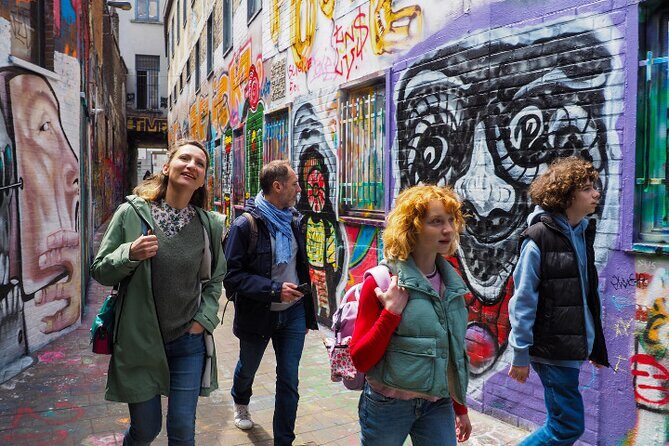
The price is $23.26 per group (up to 6). That’s not per person, so the value swings depending on how you travel.
Here’s the practical math:
- For 6 people, it’s about $3.88 each
- For 4 people, about $5.82 each
- For 2 people, about $11.63 each
That makes it especially good value for families or small friend groups who can share the cost. It also means you can take a “fun bet” on an activity without feeling like you’re paying premium per seat.
Compared with many guided tours, you’re also getting extras that help the cost make sense: you receive a recap with photos at the end, and you have 24/7 online support if you get stuck. Plus, your game has a validity period up to 3 years, so you’re not locked into a single attempt right away.
What’s included (and what you must bring)
Included:
- 24/7 online support
- Game validity up to 3 years
- A fun city tour experience
- A summary of your adventure with photos at the end
Not included:
- Food and drink
- A smartphone and battery
That last point matters. You should come with a phone that’s actually usable, and that means a charged battery. If your phone dies mid-mission, you’ll lose time and likely reduce the fun level for everyone.
If your group has multiple phones, that can help too. You only need to be consistent, but having options prevents one device from becoming a bottleneck.
Getting help when puzzles get tricky
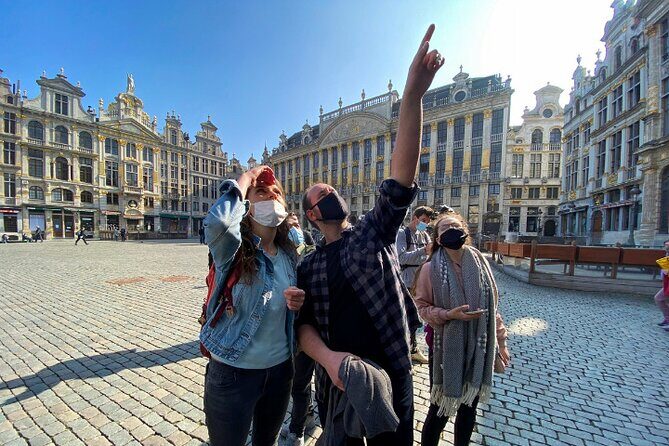
The built-in support is part of what makes this kind of game less stressful. With 24/7 online support, you’re not stuck with only your team’s guesses if a puzzle refuses to cooperate.
If you tend to get frustrated with wording puzzles, use a simple team rule:
- agree on what the clue is asking,
- test one best guess,
- if it fails, try the most likely close alternative,
- then move on with support if needed.
This keeps the game from turning into a typing contest that steals your time. And if your clue involves terms that might have multiple acceptable formats, remember that the system can accept different spellings and updated wording as it improves.
Who should book L’Alchimiste in Namur?
I’d book this if you want an evening activity that mixes light problem-solving with walking through real streets. It fits especially well for:
- small groups up to 6 who like working together
- families who enjoy puzzles but don’t want a long, formal tour
- visitors who want Namur to feel like a story, not just a checklist
I’d think twice if your top priority is maximizing sightseeing views with minimal reading. The game does ask for attention and text input. You’ll still move through interesting parts of the city, but the “work” portion is real.
It’s also a solid choice if you’re traveling at night and want something different from museums and early closing spots.
Should you book this escape game?
Yes—if your group likes puzzles, wants a nocturnal Namur vibe, and can handle some reading. The value is strong because it’s per group, the route runs about 2 hours, and you get photo recap plus 24/7 support.
I’d pass or reconsider if you hate strict answer inputs or you’re hoping for a sightseeing-first experience with lots of spontaneous scenic stops. This is a game, and the game side takes effort.
If you do book, go in with one mindset: solve as a team, try wording alternatives quickly, and enjoy the city-walk element rather than treating it like a pure photo tour.
FAQ
How long does the escape game last?
The game lasts about 2 hours.
Where does the experience start and end?
It starts at Rue des Bouchers, 5000 Namur, Belgium, and ends back at the same meeting point.
What time can I play L’Alchimiste in Namur?
You can access it anytime between midnight and 11:30 p.m.
How many people can join per game?
The activity has a maximum of 6 travelers per group.
Is food or drink included?
No. Food and drink are not included.
What do I need to bring?
You’ll need a smartphone and a battery. They are not included.
Can I cancel for a full refund?
Yes, you can cancel for free up to 24 hours in advance of the experience for a full refund.
Is online support available?
Yes. There is 24/7 online support.