REVIEW · BRUGES
Private Tour: The Dark Side of Bruges
Book on Viator →Operated by Legends of Bruges Free & Private Tours · Bookable on Viator
Bruges has a darker bedtime story. On this private evening-style walk, your guide steers you away from the crowds and into lesser-known corners, where old Bruges tales, legends, and superstition get told in a way that sticks. I like the pace and focus: you get personal attention, plus the tour ends right at Bauhaus Bar, making it easy to turn the stories into a relaxed night plan.
The second thing I really like is the structure. You start on the big square and then hop through medieval landmarks—harbor-area squares, canals, and churches—so you always know what you’re looking at and why it matters. And if you’re meeting new places with a map in one hand and a question in the other, this format is built for that.
One heads-up: if you’re expecting pure horror, you might be surprised. The tone can lean more toward history and local lore than nonstop “dark” content, and one person reported an end-of-tour beer-voucher mix-up. Still, the walking experience and night mood are the real win.
In This Review
- Key points before you go
- Why Bruges by night feels like a different city
- Private tour means you set the tempo
- Price and timing: what you’re really paying for
- Meeting point and the easy landing at Bauhaus Bar
- The Dark Side route: 7 stops that connect the dots
- Stop 1: Historic Centre of Brugge
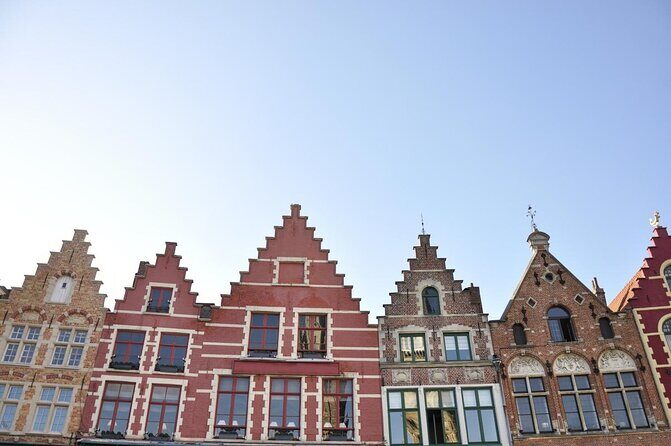
- Stop 2: The Markt
- Stop 3: Jan Van Eyckplein
- Stop 4: Gouden-Handrei (Golden Hand Canal)
- Stop 5: Adornes Domain
- Stop 6: Sint-Janshuismolen
- Stop 7: The Bauhaus Bar (finale)
- “Dark side” expectations: how to judge the vibe before you book
- Guides make the difference: pacing, humor, and Q&A
- Is the 1.5-hour format right for you?
- Who this tour fits best
- Planning tips so you get the most from the walk
- Should you book the Dark Side of Bruges tour?
- FAQ
- How long is the private Dark Side of Bruges tour?
- What does the tour cost?
- Is this tour really private for my group?
- Where do we meet and where does it end?
- What language is the tour offered in?
- Do we need to buy admission tickets for the stops?
- Is there free cancellation?
- Can we bring a service animal?
Key points before you go
- Private for your party: no waiting for strangers, no crowd shuffling, easier for questions.
- A night-friendly route: you’ll see key Bruges sights in softer evening light and quieter streets.
- Story stops in real places: the stops connect directly to canals, squares, and churches.
- Smart pacing: short segments (about 10–20 minutes each) keep things moving.
- Finish at Bauhaus Bar: a simple “where do we go next?” solution right at the end.
- Small group feel, even solo: a guide keeps the experience lively and interactive.
Why Bruges by night feels like a different city
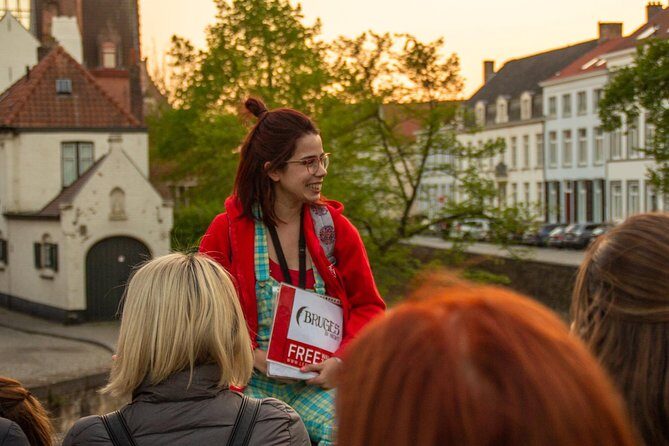
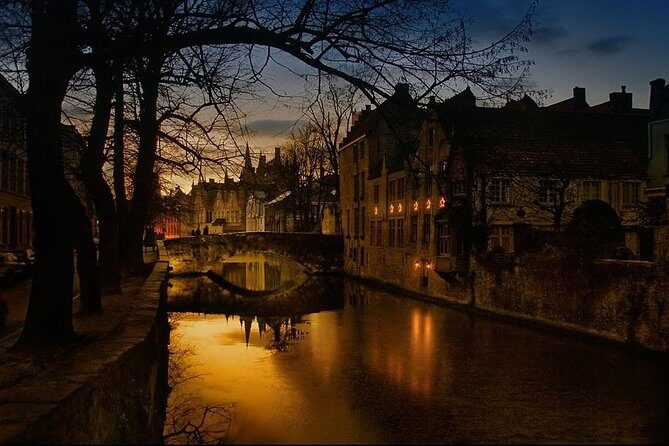
Bruges in the daytime is beautiful, sure. But at night, it gets quieter and more personal—like the city lowers its voice after the tour buses leave. This kind of evening walking tour works because your eyes adjust fast: lighting makes old stone look softer, canals feel more atmospheric, and backstreets stop being “pass-through alleys” and start being part of the story.
Even if you’ve been to Bruges before, this is a strong way to reset. Instead of doing landmarks in a checklist order, you’re following tales that explain why certain corners earned their reputations. One recurring theme in feedback is that the guide’s storytelling keeps attention locked in, especially when you’re walking through streets most first-timers skip.
You can also read our reviews of more private tours in Bruges

Private tour means you set the tempo
The biggest practical value here is simple: it’s private, meaning only your group goes along. That changes the whole feel of a walking tour. You don’t have to match a stranger’s pace. You can ask questions as you go, then get answers right away instead of waiting for a group pause.
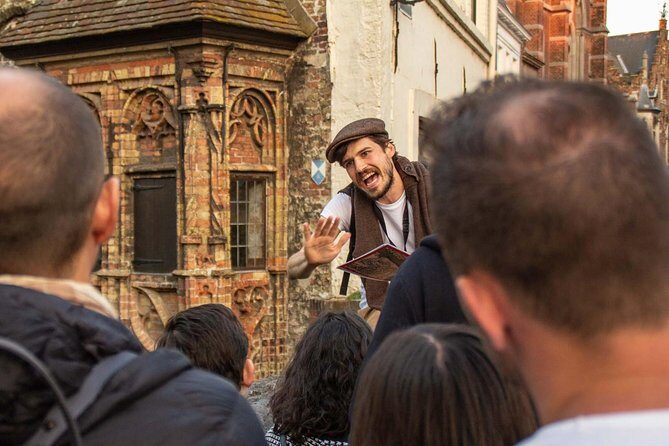
You also get a more conversational guide experience. Names that came up include Martin and Louis, both praised for being friendly, engaging, and fun to listen to. Jonathan (and Jonathon) was highlighted for mixing architecture, local culture, and legendary stories so the walk didn’t feel like a script read from memory. Hein also got strong mention for being welcoming and clearly invested in the experience.
For value, this matters. If you’re traveling as a couple, with friends, or with teens who hate standing still, private tends to pay off because you control the rhythm and avoid the “herd” effect.
Price and timing: what you’re really paying for
At $105.59 per person for about 1 hour 30 minutes, you’re paying for two things: a professional guide and a route that’s built for a nighttime pace. You’re not buying separate attraction tickets as part of the stops—admission tickets for the listed areas are marked free. That helps keep the experience predictable.
Booking timing is another clue. The average booking window is about 44 days in advance, which suggests this is a popular way to spend an evening in Bruges—especially for people who want something different from the usual daytime circuits. If you can, book early and pick a later time slot if options are available. One review noted that choosing an earlier tour may have been a mistake, hinting that dusk can add charm.
Meeting point and the easy landing at Bauhaus Bar
You meet at Markt area near Pieter de Coninck en Jan Breydel (Bruges 8000). The tour ends at St Christopher’s Inn – The Bauhaus on Langestraat 137. The end point is about a 12-minute walk from the starting area, so you’re not signing up for a confusing route that drops you miles away from where you’ll actually want to hang out.
That ending matters. A lot of tours finish at some “good luck” spot. Here, you get a clear finish line: the front door of Bauhaus Bar. It’s a practical move because you can decide on dinner or drinks right after the walk without figuring out logistics from scratch.
The Dark Side route: 7 stops that connect the dots
This tour keeps each segment short—mostly around 10 minutes—with a longer opening that gives you context. That structure is part of the charm: you get a story, you walk to the next setting, you get another story. It doesn’t drag, and it helps you remember what you saw because each stop has a clear point.
Stop 1: Historic Centre of Brugge
The walk starts in the Historic Centre, with a promise to show you areas tourists often miss. This is where the guide sets the vibe: old tales, legends, and ghost stories that tie back to the city itself. The goal here is not just scare-factor. It’s cultural context—why certain streets and buildings feel “alive” with rumor and memory.
Since the time on this first stop is about 20 minutes, it’s your best chance to ask what kind of stories you’ll hear. If you want more superstition, you can lean into that. If you’d rather focus on the real medieval context, you can steer the conversation that way.
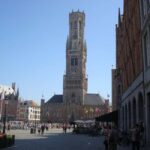
Stop 2: The Markt
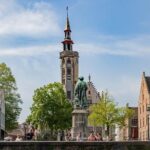
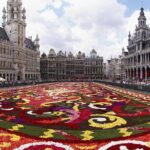
From the historic center, you shift to the Markt, Bruges’ main square. This stop is quick, but it gives you a historical introduction—so when you return your eyes to the square later, you understand what you’re seeing beyond architecture.
The practical benefit: you’re building “mental bookmarks.” Once you know the role of the Markt in the city’s older life, it becomes easier to orient yourself for the rest of your stay.
Stop 3: Jan Van Eyckplein
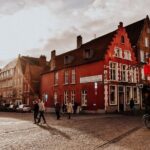
Next is Jan van Eyckplein, described as tied to the old harbor area of medieval Bruges. Even if you don’t remember the details later, you’ll likely remember the feeling: Bruges as a working water city, not just a postcard.
A harbor-origin stop is a smart choice for this theme. When cities depend on ships and trade, rumors travel faster too—along with wealth, hardship, and strange tales.
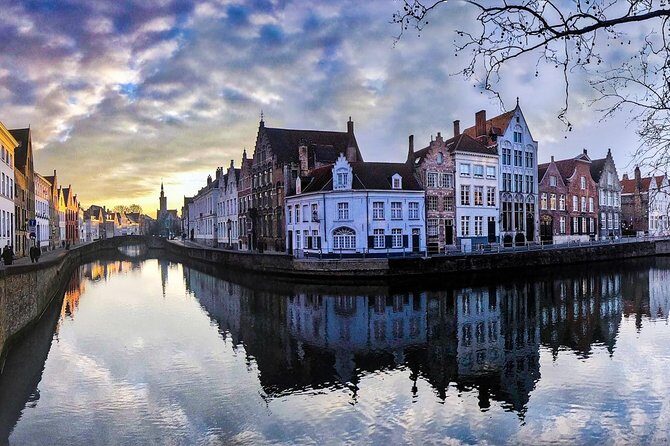
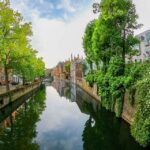
Stop 4: Gouden-Handrei (Golden Hand Canal)
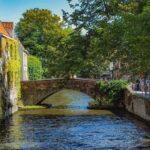
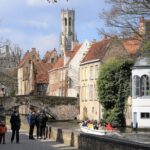
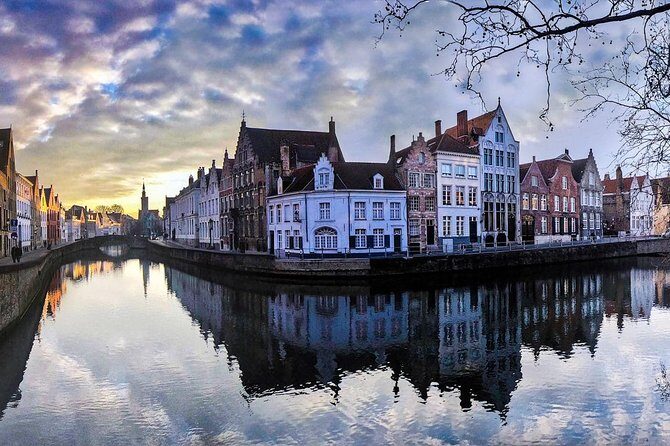
This is one of the most “dark” sounding stops on the route: the Golden Hand Canal, plus the origin of its name connected to the devil and superstition. Whether you’re a diehard legend person or a skeptic, this is fun because it explains why a canal would become part of local storytelling in the first place.
One note for expectations: this stop gives you devil-and-myth flavor, but the overall tour can still feel like local lore braided into history rather than full-on horror theater.
Stop 5: Adornes Domain
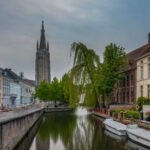
Then you move to Adornes Domain, focused on a legendary story tied to an iconic church. This stop often lands well because it connects the “dark” theme to something real and still visible in the city.
If you like your stories anchored to specific architecture, this is your moment. Church legends are a common way European towns preserve memory, and Bruges does it with style.
Stop 6: Sint-Janshuismolen
At Sint-Janshuismolen, the emphasis shifts to visuals: you take a snapshot of the majestic mills on the outskirts. It adds variety to the walk—so you’re not only stuck in squares and narrow lanes—and it gives your camera a clear subject.
Mills are also a reminder that Bruges was once powered by industry. That mix of romance and function is exactly what makes the city interesting.
Stop 7: The Bauhaus Bar (finale)
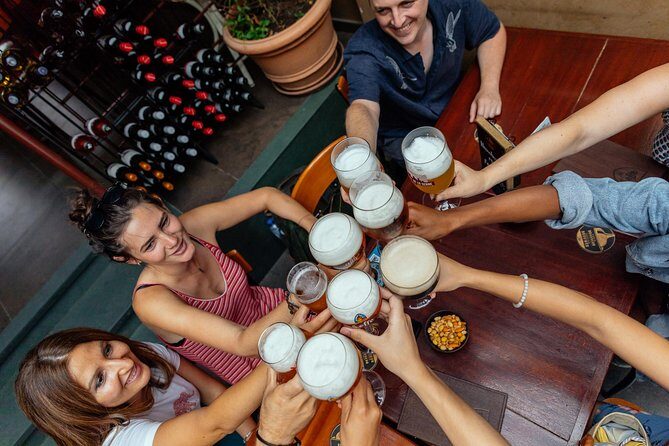
The tour ends in front of The Bauhaus Bar at St Christopher’s Inn. This stop works because it turns the experience into an easy next step. You can continue chatting with your group while the stories are still fresh.
There’s one minor consideration raised in feedback: one person said they did not receive beer vouchers as expected. Since the tour data you have here doesn’t promise vouchers explicitly, treat any drink perk as a nice-to-have rather than a sure thing.
“Dark side” expectations: how to judge the vibe before you book
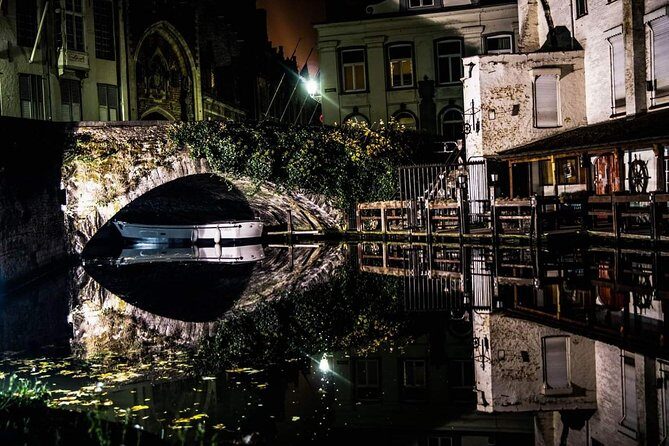
The title tells you what you’re in for—Bruges with a shadow side. But the content seems to land in a middle zone: legend, superstition, and eerie stories mixed with solid background on the city.
That’s not a bad thing. It makes the tour feel grounded. A purely horror-focused walk can start to feel forced in a town where the true drama is historical. Here, the “dark” aspect is often the way people interpreted life back then—through devils, ghosts, and the stories they passed down.
So if you want one thing most of all—better stories, quieter streets, and a guide who answers questions—this delivers. If you want staged terror every ten minutes, you might feel the darkness is more symbolic than scary.
Guides make the difference: pacing, humor, and Q&A
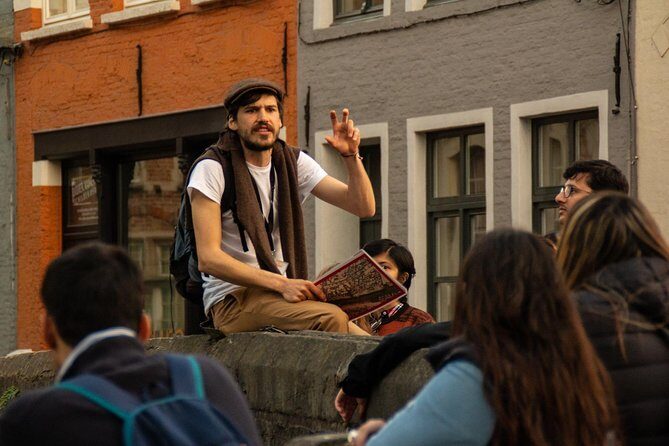
A huge part of this experience is the human factor. Multiple guides earned top marks for being friendly and engaging, including Martin, Louis, Jonathan/Jonathon, and Hein. Common praise points were:
- They keep the pace comfortable on a walking route.
- They use humor and description to make facts easier to remember.
- They answer questions on the spot.
For you, that means you’re not just hearing information—you’re getting a conversation. That’s especially useful if you like to plan the rest of your trip after you learn where things are and why they matter. One guide was also praised for sharing restaurant and bar recommendations that paid off.
Is the 1.5-hour format right for you?
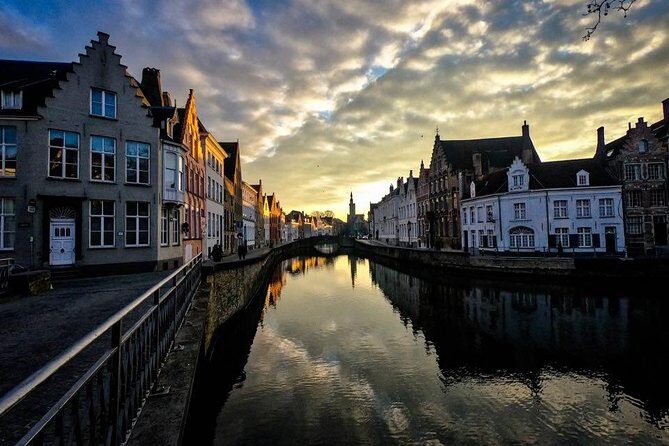
An hour and a half is the sweet spot for a “stories + sights” walk. Long enough to build a narrative arc. Short enough that you’re not exhausted after.
It also works well as an early trip activity. A few pieces of feedback emphasized that taking the tour early helps you understand where to go afterward. You’ll leave with better orientation and a clearer sense of which neighborhoods you actually want to explore next on your own.
If you’re short on time in Bruges, this is a smart use of it. If you’re there for multiple days, it’s still a good way to add flavor beyond museums and main squares.
Who this tour fits best
This isn’t just for adults who love legends. The tone and pacing seem to work across ages, including teenagers and adults. It’s also a good pick if you want a quieter Bruges evening without spending hours hunting for the “right streets” alone.
Practical suitability notes from the tour info:
- It’s in English.
- It’s private for your group only.
- Service animals are allowed.
- It’s near public transportation.
- Most travelers can participate.
So if you’re traveling with mobility limits, you’ll still want to check how comfortable you are with city walking—but at least you’re not signing up for a specialized, inaccessible route.
Planning tips so you get the most from the walk
A few small moves can sharpen the experience:
- Arrive with one question ready about Bruges—politics, trade, or legends. Guides can steer answers to match your interests.
- If you can choose the time, consider a later/dusk slot for stronger evening atmosphere. One review suggested the later tour would likely feel even better.
- Wear shoes made for cobblestones and night walking. Even when the route is short, Bruges streets can be uneven.
- Bring a phone camera and keep it handy. The mills stop is built for a quick shot, not a long photo session.
Should you book the Dark Side of Bruges tour?
Book this if you want Bruges at night with a guide who makes local lore and city history feel connected, not random. The private format is a big part of the value, and ending at Bauhaus Bar is a smart, low-stress payoff.
Hold off or adjust expectations if your main goal is nonstop “dark” horror. This walk leans heavily on legends and history together, with devil-and-superstition moments sprinkled in. Also, if you’re counting on any specific drink perk, don’t assume it—ask what’s included.
If you like stories, quiet streets, and getting answers while you walk, this is one of the better ways to spend an evening in Bruges without losing your time to crowds.
FAQ
How long is the private Dark Side of Bruges tour?
It runs for about 1 hour 30 minutes.
What does the tour cost?
The price is listed at $105.59 per person.
Is this tour really private for my group?
Yes. It’s a private tour/activity, and only your group participates.
Where do we meet and where does it end?
You start at Pieter de Coninck en Jan Breydel, Markt 8000 Brugge. The tour ends at St Christopher’s Inn – The Bauhaus, Langestraat 137.
What language is the tour offered in?
The tour is offered in English.
Do we need to buy admission tickets for the stops?
Admission tickets are listed as free for the stops included in the itinerary.
Is there free cancellation?
Yes. You can cancel up to 24 hours in advance for a full refund.
Can we bring a service animal?
Yes, service animals are allowed. The tour is also near public transportation and most travelers can participate.