REVIEW · BRUSSELS
The Brussels Crime Tour
Book on GetYourGuide →Operated by Brussels By Foot SRL · Bookable on GetYourGuide
A dark walk through Brussels starts fast. This 2-hour crime story tour uses the historic centre to move you through brutal scandals and the culture behind them. I especially liked how the guide approach is theatrical and detailed, not just a list of crimes.
Two things I love: first, the way you get real case examples tied to specific places and time periods. Second, you’re not just watching darkness unfold; you’re also learning how policing, customs, and social rules shaped what people believed and did.
One possible drawback: the pacing can feel heavy early on, so if you hate long intros, plan to stick with it through the first stretch to get to the more direct case stories.
In This Review
- Key takeaways
- A 2-hour crime story walk with real Brussels streets
- What you’ll hear: murder, devil legends, and high-drama scandals
- Double murder linked to pork, back in 1850
- The Devil’s Corner legend from the 17th century
- The Saint-Gery Square crime, 1847
- The Jeanne Van Calk case from 1906
- How the guide storytelling style changes your experience
- Stop-by-stop feel: what each moment teaches you
- Historic alleys and the social rules behind the violence
- Devil’s Corner: fear as a cultural product
- Saint-Gery Square: crime where people gather
- Jeanne Van Calk: the case becomes a public narrative
- Price, value, and who this tour is for
- Practical details that affect your day
- The balance: facts-first but still chilling
- Should you book the Brussels Crime Tour?
- FAQ
- How long is the Brussels Crime Tour?
- How much does the tour cost?
- What languages is the guide available in?
- Where does the tour take place?
- Is the tour wheelchair accessible?
- Is the tour suitable for children?
- What can I expect the tour to cover?
- Which specific cases are included?
- Can I cancel for a refund?
Key takeaways
- Theatrical guide energy that keeps the story moving while staying grounded
- Specific historical cases tied to Brussels landmarks and eras
- A respectful, facts-first tone, even when stories get violent
- A fast 2-hour format that fits well into a day in the city
- Thibaud-style storytelling shows up often in the experience feedback
- Not for under-12s, since the content can be intense
A 2-hour crime story walk with real Brussels streets
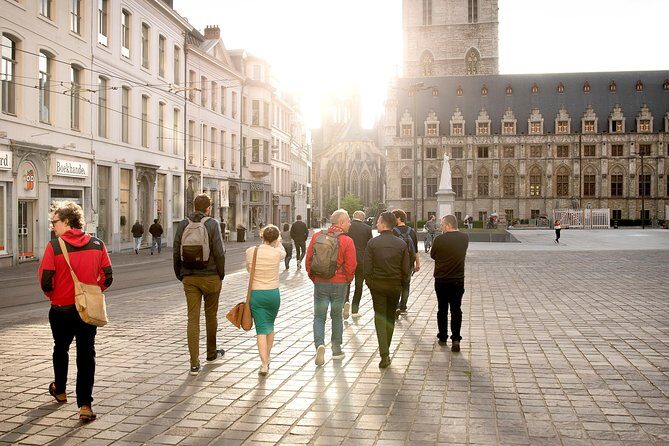
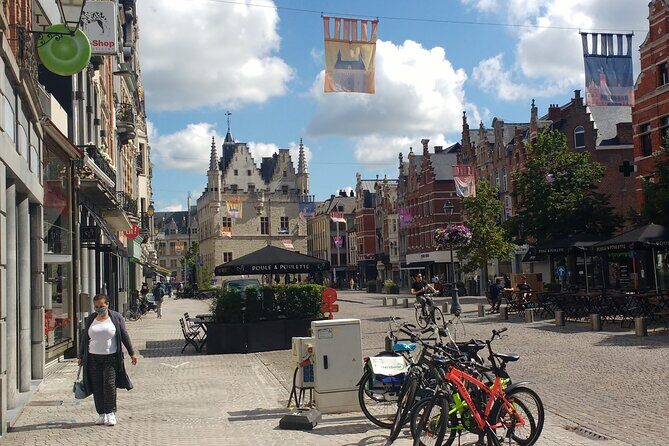
The Brussels Crime Tour is exactly what it sounds like: a guided walk through parts of Brussels where crime left a mark on local memory. You’re heading into the historic centre and working your way through lanes that feel darker and tighter than the big squares. The goal is not shock for shock’s sake. The goal is understanding—how people, institutions, and social pressure turned ordinary life into scandal, revenge, or punishment.
I found the best part is the tour’s framing. You’re not only hearing what happened. You’re also learning why it happened in that specific era—what people feared, what they wanted to protect, and how authorities reacted. That’s why the tour works even when a case is well known or just plain grim: you’re seeing Brussels as a living society, not just a postcard.
And at $25 per person for 2 hours, it can feel like a bargain if you like guided storytelling. You’re paying for an actual live guide who sets the pace and pulls the details together into a coherent walk. If you’re the type who enjoys a structured “do this, then this” city experience, that price starts to look very reasonable.
You can also read our reviews of more tours and experiences in Brussels.



What you’ll hear: murder, devil legends, and high-drama scandals
This tour is built around a handful of anchor stories, then filled out with smaller details so the city feels connected. The content stretches across the 17th to the early 20th century, and that range matters. Crime isn’t treated as a modern invention—it’s shown as something shaped by old laws, old morals, and old blind spots.
Here are the big stories you should expect, in the broad spirit of how the walk is set up:
Double murder linked to pork, back in 1850
One of the headline cases is a double murder connected to 50kg of pork (1850). That specific detail is a clue to how the tour thinks: you’re looking at crime through daily life. Food mattered. Livelihood mattered. Stealing or trading meat could touch money, hunger, class, and power all at once.
Practically, this kind of story is effective on a walking tour because it gives you something concrete to picture. You’re not stuck in vague “crime happened” territory. Instead, you can imagine the stakes in the background—what 50kg of pork meant in that moment, and why it could be the spark for something far worse.
The Devil’s Corner legend from the 17th century
Then the tour shifts tone with the Devil’s Corner legend (17th century). A legend can feel different from a courtroom case, and that’s the point. Stories like this show how fear spreads when the official story isn’t enough—or when a place accumulates rumors over time.
For me, legends are where a walking tour earns its keep. You’re hearing the tale while standing near the urban fabric that helped the tale survive. Even if you don’t treat every detail as literal truth, you learn something real about beliefs and how communities explain the unknown.
The Saint-Gery Square crime, 1847
The tour also highlights a crime connected to Saint-Gery Square (1847). This is where the walk leans into Brussels as a map of social life. Square crimes are often crimes of visibility—something happens where people gather, trade, argue, and form opinions. That visibility can shape how witnesses speak, how rumors grow, and how “justice” becomes a public story.
If you’re someone who likes cities as characters, this stop is satisfying. It turns a well-known urban area into a memory lane for real conflict.


The Jeanne Van Calk case from 1906
Finally, the Jeanne Van Calk case (1906) brings you into a period where the modern-sounding idea of a famous case starts to show up. It also fits the tour’s pattern: the guide places the crime inside the society around it—expectations, vulnerability, and what authorities and communities decided to believe.
Even when the story is dark, you’ll notice the guide’s emphasis on context over sensationalism. The tour’s promise is that it sticks to facts and treats the people in the story respectfully, even when the content is violent.
How the guide storytelling style changes your experience
A huge part of whether a crime tour feels like entertainment or like a thoughtful walk is the guide. This one leans hard into theatrical storytelling, with a clear sense of performance. You’re hearing cases as narratives, not dry reports.
In the experience feedback, names like Thibaud come up for having the kind of delivery that pulls you in—prepared, confident, and able to make the details click. That theatrical tone matters for a second reason: it helps you hold on to a lot of information while walking. In two hours, you’re taking in multiple eras, multiple cases, and lots of little connections. A strong guide keeps that from turning into noise.
That said, there’s one caution from pacing: one early stretch can feel longer than the moment it first creates. If you’re mainly there for the case stories and you dislike long setup, the best move is to go in with patience. The structure seems designed to build atmosphere and context first, then deliver the most direct crime narratives afterward.
Stop-by-stop feel: what each moment teaches you
The tour doesn’t operate like a museum where you stop for a plaque and move on. It behaves more like a guided story with city geography. Here’s the kind of “what you learn” that each stop tends to offer.
Historic alleys and the social rules behind the violence
Before you reach the big named cases, you’re usually building the baseline: Brussels street life, how communities worked, and how the idea of police and punishment evolved. This matters because the tour wants you to understand crime as part of society, not as a random break in the normal.
Look at it this way: a case from 1850 isn’t just about the murder. It’s also about who could be suspected, who could afford protection, and how people interpreted behavior. That’s why the guide repeatedly connects the crime to customs and social expectations of the time.
Practical tip: wear comfortable shoes. Even if it’s only 2 hours, you’ll be in darker streets and likely moving steadily.
Devil’s Corner: fear as a cultural product
With legends, the lesson becomes: fear spreads through stories. The “Devil’s Corner” part isn’t just spooky theatre. It’s about how a location can become a symbol, especially in centuries when information traveled slowly and reputations could make or ruin people.
This kind of stop is great if you like the psychological side of history. You’re learning what communities needed to explain, and how a shared story can become a local warning.
Saint-Gery Square: crime where people gather
For the Saint-Gery Square crime, you’re looking at a social stage. Crimes in public spaces tend to create more witnesses, more gossip, and more pressure to act. Even if you don’t know the case already, you can usually feel how the square setting would shape the response.
I like this stop because it turns a place I might otherwise rush past into something worth slowing down for.
Jeanne Van Calk: the case becomes a public narrative
By 1906, the tour’s style fits well with a case that carries broader attention. This is where you start seeing the beginnings of the modern “famous scandal” feeling—how the public could form an opinion, and how authorities could be pulled by that pressure.
If you enjoy how media-like rumor works in the pre-modern world, you’ll get extra value here. The guide’s emphasis on society and custom helps you see how people’s expectations shaped what was believed.
Price, value, and who this tour is for
At $25, this is one of those tours where the value depends on your taste. If you like guided storytelling and want to see Brussels from a less tidy angle, it’s a good buy. You’re not just buying facts; you’re paying for someone to shape those facts into a narrative you can experience while walking.
It also helps that the time commitment is short. A 2-hour tour is easier to fit into a day than longer experiences, especially in a city where you may want to mix neighborhoods and stop for food afterward.
Best fit:
- Adults and teens 12+ who can handle tense, sometimes violent themes in a respectful way
- People who like history told through specific cases, not only dates and rulers
- Anyone who prefers live guides over self-guided content
Not a great fit:
- If you’re easily unsettled by crime stories and violence
- If you need a very tight, fast-moving pace and hate longer intros
Practical details that affect your day
The tour is run by Brussels By Foot SRL, and it’s offered with live guides in French and English. The meeting point can vary depending on which option you book, so confirm the exact location so you don’t waste time hunting.
One more thing: the tour is listed as wheelchair accessible. That’s important for planning your comfort and route expectations. If accessibility matters for your group, check the option details before you go.
The balance: facts-first but still chilling
This is not a gore-heavy theatrical show. The tour promises a walk that’s respectful and keeps to the facts, even while the stories are frightening and sometimes bloody or violent. That balance is key. You can feel the intent: the guide wants you to understand how people were trapped by circumstance, desire, revenge, and social pressure—not just watch violence happen.
The result is a tour that can be genuinely compelling for history lovers and also for people who simply want a memorable Brussels experience that doesn’t feel like another “look at the building” stop.
Should you book the Brussels Crime Tour?
Book it if you want a focused, 2-hour Brussels walk where the guide turns crime into a way to understand the city’s society across centuries. The strongest reason is the guide-led storytelling—theatrical, prepared, and detailed—plus the specific anchor cases like the pork-related double murder (1850), Devil’s Corner (17th century), Saint-Gery Square (1847), and Jeanne Van Calk (1906).
Skip it if your top priority is a super-short, tightly paced tour that starts with the most direct crimes immediately. One early stretch can run long, and that may not work for your style.
If you like your history with atmosphere and your stories tied to real streets, this is a smart, good-value choice.
FAQ
How long is the Brussels Crime Tour?
The tour lasts 2 hours.
How much does the tour cost?
It costs $25 per person.
What languages is the guide available in?
The live tour guide is available in French and English.
Where does the tour take place?
It takes place in the Brussels Capital Region in the historic centre.
Is the tour wheelchair accessible?
Yes, it is wheelchair accessible.
Is the tour suitable for children?
It is not suitable for children under 12.
What can I expect the tour to cover?
You’ll hear criminal cases and legends connected to Brussels across the 19th and 20th centuries, along with context about society, customs, and policing in those periods.
Which specific cases are included?
Examples include a double murder tied to 50kg of pork in 1850, the Devil’s Corner legend from the 17th century, a crime connected to Saint-Gery Square in 1847, and the Jeanne Van Calk case in 1906.
Can I cancel for a refund?
Yes. You can cancel up to 24 hours in advance for a full refund.