REVIEW · BRUSSELS
The Most Complete Tour Of Brussels
Book on Viator →Operated by BelgoTours · Bookable on Viator
Three hours, and Brussels clicks into place. This walk focuses on the most emblematic sights in central Brussels, with a guide tying architecture, politics, and small-city quirks into one easy route.
Two things I really like: you get guided context at each stop (not just photos), and the ticket style is simple—there’s free admission at the sights on the route, so you’re not hunting for extra entry fees. One thing to plan for: it’s still a walking tour, so if you’re sensitive to longer distances or uneven pavement, you’ll want to move carefully and pace yourself.
In This Review
- The Route: A Tight 2.5-Hour Brussels Hit List
- Grand Place (Grote Markt): Brussels at Full Volume
- Manneken Pis: The City’s Smallest Star
- Sablon’s Notre Dame: When the Guide Slows You Down
- Mont des Arts: Views, Royal-Era Energy, and a Smart Finish
- Price and the Voluntary Contribution: What You’re Really Paying For
- How Guides Shape the Tour (Even on a Short Walk)
- Timing, Walking Pace, and When to Wear Your Best Shoes
- Who This Tour Fits Best in Brussels
- Should You Book This Tour of Brussels?
- FAQ
- How long is the tour?
- What does the tour cost?
- Is the tour in English?
- What are the main stops on the route?
- Is admission included for the sights?
- Where does the tour start and end?
- Do I need to bring a ticket?
- FAQ
- Can I cancel for a full refund?
- Is there a group size limit?
The Route: A Tight 2.5-Hour Brussels Hit List
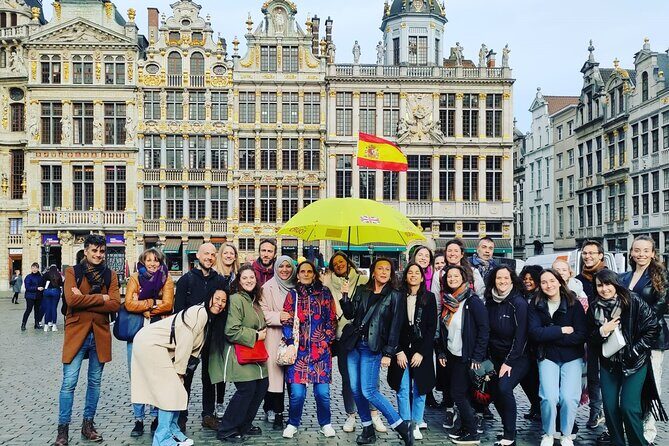
This is a great choice when you’ve got a day or two and you want your bearings fast. The tour runs about 2 hours 30 minutes, and it keeps you moving through classic central landmarks without dragging you all over town.
The group stays small—up to 30 people—which usually helps the guide keep energy up and answer questions. You’ll also get a mobile ticket, and the tour is offered in English.
One detail I appreciate as a practical traveler: the itinerary is built around big, obvious street-level places. So even if the weather is moody, you can still enjoy the experience because you’re not stuck inside for most of it.
Grand Place (Grote Markt): Brussels at Full Volume
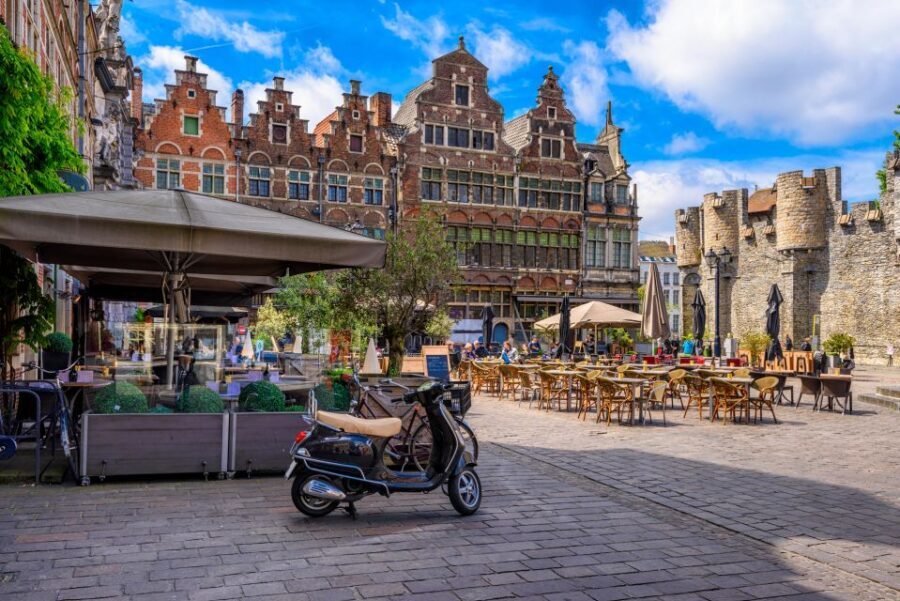
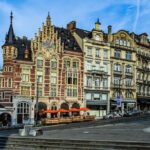
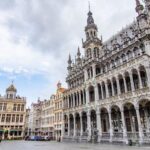
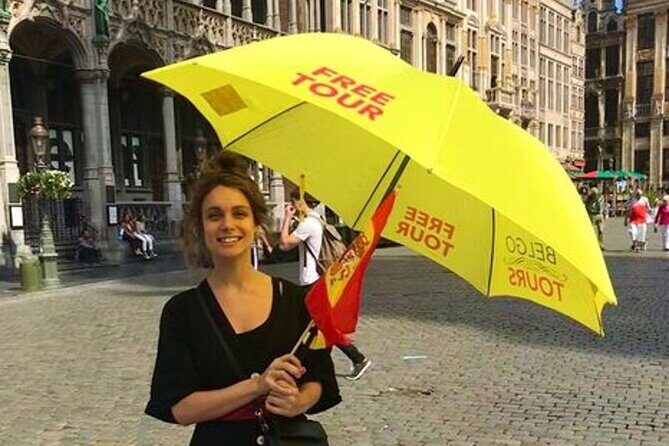
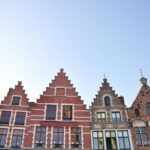
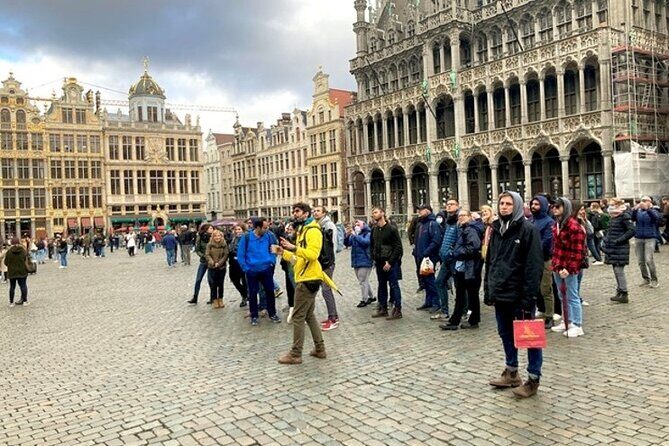
Grand Place is the kind of place you feel immediately. It’s not one building—it’s the whole square acting like a show. You’ll see a wide mix of architectural styles around you, and that contrast is the point: Brussels doesn’t look like one era. It looks like layers stacked in the same neighborhood.
The tour time here is short (about 15 minutes), so the guide’s job matters. A good guide keeps it from becoming a quick walk-by. In past runs, guides like Marcella and Ian have been praised for adding history in a way that’s easy to follow, plus practical tips for what to do next around the center.
What to watch for while you’re there:
- Buildings with different facades facing the square, so your eye keeps moving
- Side streets that branch off the square, which can help you orient for later wandering
- Street-level details the guide points out so you understand what you’re looking at
Possible drawback: since it’s a busy, photo-heavy square, it can get crowded. That’s not the tour’s fault. Still, arrive with the mindset that you’ll get a quick, smart overview—not a long, slow appreciation session.
You can also read our reviews of more tours and experiences in Brussels.


Manneken Pis: The City’s Smallest Star
Then you head to Manneken Pis, the famous pis boy. It sounds like a joke until you’re standing there and realize how deeply the city built its identity around a tiny symbol.
You get about 20 minutes here, which is enough time for the guide to explain what it means and why Brussels still talks about it with a straight face. The best part is that the stop doesn’t feel random. It fits the theme: Brussels loves contrast—big political stories and small, playful icons side by side.
Tips to make this stop better:
- Don’t rush. Take a second to look at the crowd flow and the best angle for photos
- Let the guide’s explanation change how you see it, because it’s easy to treat as a funny statue only
- Use the moment to ask where to go next for quick coffee, since this area is dense with options
Sablon’s Notre Dame: When the Guide Slows You Down
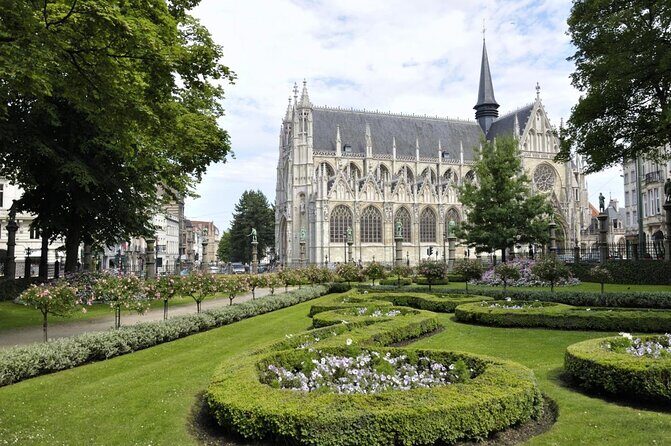
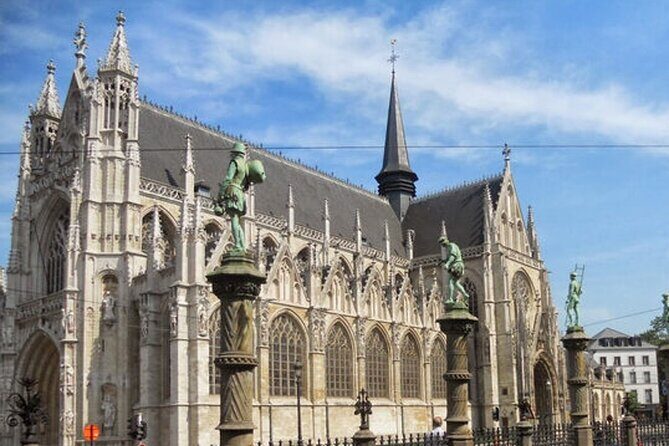
The next stop is Esglesia de Nostra Senyora del Sablon (the Church of Notre Dame in Sablon). This is where the tour shifts from the loud public square vibe to a more focused, reflective one.
You’ll have about 20 minutes. The big value here is the background: this was a former meeting place for the aristocracy during the 19th century. That detail matters because it changes the feel of the space. You’re not just looking at a church; you’re stepping into a part of Brussels that once held power in a more formal, elite way.
In one praised run, Adelin was called out for presenting not only pleasant stories but also the uncomfortable angles of Belgium’s past without skipping them. That style shows up well here: Sablon can feel calm, but the guide keeps it from turning into a boring pause.
What you can do during this stop:
- Step back from the church area and take in how the neighborhood feels around it
- Ask what other nearby streets are worth walking on your own, since Sablon is a good launching pad for independent wandering
- Use the quiet time to reset before the final climb
Consideration: if you’re expecting a major interior visit, that may not be the feel of this walk. Based on the format, you’re getting context in the time window, not a deep museum-style experience.
Mont des Arts: Views, Royal-Era Energy, and a Smart Finish
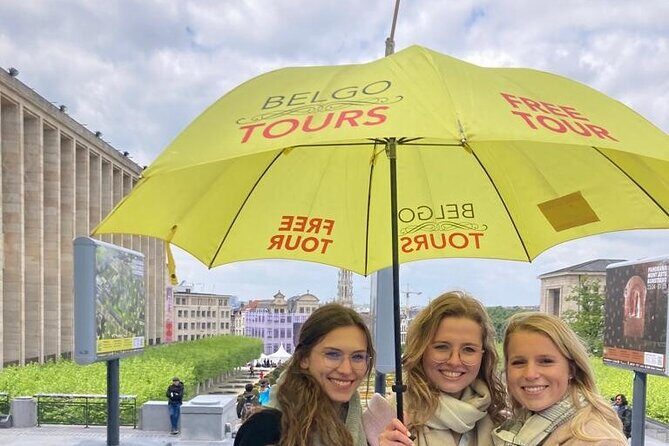
The tour ends around Mont des Arts, in the upper part of Brussels. This is described as the royal court district, so the vibe changes again. You’re moving from central crowd energy to a more elevated, official-feeling area.
The tour allots 20 minutes here. That’s a sweet spot: enough time to orient yourself, catch good viewpoints, and understand why this area matters, without losing the plot.
Mont des Arts also works as a practical finish. From here, you’re well positioned to:
- Continue exploring in the center with better orientation
- Add a museum or viewpoint stop if you have extra hours
- Decide whether to head back toward Grand Place or drift into quieter streets
Possible drawback: the “upper part of the city” clue is real. You might notice slopes. If you’re walking with sore feet, bring shoes that can handle uneven sidewalks and any incline.
Price and the Voluntary Contribution: What You’re Really Paying For
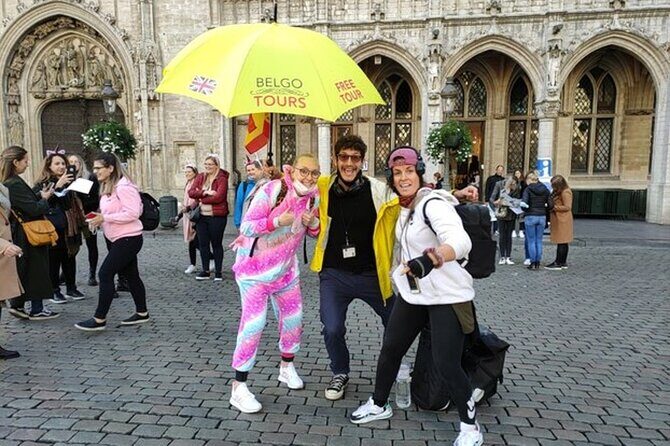
The advertised price is $3.62 per person, and you’ll need to plan on a voluntary contribution at the end, typically €15–30. That’s a big part of the value story.
Here’s how I think about the economics:
- You’re paying a low base price for the structure: a guide, a route, and the timing that keeps you from getting lost
- You’re not paying separate admission at each stop, because the stops listed are free admission
- The guide’s real work happens in the storytelling and pacing, so the end-of-tour contribution keeps the incentives aligned
In other words, the $3.62 isn’t the whole experience cost. But it’s also not a trap. It’s a way to reduce upfront friction and keep the tour accessible, while still rewarding good guiding at the end.
What’s not included is also useful to know: there’s no chocolate tasting and no snacks. Brussels is famous for food, so I’d plan your sweets and bites separately and let the guide focus on the sights.


How Guides Shape the Tour (Even on a Short Walk)

The tour’s format depends heavily on the guide. That’s why the guide names in the feedback are worth noting, because they point to the kinds of skills you might experience.
Some guides are known for:
- Keeping history understandable, with a lively tone (Ian, Antonio, Tom, Paul, Cesar show up in that kind of praise)
- Using interactive engagement like quiz-style questions (Marcella is specifically credited for this)
- Handling sensitive topics responsibly without making it feel like it’s being avoided (Adelin is praised in this way)
- Delivering practical, on-the-ground tips after the tour, not just during it (Ian is mentioned for sharing lots of hints and recommendations)
Does that mean every guide will do the same things? No. But it does suggest this operator hires guides who treat explanation as part of the job, not an afterthought.
Timing, Walking Pace, and When to Wear Your Best Shoes
A 2.5-hour walking tour sounds manageable on paper. In practice, your comfort comes down to pacing and how you move between stops.
Here are the practical realities:
- The stops themselves are around 15–20 minutes each, so the time pressure is real
- You’ll spend time walking the gaps in central Brussels, which can add up faster than you expect
- One review notes that there can be quite a bit of walking for people with some impairments, even though “most travelers can participate”
So I’d treat this as a classic city-walk with stops, not a stroller-friendly wander.
What to do so you enjoy it:
- Wear shoes you could walk in for a full morning
- If you need breaks, take them near the sights where you can safely step aside
- Bring a light layer if it’s cold. One guide experience mentioned enjoying the tour even on a cold day, which tells me the route works year-round.
Who This Tour Fits Best in Brussels
This tour is strongest for you if:
- You want a fast, guided orientation to central Brussels
- You’re here for a short stay and want the most recognizable sights in a single loop
- You like your city facts tied to real places, not just a list of dates
It’s also a smart pick if you plan to do the rest of your trip independently afterward. End at Mont des Arts, then decide where you want to go next with better context.
I’d be a little cautious if:
- You’re expecting long time in each stop. It’s a hit list, not a slow tour
- You need minimal walking or very step-free routes. The info says service animals are allowed and most travelers can participate, but there’s clearly walking involved and at least some feedback flags that pace.
Should You Book This Tour of Brussels?
If you’re trying to get value without overthinking your first day, I’d book it. For about 2.5 hours, you’ll get a guided route through Grand Place, Manneken Pis, Sablon’s Notre Dame, and Mont des Arts, with free admission at the listed sights and the chance to learn how Brussels makes sense as a place.
I’d especially recommend it if your Brussels plan includes at least one food or beer detour after. In one praised experience, a guide named Marcella paired the history with pointers around beer culture, including Delirium as a suggestion point. That kind of “what to do next” thinking is exactly what helps a short trip feel bigger.
FAQ
How long is the tour?
The tour runs for about 2 hours 30 minutes.
What does the tour cost?
The listed price is $3.62 per person. At the end, you’re asked for a voluntary contribution to the guide, typically €15–30.
Is the tour in English?
Yes, the tour is offered in English.
What are the main stops on the route?
It includes Grand Place, Manneken Pis, the Church of Notre Dame in Sablon, and Mont des Arts.
Is admission included for the sights?
Yes. The stops listed are marked as free admission.
Where does the tour start and end?
It starts at Grand Place (Grote Markt), 1000 Brussel, Belgium, and ends at Mont des Arts 1, 1000 Bruxelles, Belgium.
Do I need to bring a ticket?
You’ll receive a mobile ticket.
FAQ
Can I cancel for a full refund?
Yes. You can cancel up to 24 hours in advance for a full refund.
Is there a group size limit?
Yes. The tour has a maximum of 30 travelers.