REVIEW · BRUGES
Bruges: Musea Brugge Card with Entry to 11 Museums
Book on GetYourGuide →Operated by Musea Brugge · Bookable on GetYourGuide
Bruges museum time beats ticket lines. With the 72-hour Musea Brugge Card, you can scan into 11 top museums and monuments without repeated ticket stops, so you spend more energy on the streets.
What I like most is the range: Flemish Primitives at Groeninge, Michelangelo’s Madonna and Child at the Church of Our Lady Museum, plus collections that cover archaeology, furniture, folklore, and more. You also get real Bruges highlights built into the pass, including the Belfort/Belfry experience where you can tackle 366 steps for sweeping views over the rooftops.
The main catch: if your plan is only one or two indoor stops, the card can feel pricier than pay-as-you-go, and a couple sights have seasonal limits (the Sint-Janshuis Mill is closed during winter).
In This Review
- Quick hits before you go
- Musea Brugge Card: what 72 hours really buys you
- Where your card gets you in Bruges (and why the mix matters)
- First stop strategy: scanning in fast and choosing your own start
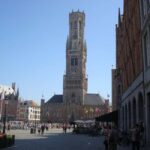
- Belfort (Belfry and Carillon): climb the 366 steps, then cash in the view
- Groeninge Museum: Flemish Primitives without the museum fatigue
- Church of Our Lady Museum: Michelangelo’s Madonna and Child
- Stadhuis (City Hall): civic power and an audiovisual approach
- Brugse Vrije and Gezellehuis: Bruges beyond the postcard
- St John’s Hospital Museum: the most impressive “heritage” stop
- Sint-Janshuis Mill: worth it, but plan around seasonal closure
- Our Lady of the Pottery: a quieter included church site
- Gruuthusemuseum and Volkskundemuseum: two very different ways to learn Bruges
- How to pace 3 days: a simple, practical flow
- Ticket-line savings and the QR-code reality check
- Value check: is $38 worth it for your trip style?
- Who should book this card
- Should you book? My straightforward recommendation
- FAQ
- Can I start at any museum with the Musea Brugge Card?
- Do I need to reserve for the Belfort?
- What’s included in the card?
- How does entry work with the card?
- Is the Sint-Janshuis Mill open year-round?
- What should I know about luggage and pets?
- Is the Gruuthusemuseum wheelchair accessible?
Quick hits before you go
- 11 admissions in 72 hours means you can keep moving from museum to museum without recalculating the budget every time
- Belfort/Belfry access includes a climb worth planning around, and it’s best paired with a reserved time slot when you can
- Groeninge Museum is a strong play if you care about Flemish Primitives and fine art in a historic setting
- Church of Our Lady Museum delivers a major art moment with Michelangelo’s Madonna and Child
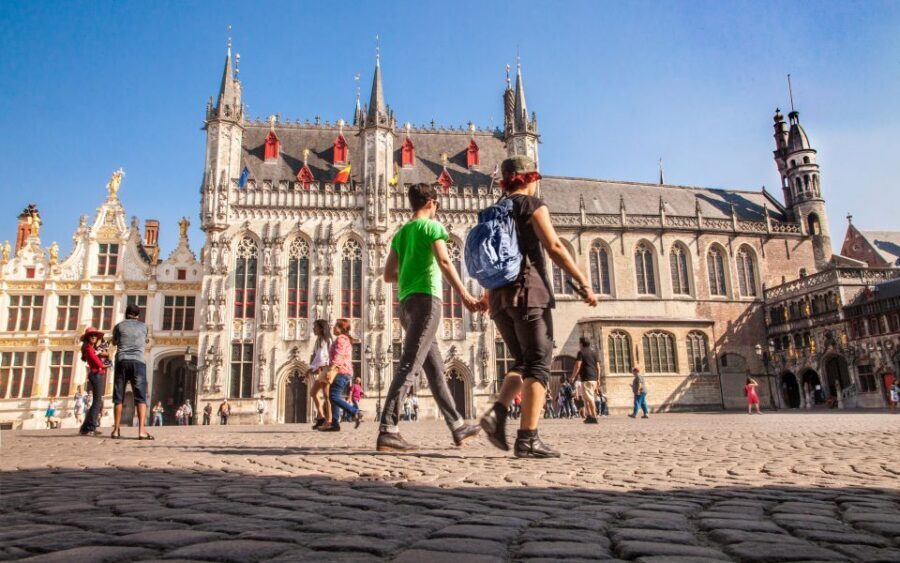
- Lots of “not just museums” stops like city institutions and heritage sites make the pass feel more like a tour of Bruges itself
- Winter timing matters, especially for the Sint-Janshuis Mill and shorter seasonal opening hours
Musea Brugge Card: what 72 hours really buys you
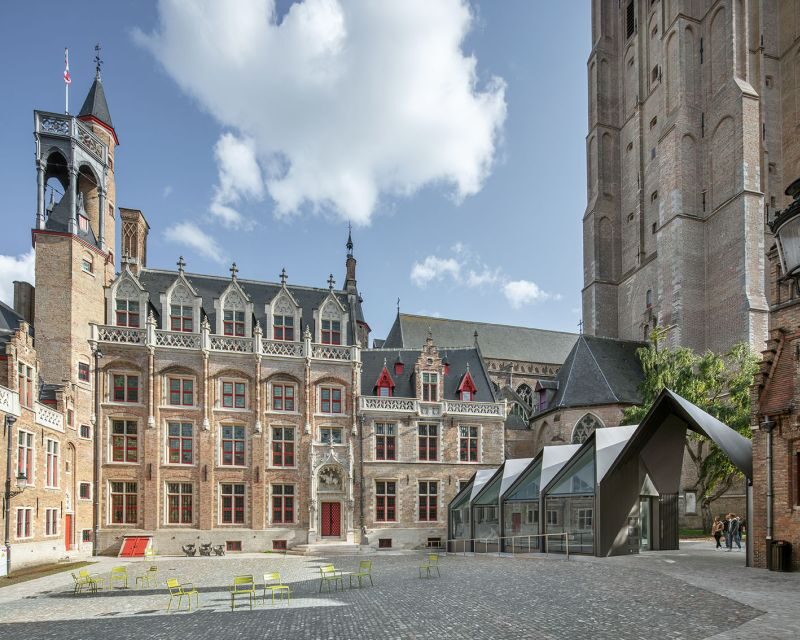
Bruges is the kind of city where you can wander for hours and still feel like you missed something. This pass nudges you to be a bit more intentional without turning your day into a checklist. You’re not buying one attraction. You’re buying flexibility across the most important cultural stops in the city center.
At $38 per person for a 3-day card, the real value is math plus momentum. If you plan to see at least three sites, the pass typically starts making sense fast. The other win is how the card works: you’re scanning a voucher at the entrance, so you’re not stuck in ticket lines every time you decide to duck into another place.
And the selection is well chosen. It’s not only famous-art museums. You get a blend: fine arts, ecclesiastical collections, civic buildings, and heritage museums that explain what Bruges life looked like beyond the tourist poster. If you like the feeling of learning the city’s “how people lived” side, this pass is built for that.
That variety also helps you pace yourself. On a day when you’re museum-heavy, you can pick quieter stops like the heritage-focused museums. On a day when you want big sights, you can center your plan around the Belfort and the Church of Our Lady Museum.
You can also read our reviews of more museum experiences in Bruges

Where your card gets you in Bruges (and why the mix matters)
The Musea Brugge Card includes free entry to 11 attractions and monuments. Those stops are:
- Belfort (Belfry and Carillon)
- Brugse Vrije (Liberty of Bruges)
- Gezellehuis (House Gezelle)
- Groeningemuseum (Groeninge Museum)
- Gruuthusemuseum (Gruuthuse Museum)
- O.L.V.-kerk Museum (Museum of the Church of Our Lady)
- O.L.V.-ter-Potterie (Church of Our Lady of the Pottery)
- Museum Sint-Janshospitaal (St John’s Hospital)
- Sint-Janshuismolen (Sint-Janshuis Mill) (closed during winter; opens 1st of April)
- Stadhuis (City Hall)
- Volkskundemuseum (Museum of Folk Life)
Why that mix is smart: Bruges is famous for medieval streets and architecture, but the city’s identity also lives in institutions—civic power, religious culture, and daily life. This pass treats those as museum-worthy. So even if you’re not an all-day art person, you can still find meaningful stops that feel connected to the city you’re walking through.
It also means you can tailor your own “Bruges mood.”
- If you’re art-forward, you’ll likely stack Groeninge and the Church of Our Lady Museum, then add city and heritage museums to round it out.
- If you’re architecture- and history-forward, you can put more weight on Belfort, City Hall, Brugse Vrije, and the hospital complex.
Just know one practical thing: some museums have different levels of access. For example, Gruuthusemuseum is not wheelchair accessible, so plan around that if you need it.
First stop strategy: scanning in fast and choosing your own start
You don’t have to begin at a specific place. You can go to the Museum Pavilion (the main ticketing center) or simply start at any museum/attraction you want. Your “activation” is straightforward: scan your voucher at the entrance.
That matters because Bruges day planning is usually weather-driven. If rain hits, you want the option to pivot immediately into the nearest included museum. With this card, you can.
If you’re someone who likes audio support, there’s another small advantage: the Musea Brugge website offers free audio tours for each location. That’s an easy way to turn a quick walk-in into something more thoughtful without hiring a guide.
One small habit I recommend: before you head out, skim which included stops are likely to fit your energy level. The card encourages you to keep going, but you still want to choose the stops you’ll enjoy enough to linger.
Belfort (Belfry and Carillon): climb the 366 steps, then cash in the view
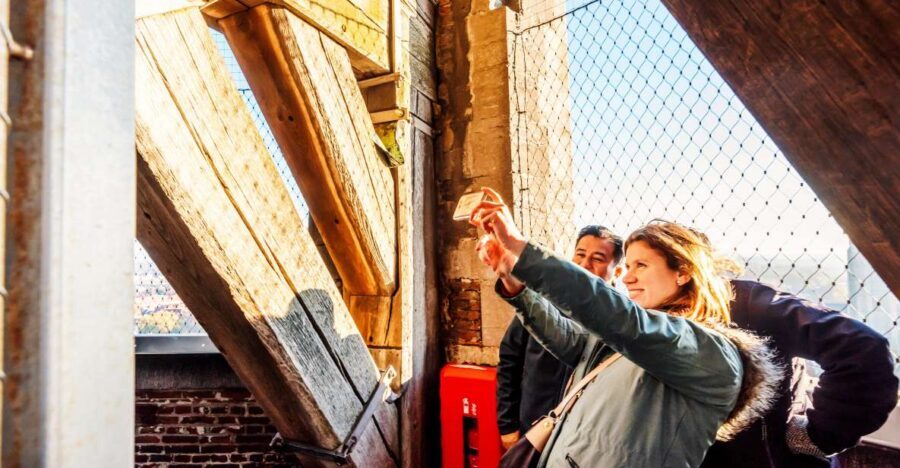
The Belfort is the kind of Bruges highlight that makes the pass feel like more than a discount. You’re climbing 366 steps, and the payoff is the panoramic view. It’s also the easiest attraction in your plan to build around, because once you’re done, you can flow into nearby museums and heritage sites without wasting time.
The best move is to plan for the time slot. Reserving a free time slot online at www.museabrugge.be/museabruggecard is recommended. That’s not about paperwork drama—it’s about protecting your day from unnecessary waiting.
Also think of the Belfort as more than a staircase. You’re getting a strong orientation point for the city: once you see the rooftops and canals from above, the streets below feel less confusing. It’s the kind of mental map that makes the rest of Bruges easier to enjoy.
If you’re sensitive to heights or long stair climbs, take that seriously before committing. The steps are part of the experience, but not everyone loves the physical ask.
Groeninge Museum: Flemish Primitives without the museum fatigue
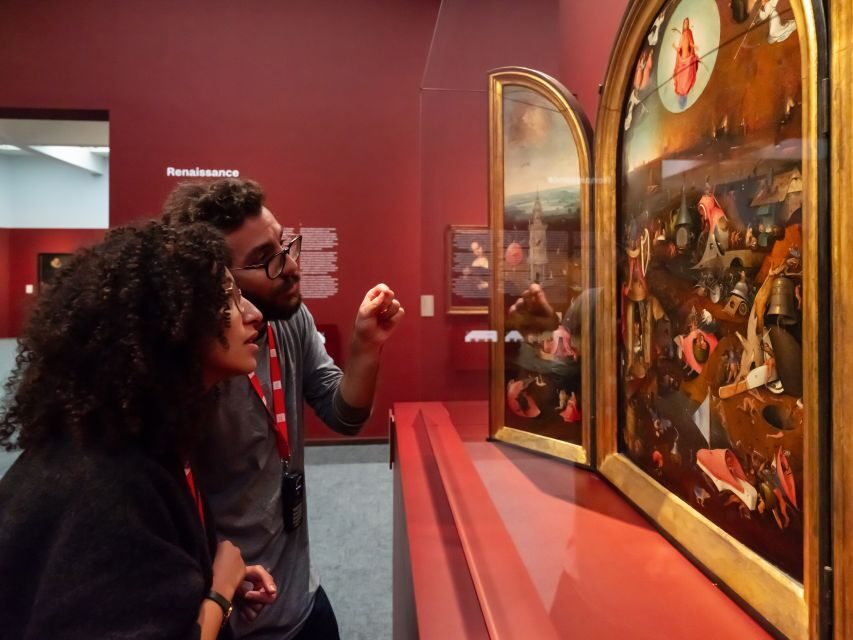
Groeninge Museum is one of the most satisfying picks on the card if you care about art history. The highlight here is Flemish primitives, and you get the feeling of being inside a real art space rather than a themed room.
This is also the museum you can use as your anchor on an art day. Spend enough time to see the big works, then let the rest of your day be flexible—another museum later, or a café break, or a longer walk outside.
Why I think this stop is a great value with the card: Groeninge is the sort of place where you can easily spend more than you planned, but you don’t want that time to be “paid for” with extra ticket buying. With the card already covering admission, you can linger without second-guessing.
If you only have a little time for art, prioritize this one. If you have more time, it pairs nicely with the Church of Our Lady Museum next.

Church of Our Lady Museum: Michelangelo’s Madonna and Child
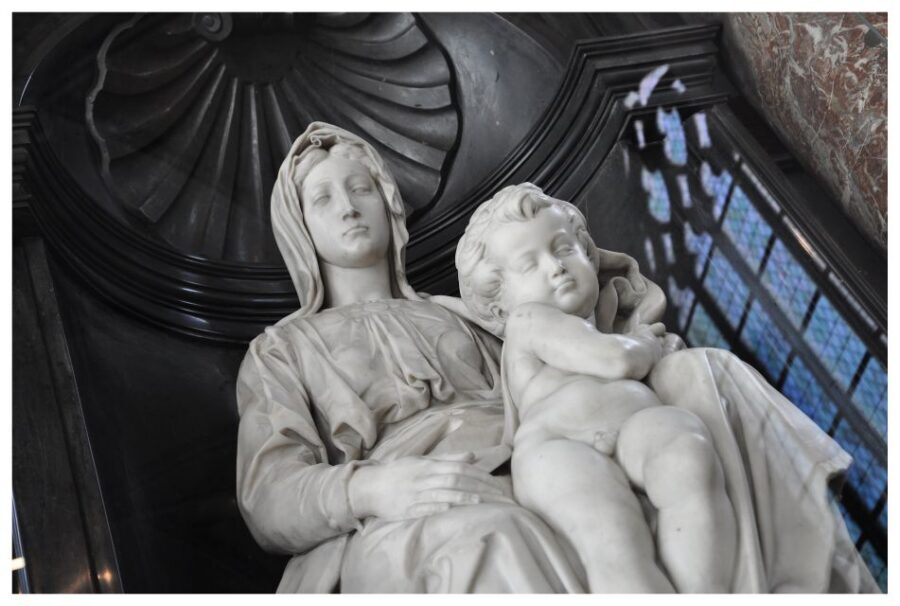
If you want one iconic “wow” moment, put the Church of Our Lady Museum high on your list. The highlight is Michelangelo’s Madonna and Child.
This is the kind of artwork that shifts your attitude in the room. Even if you’re not a deep art specialist, you’ll likely feel that you’re standing in front of something important and carefully preserved. It’s also a memorable contrast to the Gothic and medieval feel you get while walking through Bruges streets.
A practical tip: don’t try to rush through this stop and then immediately run to another major location. Give yourself a little breathing room. Art like this benefits from slower viewing, and the church setting can make you want to just sit and absorb.
This is also a key reason the pass works. Without the card, paying for separate admissions could start to feel like you’re paying extra just to enter the city’s best rooms. With the card, that barrier drops.
Stadhuis (City Hall): civic power and an audiovisual approach
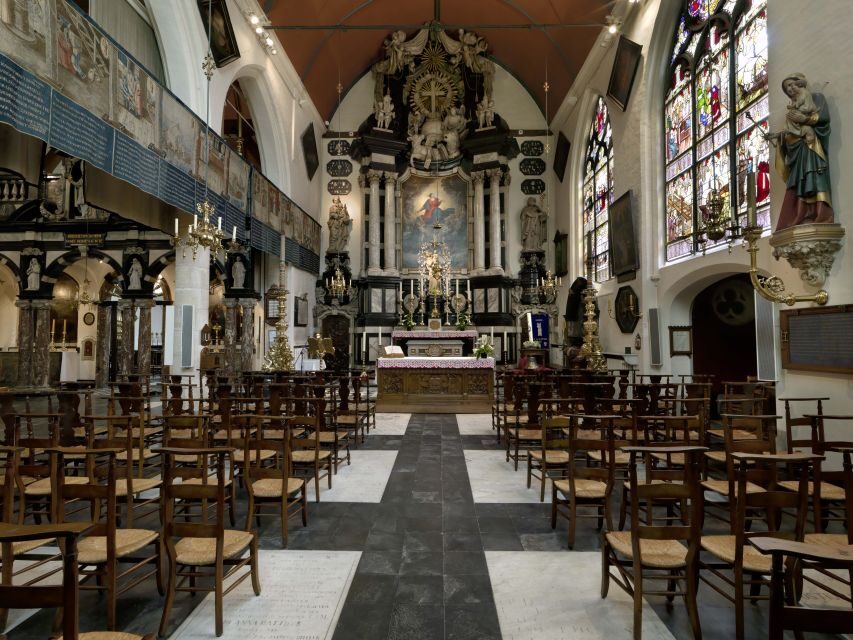
City Hall is one of those stops that surprises people because it feels like a museum but also like an institution. The pass includes Stadhuis, and it’s especially worthwhile if you enjoy how Bruges worked as a city—how authority, money, and civic identity came together.
A helpful detail: City Hall has a great audiovisual display showing the development of Bruges. That’s useful if you learn best through explanation rather than reading wall text. It also breaks the day up nicely if you’ve been doing mostly art rooms.
If you’re trying to balance your schedule, City Hall is a smart “middle stop.” You can pair it with museum time on either side, and it often feels less exhausting than a long sequence of galleries.
Brugse Vrije and Gezellehuis: Bruges beyond the postcard
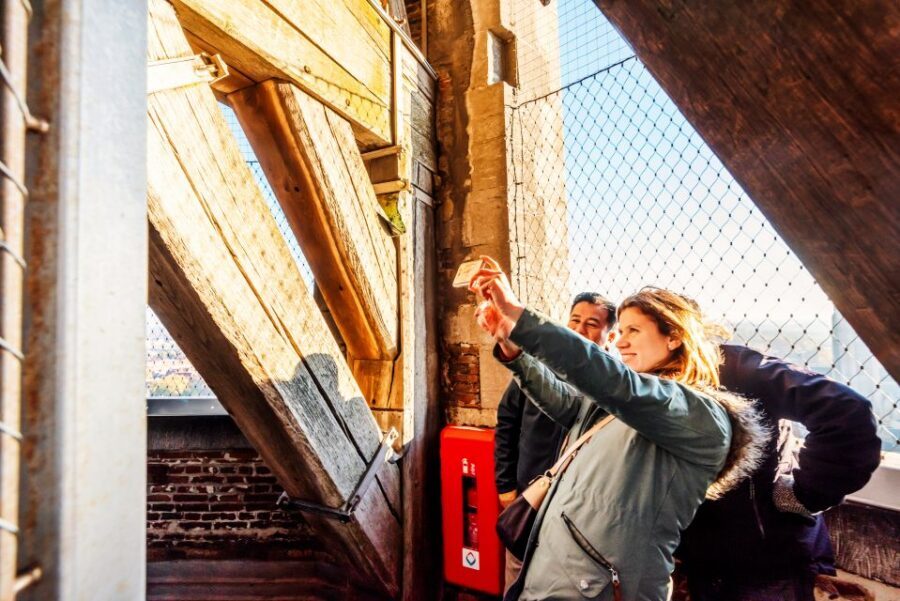
Brugse Vrije (the Liberty of Bruges) and Gezellehuis are included for a reason: they help you see Bruges as a lived city, not only as a backdrop.
- Brugse Vrije gives you the civic and cultural context of the city’s identity. It’s a chance to connect the medieval look you see outside with the structures that shaped life inside.
- Gezellehuis (House Gezelle) is a more personal cultural stop, built around the legacy of poet Guido Gezelle. If you like literature and local voices, this can be a satisfying change of pace after art-heavy rooms.
These aren’t always the first stops people book, but they’re exactly the kind of included attractions that make a museum card worthwhile. The pass nudges you into “the city’s story,” not just “the famous artwork.”
St John’s Hospital Museum: the most impressive “heritage” stop
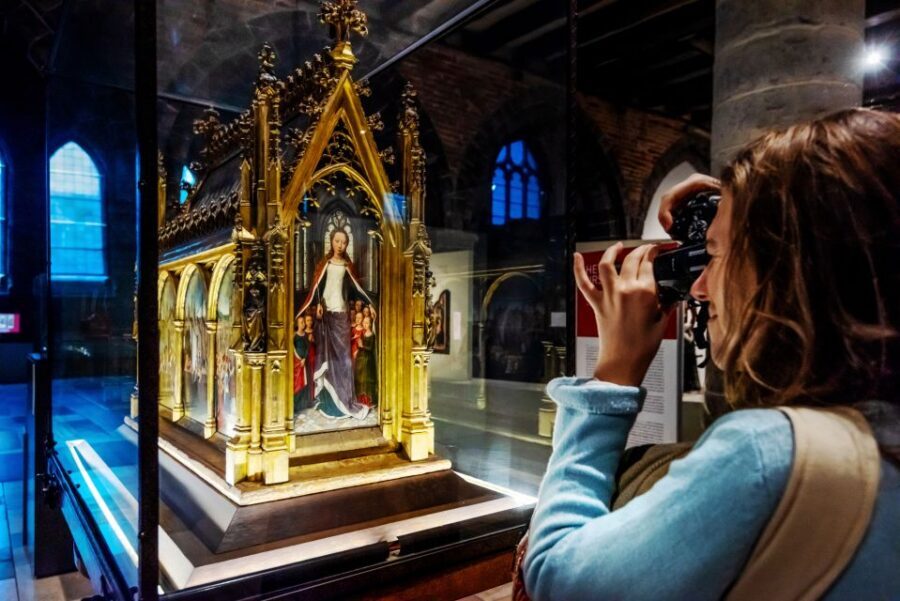
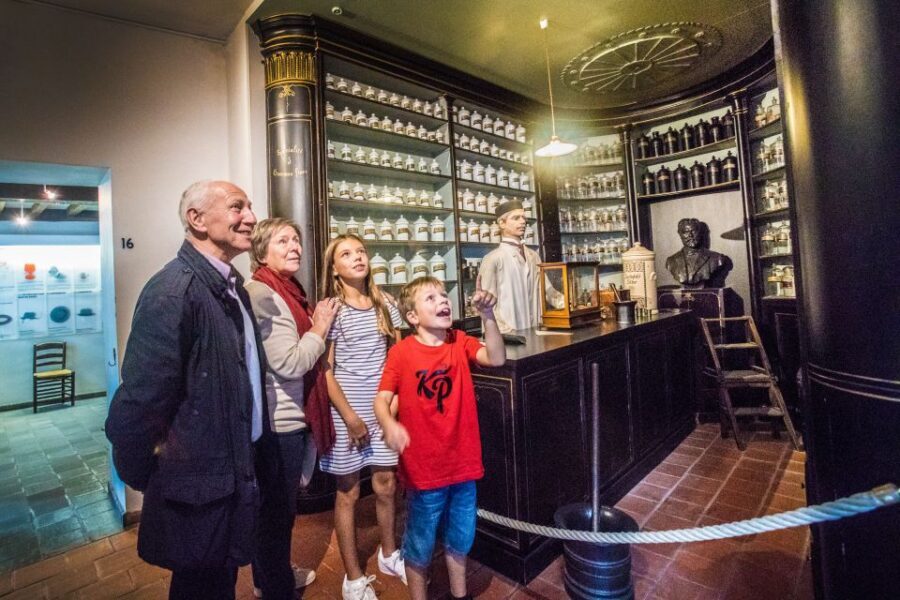
This is one of the strongest inclusions on the card, and it’s the stop I’d nudge you toward if you want something moving and different. The Museum Sint-Janshospitaal is consistently described as incredible.
Why it lands: it’s not only a building. It’s a window into social history—care, charity, and the human side of medieval life. If you’ve been feeling a bit “art gallery tired,” this museum gives you a different kind of understanding.
It’s also an example of where the card shines. You might never pick up a ticket for this on a tight budget, but the pass makes it easy to step in and decide for yourself. When it clicks, it makes the entire card feel like a smart investment rather than a generic discount.
Sint-Janshuis Mill: worth it, but plan around seasonal closure
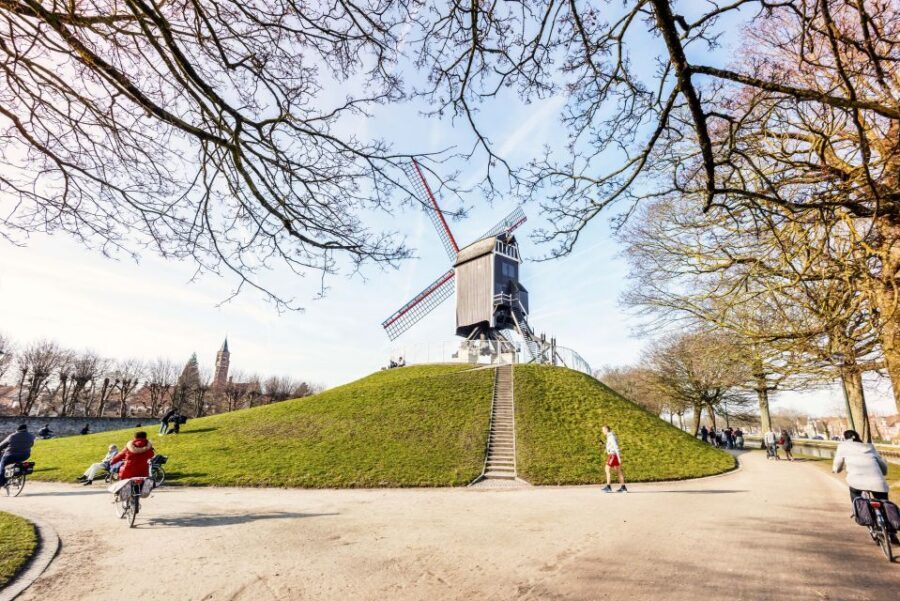
The Sint-Janshuismolen is famous for its steps, and it’s one of those places where you’ll feel the effort quickly once you’re inside or climbing toward it. The mill is included on the card, but here’s the key planning detail: it is closed during winter and opens April 1.
So if your trip is outside spring-summer, you need an alternative slot on your days. Don’t assume you’ll be able to switch plans on the spot unless you’ve already left flexibility.
If you are visiting when it’s open, the mill can be a great contrast to indoor museums. It gives you a different view of Bruges as a working, built environment—especially helpful if you want more than paintings and church interiors.
Our Lady of the Pottery: a quieter included church site
The Church of Our Lady of the Pottery (O.L.V.-ter-Potterie) is on the card too. It’s likely a quieter stop compared with the big art museums, and that’s often a good thing.
Use this as a “calm reset.” If you’ve done the Belfort and a museum already, this church can bring the volume down while still keeping you in included sites.
This is also a useful stop if you want a break from artwork and want to focus more on place and atmosphere.
Gruuthusemuseum and Volkskundemuseum: two very different ways to learn Bruges
The card includes both Gruuthusemuseum and Volkskundemuseum, and that combo is clever because it covers different types of curiosity.
- Gruuthusemuseum is part of the deal even though it isn’t wheelchair accessible. If you can access it, it’s a strong pick for cultural heritage and collections in a historic setting.
- Volkskundemuseum (Museum of Folk Life) helps you see everyday traditions and how people lived. One useful strategy: if you’re already in the area from another included stop, use this to add context to what you’re seeing outside on the streets.
If you want a day that feels “Bruges from the inside,” these two can do that—one more themed around heritage collections, the other focused on folk life and traditions.
How to pace 3 days: a simple, practical flow
Because the card covers 11 museums/monuments, you’ll be tempted to pack your days tightly. You can, and the locations are within a short walking area, which is exactly why the pass works.
Here’s the pacing I suggest for most visitors:
- Day 1: pick your big anchor—usually Belfort—then add one high-impact museum like Groeninge or the Church of Our Lady Museum.
- Day 2: focus on civic and social history with Stadhuis, Brugse Vrije, and the St John’s Hospital museum.
- Day 3: fill in with whichever smaller heritage stops match your interests—like Gezellehuis, Volkskundemuseum, Gruuthusemuseum, and (if open) the Sint-Janshuis Mill.
This approach prevents the “every door is a sprint” feeling. You’ll still see plenty, but you’ll also build in breathing space for walks, photos, and just watching the city move.
Also keep an eye on closures. Some museums may close at the same time, and your best plan is to cluster big-ticket stops earlier in the day so you don’t hit a wall when late afternoon arrives.
Ticket-line savings and the QR-code reality check
One of the most appreciated aspects is the convenience: scan a QR code at the entrance and move in. No physical pass required at each stop. That speed is a real benefit in Bruges because time spent in lines is time you’re not walking the canals.
The card also makes it easier to change plans mid-day. If you walk past a place you weren’t sure about, you can decide there and then, scan in, and go.
One more small practical note from experience: if you use your phone wallet, it’s convenient, but make sure you’re able to access the correct card in your app setup. The digital nature is great until it’s not—so double-check before you start your first entry.
Value check: is $38 worth it for your trip style?
Think of the Musea Brugge Card as a bet on motion. If your trip includes only a couple museums, you might feel like you overpaid. If you plan to see at least a few included sites, the value jumps.
Here’s an easy way to decide:
- If you can commit to 3+ admissions spread across the card, you’ll likely feel like you got your money’s worth.
- If you want to spend time on art and church museums plus one or two heritage stops, the card fits you well.
- If you prefer mostly outdoor Bruges walking with only one indoor museum, you may be better off buying single tickets instead.
The pass is also excellent for people who like structure without a tour guide. You pick your stops, you scan in, you build your own mini-route based on what you feel like that day.
Who should book this card
You’ll be happiest with this card if:
- you want to see multiple museums in a short stay
- you like a mix of fine art and social history
- you want convenience and skip-the-line entry
- you’re visiting in a season when the mill is open, or you’re okay replacing it with another site
It’s less ideal if:
- your schedule is very light (one museum max)
- your trip timing lands you mostly in winter and you really want the mill
- you need wheelchair-accessible options for Gruuthusemuseum and you can’t swap that stop
Should you book? My straightforward recommendation
If you’re doing a first or second trip to Bruges and you want the city’s top cultural sites without micromanaging ticket purchases, I’d book the Musea Brugge Card. The best part is that it doesn’t force one style of sightseeing. You can go big on Belfort and art, then balance out with hospital and folk-life museums.
Just be honest about your pace. This card rewards visitors who will actually use it. If you think you’ll only enter one or two stops, you might feel less happy about the cost.
If you do plan to use it, reserve your Belfort timeslot when you can, scan your voucher smoothly at the entrances, and build your days around the included highlights like Groeninge and the Church of Our Lady. That’s the sweet spot where the card stops being a “deal” and starts feeling like a smart way to experience Bruges.
FAQ
Can I start at any museum with the Musea Brugge Card?
Yes. You can go to the Museum Pavilion (the main ticketing center) or start at any museum or attraction of your choice. When you arrive, scan your voucher at the entrance.
Do I need to reserve for the Belfort?
A free time slot reservation for the Belfort is recommended and can be booked online at www.museabrugge.be/museabruggecard. This helps you plan your climb.
What’s included in the card?
The card includes one-time entry to 11 Bruges attractions: Belfort, Brugse Vrije, Gezellehuis, Groeninge Museum, Gruuthusemuseum, the Church of Our Lady Museum, the Church of Our Lady of the Pottery, St John’s Hospital, Sint-Janshuismolen (seasonal), City Hall, and the Museum of Folk Life.
How does entry work with the card?
You activate/use the card by scanning your voucher at each participating entrance. A QR-code style scan is used at the sites.
Is the Sint-Janshuis Mill open year-round?
No. The mill is closed during winter and opens on April 1.
What should I know about luggage and pets?
Luggage or large bags are not allowed, and pets are not allowed (assistance dogs are allowed). Flash photography is also not allowed.
Is the Gruuthusemuseum wheelchair accessible?
No. The provided information notes that Gruuthusemuseum is not wheelchair accessible.