REVIEW · BRUGES
Choco-Story: The Chocolate Museum in Bruges
Book on Viator →Operated by Panelite NV · Bookable on Viator
Chocolate history meets plenty of sweet payoff.
Choco-Story is a 15th-century museum in Bruges that walks you from early cocoa use to modern Belgian chocolatier craft, and I love the self-paced audio style and the sheer amount of stuff on display (over 1,000 historic objects). The chocolate is not just show-you; there’s a tasting and a live praline demonstration at the end. One thing to consider: it’s not a classic guided tour with a person leading you room-to-room, so if you want lots of human interaction, you might find the format a bit flat.
For about 1 hour 30 minutes, you move through the story across four floors, listening to a device as you go and pausing at numbered stations. The museum also builds in a kid approach (lower info boards and more kid-friendly show-cases), which helps make it work for mixed-age families. The big practical advantage is that you can pace it to your group—slow for chocolate nerd time, faster if you’re just here to snack and learn.
In This Review
- Choco-Story Bruges: a 15th-century building with a chocolate mission
- Your visit format: self-guided audio tour, not a walking guide
- Best “how to” tip for the audio experience
- What you’ll see on the four floors of chocolate history
- The Mayans to modern chocolatiers storyline
- The kid-friendly design that actually works
- The tastings and the praline demonstration: what’s really included
- Is the tasting “worth it”?
- Crowds, noise, and why timing matters in Bruges
- Price and value: what you pay for in 90 minutes
- Common complaints—and how to avoid them
- Expecting a guided tour
- Missing the praline moment
- Crowding
- Who Choco-Story is best for (and who should skip)
- Quick practical tips before you go
- Should you book Choco-Story in Bruges?
- FAQ
- How long is the Choco-Story Chocolate Museum visit?
- Is Choco-Story a guided tour with a person leading the group?
- What language is the experience offered in?
- What’s included in the ticket price?
- How much chocolate sampling can I expect?
- Does the museum have a kid-focused experience?
- Where is Choco-Story located in relation to public transport?
- What if I’m visiting during busy times?
- Can I get a full refund if I cancel?
Choco-Story Bruges: a 15th-century building with a chocolate mission
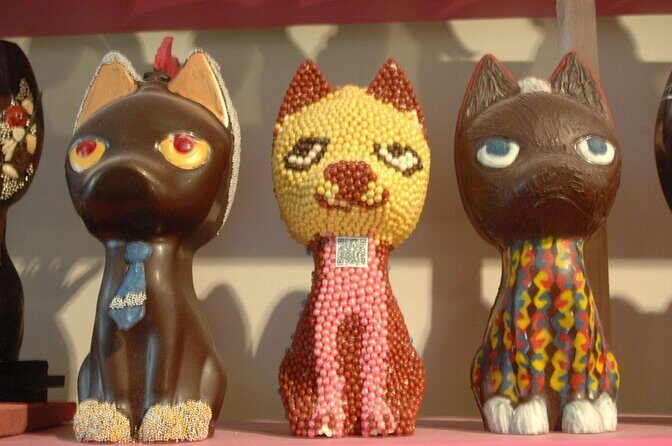
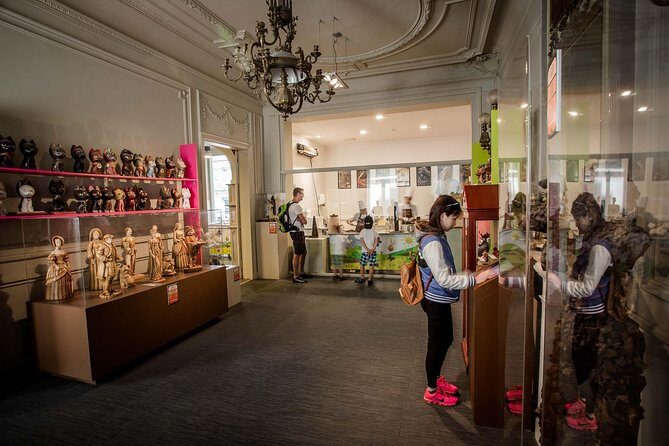
Choco-Story is housed in a charming 15th-century building in Bruges. That setting matters more than you might think. It’s not a shiny theme-park space—your visit feels like part museum, part time capsule, with the chocolate story woven into old walls and old-world design.
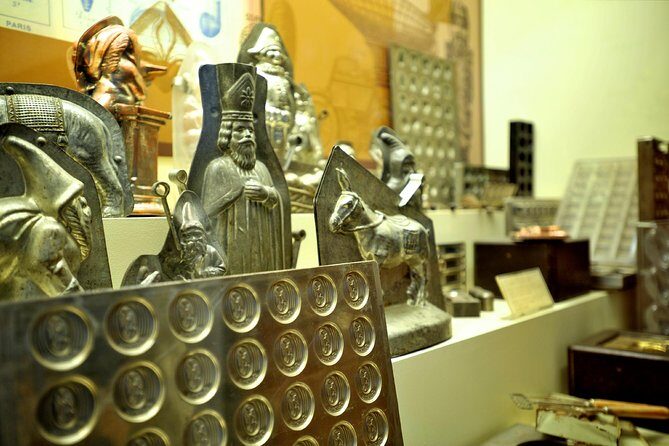
Inside, the museum covers cocoa and chocolate from very early origins through how it became the European obsession—plus a big focus on how Belgium earned its reputation as the chocolate capital of Europe. You’ll see the evolution from spicy drink roots to the modern confections people actually buy in shops.
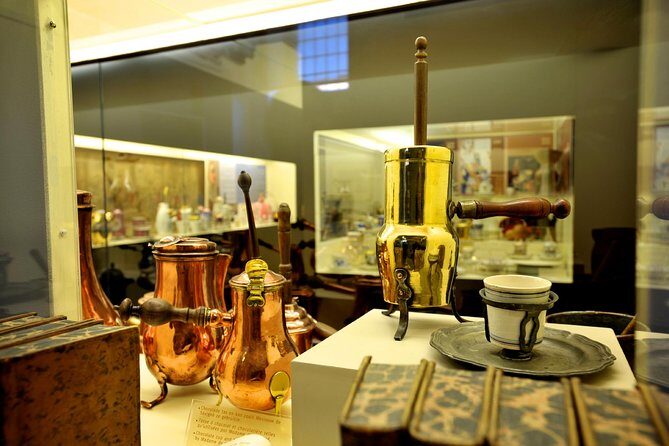
You’re also not stuck with only one angle. The displays and information boards cover process, tools, and how production changed. That helps if you’re the kind of person who wonders where the flavor actually comes from—not just why chocolate tastes good.
Your visit format: self-guided audio tour, not a walking guide
This is a self-guided experience with an English audio guide. Instead of following a human guide, you navigate at your own pace through the museum’s stations and exhibits. The audio system is built for tapping and moving station-to-station, so you’re not waiting for a group to catch up.
I like this format because it’s flexible. If you’re with kids, you can stop where their attention grabs. If you’re traveling solo, you can linger at the most interesting chocolate-making artifacts without worrying that someone will rush you onward.
The drawback is also obvious: there’s less live personality in the room. A portion of visitors feel less engaged because they’re mostly listening to audio. If you’re hoping for a chatty guide who answers questions on the fly, plan mentally for a museum built around audio + exhibits rather than conversation.
You can also read our reviews of more museum experiences in Bruges


Best “how to” tip for the audio experience
Go in with a small game plan: pick a theme you care about most (history, how chocolate is made, Belgium’s role). Then let the audio guide fill in the gaps instead of trying to catch every sentence. You’ll enjoy it more—and it’ll feel less like studying.
What you’ll see on the four floors of chocolate history
The museum spreads across four stories. The content is designed like a path: early cocoa origins, the spread and transformation of chocolate, and then the jump into modern production and gourmet techniques.
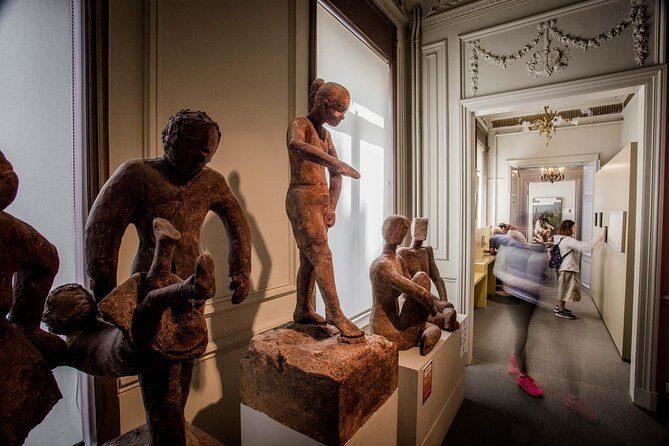
You’ll encounter 80 information boards and “more than 1,000” historic chocolate-making objects. That combination is what makes the visit feel more substantial than the typical quick snack stop. It’s not just posters and glass cases with a couple of odd tools. You get a real sense of how chocolate changed over time as production techniques evolved.
One especially useful part is that the museum doesn’t treat chocolate as magic. It frames chocolate as a product with a history—routes, people, and methods that shaped what ended up on your tongue.
The Mayans to modern chocolatiers storyline
A key highlight is following the story from the ancient Mayans (where cocoa was used as a spicy drink) to modern gourmet chocolatiers. Even if you think you already know the basics, this arc helps you understand how “chocolate” went from one cultural role to another.
You’ll also learn how chocolate moved through European contexts and why Belgium became central to the craft.
The kid-friendly design that actually works
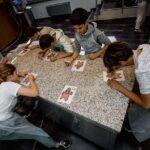
Choco-Story is built with children in mind. There’s a children’s visit designed with low information boards and kid-friendly show-cases. That’s a big deal in Bruges, because a lot of museums either ignore kids or just make them stand around while adults read every label.
If you bring younger kids, this structure helps keep them from feeling like they’re trapped in a lecture. One practical bonus: the audio approach can make it easier for children to feel involved, since they’re not only watching adults read.
Two cautions:
- Children must be accompanied by an adult.
- The experience can still feel more “listening-based” than hands-on for very young kids, so having snacks and attention breaks planned helps.
A few more Bruges tours and experiences worth a look





The tastings and the praline demonstration: what’s really included
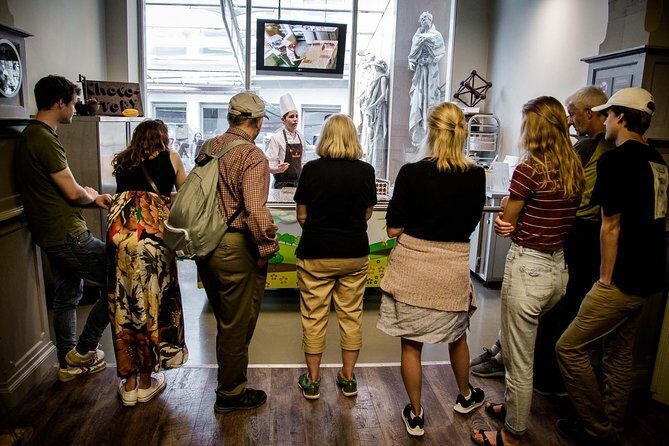
The ticket includes food tasting, and the visit ends with a live demonstration showing how Belgian chocolate sweets are made—along with sampling.
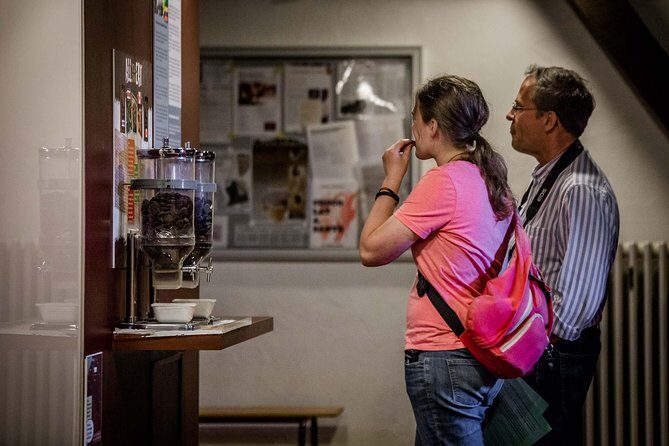
Here’s the important part: at the end of the tour, there are chocolate tasting points with four dispensers. The way it works is straightforward. You put your hand under a dispenser, turn the handle, and chocolate drops into your hand. The museum positions this as hygienic and it’s part of the “all you can eat” setup for the chocolate you sample.
You also get a freshly made praline per person at the end demonstration. One detail that can surprise people: if you miss the live session, you might not get the praline sample tied to the demonstration timing. The demonstration happens at set times during the day, with sessions every 15 minutes, and there’s a clock showing when the next one starts.
So if your group has a strict schedule, don’t speed-run the museum and then hope the demo timing magically matches. Aim to finish your tour with enough slack to catch the praline demo.
Is the tasting “worth it”?
From the strong side of feedback, yes: people come away saying the free tastings plus the live chocolate-making demo make the museum feel like more than just a history walk. From the weaker side, some visitors feel the tasting is too basic or low quality. The best way to protect your expectations is to treat the tasting as a supplement to the story and demo, not a full sit-down chocolate meal.
Also, the museum’s tasting chocolate is described as real Belgian chocolate, specifically coverture chocolate used by chocolatiers around the city to make pralines.
Crowds, noise, and why timing matters in Bruges
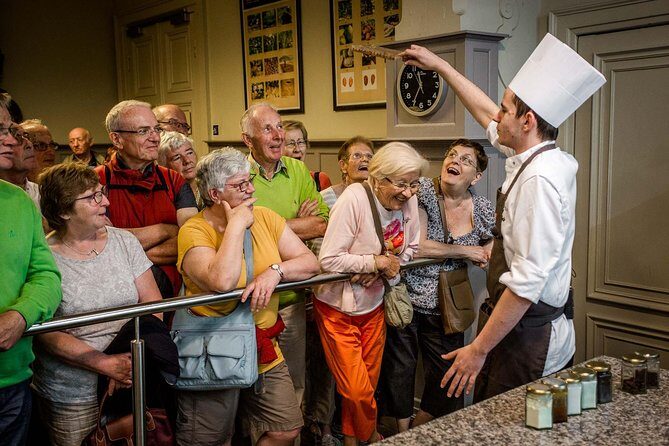
Choco-Story can get busy. That’s not a knock on the museum—it’s just Bruges in peak tourist moments. Rainy days, weekends, and school holiday periods can mean long lines, full rooms, and more difficulty seeing exhibits or the demonstration.
The best practical move: go early when you can. Starting in the morning helps you avoid the crush and keeps the experience more enjoyable. You’ll also have an easier time catching the demonstration timing without feeling rushed.
Another crowd-related detail: the museum has four floors, so when one area gets packed, you can shift your route and keep moving. That helps keep your pacing from getting totally throttled.
Price and value: what you pay for in 90 minutes
The price is $19.22 per person for about 1 hour 30 minutes. That might sound like “just another museum ticket” until you factor in what’s included:
- Entrance to Choco-Story
- Food tasting
- A live demonstration
- An audio-based experience across multiple floors with a lot of exhibits and historic objects
If you’re the type who likes museums where you actually leave with a memory (not just photos), the value tends to hold up. The included tastings and demo mean you’re not paying only for information.
If you hate self-guided audio formats, or you go in expecting a human-led tour that answers questions, your enjoyment could drop fast. This is the main reason people feel disappointed: they wanted a guided experience and got a station-based audio museum.
Common complaints—and how to avoid them
Here are the issues that pop up most, plus easy ways to reduce the odds they ruin your day.
Expecting a guided tour
Some visitors want a human guide. This museum is not set up that way. You use an audio system and explore at your own pace. If you prefer conversation and guidance, you may find it less engaging.
How to fix it: go with curiosity. Treat the audio as your tour guide, and pick one or two things you want to focus on so you stay mentally engaged.
Missing the praline moment
Because demonstrations run at set times, arriving late in the day or rushing through can mean you miss the praline sampling tied to the demonstration session.
How to fix it: finish your walk with time to spare. There’s a clock for the next session start time, and demo sessions are every 15 minutes.
Crowding
If you come during peak hours, you may not see everything comfortably, and the demo area can be hard to watch.
How to fix it: go early, and be willing to split time across floors so you’re not stuck waiting in one crowded pocket.
Who Choco-Story is best for (and who should skip)
I think Choco-Story fits best if you’re one of these:
- You like chocolate and want a museum that explains it without being overly serious
- You want an easy self-guided activity where you can control pace
- You’re visiting with kids and want a place that has kid-friendly audio and signage
- You want a predictable plan in Bruges that’s not dependent on weather or restaurant reservations
It’s less ideal if:
- You need a person-led tour with lots of interaction
- You hate audio-based museum time
- You’re only interested in chocolate tasting and want more than small samples and a demo
If you’re on the fence, ask yourself: do you enjoy museums where you wander, listen, and make your own path? If yes, you’ll likely get your money’s worth.
Quick practical tips before you go
A few small choices can make this experience smoother.
- Plan your demo timing. Since sessions run every 15 minutes and the praline is tied to the demo, don’t start your last floor sprint too late.
- Build buffer time. If the museum is busy, you’ll move slower. Give yourself breathing room to reach the demonstration area.
- Treat it as 90 minutes, not a half-day. Most of the value is concentrated in the story path plus the end demo and tasting.
- Consider your group. If you’re with kids, lean into the kid-friendly audio and low-info boards instead of forcing them to “read like adults.”
Should you book Choco-Story in Bruges?
Book Choco-Story if you want a fun, structured way to understand chocolate—from its origins to Belgium’s rise—plus included tastings and a live praline-making demonstration. The combination of four floors, lots of historic objects, and end-of-visit samples makes it a solid bet for most chocolate lovers.
Skip it (or at least lower expectations) if you’re looking for a true guided tour with a lot of human interaction. This is a museum built around audio + exhibits, and that format is the key to enjoying it.
If you’re traveling in Bruges during busy times, go early and treat the demo clock as part of your plan. Do that, and you’ll leave with both facts and chocolate in hand.
FAQ
How long is the Choco-Story Chocolate Museum visit?
The visit is about 1 hour 30 minutes (approx.).
Is Choco-Story a guided tour with a person leading the group?
No. It’s a self-guided museum experience using an audio guide system.
What language is the experience offered in?
The experience is offered in English.
What’s included in the ticket price?
Your ticket includes entrance to Choco-Story and food tasting.
How much chocolate sampling can I expect?
At the end, you’ll have tasting opportunities with chocolate dispensers, and there is also a live demonstration with a freshly made praline sample.
Does the museum have a kid-focused experience?
Yes. There’s a children’s visit designed with low information boards and show-cases, and children must be accompanied by an adult.
Where is Choco-Story located in relation to public transport?
It is near public transportation.
What if I’m visiting during busy times?
The museum can get crowded, especially on weekends and rainy days, so you may want to arrive earlier to see exhibits and the demonstration more comfortably.
Can I get a full refund if I cancel?
You can cancel for a full refund if you cancel up to 24 hours in advance of the experience’s start time.