REVIEW · BRUSSELS
Brussels: 2-hours “Art Nouveau” Walking Tour
Book on GetYourGuide →Operated by Cognosimo Tours · Bookable on GetYourGuide
Art Nouveau in Brussels is all about looking up. In just 2 hours, you get the movement’s origin story and then hop between major buildings—so the style stops being vague and starts making sense fast. I like how the guide ties the designs back to what was new at the time, and I especially like that you’ll see Horta-linked landmarks rather than only the famous names people mention in passing.
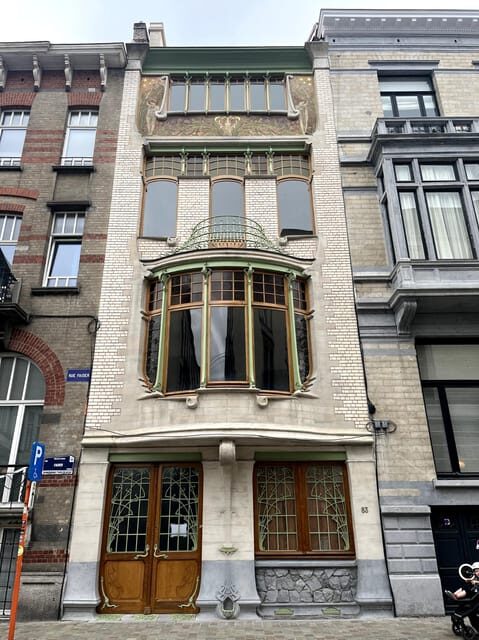
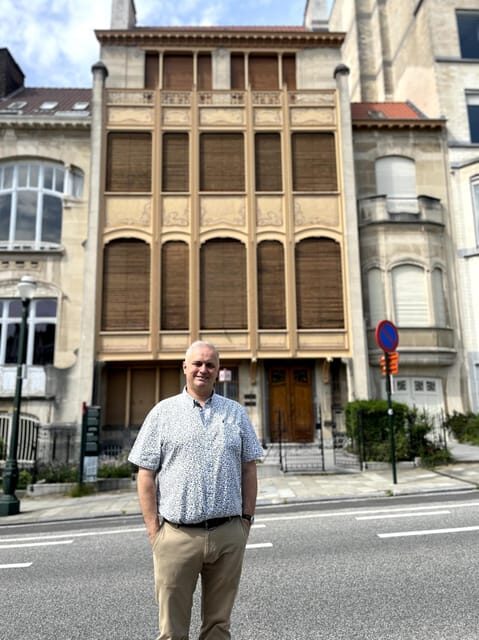
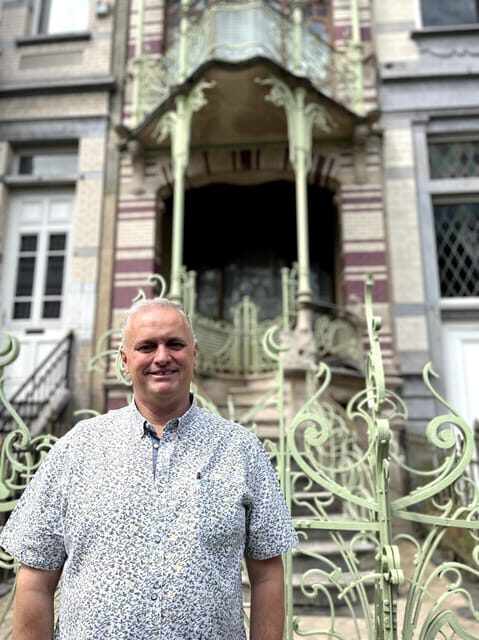
This tour also gives you a practical way to read Brussels’ facades. You’ll admire standout houses like Maison Cauchie, Palais Stoclet, and multiple Horta buildings (including Hôtel van Eetvelde and Hôtel Tassel), with explanations of the different Art Nouveau trends. One possible drawback: even though it’s marketed as a walking tour, a couple of bookings mention car time and route adjustments, so if you want strictly on-foot only, you’ll want to be flexible.
In This Review
- Quick highlights that make this tour worth it
- Brussels and Art Nouveau: why this walking tour clicks
- Meeting at Mérode: the one logistics detail that can make or break it
- Parc du Cinquantenaire: the 15-minute setup that makes the rest easier
- The long middle stretch: where the Art Nouveau houses stack up
- Maison Cauchie and Palais Stoclet: two stops you’ll remember for different reasons
- Horta’s buildings: learning to spot his signature ideas on the street
- Hôtel Ciamberlani and the Saint-Gilles finish: wrapping the tour cleanly
- Price and value: does $136 per person pencil out?
- What kind of traveler this fits best
- Small details that make it smoother on the day
- Should you book this Art Nouveau walking tour?
- FAQ
- Where does the tour start?
- How long is the Art Nouveau walking tour?
- Is there a guide and what language is it in?
- What’s included in the price?
- What buildings or stops are included?
- Is transportation included?
- Is it suitable for wheelchair users?
- Are there restrictions during the tour?
- Can the route change?
Quick highlights that make this tour worth it
- Brussels’ Art Nouveau origin context before you start pointing at buildings
- Expert-led facade spotting across well-known stops like Maison Cauchie and Palais Stoclet
- Real focus on Horta’s work, including Hôtel van Eetvelde and Hôtel Tassel
- A longer middle stretch where most of the listed houses appear
- A clear end point in Saint-Gilles, so you can keep exploring afterward
Brussels and Art Nouveau: why this walking tour clicks
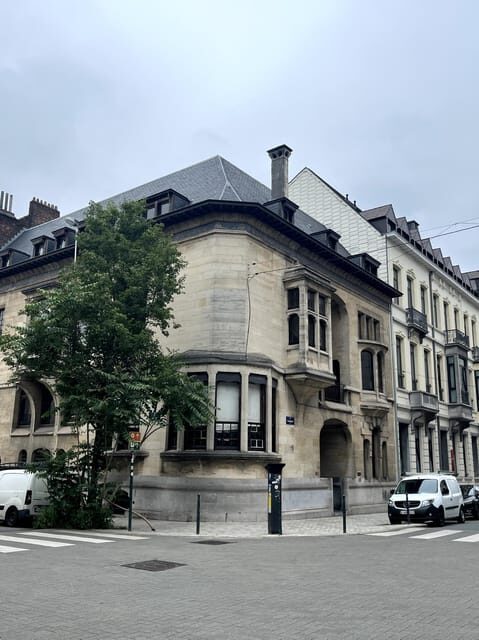
Brussels calls itself the birthplace of Art Nouveau for good reason, and this tour is built around that idea. You start with the story—how the movement emerged and why it felt modern—then you connect that background to the actual buildings on the street.
I love tours that teach you how to see. This one does that by walking you through different Art Nouveau trends and pointing out the style’s defining traits through what you’re looking at. The payoff is simple: by the time you reach the most famous facades, you’re not just admiring them, you’re understanding what makes each one distinctly Art Nouveau.
You can also read our reviews of more walking tours in Brussels

Meeting at Mérode: the one logistics detail that can make or break it
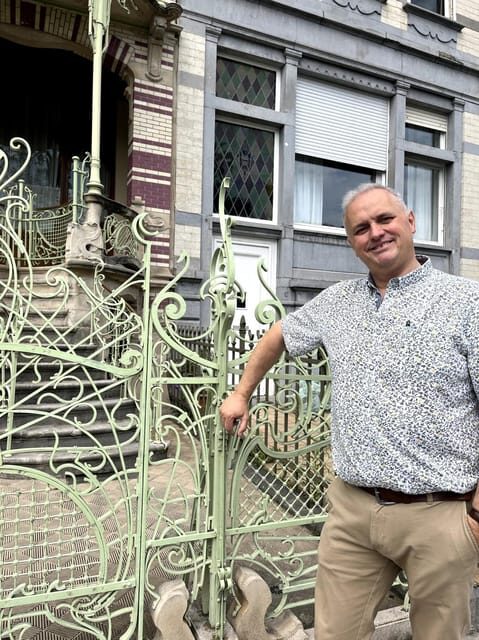
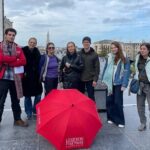
You meet near Metro station Mérode, in front of Brasserie Carpe Diem. The tricky part is that Mérode has three different exits, and the exact one matters.
My practical advice is boring but effective: arrive a few minutes early and confirm the correct exit before the start time. If you can, use the product photo as your visual checklist, because the area is busy and it’s easy to lose time trying to match the meeting spot.
Also note the tour is for a private group and runs in English with a live guide. That’s helpful if you want to ask questions as you walk, especially when you’re comparing designs across neighborhoods.
Parc du Cinquantenaire: the 15-minute setup that makes the rest easier
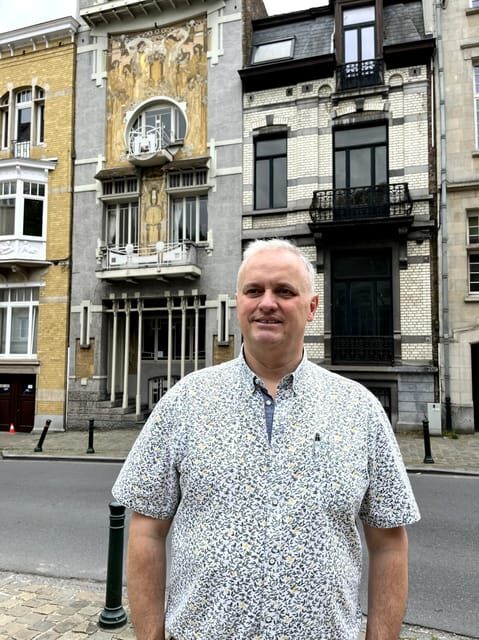
The tour begins in the Mérode area, then heads to Parc du Cinquantenaire for a guided intro lasting about 15 minutes. That early block matters more than you might think, because the guide is laying the groundwork for what you’ll see next.
You’ll get an explanation of how Art Nouveau emerged, plus a portrait of the style’s characteristics and the different trends. In plain terms: this is where you learn the “what to look for” list so the architecture stops being random decoration and becomes a readable language.
You’ll likely still want to pause and look around after that intro, because Cinquantenaire is the kind of landmark setting where your eyes adjust quickly to details.
The long middle stretch: where the Art Nouveau houses stack up
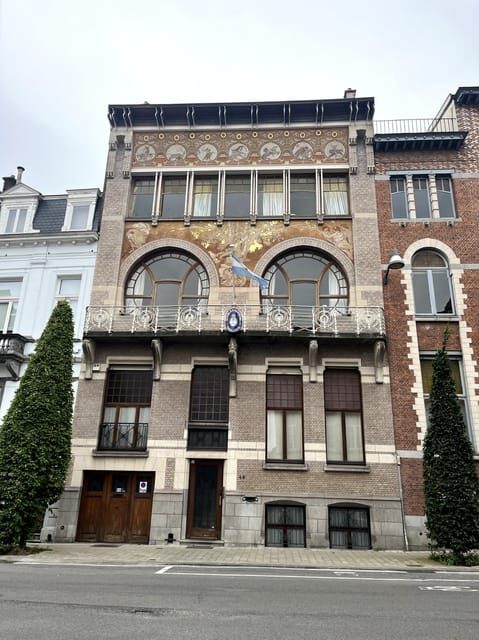
After the intro, the tour shifts into its main 1.5-hour stretch (listed as a stop around a “hidden”/quieter pocket of the route). This is where the schedule packs in a lot of the names you came for.
You’ll move across different areas to see many of the listed buildings, including:
- Maison Cauchie
- Palais Stoclet
- Maison Saint Cyr
- Maison Van Dyck
- Hôtel van Eetvelde (Horta)
- Hôtel Tassel (Horta)
- Maison Roosenboom
- Hôtel Ciamberlani
- Maison de son frère
- Maison Hankar
- Maison et Atelier Horta
- Maison Hannon
- plus additional Horta-related stops noted on the route
Here’s what makes this portion valuable: you’re learning Art Nouveau as a street-by-street idea. Instead of seeing one building in isolation, you see patterns and contrasts—how different creators and variations show up through facades and overall design choices.
One more practical note: the program says the route can change based on availability. That means the names you expect are still central, but the exact timing and sequence can shift. The good news is the tour is structured around the movement, not just a fixed slideshow.
Maison Cauchie and Palais Stoclet: two stops you’ll remember for different reasons
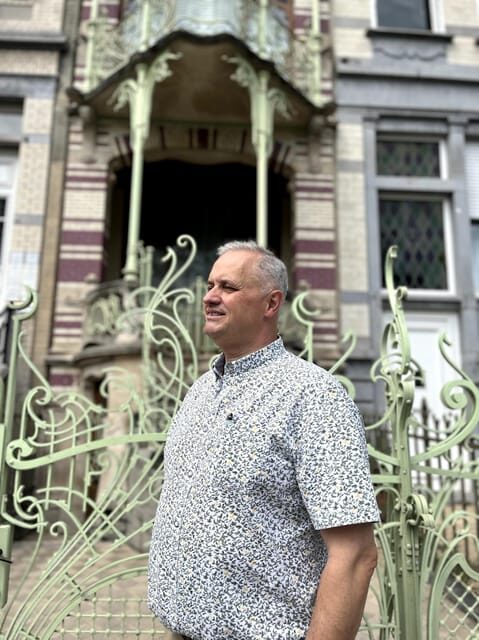
Among the major highlights, Maison Cauchie and Palais Stoclet are often the kind of names that make people curious before they even arrive. This tour turns that curiosity into clarity.
For Maison Cauchie, the guide’s job is to show you what makes the design Art Nouveau rather than simply ornate. You’ll be looking at the “modern at the time” qualities the guide describes, then comparing them with what you’ve learned about the movement’s trends.
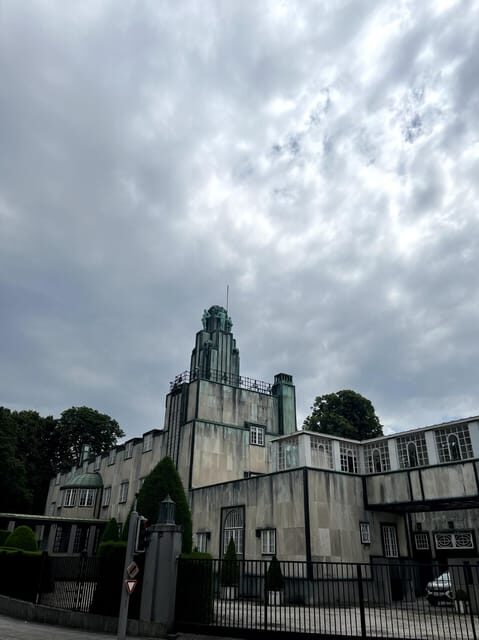
Then Palais Stoclet gives you a different kind of architectural lesson. Even if you’re not an architecture nerd, it’s the type of landmark that rewards paying attention to the details the guide points out. The tour helps you slow down just enough so you notice what separates it from other styles you may have seen around Europe.





Horta’s buildings: learning to spot his signature ideas on the street
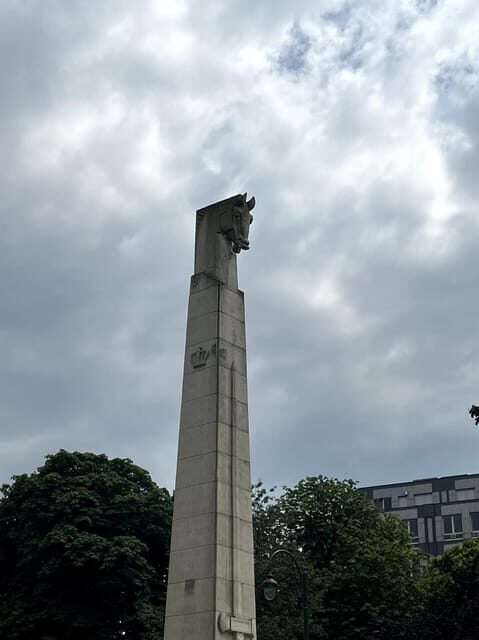
If you come for Art Nouveau in Brussels, you probably come for Victor Horta. This tour doesn’t treat Horta like a footnote—it puts his work directly in your path.
You’ll see Hôtel van Eetvelde (Horta) and Hôtel Tassel (Horta) as part of the route. The value isn’t only the wow factor. It’s that the guide is specifically helping you understand what makes those buildings meaningful inside the Art Nouveau conversation—how they represent the movement and how the style shows up through design choices.
This is also where one of the clearest benefits from the experience notes shows up: after learning on this tour, a visit to the Horta Museum can feel much more connected, because you already know what to look for in terms of style and design logic.
Hôtel Ciamberlani and the Saint-Gilles finish: wrapping the tour cleanly
The final named stop in the timed schedule is Hôtel Ciamberlani asbl, with about 15 minutes of guided time. This is a good ending shape: you reach another key building, then you’re out before the walk turns into a long slog.
The tour finishes at Av. de la Jonction, Saint-Gilles. I like end points like this because they’re easier to build an afternoon around—you can keep exploring without having to backtrack to the original neighborhood.
Even if you’re planning a second stop later (like a museum), ending near Saint-Gilles helps you avoid that tired feeling of being stuck far from anywhere useful.
Price and value: does $136 per person pencil out?
At $136 per person for 2 hours, the price sits in the mid-to-upper range for walking tours. The question is whether you’re paying for a guide who truly changes how you see the city.
From what this experience delivers, the value comes from three places:
- Structured learning: you’re not just walking from one facade to the next; you’re getting an origin story and a framework for understanding trends.
- Major-name coverage: the route includes multiple headline buildings—Maison Cauchie, Palais Stoclet, and Horta-linked stops—so you get a concentrated burst of highlights.
- A guide who can make it click: multiple guide names were highlighted in the experience notes, including Yves, Davit, David, and Eric, described as passionate and articulate. That kind of delivery matters because Art Nouveau is about relationships between details.
Balance point: one booking noted a mismatch with expectations because the meeting spot was incorrect and the tour approach wasn’t purely walking. That’s not something you can predict every time, but it’s a reminder to double-check the meeting location and be ready for route adjustments.
What kind of traveler this fits best
This tour is ideal if:
- You want Art Nouveau in Brussels without doing a scavenger hunt alone.
- You enjoy guided explanations that help you compare multiple buildings in one outing.
- You’re planning to connect this experience with other Horta-focused activities, since the tour helps you read the style.
It may be less ideal if:
- You need fully wheelchair-accessible routes. The activity specifically notes it isn’t suitable for wheelchair users.
- You want zero flexibility in the route sequence. The schedule can change with availability.
Small details that make it smoother on the day
A couple of practical points can save you time:
- Find the right Mérode exit. The meeting point is in front of Brasserie Carpe Diem and the metro station has three exits, so confirm before the clock runs out.
- Bring your curiosity. Art Nouveau is detail-heavy, and the guide’s explanations are what turn that into a satisfying experience instead of a blur of pretty buildings.
- Expect a serious guide voice. The experience notes repeatedly stress that guides were articulate and passionate—this is a tour where questions and comparisons are part of the fun.
Should you book this Art Nouveau walking tour?
I’d book it if you want a tight, guided introduction to Brussels Art Nouveau that includes the big buildings and actually teaches you what you’re looking at. At 2 hours, it’s a strong way to get oriented fast—especially if your schedule is limited.
I would only hesitate if you’re very strict about walking-only time. Since there have been mentions of car time and even a meeting-spot mix-up in at least one instance, your best bet is to double-check the meeting location details and show up early.
If you’re here for Horta and the core Art Nouveau highlights, this tour is a solid use of your afternoon.
FAQ
Where does the tour start?
The meeting point is in front of Brasserie Carpe Diem, which is in front of Metro Station Mérode Exit. The metro station has three different exits, so you’ll want to match the correct one shown on the product photo.
How long is the Art Nouveau walking tour?
It lasts about 2 hours.
Is there a guide and what language is it in?
Yes. It’s a live guided tour in English with a professional guide.
What’s included in the price?
The price includes the professional guide and the walking tour of Art Nouveau buildings.
What buildings or stops are included?
Stops include major Art Nouveau buildings such as Maison Cauchie, Palais Stoclet, Maison Saint Cyr, Maison Van Dyck, Hôtel van Eetvelde, Hôtel Tassel, Maison Roosenboom, Hôtel Ciamberlani, and several additional Horta-related houses and ateliers (such as Maison et Atelier Horta and other listed Horta houses).
Is transportation included?
No. Transport tickets are not included if you need to take them.
Is it suitable for wheelchair users?
No, it is not suitable for wheelchair users.
Are there restrictions during the tour?
Smoking is not allowed.
Can the route change?
Yes. The program is subject to availabilities and can be changed at any moment.