REVIEW · BRUSSELS
Historical Walking Tour: The Story of Brussels – by Legends
Book on Viator →Operated by Legends of Bruges Free & Private Tours · Bookable on Viator
Brussels has a story in every corner. This walking tour strings the city’s biggest sights together with the kind of local details that help you get Brussels fast, from the UNESCO drama of Grand Place to the legends and quirky stops that make the center feel alive. I like that it feels light on your feet but still gives you a clear sense of where everything sits.
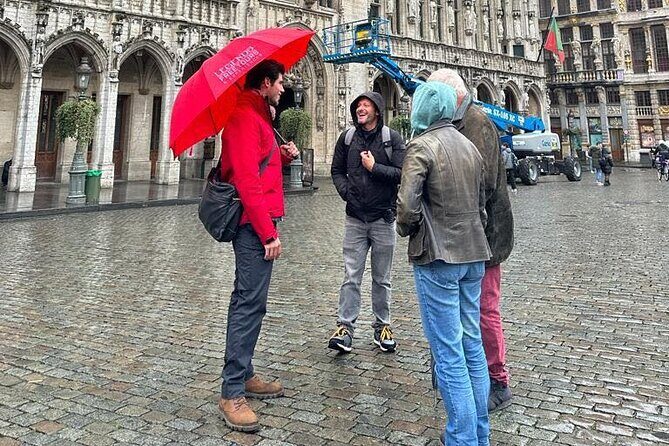
Two things I really enjoyed: first, the meet-up is easy and solid (your guide is waiting with a red umbrella right in front of the Town Hall at Grand Place), so you start confident instead of hunting. Second, the route mixes major landmarks with pop-culture Brussels, like the comic art stop, plus icons like Manneken Pis and St. Michael and St. Gudula Cathedral. One drawback to consider: it’s a walking tour with short stops, so if you want long time inside buildings, you’ll likely need to plan follow-up visits on your own.
In This Review
- Key highlights I’d plan around
- Grand Place and comics: the best way to get your bearings
- Manneken Pis and St. Nicolas: legend with an edge
- La Monnaie and Saint-Hubert: culture meets architecture you can shop in
- Saint-Géry Island and St. Michael and St. Gudula: two very different Brussels moods
- Parc de Bruxelles and Royal Square: the calm center between power buildings
- Mont des Arts: the easiest win for a final view
- Price and value: why this feels like a steal
- What the guide actually adds (and why it shows up)
- Practical tips so your day runs smoothly
- Should you book Historical Walking Tour: The Story of Brussels by Legends?
- FAQ
- How long is the Historical Walking Tour in Brussels?
- Where does the tour start and where does it end?
- Is the tour offered in English?
- Does the tour include admission or tickets to the sights?
- How much does the tour cost and what group size is it for?
- What about weather during the tour?
Key highlights I’d plan around
- Red umbrella meet-up at Grand Place in front of the City Hall, so you don’t waste time figuring it out
- Comic Art Museum stop that connects Brussels streets to its famous comic heritage
- Manneken Pis + St. Nicolas Church for a fun contrast of playful legend and old-power church symbolism
- La Monnaie and Galeries Royales Saint-Hubert mixing high culture with one of Europe’s oldest shopping arcades
- Saint-Géry Island and Royal-area parks to balance nightlife energy with calm green space and viewpoints
- Finish at Mont des Arts near the main center, with a strong final view over Brussels
Grand Place and comics: the best way to get your bearings
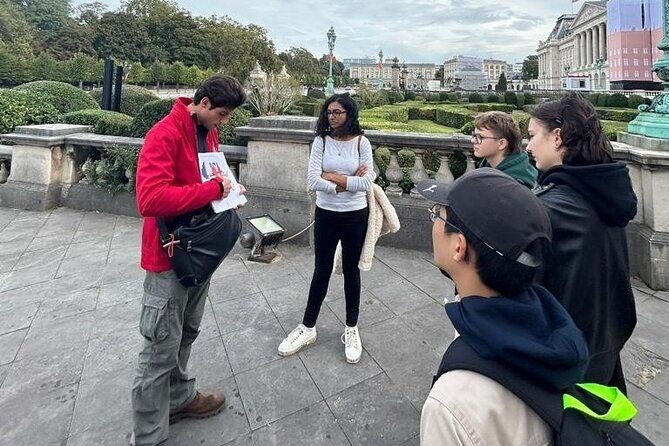
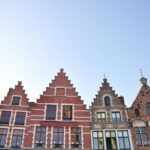
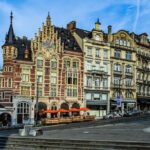
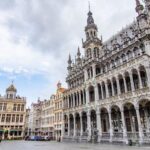
You start at Grand Place, the beating heart of Brussels and a UNESCO World Heritage site. Expect opulent guildhalls and the Town Hall, where Gothic bones and Baroque styling show up side by side. This opening matters because it sets the tone: Brussels isn’t just pretty stone. It’s a city that once used architecture like a power tool.
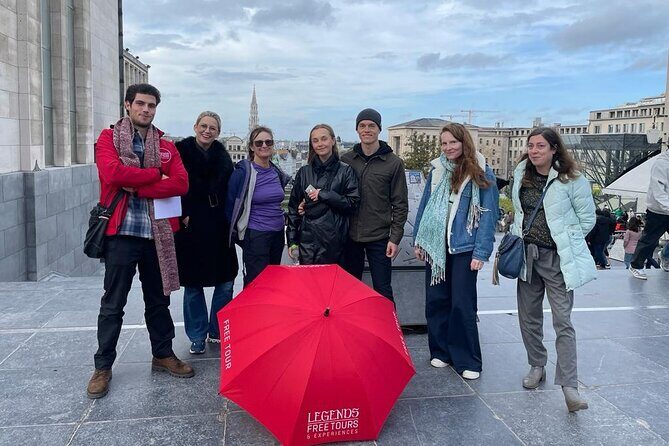
Your guide waits for you with a red umbrella directly in front of the city hall area. That small detail is worth something. When you have a clear meeting point, you stop stressing and start noticing. In the first stretch, you’ll also get orientation for how the city’s center is laid out, which helps later when you’re wandering on your own.
Then you pivot to a very Brussels kind of cultural move: comic strip art. You’ll see how murals and characters celebrate the city’s comic book heritage, turning street corners into storytelling walls. The stop is short, but the value is bigger than the few minutes you spend there. It helps you read Brussels as a place where art isn’t only in museums—it’s also on facades and in the everyday visual rhythm of the streets.
You can also read our reviews of more walking tours in Brussels

Manneken Pis and St. Nicolas: legend with an edge
Next comes Manneken Pis, the little bronze boy doing what he does, and one of Brussels’ most recognizable oddball icons. The key is not just the photo. Your guide will connect it to the history that goes back to the 17th century, and that’s where the stop stops being silly and starts being meaningful. It’s a reminder that Brussels has always had room for humor, even in a city that also talks a lot about power.
A few blocks later you shift to the Church of St Nicolas. This is one of the oldest churches in Brussels, with foundations going back to the 12th century. Here, your guide focuses on the symbolism behind the church’s past, including the fact that it used to carry what was described as the one and only belltower in Brussels—an old-fashioned way to show wealth and independence. It’s a great contrast: Manneken Pis is playful legend; St. Nicolas is early civic messaging.
Drawback on this part of the walk: both of these stops are quick. If you want to soak in details slowly or read everything carefully, plan to return later. For the tour’s goal—getting the story across in a couple of hours—these tight timing windows work well.
La Monnaie and Saint-Hubert: culture meets architecture you can shop in
La Monnaie de Munt (Théâtre Royal de la Monnaie) is next, and it’s a smart inclusion if you want Brussels to feel like a living cultural capital, not only a medieval postcard. You’ll stop at the opera house area, where the guide points out its reputation and architectural grandeur. Even if you never buy an opera ticket, it helps you understand why this city takes performance seriously.
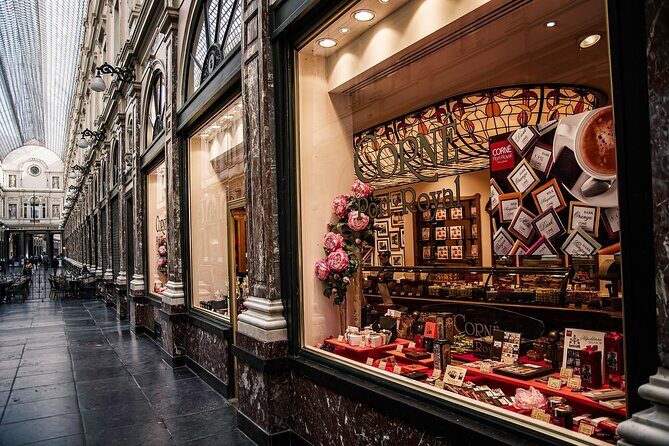
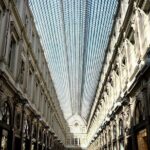
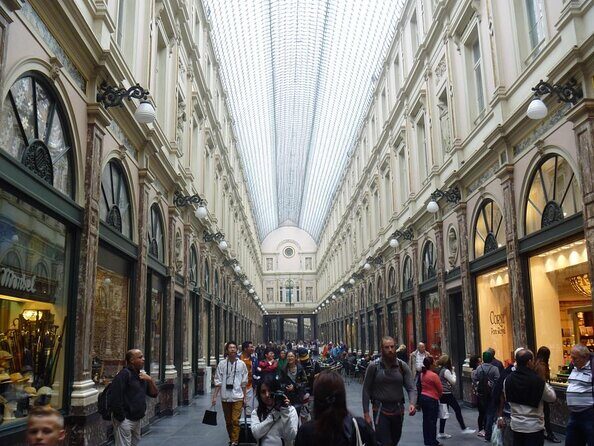
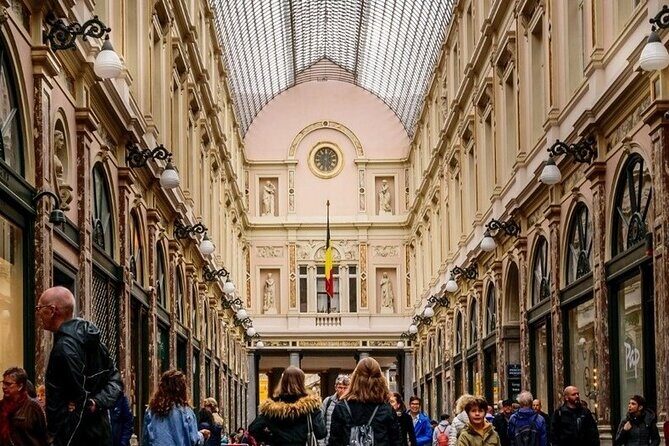
Then you head into Les Galeries Royales Saint-Hubert, one of the world’s oldest shopping galleries. This stop is fun because it’s not just about luxury boutiques. It’s about the glass-and-iron arcade feeling you get when a street becomes an indoor promenade. You can also mix things here: grab a coffee, browse, or just use the gallery as a sheltered break if the weather turns.
Practical tip: this is a good place to pause and reset your energy. The gallery is relatively compact, so you can see a lot quickly without committing yourself to a long detour.
Saint-Géry Island and St. Michael and St. Gudula: two very different Brussels moods
Saint-Géry Island adds a different flavor. You’ll step into a trendy part of the city with nightlife and dining energy, built in a former market area. This is where the tour starts feeling less like monuments-on-demand and more like a real slice of current Brussels life. It’s also a useful checkpoint: you’ll learn what part of the center feels like it’s more about evenings and social energy.
After that, the walk moves toward St. Michael and St. Gudula Cathedral, where the style shifts dramatically. You’ll stop at a magnificent Brabant Gothic cathedral whose roots are in the 13th century. Cathedral architecture can feel overwhelming on your own, especially when you’re trying to mentally translate styles. With a guide, you get the quick version of the story: what makes it Gothic, what to look for, and how the place fits into Brussels’ longer narrative.
One consideration: this is the kind of stop where you might want extra time if you enjoy churches, stained glass, or carved stone details. The tour keeps it brief, so treat it as the “see it now, go back later if you want” moment.
Parc de Bruxelles and Royal Square: the calm center between power buildings
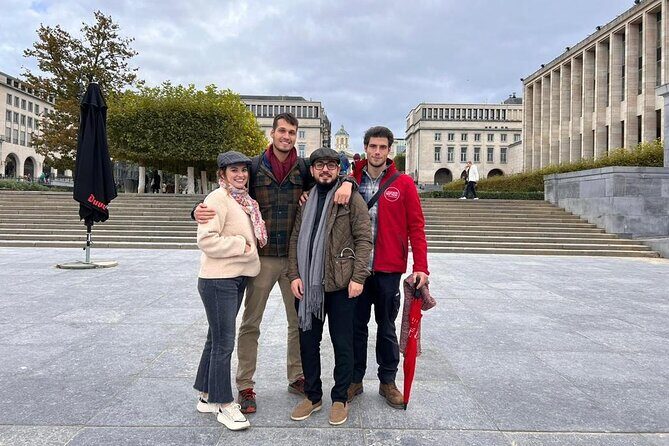
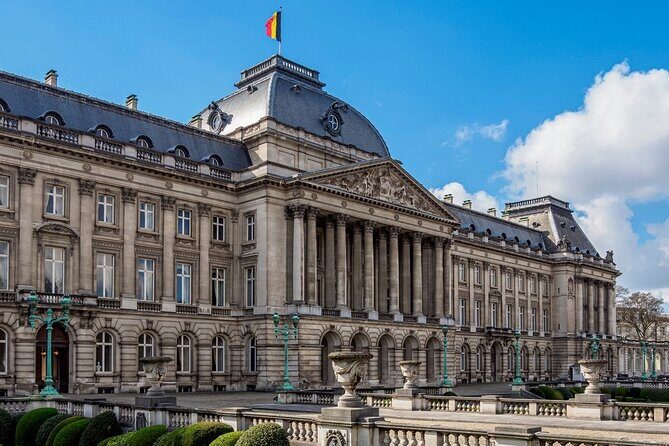
Then you get a palate cleanser: Parc de Bruxelles. It’s a green space close to major government buildings, with the Royal Palace and Belgian Parliament nearby. The tour’s timing makes sense here. After dense historic stops, the park offers a breather where you can literally catch your breath and look around at how Brussels transitions from architecture to open air.
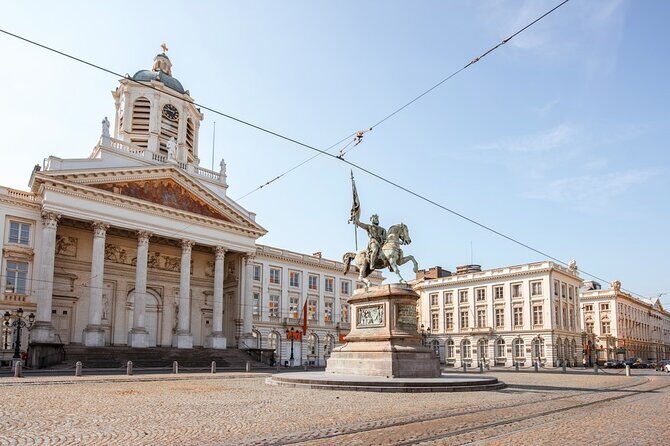
From the park you head toward Royal Square, dominated by the statue of King Albert I. This stop is valuable because it ties the tourist center to modern Belgium. You’ll also see how the Royal Palace and the Belgian Parliament create a sense of civic space—more than just buildings, they feel like institutions with a layout designed for public presence.
If you like photos, this is a good stretch for them. You get views that aren’t only street-level. You can frame buildings with the park as context, which makes your photos look more like you understand the city than like you only took pictures.
You can also read our reviews of more historical tours in Brussels



Mont des Arts: the easiest win for a final view
The tour ends at Mont des Arts, a place you can think of as Brussels’ natural viewpoint hub. The stop is close to the main square, so it works as a practical finish. You’re not sent out to the edge of town; you finish where you’ll still have options for a snack, a drink, or an extra wander.
This part is also why the tour makes a smart choice for day one. If you’re trying to decide where to explore next, the Mont des Arts overlook helps you see the shape of the center. You’ll get a sense of distances, which makes your later walking routes feel easier.
The ending is also helpful for flow. You cover a tight arc of sights, then land on a scenic payoff without needing an extra transport plan.
Price and value: why this feels like a steal
At $3.62 per group (up to 6), this tour’s value is hard to ignore. You’re not just paying for a walk. You’re getting a local guide and professional guiding, plus the tour includes all fees and taxes. On top of that, each stop lists admission tickets as free, which can matter more than people think when you’re trying to keep costs low.
Even though the price is low, the experience doesn’t feel like a stripped-down overview. The length is about 2 hours 30 minutes, which is long enough to learn meaningful connections between places but short enough to keep your day flexible. That’s a good trade, especially if you’ve got other plans later.
The only real value-risk is if you’re the type who gets annoyed by short stops. This tour is designed to deliver the story quickly. If your idea of sightseeing is extended time inside museums, you may find yourself wishing for more. In that case, use this as your “orientation tour” and then circle back to your favorites.
What the guide actually adds (and why it shows up)
The biggest difference between a good walking tour and a forgettable one is how the guide turns stone and street signs into context. Several guides connected with Legends are described as engaging and professional, including named guides like Julien and Dan, plus Isabella, Rita, Patrick, and Pablo. What stands out across those examples is the way they focus on specific details you can see in front of you, instead of throwing a random timeline at the group.
This is especially helpful for Brussels. The center can look cohesive, but the stories behind each site vary—guild power at Grand Place, playful civic legend with Manneken Pis, religious signaling at St Nicolas, and institutional Belgium near the Royal Palace and Parliament. A guide helps you connect those dots in a way that makes independent exploration later feel smarter.
Practical tips so your day runs smoothly
Because this is a walking route, wear shoes you can trust. Brussels sidewalks can be charming and tricky at the same time—better to have grip than to think about it.
Bring a light layer. The tour says it operates in all weather conditions, but it also requires good weather, and poor-weather cancellations can lead to a different date or a refund. Translation: don’t plan to tough it out in a storm without considering an umbrella or rain gear.
You’ll also want your phone ready. You get a mobile ticket, which is convenient, especially if you’re bouncing between stops and don’t want to worry about paper.
Finally, plan for a snack or drink outside the tour. Food and drinks aren’t included unless specified, and with a 2.5-hour walk, you’ll feel better if you handle water on your own.
Should you book Historical Walking Tour: The Story of Brussels by Legends?
I think you should book it if you want a structured way to see the center without turning your day into a map-reading project. It’s ideal for a first visit, for people who like short stories at each stop, and for anyone who wants Brussels to feel like more than landmarks on a checklist.
Skip it or consider pairing it with extra time elsewhere if you’re strongly museum-focused or you hate brief stops. This route is built for getting your bearings and learning the city’s key characters and spaces, then letting you choose your deeper follow-ups later.
If you’re flexible, have good walking shoes, and want the city’s legends explained where you can actually point at them, this is a strong value way to start Brussels.
FAQ
How long is the Historical Walking Tour in Brussels?
The tour lasts about 2 hours 30 minutes.
Where does the tour start and where does it end?
It starts at Grand Place (Grote Markt, 1000 Brussel, Belgium) and ends at Mont des Arts (Mont des Arts 1, 1000 Bruxelles, Belgium).
Is the tour offered in English?
Yes. The tour is offered in English.
Does the tour include admission or tickets to the sights?
Yes. Admission ticket costs are listed as free for the stops included on the tour.
How much does the tour cost and what group size is it for?
It is $3.62 per group, up to 6.
What about weather during the tour?
The tour operates in all weather conditions and you should dress appropriately. It requires good weather, and if it’s canceled due to poor weather, you’ll be offered a different date or a full refund.