Brussels has a secret, and it’s walking distance. This private walk mixes city-center icons with the comic-and-street-art side of Brussels, led by a local guide matched to what you’re into. I like that the guide matching keeps things personal (not a generic script), and I like how the food stops (frites, chocolate, and beer) feel timed with the sights instead of tacked on. The main drawback to plan for: the price covers the guide, not the beer, frites, or chocolate, so you’ll want to budget for meals.
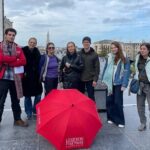
You’ll meet your guide in central Brussels, and the route can flex to your interests. In the best runs, guides like Stephane, Andrea, Michael, and Walid keep it friendly and on-time, with real stories and easy conversation. The tour is private, wheelchair accessible, and it runs rain or shine, so wear shoes you trust.
In This Review
- Key Highlights You’ll Actually Feel
- Why This Private Brussels Walk Feels Different (In a Good Way)
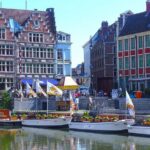
- From Grand Place to Royal Palace: Starting With the City’s Big Stage
- Street Murals, Comic Shops, and the Tintin Mural Wall
- Manneken Pis and the European Quarter: Tiny Bronze, Big Contrast
- Royal Saint-Hubert Galleries: Where Shopping Arcades Turn Into Theater
- Chocolate Treats and the African Quarter: Finishing With Flavor and Nightlife Energy
- Price and Value: What $132 Really Buys You
- Getting the Most From 3 to 8 Hours Without Getting Tired
- Practical Stuff That Matters: Pickup, Weather, and Comfort
- Who This Tour Suits Best (And Who Might Skip It)
- Should You Book This Private Brussels Highlights and Street Art Tour?
- FAQ
- How long is the tour?
- Is this tour private or shared?
- What languages are available?
- Where do we meet the guide?
- Is the tour wheelchair accessible?
- Does the tour run in bad weather?
- Are food and drinks included in the price?
- Can I cancel and get a full refund?
Key Highlights You’ll Actually Feel
- Matched to your interests: your guide chooses the vibe, pace, and sidestreets
- Grand Place to Royal Palace context: classic sights with clear explanations
- Street murals and comic shops: Brussels seen through art and pop culture
- Manneken Pis plus real snack breaks: including twice-cooked, thick-cut frites
- Royal Saint-Hubert Galleries beer break: a gorgeous 19th-century arcade stop
- African Quarter at the end of the day: bars, Congolese food, and jazz clubs
Why This Private Brussels Walk Feels Different (In a Good Way)
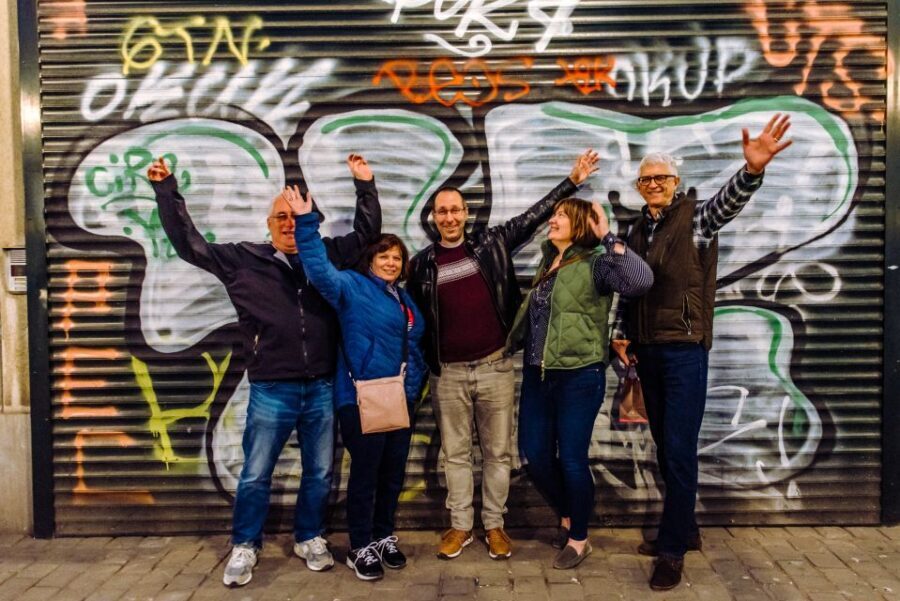
Brussels can look a lot like a postcard: ornate squares, fancy arcades, and tiny bronze figures. But the city is also playful, political, and very into visual storytelling. This is why the tour works: you’re not just ticking landmarks. You’re learning how Brussels talks to itself—through architecture, street art, comics, and neighborhood food.
The biggest win is the private guide matching. If you care about street murals, you get more of that. If you want history, the guide gives you the threads that connect guildhalls, royal spaces, and what’s happened here over time. People like Stephane (known for listening and tailoring the experience) and Michael (known for steering the day toward smaller, more local-feeling spots) are good examples of the style you should expect—engaging, adjusted to your curiosity, and not afraid to take a less-obvious turn.
The second win is practical: you’re walking through the city center where things are close together, and the guide keeps moving. You’ll see iconic stops like the Grand Place and Manneken Pis, then swing into the comic and mural scene, then wind down with beer and chocolate. It’s structured enough to feel like a plan, but flexible enough to avoid feeling like a factory line.
You can also read our reviews of more walking tours in Brussels
From Grand Place to Royal Palace: Starting With the City’s Big Stage
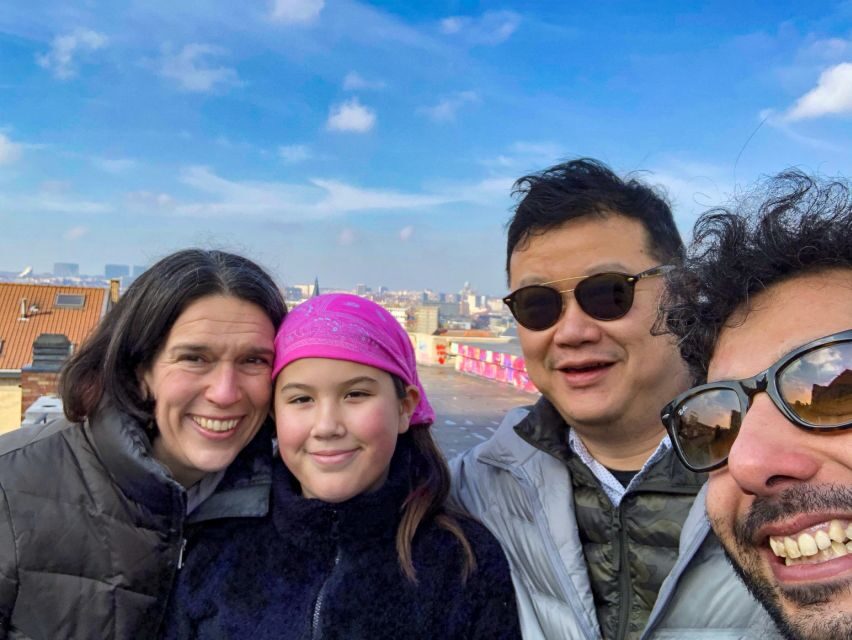
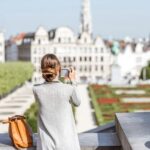
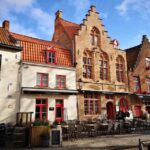
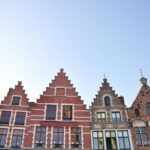
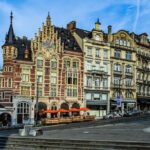
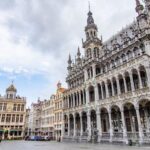
The tour commonly begins where Brussels shows off its official side. You’ll spend time at the Grand Place, including the opulent guildhalls that make the square one of the most striking scenes in Europe. This part matters because it sets the tone: Brussels isn’t just pretty. Those buildings are the city’s visual memory—who had power, who traded, and how wealth expressed itself in stone and detail.
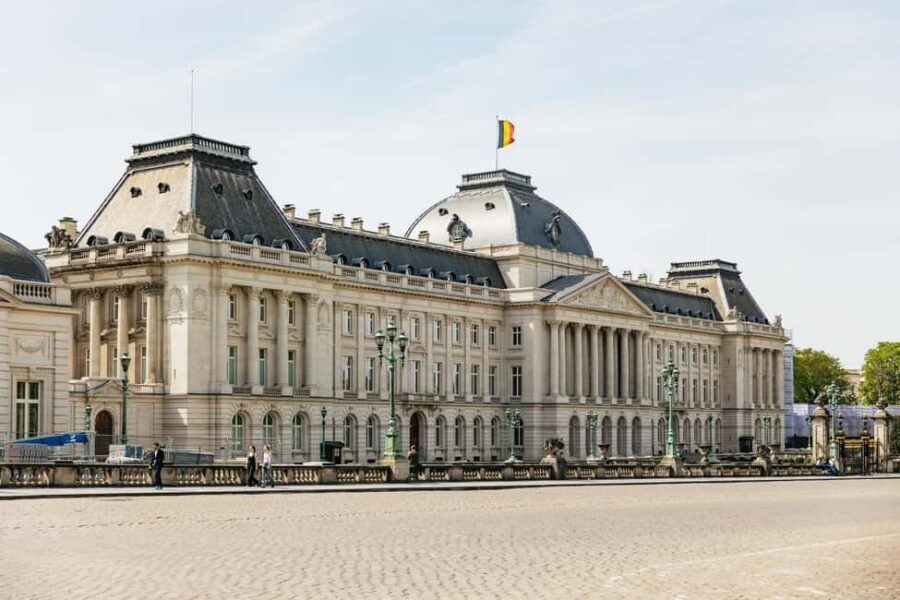
From there, you’ll head toward Royal Palace of Brussels. The key here isn’t trying to read every inscription—it’s getting a sense of how royal and civic spaces sit next to each other in the same downtown area. That contrast helps when you later look at the murals and pop-art style of the neighborhoods. You start to see Brussels as two conversations happening at once: formal authority on one street, creative irreverence a few turns away.
If you’re someone who usually gets lost in “sightseeing blur,” this is a helpful way to start. The guide’s job is to turn what you’re looking at into something you understand fast. And because it’s private, you can ask the questions that matter to you—about buildings, symbolism, or why the city arranged itself this way.
One caution: the Grand Place area can be busy. Going early (or having a guide who knows how to time stops) helps. Even with crowds, though, you’ll still get the explanations that make it more than just a photo stop.
Street Murals, Comic Shops, and the Tintin Mural Wall
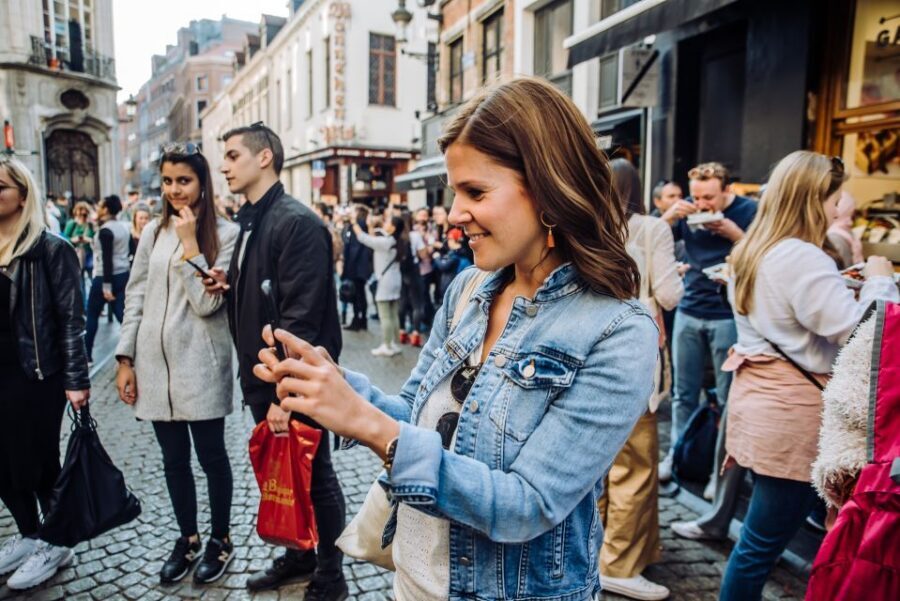
Then the tour shifts gears—hard. Brussels has a street-art personality, and comic culture here isn’t a gimmick. It’s part of the city’s identity. You’ll be led down streets lined with mind-bending murals, and the guide will connect what you’re seeing to Brussels’ broader culture.
A big theme is specialist comic book stores and vintage boutiques. This is where you slow down, browse, and actually notice the details you’d miss walking past on your own. You’re not just buying souvenirs. You’re learning how comics and illustration shaped the city’s public imagination—especially through famous European characters.
You’ll also visit the famous Tintin Comic Mural—a larger-than-life Tintin decorating the side of an unassuming gift shop. This is the kind of stop that’s fun even if you’re not a hard-core Tintin fan. Why? Because the mural turns a normal storefront into a local landmark. It’s a reminder that Brussels puts art where you live your daily life, not only in museums.
If you love quirky things, this segment is the reason to do the tour. It’s playful, visual, and easy to stay engaged through. And since your guide is matched to your interests, you’ll get the right amount of background without getting buried in facts you didn’t ask for.
Manneken Pis and the European Quarter: Tiny Bronze, Big Contrast
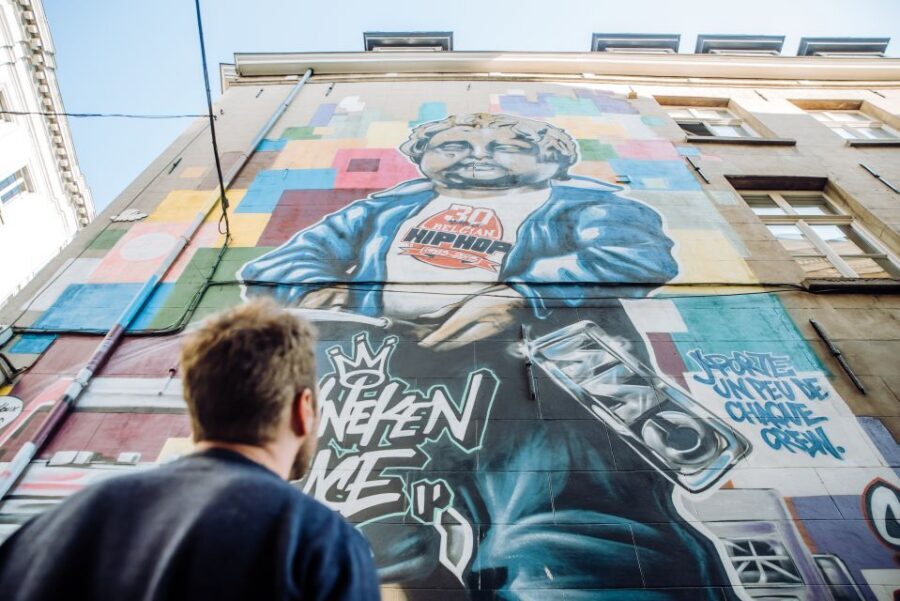
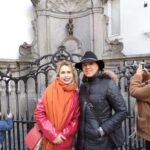
After the comic-and-mural stretch, you’ll hit a true icon: Manneken Pis. The guide shows you the bronze fountain sculpture of a urinating boy, designed by Jérôme Duquesnoy the Elder in the early 1600s. It sounds silly until you pay attention. This is one of those city figures that somehow becomes more meaningful the more you learn about it.
From there, you’ll make your way toward the European Quarter, which is home to the headquarters of the European Union. This contrast is smart. You go from playful local symbolism to global politics—then back again through the neighborhoods. It’s a reminder that Brussels is both grounded and world-facing.
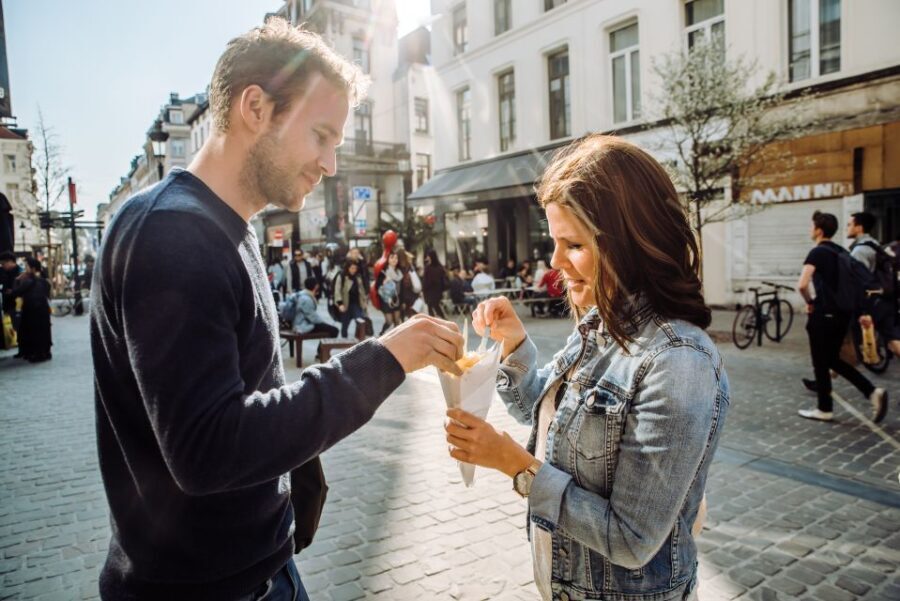
Food becomes a real part of the pacing here. You’ll grab on-the-go Belgian frites, specifically twice-cooked, thick-cut fries. That detail matters because it’s the difference between fries that are just okay and fries that stay crisp long enough to eat while walking. It also gives your group a natural break point—something every good walking tour needs.
If you’re sensitive to lots of steps, this part of the day is where you’ll notice the walking. But the tradeoff is you’re seeing more of the city center without needing to stop for transit.
Royal Saint-Hubert Galleries: Where Shopping Arcades Turn Into Theater
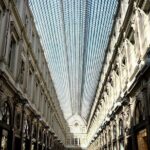
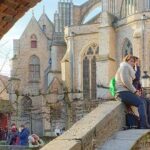
Next comes one of Brussels’ most photogenic interiors: the Royal Saint-Hubert Galleries, a stunning 19th-century shopping arcade. This stop is valuable because it’s not just a hallway with stores. The space itself carries drama—high ceilings, patterned details, and that old-world feeling of strolling under glass.
The guide helps you window-shop without turning it into a pressure-cooker. You get to look, soak in the setting, and keep the day moving. And because you’ll be in the right mood, this is also where a beer break lands well.
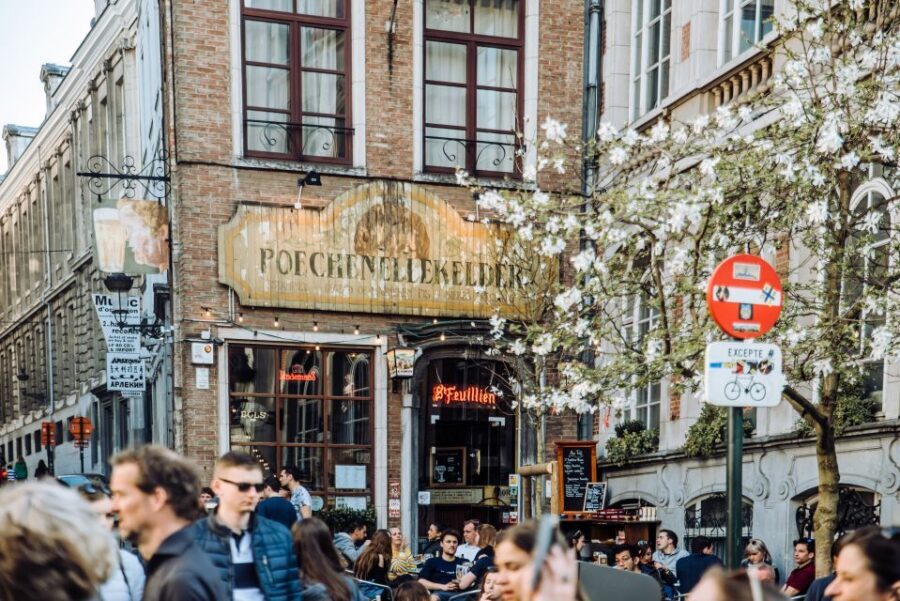
You’ll wind down with a Belgian beer and a light bite at a favorite local café. The key isn’t the alcohol itself—it’s the reset. This is where you stop being a “walking tourist” and start being someone enjoying Brussels like a real day out.
A practical note: if you’re pairing beer with more tastings later, go for something you genuinely like. The guide can point you toward options at the café, but you still control what you order.
You can also read our reviews of more private tours in Brussels

Chocolate Treats and the African Quarter: Finishing With Flavor and Nightlife Energy
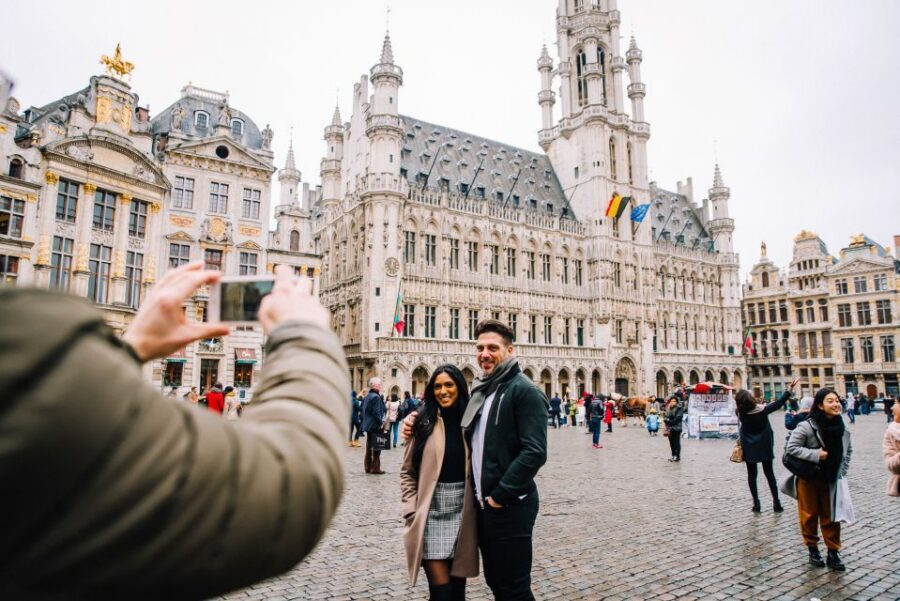
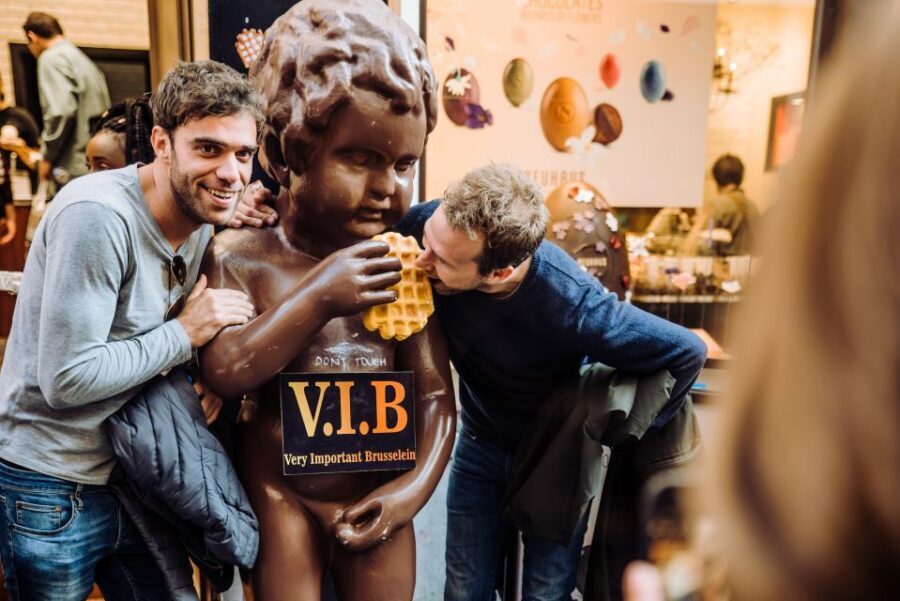
After galleries and beer, the tour shifts into sweetness. You’ll end your day sampling creative chocolate treats at city chocolatiers and quirky chocolate boutiques. This is another segment that’s more than buying. It’s about tasting what Brussels does when it takes comfort food and adds personality.
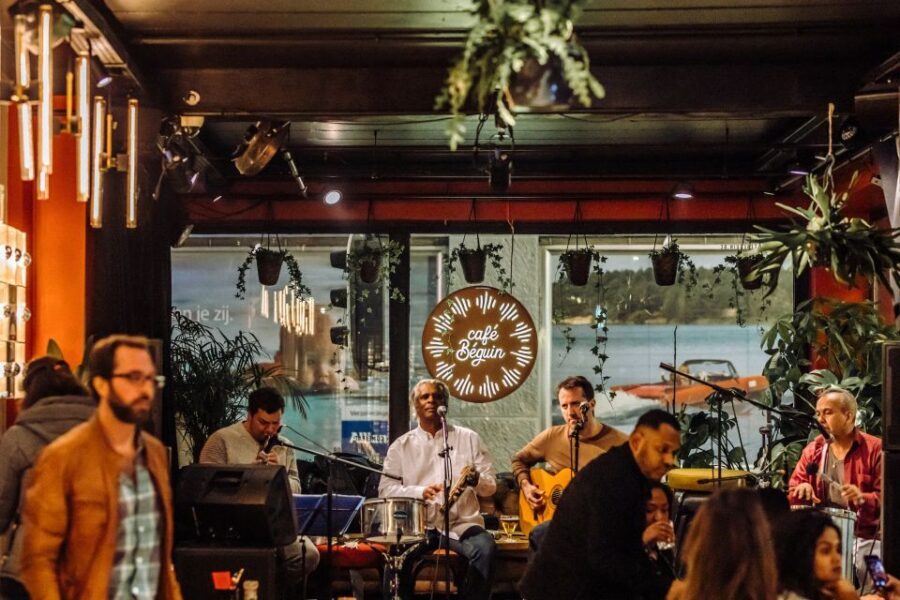
And then comes the late-day change of scenery: the African Quarter. You’ll explore unique bars, Congolese restaurants, and cool jazz clubs. This part is powerful because it broadens the idea of what Brussels is. It’s not just monuments and postcards. It’s also music, community spaces, and food you smell before you even see.
If you like finishing a day with atmosphere, this is the right ending. It also gives your guide a chance to steer you toward what fits your group—quiet corner bars versus music-focused stops, depending on your interests.
Price and Value: What $132 Really Buys You
At $132 per person, this tour isn’t the cheapest way to see Brussels. But it can be good value if you care about more than checklists.
Here’s what you’re paying for:
- A private walking tour (not a shared group)
- A local guide matched to your interests and personality
- A route that mixes major sights with street-art and comic culture
- Food stops that naturally happen during the walk (though food and drinks aren’t included)
So the real value is the guide. On a self-guided walk, you can absolutely see the Grand Place, Manneken Pis, and the galleries. You can also find murals and comics if you’re good at wandering. But the guide’s job is to connect dots—why certain things are here, what they mean, and where to go next so the day stays fun instead of random.
The one thing to watch: food and drinks aren’t included. Since frites, beer, and chocolate are part of the experience, you should plan extra spending if you want to do tastings the way the day is designed. If you’re trying to keep costs tight, you can still enjoy the sights and browse the shops, but you’ll likely skip some of the “on-the-go” samples.
Getting the Most From 3 to 8 Hours Without Getting Tired

This tour runs 3 to 8 hours, depending on the time slot you choose. That range is great if you’re flexible, but it also changes how the day feels.
A shorter option usually means more focus on the big landmarks plus the most important art stops. Longer options are better if you want time to browse comic shops and take your time in the chocolate and African Quarter segments.
Since it’s private, you can usually adjust the pace. Still, the city center is walkable, but it’s not “sit every five minutes” travel. Bring comfortable shoes and be ready for some steady movement.
If you’re planning this on a day when you arrive late or have jet lag, choose the shorter duration. If you’re landing with energy and want a full storyline for Brussels, go longer. The guide can personalize within the time you have, so you’ll get a day that feels like it was built for you.
Practical Stuff That Matters: Pickup, Weather, and Comfort
A few details help you avoid surprises.
You’ll meet your guide either at your hotel if you’re staying in central Brussels, or at a centrally located spot if you’re not. The guide contacts you to confirm the meeting point when needed. That matters because Brussels has lots of central streets, and a clear meeting plan saves time.
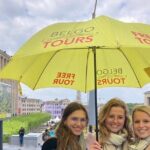
The tour runs rain or shine. So pack a light rain layer or umbrella you can manage while walking. The route still works in bad weather, but you’ll enjoy it more if you stay comfortable.
English and French are available. If you want extra context, you’ll get it more easily when you can ask questions in the language you’re most comfortable with.
Also: it’s wheelchair accessible. That’s a big deal for planning a day that doesn’t collapse if mobility is limited.
Finally, since transportation is not included, you’re relying on the walk itself to connect stops. That’s part of the magic, but it also means you should build buffer time into your schedule.
Who This Tour Suits Best (And Who Might Skip It)
This private walking tour is ideal if you like:
- Street art and comic culture
- Turning major sights into a story instead of random photos
- Food-and-drink breaks that match the neighborhoods you’re walking through
- A flexible plan guided by someone who can adjust on the spot
It’s also a good fit for families who want structure and clear stops, as long as everyone can handle walking. In the kind of guidance you’ll get, the pace can often be tuned to the group.
If you’re the type who hates browsing shops or stops for tastings, you might find parts of the day less satisfying. You can still enjoy the architecture and murals, but the tour is designed around art stops and those classic Brussels flavors.
Should You Book This Private Brussels Highlights and Street Art Tour?
Book it if you want Brussels with personality: Grand Place beauty, Manneken Pis mischief, Tintin artwork, comic shops, a proper beer break, chocolate tastings, and a finish in the African Quarter. The guide matching and the private format are the big reasons to choose this over a self-guided day.
Skip it if you’re budget-tight and don’t want to add extra spending for beer, frites, and chocolate. Also skip if you prefer a purely museum-style itinerary and don’t like walking-and-browsing.
If you’re on the fence, think of it like this: $132 buys you a local lens plus a day that stays interesting even after you’ve seen the obvious sights. That’s the best kind of value in any city.
FAQ
How long is the tour?
The tour lasts 3 to 8 hours. Starting times vary, so you’ll need to check availability for the time slot you want.
Is this tour private or shared?
It’s a private walking tour for a private group, so you won’t be mixed in with strangers.
What languages are available?
The live guide is available in English and French.
Where do we meet the guide?
Pickup is included if you’re staying in central Brussels: the host meets you at your hotel. If your hotel isn’t in the center, you’ll meet at a centrally located spot, and the guide will contact you to arrange the exact meeting point.
Is the tour wheelchair accessible?
Yes, the tour is wheelchair accessible.
Does the tour run in bad weather?
Yes, the tour takes place rain or shine.
Are food and drinks included in the price?
No. The tour includes the private walking tour and a local guide, but transportation, food, and drinks are not included.
Can I cancel and get a full refund?
Yes. You can cancel up to 24 hours in advance for a full refund.