REVIEW · BRUSSELS
Brussels: Make Your Own Chocolates Workshop with Tastings
Book on GetYourGuide →Operated by The Belgian Chocolate Makers · Bookable on GetYourGuide
Chocolate, with science in the kitchen. In this Brussels workshop you get hands-on chocolate making plus step-by-step cacao tastings, all wrapped up with a quick lab visit. I especially liked the chance to create three different treats with a chocolatier and sample cacao before sugar is added. One drawback: it’s only about 1.5 hours, so it is not a true from-beans, bean-to-bar course.
You’ll start at the Belgian Chocolate Makers training centre near Gare Centrale, get a welcome drink, and then work at your station while the chocolatier explains what’s happening and why. The experience is designed for upbeat, respectful participants, and it keeps things moving—check-in matters.
In This Review
- Key points worth clocking before you go
- Starting at Place de la Justice: where your workshop begins
- Champagne welcome, aprons, and what you actually make
- The big deal here: tasting cacao at every step
- Ethical, sustainable cacao from Haiti: what choices you get
- The laboratory visit: seeing the steps up close
- Taking your chocolates home (and using that 20% discount)
- Price and logistics: is $108 good value?
- Who this workshop fits best (and who should skip it)
- Practical tips that make the workshop easier
- Should you book this Brussels chocolate workshop?
- FAQ
- How long is the Brussels chocolate workshop?
- What chocolate treats will I make?
- Do tastings happen during the workshop?
- What drinks are included?
- Where do I meet the workshop?
- Is there a discount at the chocolate store?
- Can I participate if I’m vegan or lactose intolerant?
- Are nuts part of the toppings?
- Is the workshop wheelchair accessible and what age is it for?
Key points worth clocking before you go
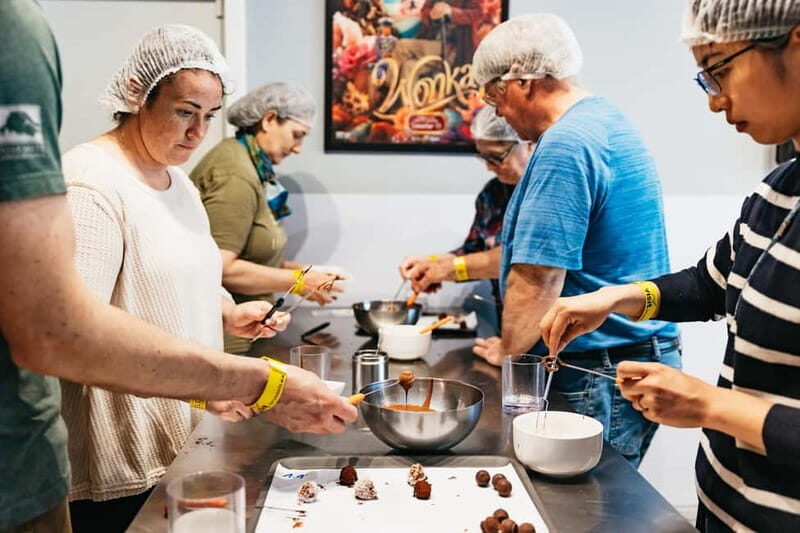
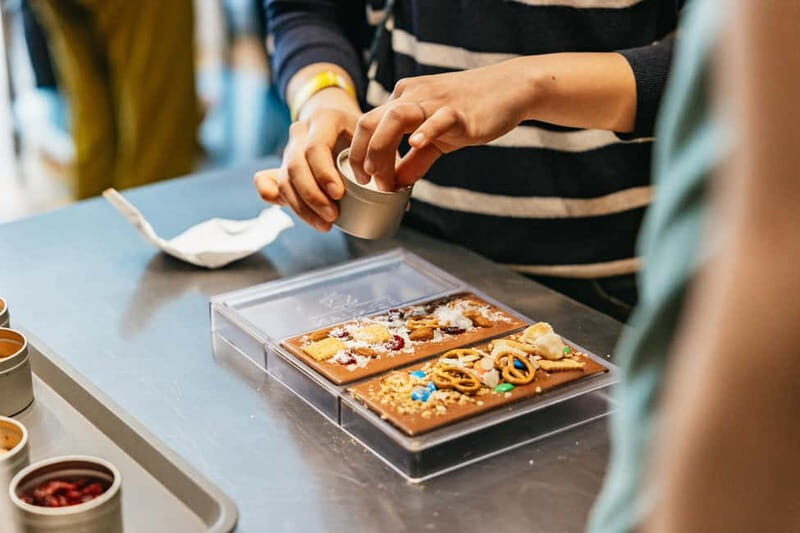
- Personalized results: you make a chocolate bar plus truffles and mendiants that you can pack to take home
- Cacao tasting at multiple stages: beans, cacao liqueur before sugar, and a mucilage granité
- A real behind-the-scenes stop: end with a laboratory visit (max 2 people at a time)
- Ethical focus from Haiti: you work with dark and milk chocolate made with ethical, sustainable cacao
- Extra value built in: Champagne on arrival, a seasonal drink, and a 20% in-store discount
Starting at Place de la Justice: where your workshop begins
Your ticket start point is the Belgian Chocolate Makers training centre and booking desk at Place de la Justice 5, near Gare Centrale and Mont des Arts. The staff check your tickets, then hand you the gear for the room—specifically a hairnet (long hair needs to be tied back) and beard protection if needed. You’ll also receive a quiz card linked to the store discount and a wristband to access the activity.
Plan to arrive a few minutes early. The checking process ends as soon as the workshop starts, and you won’t be accepted late. Once you check in, you may be moved to one of the nearby workshops/stores (Rue Lebeau 7/11 or Rue de Namur 6), depending on operations.
A few more Brussels tours and experiences worth a look

Champagne welcome, aprons, and what you actually make
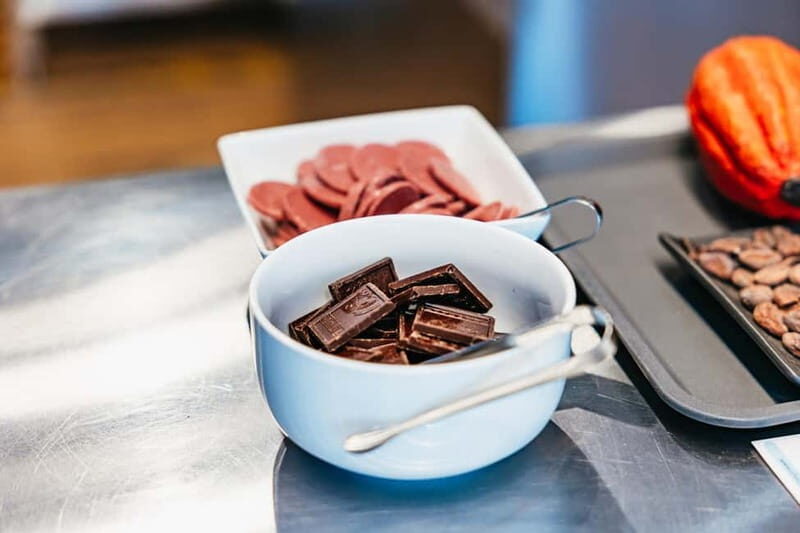
Once you’re checked in, the workshop kicks off with a welcome drink—glass of Taittinger Champagne. You’ll also get an apron with the workshop logo, and then it’s time to get your hands working.
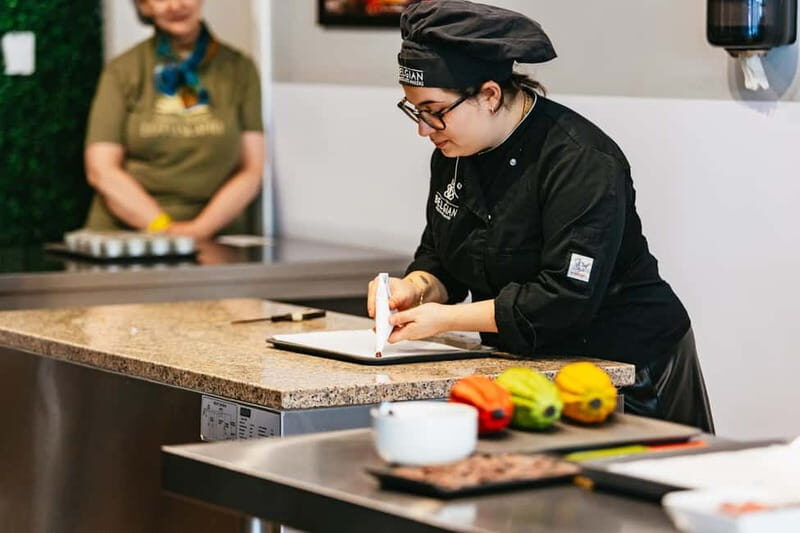
During the 1.5-hour session, you follow along with a chocolatier to make:
- your own personalized chocolate bar
- mendiants
- truffles
As you work, you get a drink too: hot chocolate in winter or lemonade in summer. There’s also a coffee during the activity for this priority-access package, so you’re not stuck waiting dry-eyed in the short timeframe.
A key thing to understand: this is a fun, guided workshop. It’s not meant to teach you full bean-to-bar production from scratch. So if you’re hoping to roast, grind, and run the entire process like a real maker, adjust your expectations. You’ll learn concepts and taste the steps, but the workshop is about making finished sweets with expert help.
The big deal here: tasting cacao at every step
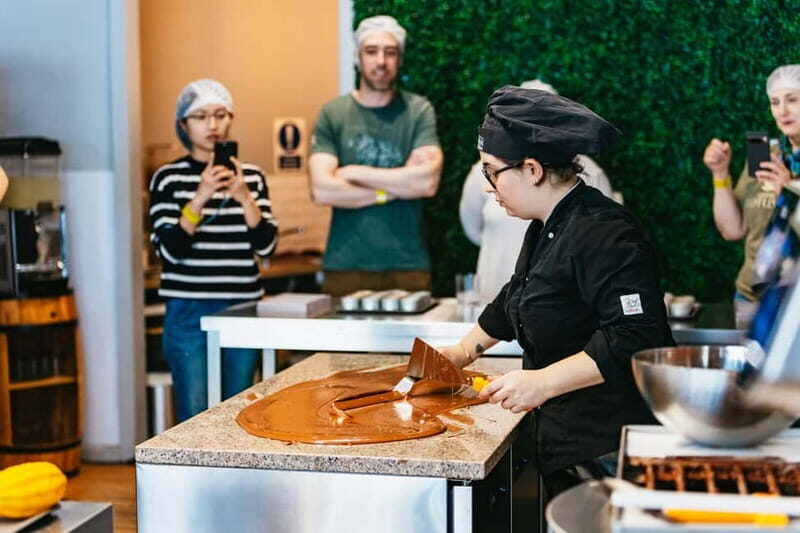
This is where the experience feels more “serious chocolate” and less “just a dessert craft.” You taste cacao at multiple points in the process, which helps you understand why Belgium is famous for chocolate beyond marketing.
You’ll sample cacao:
- at the bean stage
- as cacao liqueur before any sugar is added
- as a mucilage granité (a sweet-like cold granita made from mucilage)
Then you taste several chocolate origins. That part matters because origin can change flavor in a way you can’t get from plain tasting bars alone. It’s also a nice bridge between the educational side and the hands-on making you’re doing at the station.
If your goal is to come away smarter about chocolate, not just sugared up, this sequence is one of the strongest reasons to book.
Ethical, sustainable cacao from Haiti: what choices you get
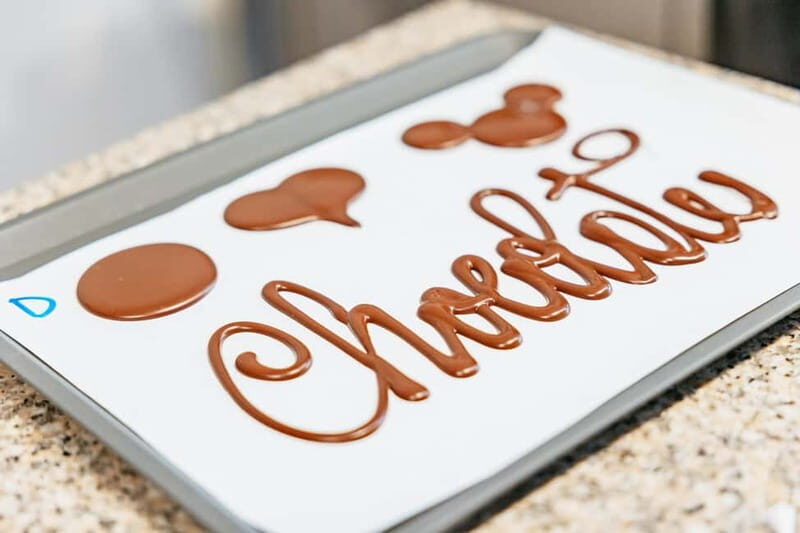
The chocolate used in the workshop comes from Haiti, and the focus is on ethical and sustainable cacao. You’ll work with dark and milk chocolates, and the workshop is designed so you can participate actively while learning what goes into premium chocolate.
Dietary adjustments are handled, but there are limits:
- If you are vegan or lactose intolerant, you’ll only work with dark chocolate.
- Your toppings contain nuts, so this is not a fit if you have a nut allergy.
- People with gluten intolerance, lactose intolerance, or food allergies are listed as not suitable.
So this is not a “maybe it’ll be fine” situation. If you have allergies, check carefully before booking. The workshop uses tastings throughout, so cross-contact risk is something you should plan around based on your own comfort and your ability to follow restrictions.
The laboratory visit: seeing the steps up close
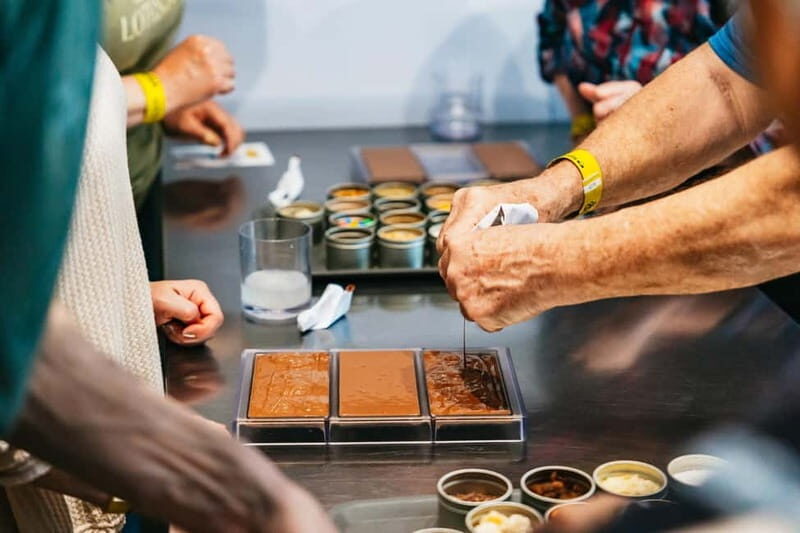
After the hands-on portion, you visit the laboratory to understand the necessary steps to produce the bean-to-bar chocolates. You’re not becoming a chocolatier in 90 minutes, but you do get the big picture—what happens after your finished sweets are made possible.
The lab visit is also structured: it allows max 2 persons at the same time. That small group size helps the staff keep it interactive, and it usually makes it easier to hear explanations without a crowd.
This is a smart pacing choice. You do the sensory stuff first (tasting), then you build understanding (lab), and finally you leave with products you made yourself.





Taking your chocolates home (and using that 20% discount)
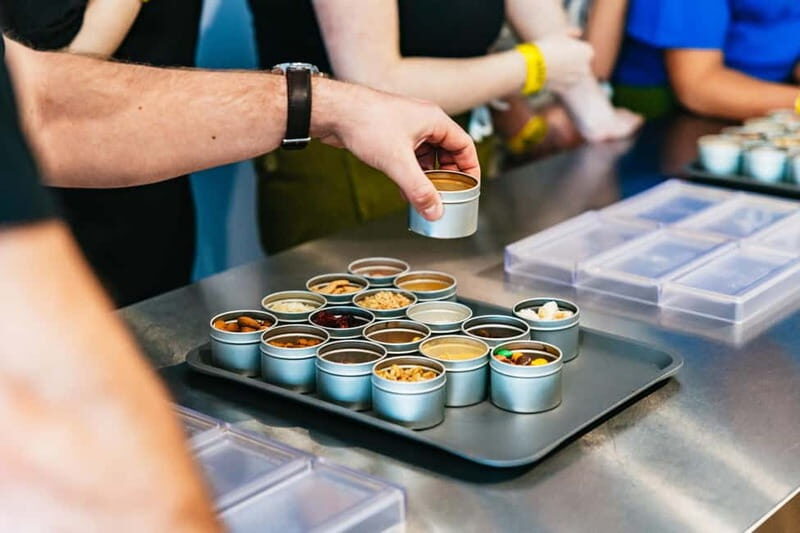
By the end of the experience, you pack your creations to take home. The workshop is designed so you’re not just photographing the process—you leave with something real to share (or to guard from your own fridge raids).
On top of that, you get an automatic 20% discount in the chocolate store. You’ll receive the quiz card at check-in, which helps trigger the discount. If you’re the type who always ends up buying chocolate souvenirs anyway, this is the easiest way to keep that spend from feeling like a tax.
One practical note: the workshop doesn’t just sell the experience; it tries to keep you moving toward a next step in the same chocolate-making world.
Price and logistics: is $108 good value?
At $108 per person, this workshop isn’t cheap, but it lines up well with what you receive. You’re paying for three things that cost money in real life:
- instruction and hands-on time with a chocolatier
- tasting experiences through multiple cacao stages
- finished sweets you can take home (a personalized bar plus mendiants and truffles)
Add in the included drinks (Champagne, plus a seasonal drink and coffee) and the fact that you also get a 20% in-store discount, and the price starts to look more reasonable.
Still, make sure you’re booking for the right reasons. If what you want most is an extended, from-beans production education, the 1.5-hour format will feel brief. If you want a high-quality taste-and-make session with a lab peek, it’s a good match.
Who this workshop fits best (and who should skip it)
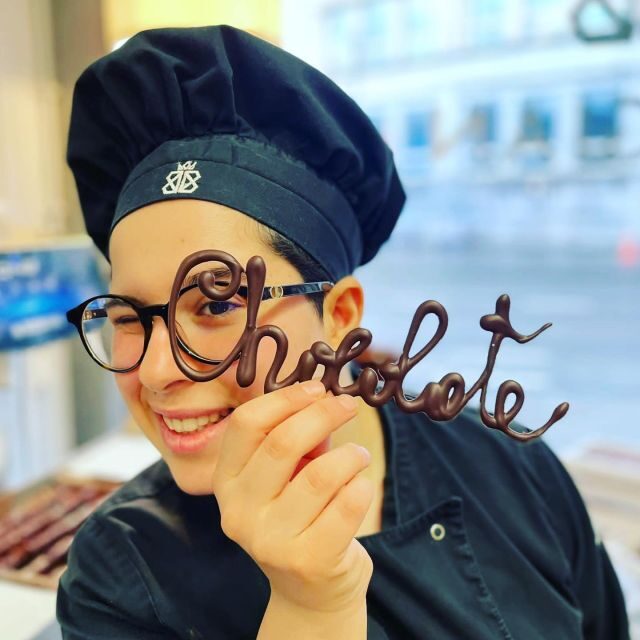
This is best for adults and older kids—not suitable for children under 6—and it’s not recommended for wheelchair users. It also has a “good vibes only” tone: the experience is for people who can share space politely and follow staff instructions.
You should also consider skipping if:
- you need gluten-free, nut-free, allergen-safe, or lactose-free options beyond what’s explicitly offered
- you’re bringing lots of gear (large bags and luggage are not allowed)
- you don’t want a structured, time-sensitive experience (late arrivals aren’t accepted once the session starts)
If you enjoy tasting and learning, this workshop can feel like a mini education without turning into a boring lecture. If you’re purely there for a casual sugar experience, you might find the tasting portion a bit more “educational” than expected—in the good way, though.
Practical tips that make the workshop easier
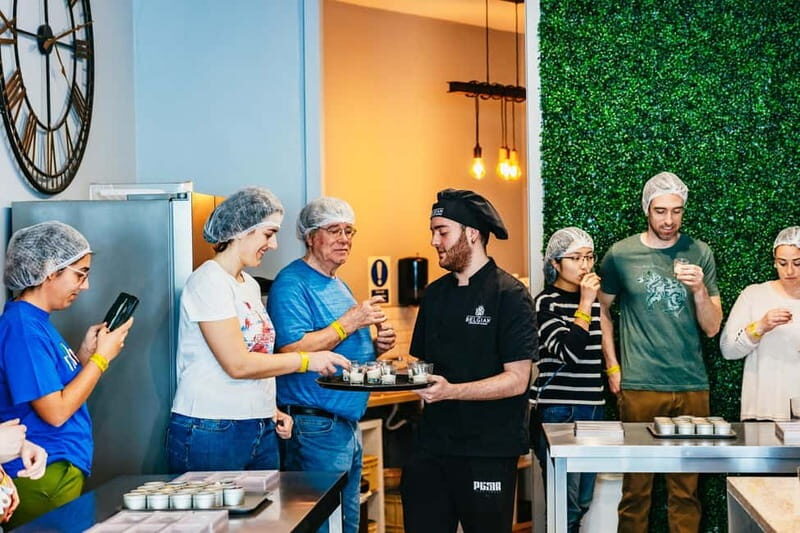
A few details help you get the smoothest experience possible:
- Tie back hair: the hairnet is mandatory, and you’ll be expected to wear it.
- Leave extra stuff behind: pets, smoking, outside food/drinks, and luggage or large bags are not allowed.
- Plan around the timing: check in at the booking desk at least 5 minutes before the start so you don’t get cut off.
- Expect a focused 90 minutes: it moves from welcome and making to tastings and ends with the lab.
When you’re ready to book, read the dietary and allergy rules closely. This is one of those situations where the workshop is “small and controlled” on purpose, so strictness is part of the design.
Should you book this Brussels chocolate workshop?
I’d book it if you want a hands-on Brussels chocolate experience that goes beyond eating. You’ll make a personalized bar and two other treats, and you’ll learn by tasting cacao in stages you won’t get from a normal chocolate shop visit. The lab stop adds context, and the included Champagne plus the 20% store discount make the value feel more complete.
I’d think twice if you’re chasing a full bean-to-bar craft immersion, or if you have multiple allergies or strict dietary needs. The rules are clear, and they’re there for a reason.
If your idea of a perfect afternoon is warm smiles, serious cacao flavors, and leaving with chocolate you made with your own hands, this workshop is a strong choice.
FAQ
How long is the Brussels chocolate workshop?
It runs for about 1.5 hours. Starting times depend on availability.
What chocolate treats will I make?
You’ll make a personalized chocolate bar, plus mendiants and truffles.
Do tastings happen during the workshop?
Yes. You taste cacao at different steps, including cacao beans, cacao liqueur before sugar, and a mucilage granité, plus additional chocolate origin tastings.
What drinks are included?
You get a glass of Taittinger Champagne at arrival. During the workshop, you’ll also have hot chocolate (winter) or lemonade (summer), and coffee is offered during the activity.
Where do I meet the workshop?
Meet at the Belgian Chocolate Makers training centre and booking desk at Place de la Justice 5 near Gare Centrale and Mont des Arts.
Is there a discount at the chocolate store?
Yes. You get an automatic 20% discount at the chocolate store, tied to the quiz card given at check-in.
Can I participate if I’m vegan or lactose intolerant?
You can, but you’ll only work with dark chocolate.
Are nuts part of the toppings?
Yes. The toppings contain nuts, so it’s not suitable for people with nut allergies.
Is the workshop wheelchair accessible and what age is it for?
It is not suitable for wheelchair users and not suitable for children under 6.