REVIEW · BRUSSELS
Brussels: Private Tour of the Upper and Lower City
Book on GetYourGuide →Operated by Bravo Discovery · Bookable on GetYourGuide
Brussels has two cities in one walk. On this private Lower and Upper City tour, I like how quickly you go from major icons like Grand Place to the bigger story of how the city developed, street by street. You also get the kind of guidance that makes facts stick: the tour’s themes (Art Nouveau, Belgian beer, and chocolate) are woven into what you see, so it doesn’t feel like you’re just collecting landmarks.
Two things really stand out for me. First, the route covers the old core of town and then lifts you uphill into the Upper City, which helps you understand why Brussels feels layered. Second, the guiding has a human touch; I saw praise for Emil’s ability to match city developments in a clear way, and for Hr. Boeykens keeping the group engaged even with cold weather. One thing to consider: museum tickets aren’t included, so if you want to go inside museums (not just look around), you’ll need to plan for ticket cost and time.
In This Review
- Key points you’ll care about
- Grand Place to Saint-Hubert Royal Galleries: the Lower City route that makes sense
- What to watch for
- Art Nouveau, beer, and chocolate: the guide’s themes that turn stops into context
- St. Michael and St. Gudula Cathedral: why the Upper City starts with stained glass
- A good way to get more from the cathedral visit
- Place des Palais, the royal park, and palace views: monarchy as city architecture
- Musical Instruments Museum vs Magritte and Palace of Fine Arts: choose your Upper City flavor
- The Sablon areas are where the tour slows down
- Price and logistics: what $353 per group really means for your value
- The “hidden” value: fewer wrong turns
- Who should book this private Brussels tour
- Quick practical advice so you enjoy every square
- Should you book this Brussels Lower and Upper City private tour?
- FAQ
- How long is the Brussels Private Tour of the Upper and Lower City?
- Is this tour private?
- Where does the tour start in the Lower City?
- Which Upper City sights are included?
- Are museum tickets included?
- What languages are available for the live guide?
Key points you’ll care about
- Lower City landmarks first: Grand Place, Manneken Pis, and multiple grand squares in one logical route
- Upper City viewpoint inside the cathedral: you’ll admire stained-glass windows from within St. Michael and St. Gudula
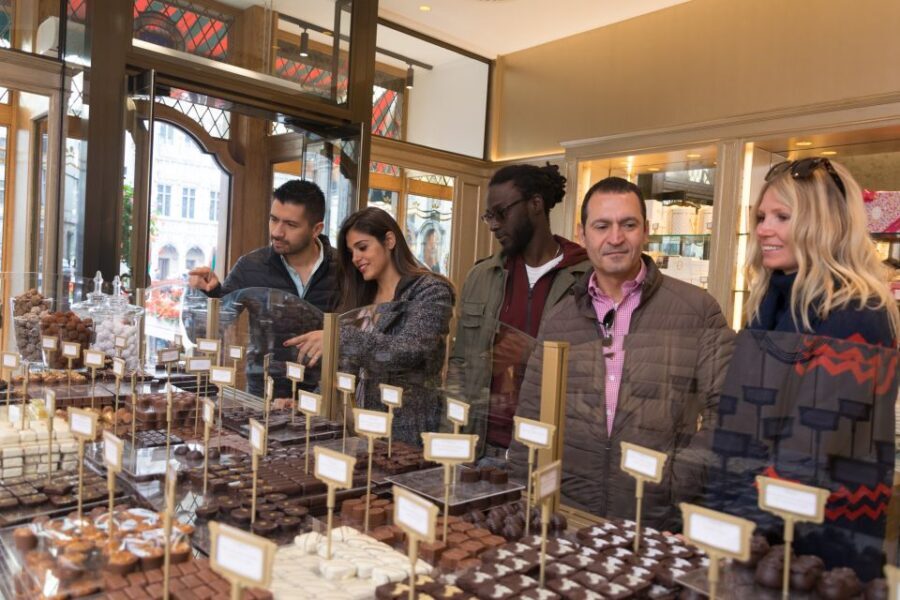
- Art Nouveau + beer + chocolate themes: built into the walk, not tacked on at the end
- Private format with multiple language options: the guide can be Spanish, Dutch, English, French, German, Italian, Russian, or Portuguese
- Easy handoff at the end of each area: you finish the Lower City segment at the Saint-Hubert Royal Galleries
Grand Place to Saint-Hubert Royal Galleries: the Lower City route that makes sense
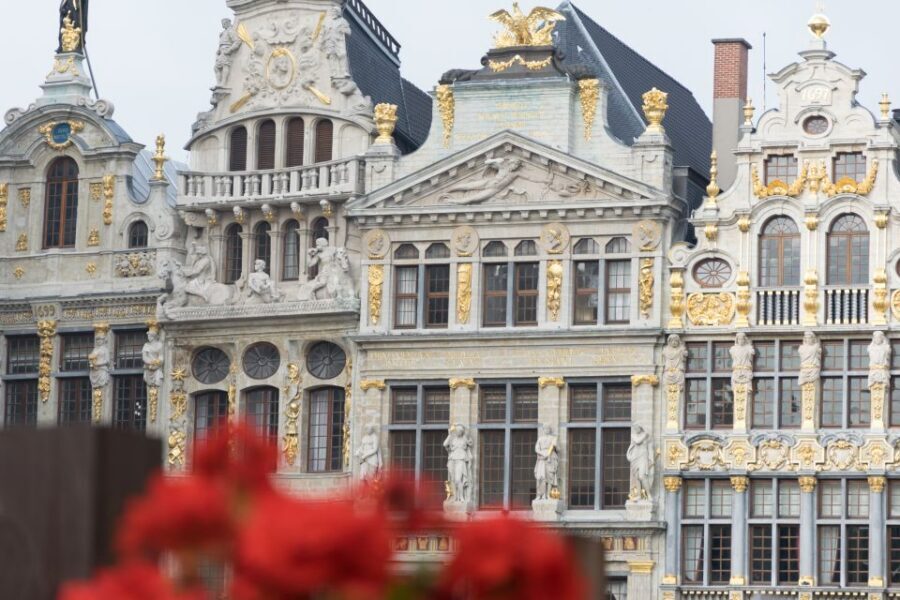
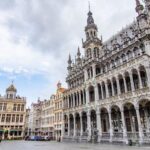
The tour starts where you want to start in Brussels: at Grand Place, the central square that sets the tone for everything you’ll see next. From there, you’re not wandering randomly. You’re walking with a sequence that helps you connect space, power, and design—why certain squares matter, and how people historically moved through the center.
Next up is Manneken Pis, the famous bronze landmark. It’s small, but it’s one of those spots you understand instantly once you know what it represents and why Brussels treats it like a cultural symbol. If you’re the type who likes to get the story behind the postcard image, this stop does that job fast.
You then head toward Saint-Géry island, once the largest island in the Senne river. Even if you don’t know anything about Brussels’ waterways, this is the kind of stop that makes the city feel more real: you start thinking about how rivers shaped development, not just how buildings look from the street.
After that, the tour moves through a series of squares that each give a different flavor of the city center. St. Catherine square offers a classic Brussels-square experience. Then you pass through De Brouckère and Monnaie squares, which help you see the urban rhythm shift as the city changes character. If you’ve ever felt that European city centers blur together, this kind of guided “square hopping with reasons” is a relief.
One of my favorite parts of the Lower City section is the way you get to the federal opera house. You’re not spending hours inside here. You’re being shown a major cultural building in the middle of the street-life canvas, which is useful when you’re short on time.
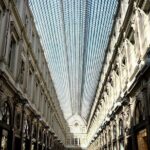
The Lower City segment ends at the Saint-Hubert Royal Galleries, a glass-roofed set of shopping arcades. This is more than a place to browse. It’s a visual shift from open squares to a covered, elegant corridor. It also helps you end your walking loop with something you can actually linger in before the next segment.
You can also read our reviews of more city tours in Brussels

What to watch for
As you move from square to square, keep an eye on how designs change as the guide explains the city’s shifts over time. It makes your photos better, but more importantly, it makes your understanding better.
Art Nouveau, beer, and chocolate: the guide’s themes that turn stops into context
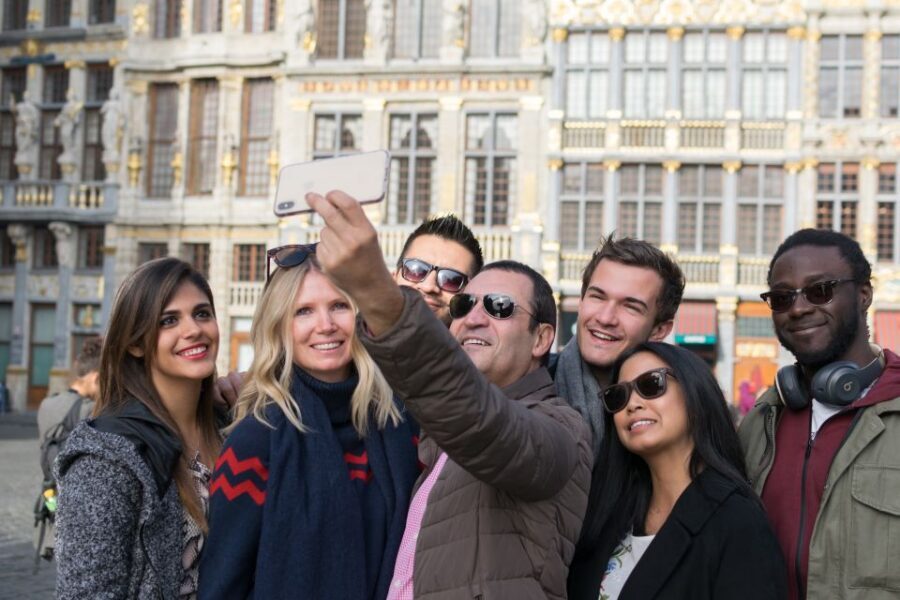
This tour doesn’t treat Art Nouveau, beer, and chocolate as random fun facts. The guide folds these themes into the walk, so each theme becomes a lens for looking at architecture and culture. That approach matters because Brussels is visually busy: there are styles everywhere. Without a framework, it can turn into a blur of facades.
I also like that the tour is built around storytelling that keeps momentum. Emil was praised for mixing the city’s different time periods effectively, and Hr. Boeykens was praised for keeping the group cheerful despite cold weather. In practical terms, that means you’re more likely to stay focused on what the guide points out, instead of tuning out when your legs get tired.
If you’re the kind of traveler who wants to understand the city’s identity—not just see its highlights—this thematic structure is the payoff. You’ll walk away with a few “Brussels makes sense now” connections. And since you learn about Belgian beer and chocolate within the cultural context, it feels grounded rather than like a marketing detour.
St. Michael and St. Gudula Cathedral: why the Upper City starts with stained glass
In the Upper City, the tour again starts from the Grand Place area before moving uphill. That climb is part of the point. Brussels’ geography isn’t flat, and you can feel the shift as you go from dense center streets toward more monumental spaces.
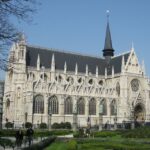
The headline stop is St. Michael and St. Gudula Cathedral. You don’t just look at it from outside. The tour has you admire stained-glass windows from inside, which is a big quality step. Interior time changes how you experience the building, because stained glass isn’t just decoration—it’s light design. Seeing it in person makes the cathedral feel less like a landmark and more like a space that shapes mood.
Practical note: uphill sections can be tough if you’re wearing slippery shoes or if weather turns wet. This tour is generally manageable, but it’s still a real walk with elevation changes.
A good way to get more from the cathedral visit
When you go inside, don’t rush to the exits. Look for how the colored windows affect the room and how the light changes as you change your angle. Even a quick pause here makes the stop more meaningful.
You can also read our reviews of more private tours in Brussels

Place des Palais, the royal park, and palace views: monarchy as city architecture
From the cathedral area, you head toward Place des Palais, where you’ll find the royal park and palace. This stop helps you understand a different side of Brussels: not the market-square center of everyday life, but the ceremonial, ordered space that shapes how the city presents itself.
Even if you don’t plan on spending much time in museums during the Upper City section, this is still a worthwhile visual anchor. You’ll get a sense of how the city uses grand spaces to project identity—something Brussels does often, especially in the central zones.
The key value here is perspective. After you’ve walked the Lower City’s squares and covered arcades, Place des Palais adds scale and formality to what you’ve already learned.
Musical Instruments Museum vs Magritte and Palace of Fine Arts: choose your Upper City flavor
Near Place des Palais, you have an option for what the tour does in the museum lane. The plan includes either a visit to the Musical Instruments Museum, or passing by the Magritte museum and the Palace of Fine Arts to arrive at the Petit Sablon and Grand Sablon areas.
This flexibility matters because it respects different travel styles. If your interest leans toward objects and sound-related collections, the Musical Instruments Museum option fits. If you’re more drawn to Belgian art and design connections linked to Magritte, the pass-by route keeps you moving while still covering key points of interest.
One important consideration: tickets to museums are not included. So if the museum visit is on your wishlist, budget time and money for entry. If you’re happy with exterior views and the walk to the Sablon area, you can keep the pace easier.
The Sablon areas are where the tour slows down
After the museum segment, the route brings you to Petit Sablon and Grand Sablon. This is the payoff zone for many people because it’s a nice change of pace from the earlier “big icon” stops. It’s also a place where you can connect your earlier cultural themes—especially if you’ve been thinking about Belgian craftsmanship while walking.
Price and logistics: what $353 per group really means for your value
The tour is priced at $353 per group for up to 20 people, for 3 hours with a professional guide. That’s the type of price structure that can be very good value—if you fill the group. With private tours, value isn’t only about the headline price. It’s about how many people you’re splitting it across and whether the guide saves you time and decision-making.
Here’s the practical way to think about it:
- If you’re a small group, the per-person cost is higher, and you’ll want to get your money’s worth from the guide’s storytelling.
- If you’re a larger private group (closer to the maximum), the cost per person can be surprisingly manageable for a custom-led walk that covers both Lower and Upper City highlights.
Also, you don’t pay separately for the guide (it’s included). Pickup is possible from your Brussels hotel, which is helpful if you don’t want to figure out the meeting point logistics yourself. What isn’t included is transport—so treat this as a walking-focused tour with some help getting started.
The “hidden” value: fewer wrong turns
Walking through central Brussels on your own can be a maze, especially if you’re trying to understand why places connect. A private guide cuts down on dead-end wandering and turns the route into a coherent story.
Who should book this private Brussels tour
This tour is a strong fit if you want:
- A guided overview that includes both the Lower City and Upper City, not just one zone
- Big-name landmarks plus the cultural context behind them (Art Nouveau, beer, chocolate)
- A private guide you can work with in multiple languages, from English to German, Italian, Russian, Portuguese, and more
It’s also a good choice for people who prefer not to piece things together from multiple ticketed attractions. In a tight timeframe, you get a lot of “see and understand” without needing to plan every museum day on your own.
Because the tour is marked wheelchair accessible, it also suits travelers who need that level of consideration—though you’ll still want to use common sense about comfort with walking and elevation.
Quick practical advice so you enjoy every square
Wear comfortable shoes. You’re moving between multiple squares and doing an uphill shift into the cathedral area. Bring a layer even in mild weather; the city’s open squares can feel chilly when winds kick up.
If you care about a museum stop (Musical Instruments Museum or Magritte/Palace of Fine Arts), plan for ticket time and cost because museum tickets are not included. If you don’t want that, you can still get plenty from the architecture and squares without needing to go deep into indoor exhibits.
Finally, take advantage of the private format. The itinerary can be arranged to match your preferences, whether you want it more entertaining or more academic. If you know what you care about—architecture, design, or cultural traditions—tell the guide early.
Should you book this Brussels Lower and Upper City private tour?
I’d book this if you want a guided “Brussels connects now” experience in just 3 hours, and if you like your city visits with context, not just photo stops. The Lower City route hits the essentials (Grand Place, Manneken Pis, Saint-Hubert Royal Galleries), and the Upper City adds a meaningful interior moment at St. Michael and St. Gudula Cathedral plus royal-area views at Place des Palais.
Book with extra confidence if your group will fill the private capacity, because $353 per group up to 20 can be solid value compared with multiple separate activities. Skip or rethink if you’re hoping the tour includes museum entry for free; it doesn’t, so you’ll need to pay for tickets separately if you want to go inside.
FAQ
How long is the Brussels Private Tour of the Upper and Lower City?
The tour duration is 3 hours.
Is this tour private?
Yes, it’s a private group tour.
Where does the tour start in the Lower City?
It begins at the Grand Place in Brussels.
Which Upper City sights are included?
You’ll visit St. Michael and St. Gudula Cathedral, Place des Palais (royal park and palace area), and then reach the Petit Sablon and Grand Sablon areas. The museum segment can include either the Musical Instruments Museum or passing by the Magritte museum and the Palace of Fine Arts.
Are museum tickets included?
No. Tickets to museums are not included.
What languages are available for the live guide?
The live tour guide is available in Spanish, Dutch, English, French, German, Italian, Russian, and Portuguese.