REVIEW · BRUSSELS
Brussels: City Center Guided Food Tour with Tastings
Book on GetYourGuide →Operated by NO DIET CLUB · Bookable on GetYourGuide
Want Belgian comfort food with local storytelling?
This 3-hour walk through central Brussels mixes serious snacks with friendly guidance, and it’s run in a small group (up to 10) so you actually get time to ask questions. I like that you start in a real neighborhood setting by Patatak on Rue de la Bourse, then move through classic food places with an expert voice in your ear.
What I love most is the range: you get standout Brussels staples like fries cooked in beef fat, a homemade frikadelle, fish croquettes, Liège waffles, and Belgian chocolate, plus more. And I also appreciate that vegetarian options are available, so you’re not stuck with a sad side salad. One consideration: you’ll do a fair bit of walking on cobblestones, and some stops may not have much seating, so you’ll want comfy shoes.
In This Review
- Key things to know before you go
- Starting in the Historic Center at Patatak
- The Walking Food Tour Formula: Several Stops, One Easy Flow
- Savory Stops: Fries in Beef Fat, Frikadelle, and Fish Croquettes
- Fries cooked in beef fat
- Homemade frikadelle
- Fresh fish croquettes
- Sweet Stops: Liège Waffles and Belgian Chocolate
- Liège waffles
- Belgian chocolate
- Vegetarian Options: How They Handle Substitutions Without Making It Awkward
- Your Guide Makes the Whole Thing Work (Chloè, Olivia, Amélie, Marine, Antoine)
- How Long You’ll Be Out, and Why That Timing Works
- Price and Value: What $70 Buys You in Real Food
- Practical Tips to Get the Most Out of It
- Come hungry, but don’t panic
- Wear walking shoes
- Use your guide’s after-tour recommendations
- If you’re solo, this is a good bet
- Who Should Book This Food Tour
- Should You Book? My Honest Take
- FAQ
- How long is the Brussels City Center Guided Food Tour with Tastings?
- Where does the tour start?
- Where does the tour end?
- Is this a walking tour?
- What food is included?
- Are vegetarian options available?
- How big is the group?
- What languages are the guides speaking?
- How much does the tour cost?
- Can I cancel and get a refund?
- Is payment required immediately?
Key things to know before you go
- Small group pace (max 10): less rushing, more chances to talk with your guide.
- Savory and sweet split: typically about three salty stops and three sweet ones.
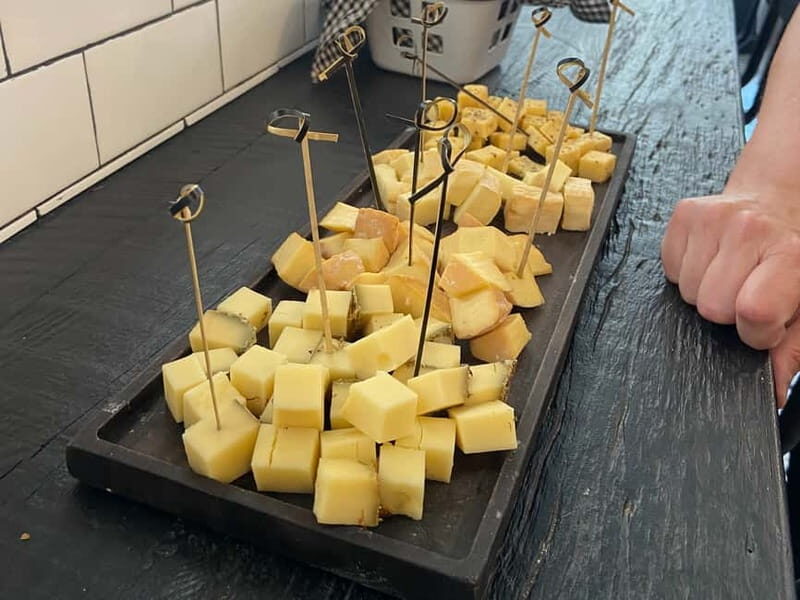
- Brussels classics, not generic snacks: fries in beef fat, frikadelle, fish croquettes, Liège waffles, Belgian chocolate.
- Guides with real personality: names you may see include Chloè, Olivia, Amélie, Marine, and Antoine.
- Vegetarian options are planned: they’ll offer substitutions where needed.
- You also learn Brussels history: it’s food-first, but the city context shows up along the way.
Starting in the Historic Center at Patatak
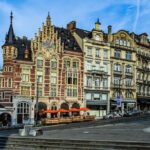
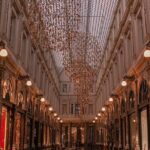
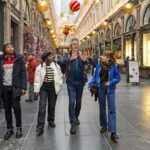
Your tour meets your guide outside Patatak on Rue de la Bourse. It’s a practical setup because you’re in the heart of the city, not far from major sights and easy to orient once you know where you’re starting. Then you set off on a guided walking route through Brussels’ central streets, with the guide doing two jobs at once: leading the group and explaining what you’re about to eat.
I find the meeting point matters more than people think. You don’t want to waste tour time hunting for a sign on a side street. Rue de la Bourse is the kind of location where you can arrive calm, grab your bearings, and start eating without delay.
Also, the tour ends back at the meeting point. That’s a small detail, but it’s handy. After three hours of tastings, you can go right back to the same area for a drink, a stroll, or dinner plans without figuring out a new pickup location.
You can also read our reviews of more food & drink experiences in Brussels
The Walking Food Tour Formula: Several Stops, One Easy Flow
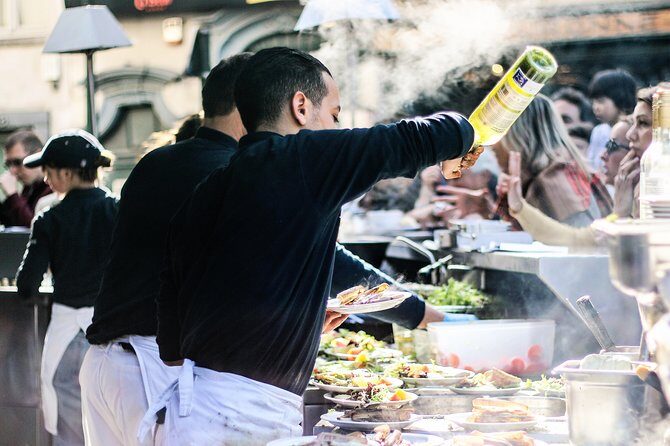
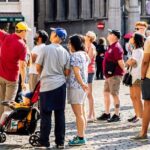
This isn’t one restaurant with a tasting menu. It’s a moving route. The tour is a walking tour designed for foodies, with multiple carefully selected eateries along the way. Since the format is “walk, snack, learn, repeat,” you’ll get a feel for how local food fits into everyday Brussels life.
The guides keep the flow comfortable. Based on real feedback, the pace is typically not frantic. Still, remember you’re on foot for the whole session. Brussels has its fair share of uneven pavement and cobblestones, so good shoes aren’t optional. Bring something with grip and cushion, especially if you’re visiting in damp weather.
Tastings can vary by season. That’s actually a good thing. It means you’re not guaranteed to get the same exact plate every time, but you are more likely to get what’s current and locally available.
Savory Stops: Fries in Beef Fat, Frikadelle, and Fish Croquettes
Here’s where the tour earns its reputation: the savory tastings lean hard into Belgian comfort food. Expect to work through a mix of hot, hearty bites that feel like they belong in the city, not on a photo shoot.
Fries cooked in beef fat
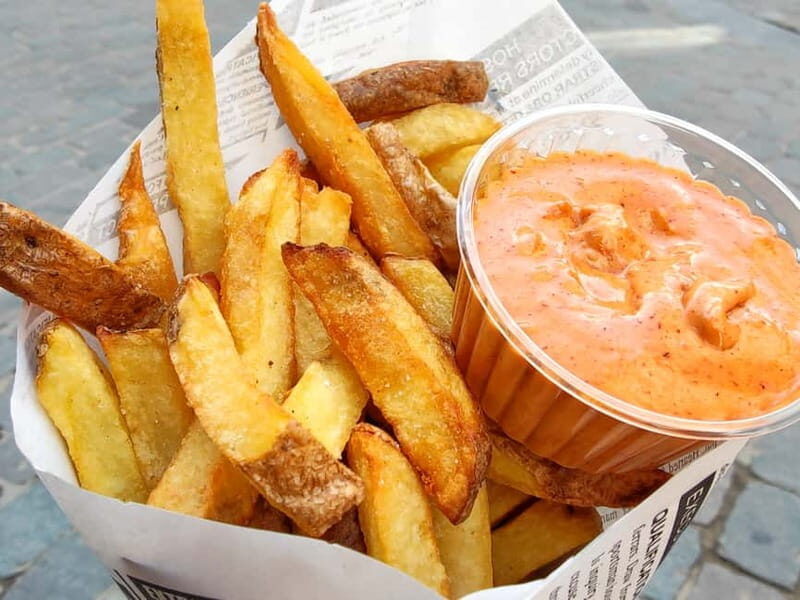
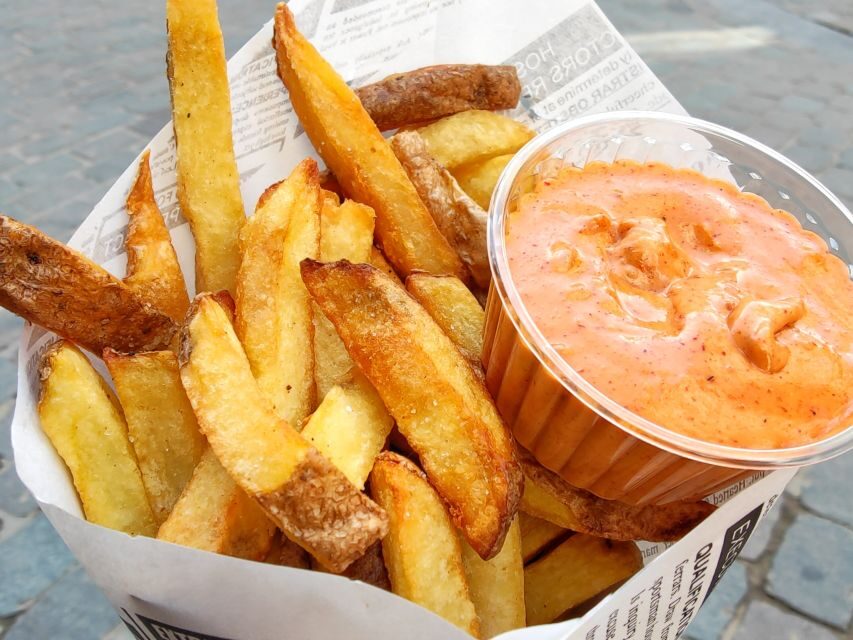
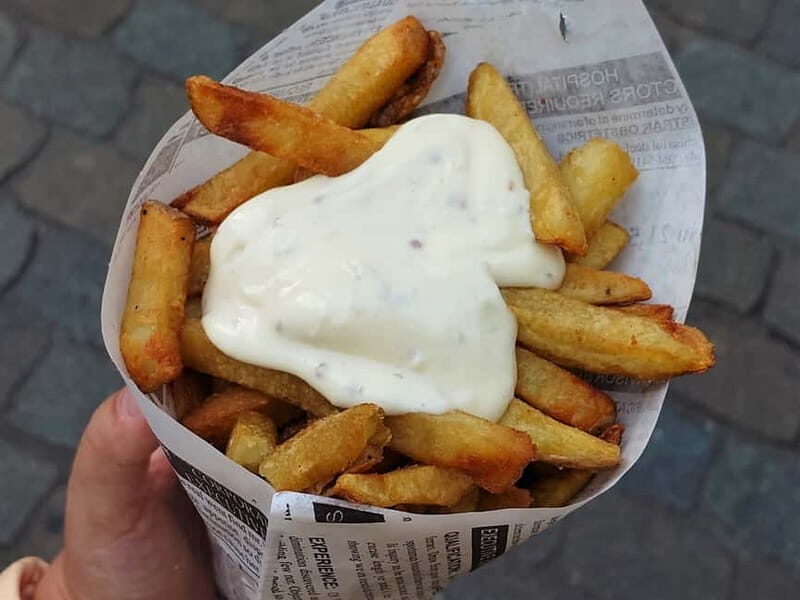
One of the most specific (and most Brussels) details you may encounter is fries cooked in beef fat. That flavor difference is real. If you grew up thinking fries are fries, this is the moment that changes your mind. It’s richer and more savory than you’d expect, and it pairs well with whatever dip or sauce the stop offers.
Practical tip: you’ll likely want to take your time here. Fries go fast, but you’ll enjoy them more if you slow down long enough to taste the fat-forward depth.
Homemade frikadelle
Next up can be a homemade frikadelle, which is essentially a classic meatball style dish. The homemade element is the key idea—this isn’t mass-produced. You’ll usually get a dense, flavorful bite with a comforting, old-school texture.
If you’re trying to understand what “Belgian comfort” means, a frikadelle is a good anchor. It’s not fancy. It’s satisfying.
A few more Brussels tours and experiences worth a look
Fresh fish croquettes
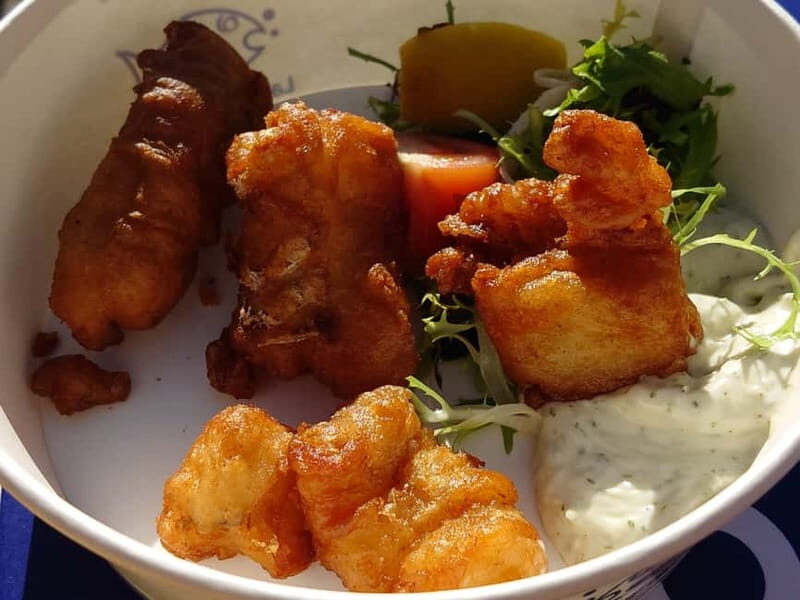
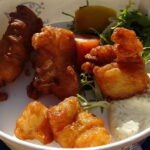
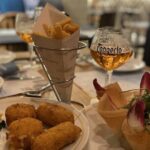
Another standout mentioned is fresh fish croquettes. Croquettes in Belgium aren’t just a snack. They’re a whole vibe: crispy outside, tender inside. If you like seafood but don’t want a full entrée, croquettes give you the best of both worlds.
The only consideration here is portion awareness. Each stop gives you a tasting. But if you take one bite too many at early stops, you may feel the crunch later at waffle and chocolate time.
Sweet Stops: Liège Waffles and Belgian Chocolate
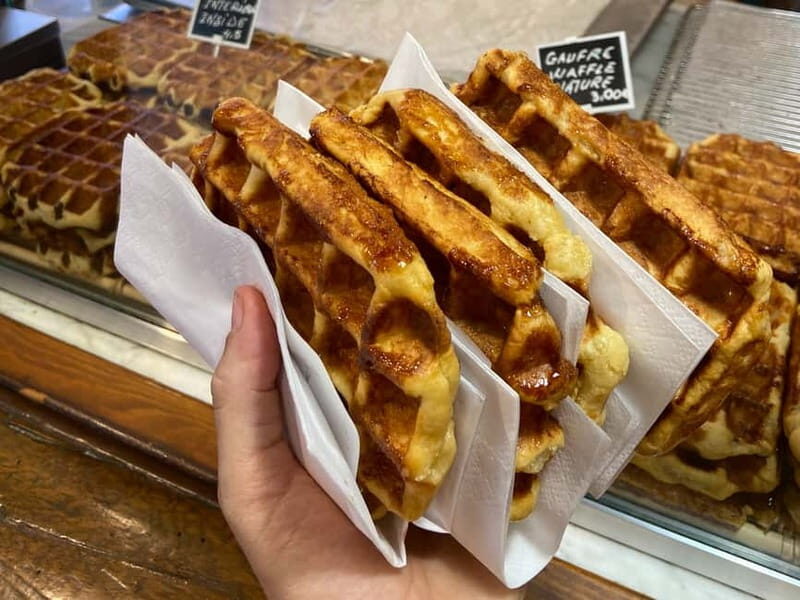
Then the tour flips you toward sugar. The switch from savory to sweet is one of the smartest parts of the experience. Your guide spaces tastings so you don’t crash. And once you hit the sweets, you’ll understand why Brussels is famous for desserts beyond beer.
Liège waffles
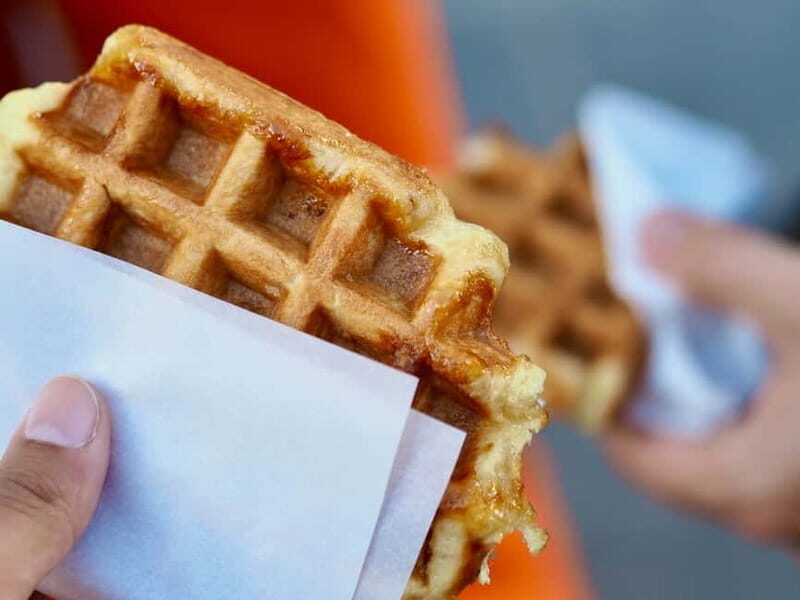
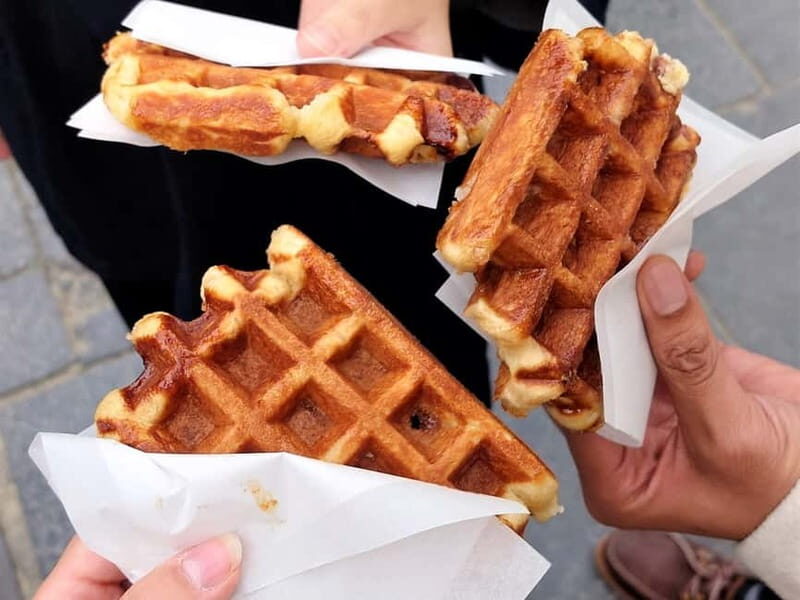
Liège waffles show up for a reason. They’re known for their thicker bite and caramelized sweetness, different from lighter waffle styles. When you’re eating this as part of a tour, it feels like a guided tasting of Belgian identity.
If you’re the type who wants to compare desserts side-by-side later, take a minute during this stop. Notice texture. Notice sweetness. Notice how the waffle holds up after a couple bites.
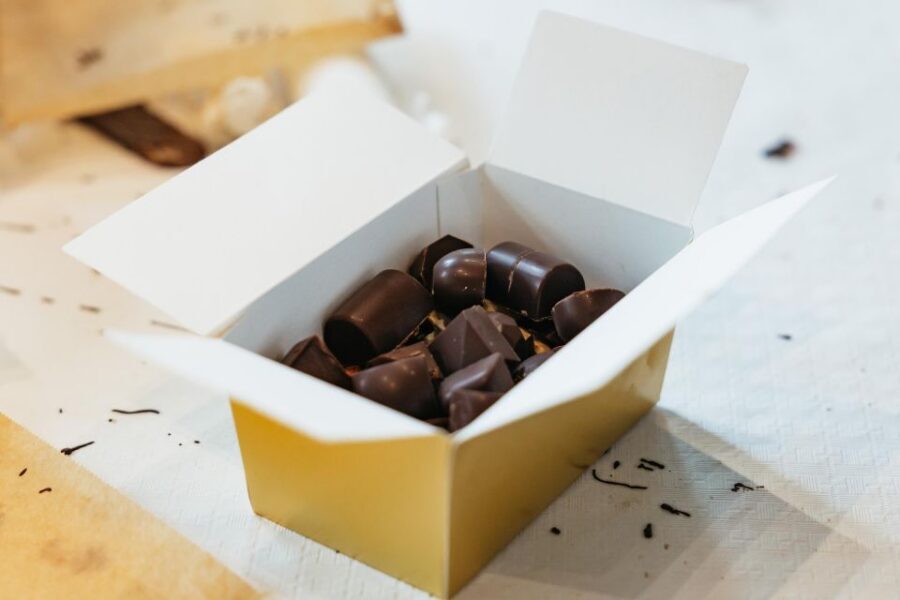
Belgian chocolate
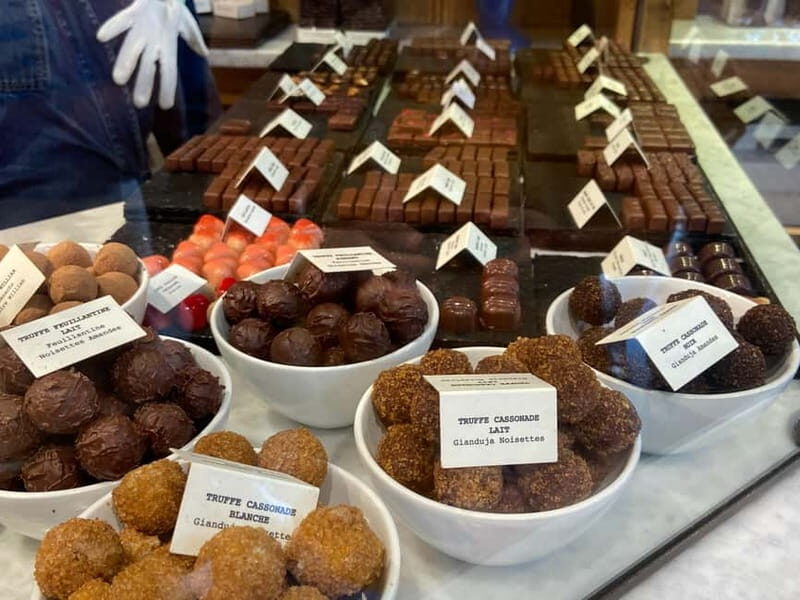
Belgian chocolate tends to be the “small moment” that turns into a big memory. You’ll get a tasting and the chance to learn what makes the flavor different from what you might find back home.
One tip: if you’re traveling with anyone who loves chocolate, decide early whether you want extra for later. Several people finish the tour wishing they had saved space to buy more. Your stomach will have opinions.
Vegetarian Options: How They Handle Substitutions Without Making It Awkward
This tour explicitly welcomes vegetarians, and that matters because food tours can sometimes feel like an afterthought. Here, vegetarian options are available, and guides are expected to handle substitutions while keeping the tour feeling cohesive.
In practical terms, it usually means you’ll still hit a mix of savory and sweet stops. You might not get the exact same version of every dish, especially where meat or fish are involved, but you should still get real Belgian food rather than filler.
One more advantage: being a vegetarian doesn’t automatically turn your tour into “less walking” or “less eating.” The goal is the same for everyone—taste Belgian culture through food.
Your Guide Makes the Whole Thing Work (Chloè, Olivia, Amélie, Marine, Antoine)
A food tour can be good even with mediocre guidance. But this one stands out because the human factor is strong. Several guides are praised by name, including Chloè, Olivia, Amélie, Marine, and Antoine.
What I look for in a great guide is simple:
- They can explain food in a way that makes you taste more, not just hear facts.
- They’re friendly and attentive to the group.
- They keep the route interesting, not only stop-by-stop eating.
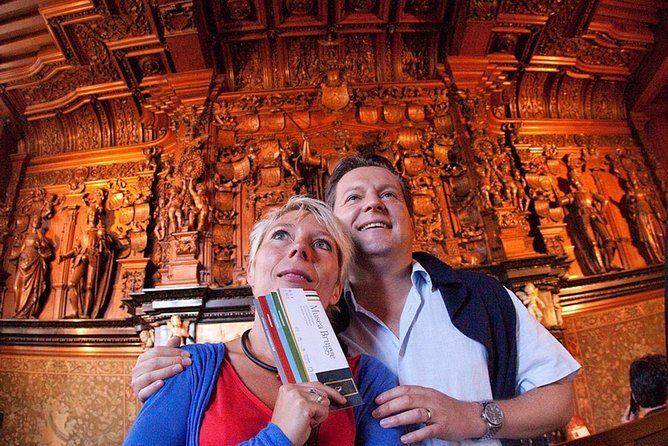
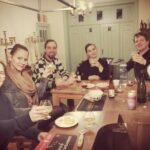
The feedback fits that pattern. People consistently mention that guides were engaging and warm, and that they made time for individual questions. Some tours also include history and culture context beyond the food, which helps Brussels feel less like a checklist and more like a place with reasons behind its dishes.
How Long You’ll Be Out, and Why That Timing Works
The duration is 3 hours. That’s the sweet spot for a food walk. Long enough to feel full-on experience. Short enough that you can still do a second activity the same day.
It also helps with energy management. Three hours means you can eat without getting stuck in a whole afternoon of heavy meals. You’ll still want that dinner plan, but you won’t feel trapped.
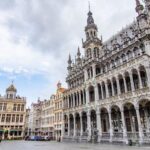
If you’re arriving in Brussels for only a short stay, this kind of tour can also act like a city orientation. You’ll see the historic center on foot and come away with recommendations for where to go next.
Price and Value: What $70 Buys You in Real Food
The price is listed at $70 per person, and the value mostly comes down to what’s included. You’re getting:
- a guided walking route
- the guide’s expertise
- multiple food tastings
With food tours, the biggest risk is paying for “a few bites” that don’t justify the money. Here, the tastings are described as plentiful, with a mix of savory and sweet stops. Mentioned items like fries in beef fat, frikadelle, fish croquettes, Liège waffles, and Belgian chocolate are not tiny tourist samples. They’re proper regional foods.
Also, the small group size matters for value. When the group is limited to 10, you’re less likely to feel like a number in a line. You can ask questions and actually hear the guide’s explanations while you’re eating.
So if you’re weighing this against DIY snacks, I’d frame it like this: you’re paying for convenience plus access plus context. That’s the combo that turns eating into a plan.
Practical Tips to Get the Most Out of It
A few smart moves can make this tour feel effortless.
Come hungry, but don’t panic
The tastings are described as a lot of food. People even run out of room and take sweets to go. So you want to arrive with an appetite, but you don’t need a meal beforehand that will numb your taste buds.
Wear walking shoes
Cobblestones are real here. You’ll be standing and walking between stops. A grippy sole helps. Also, consider carrying a light layer if the weather shifts.
Use your guide’s after-tour recommendations
Many people come away with lists of places to eat and things to do next. Even if you already planned dinner, take the advice seriously. It’s usually the kind of suggestion you can only get from someone who’s been on the route with real visitors.
If you’re solo, this is a good bet
Small groups tend to feel friendlier. You’ll have an easy way to meet people while still enjoying your own trip pace.
Who Should Book This Food Tour
I think it’s a great fit if you:
- want a food-focused introduction to central Brussels
- like trying multiple dishes instead of committing to one meal
- care about regional specialties like fries, fish croquettes, waffles, and chocolate
- prefer a small group experience with real interaction
It’s also a strong choice if you want Brussels history mixed into food talk. The tour is still about eating, but the guide’s commentary can help you understand why certain foods are tied to place and tradition.
If you’re someone who hates walking, this may be harder. But if you’re okay with a couple hours of city-center strolling, it’s a very efficient way to eat well and learn fast.
Should You Book? My Honest Take
Book it if you want a guided, high-satisfaction way to taste what Brussels does best—especially if you’re chasing that combo of savory comfort food and sweet Belgian classics. The small group format and the consistently praised guides (from Chloè to Olivia to Amélie and more) are a big part of why it feels worth it.
Skip it if you want a quiet, sit-down meal with no walking. Also skip if you’re sensitive to richer foods—some tastings include items like fries cooked in beef fat, and the portions add up.
FAQ
How long is the Brussels City Center Guided Food Tour with Tastings?
The tour lasts 3 hours.
Where does the tour start?
Meet your guide in front of Patatak on Rue de la Bourse.
Where does the tour end?
The activity ends back at the meeting point.
Is this a walking tour?
Yes, it is a guided walking tour.
What food is included?
All food tastings are included. The tour can include fries cooked in beef fat, homemade frikadelle, fresh fish croquettes, Liège waffles, Belgian chocolate, and more.
Are vegetarian options available?
Yes, vegetarian options are available.
How big is the group?
It’s limited to a small group of up to 10 participants.
What languages are the guides speaking?
The live tour guide speaks English and French.
How much does the tour cost?
The price is listed as $70 per person.
Can I cancel and get a refund?
Yes. You can cancel up to 24 hours in advance for a full refund.
Is payment required immediately?
You can reserve now and pay later, keeping plans flexible.