REVIEW · BRUSSELS
Choco-Story: The Chocolate Museum in Brussels
Book on Viator →Operated by Choco-Story Brussels · Bookable on Viator
Chocolate lessons beat another museum slog. Choco-Story Brussels turns chocolate history into a walk-through you control, with an audio guide to keep things flowing and a praline demo that makes the whole experience feel hands-on. You learn where cocoa comes from, how it becomes chocolate, and why Belgian chocolate became a serious point of pride.
What I like most is that you don’t have to commit to a strict schedule once you’re inside, and the tasting is built in rather than tacked on. The possible downside is simple: the rooms can get cramped and busy, and some interactive bits may not work perfectly, so go in with flexible expectations.
In This Review
- Key things to know before you go
- Chocolate history that doesn’t feel like homework
- The praline demo: short, sweet, and worth planning around
- Chocolate tastings: included, varied, and actually fun
- Touring the exhibits at your own pace
- The audio guide experience: helpful, sometimes long-winded
- What the museum gets right about value in Brussels
- Practical tips for a smooth visit
- Is it family-friendly?
- Who should book Choco-Story and who might skip
- Should you book this admission ticket?
- FAQ
- How long does Choco-Story Brussels take?
- Where is Choco-Story Brussels located?
- What language is offered?
- What’s included in the ticket price?
- Is food or a guide included?
- What time is the last entrance?
- Is there a cancellation window?
Key things to know before you go
- Live praline making is the highlight, and it’s short enough that you can still enjoy the rest of the museum afterward
- Chocolate tasting is included, with dark or milk options and extra tastings tied to the demonstration
- Audio translation support helps you move at your pace through the exhibits
- Museum created by the Van Belle and Van Lierde families in May 2014 to promote quality Belgian chocolate
- Interactive games and stations can be hit-or-miss, so reading the story and watching the demo matters most
- Optional VR on cocoa costs extra (5 euro, if offered during your visit)
Chocolate history that doesn’t feel like homework
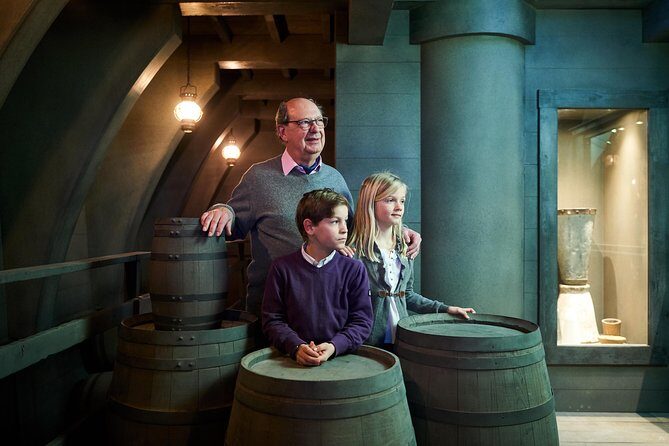
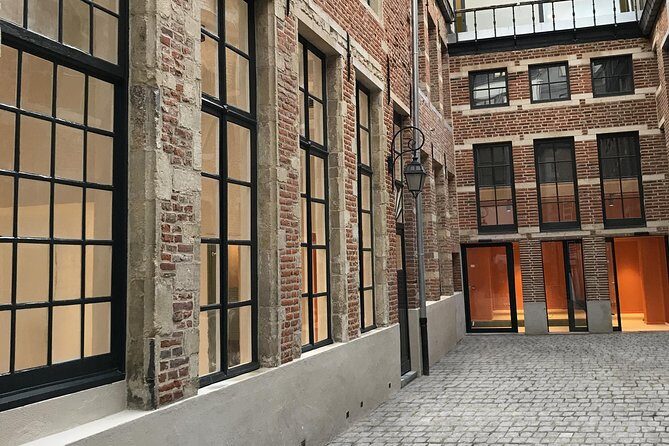
Choco-Story Brussels sits in the Grand Place area, so it fits naturally into a day of walking and wandering. This is not a huge museum. It’s designed for a focused visit of about 1 hour 30 minutes. That matters in Brussels, where you can fill your day fast and still end up tired.
The big idea here is straightforward: chocolate is a global commodity with a local identity. The museum explains how it starts with cocoa and ends up as the finished product we buy, unwrap, and snack. You’re not just staring at chocolate-themed posters. You’re moving through rooms built around the story, with tastings and a live demonstration as anchors.
And because you visit at your own pace, the museum works even if your group has different energy levels. I like that. One person can linger at the facts. Another person can zoom through and come back for another taste moment.
You can also read our reviews of more museum experiences in Brussels


The praline demo: short, sweet, and worth planning around
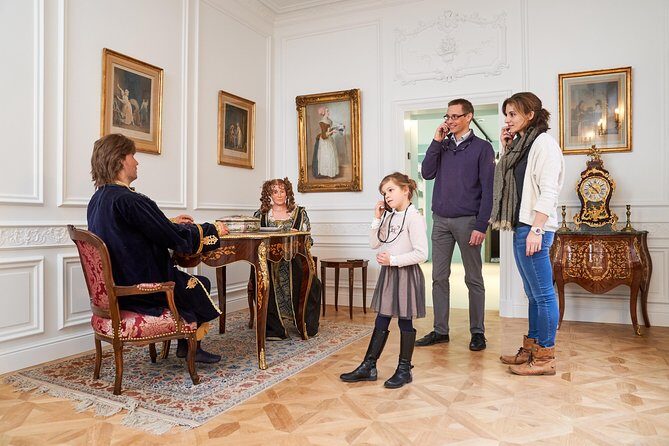
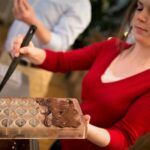
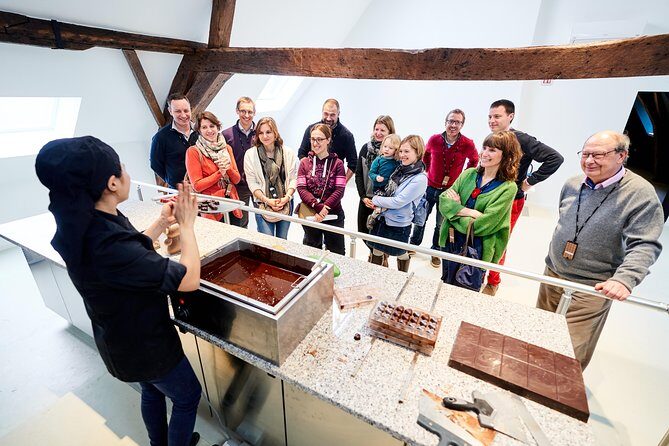
The main performance is the master chocolate-maker preparing pralines right in front of you. This is where your eyes watch what your hands can’t do. Even if you’re not a hardcore foodie, you’ll pick up the rhythm: mixing, shaping, finishing, and then turning the final result into something you can actually sample.
Plan your timing so you see the demo in full. The demo doesn’t run all day without gaps. You may have a first slot and a later one, and if you walk in after a session has started, you could catch only the ending. One important practical tip: the demonstration time can vary by day, so if you arrive and think you just missed it, ask on the spot instead of guessing.
Also, keep expectations realistic about duration. The chocolate-making portion you watch is often described as brief, around 10 minutes. That’s not bad. It means you get the show without losing half your afternoon. If you want the full experience, I’d treat that demo like a “main course,” then pace yourself through the exhibits afterward.
If you care about the spoken commentary, don’t assume it will be perfect. One participant found that the chocolatier’s English was less smooth than expected. The good news is that much of the process is visible, and you’ll still learn from the visuals plus the audio support.
Chocolate tastings: included, varied, and actually fun
This admission includes chocolate tasting. In practice, you should expect a couple of sample rounds, usually including dark and milk chocolate options (people describe chocolate in barrel-like forms). If you attend the demonstration, you can often get an extra tasting tied to what you just watched.
That’s a smart design choice. Museums sometimes offer one tiny bite and call it a day. Here, tasting is part of the flow, so you get to compare and think while you eat. Even if your taste skills are limited to sweet versus less sweet, it still clicks. You start noticing how different textures and flavors come from the process.
If you’re traveling with kids, tastings are a built-in “yes” moment. It makes waiting less painful and keeps attention on track.
Touring the exhibits at your own pace
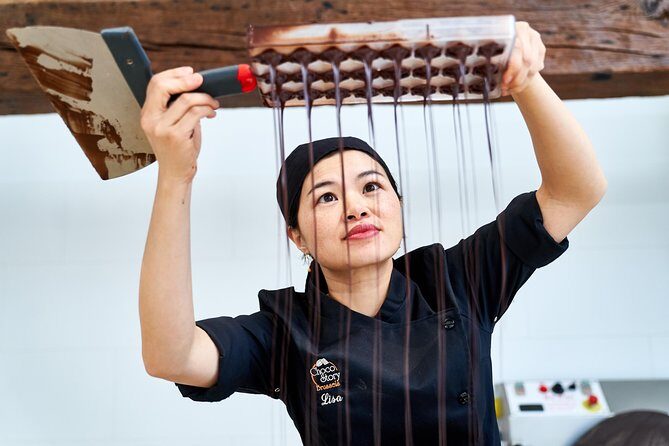
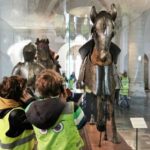
Once you’re in, the museum feels like a story you walk through rather than a script you have to follow. You start learning about the history of chocolate and cocoa: where it came from, how it traveled, and how it became the product people crave. Then it gets more practical, explaining how cocoa transforms into chocolate.
Because it’s self-paced, your visit becomes flexible:
- If you love history, you can lean into the background and social angle of chocolate.
- If you mainly want the fun parts, you can focus on the demo and tastings, then skim the exhibition rooms at a comfortable speed.
Most people don’t finish instantly. A common range seems to be around 45 minutes to an hour, but if you move slowly, read carefully, and catch the demo properly, you can easily fill the approximate 1.5 hours.
One small heads-up: some interactive stations and games may be unreliable. That doesn’t ruin the visit, but it changes how much you should “count” on touch-screen elements for entertainment. I’d treat the audio guide and the live demo as the core. The extra interactive bits are bonuses, not the foundation.
The audio guide experience: helpful, sometimes long-winded
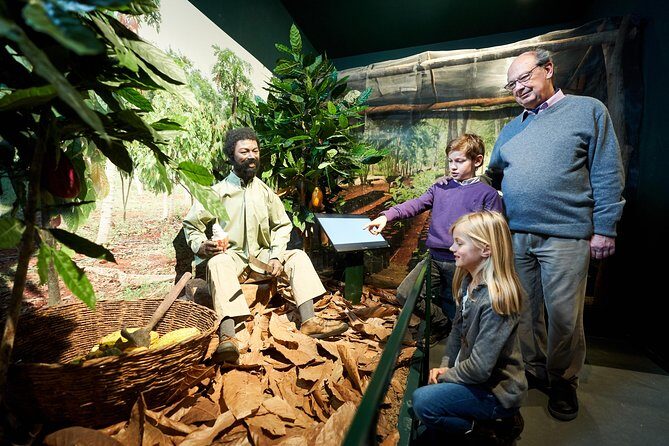
The museum includes an audio guide experience with translation support. For many visitors, it makes the exhibits click. Instead of just scanning placards, you get context as you walk from room to room. That’s especially useful when you want the story of cocoa and chocolate without turning your visit into a reading contest.
That said, one person found the audio too long-winded. Another mentioned their audio worked well for the placards but had trouble with activity centers. So the practical takeaway is this: if you like short, punchy explanations, you might want to move faster through the exhibits. If you love full context and don’t mind longer storytelling, the audio guide is a big plus.
If you’re traveling with multiple languages in your group, audio is one of the easiest ways to keep everyone together while still getting personal understanding.
A few more Brussels tours and experiences worth a look





What the museum gets right about value in Brussels
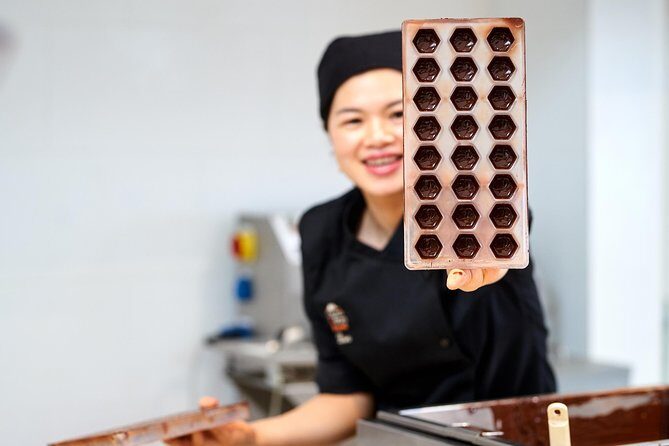
At about $19.17 per person, Choco-Story sits in the “reasonable treat” category for central Brussels. You’re not paying for a meal, and you’re not paying for a whole guided day. Instead, you’re paying for a tight, structured experience: history, a real demonstration, and tasting included.
That combination is what makes the price feel fair. A short visit with a live show and samples beats many museums where the only payoff is reading and a gift shop receipt.
The fact that the museum limits the group size helps too. With a maximum of 15 travelers, it doesn’t feel like you’re swallowed by a crowd the moment you step into the main areas. Still, some rooms are cramped, so even a small group can feel tight when everyone is trying to watch the same demo.
Optional add-on note: there’s a VR exhibit about the story of cocoa, and one visitor reported it costs an extra 5 euro. If you enjoy tech-based learning and have time, it’s a nice complement. If you’re short on time, you can skip it and still get the essential story.
Practical tips for a smooth visit
Choco-Story is near public transportation, which matters because Brussels involves lots of tram and metro hops. This museum is easy to slot into a day without adding transit stress.
Here are the practical things I’d plan for:
- Give yourself time for the demo. If you want to see the full praline process, arrive with enough buffer.
- Aim for around 1 to 1.5 hours. If you end early, you’ll just have more time for Brussels streets and cafés.
- Expect some room-to-room squeeze. Strollers are possible, but spaces can feel tight in certain sections.
- Don’t rely on every game working. The story and audio keep the visit valuable even if interactive elements act up.
Also, there’s a last entrance at 5:00pm. If you’re planning a late afternoon stop, don’t assume you can stroll in anytime. Build it earlier rather than gambling on timing.
Is it family-friendly?
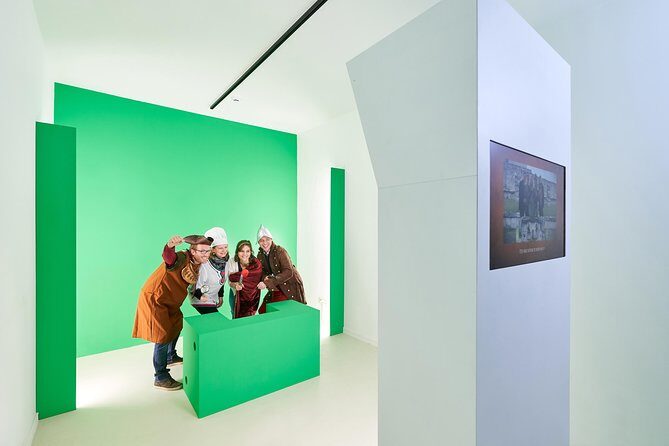
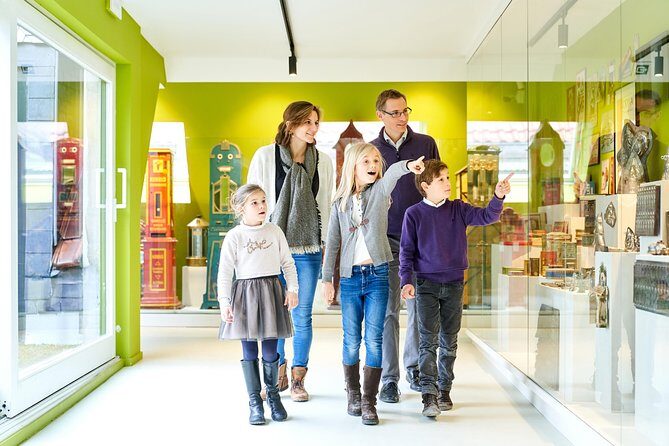
Yes, it’s a good family pick. The museum is set up for all ages, and one review specifically called it child-friendly. Just remember: children must be accompanied by an adult.
For kids, the live chocolate-making and tasting are the main magnets. For parents, the payoff is that the visit is short, structured, and doesn’t require a big attention span. You can keep it simple: demo first, then taste, then a relaxed walk through the story.
Who should book Choco-Story and who might skip
You should book this if you want:
- A short, ticketed activity that works well in a packed Brussels day
- A chocolate experience with both history and hands-on watching
- Included tasting, so you’re not hunting for chocolate later
You might choose something else if:
- You want a large-scale museum with major wow-factor galleries
- You’re hoping for repeated live demonstrations throughout your visit rather than one main demo
- You dislike audio guides and prefer purely visual exhibits
If your group is split—one person loves chocolate, one person likes facts—you’ll likely land on the happy middle here. The museum doesn’t demand you care about every historical detail. It just gives you the option.
Should you book this admission ticket?
I’d book Choco-Story Brussels if you’re spending time near the Grand Place and you want an easy, structured break with real chocolate rewards. The value comes from the mix: included tastings, a live praline demo, and an audio-supported path through the cocoa-to-chocolate story. At around 19 dollars, it’s not cheap-cheap, but it also doesn’t pretend to be a full-day attraction.
Book it especially if you travel with kids or you’re the kind of traveler who likes a museum that ends with something edible. Just time your arrival so you catch the demonstration, and go in expecting a compact space that can get busy.
FAQ
How long does Choco-Story Brussels take?
Plan for about 1 hour 30 minutes for the experience.
Where is Choco-Story Brussels located?
It’s in Brussels, near public transportation and in the Grand Place area.
What language is offered?
Admission is offered in English.
What’s included in the ticket price?
The ticket includes chocolate tasting.
Is food or a guide included?
Food and drinks are not included. A guide is not included.
What time is the last entrance?
The last entrance is at 5:00pm.
Is there a cancellation window?
Yes. Free cancellation is available, and you can cancel up to 24 hours in advance for a full refund.