REVIEW · GHENT
Discover Ghent while playing! Escape game – The alchemist
Book on Viator →Operated by Coddy · Bookable on Viator
One street game can beat a boring itinerary, hands down. In Ghent, The Alchemist turns city sightseeing into a live mystery you follow step-by-step on your phone, with puzzles and missions scattered around key spots. I love how the game story is built around a real question—why a villager is accused of witchcraft—and how you’re constantly making choices as you go. I also like that it’s designed for a small team, so you can work together without needing a guide. One thing to consider: it leans heavier on storyline in between tasks, so if you want lots of constant mini-challenges, you may wish you picked a more discovery-focused format.
This is a self-guided urban escape game that you can start anytime between midnight and 11:30 p.m., with about 2 hours of playtime. It’s also very practical for friends and families because you’re not tied to a fixed group tour schedule—you just show up, start your app, and walk. Still, it is a walk-based game, so plan for comfortable shoes and expect you’ll cover quite a bit of ground.
In This Review
- Key things to know before you go
- The Alchemist story: witchcraft accusations and your final decision
- Where you meet in Ghent and how the city walk works
- Using the smartphone app: easy teamwork, clear prompts
- Pacing in a 2-hour game: how to keep momentum
- Price and value for groups up to six
- What you’ll likely do at each stop (and why it adds up)
- Who this is best for (and who might want a different format)
- Quick FAQ for The Alchemist escape game in Ghent
- FAQ
- Where does The Alchemist start?
- What’s the end point?
- How long does the game last?
- How much does it cost?
- What exactly do we do during the game?
- Do we need a smartphone?
- Is it a private experience?
- When can we play?
- What’s the story about?
- Can service animals join?
- Should you book The Alchemist in Ghent?
Key things to know before you go
- Smartphone-guided route through Ghent: your app leads you between points of interest and tells you what to do next.
- Story-driven mystery about witchcraft: you investigate a witchcraft accusation involving a villager named Josyne.
- Team size up to 6: one group plays together, ideal for families, friends, and coworkers.
- Two-hour adventure window: plan to stay flexible and ready to walk for the full session.
- Choose your side in the story: you eventually defend Josyne or support the accusation.
- There’s a choice of game styles: Coddy runs mystery scenarios like this and other discovery games called Geheimen van … for more city info.
The Alchemist story: witchcraft accusations and your final decision

The Alchemist is built like a mini legal drama mixed with puzzle hunting. You play the role of an alchemist investigating a strange accusation of witchcraft aimed at a villager—Josyne. As you move through Ghent, you’ll meet the story through different witnesses, and each stop adds a piece of the case.
What makes this work well is that the game isn’t just about finding answers; it’s about weighing them. The app sets up tasks where you solve puzzles and complete missions, then uses those results to shape what you believe. By the end, you’ll have to choose your stance: will you defend Josyne, or support the witchcraft accusation?
If you like mysteries where you’re actively trying to figure out what’s true, this is the fun part. You’re not simply reading facts off a sign. You’re doing small “detective work” while you see the city.
One heads-up from the way the format feels: the pacing can be uneven. The storyline can stretch out between assignments, so if you’re the type who wants a tight loop of puzzle after puzzle, you might find the “story bits” take up more time than expected. If that sounds like you, it can help to think of this as a story you solve, not a puzzle marathon with constant tasks.
You can also read our reviews of more tours and experiences in Ghent.



Where you meet in Ghent and how the city walk works

You start at Sint-Veerleplein, 9000 Gent, Belgium, and the activity ends back at the same meeting point. That round-trip matters more than it sounds. It means you’re not stuck wondering how to get back once your session ends—useful when you’re traveling with kids, or when your group split up earlier in the day and needs a simple anchor.
The app guides you from point to point, and at each location you’ll complete whatever that station requires—usually a puzzle and sometimes a mission. The exact stops aren’t listed here, but the general rhythm is clear: walk, arrive, read the prompt, solve, move on.
Also, you get a real sense of how Ghent connects visually. People who like “city highlights” usually enjoy the way a game route threads together important places rather than random streets. The walk is part of the experience, not a detour.
The main consideration is physical. Expect walking. The game is built around an urban route, and some teams find the total distance noticeable. Comfortable shoes are not optional. And if the weather turns (it can in Belgium), treat it as a game-with-a-weather-plan: keep your pace steady and don’t let rain steal your attention from the clues.
Using the smartphone app: easy teamwork, clear prompts

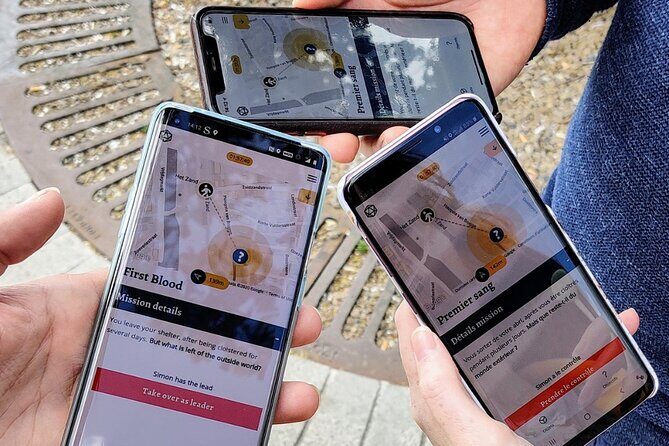
You only need your smartphone. That’s a big part of the appeal because you’re not waiting around for check-in with a human guide. Instead, the mobile app becomes your game host: it leads you, gives missions, and helps you keep track of where you are in the story.
For a group of up to six, this tends to create good teamwork. One person can take the lead on reading the prompt, another can test puzzle ideas, and others can scan the area for whatever the app is hinting at. The missions are generally approachable; you’re not likely to need escape-room-level trick skills.
There’s also a nice optional layer if your group likes context. If you want, you can read more about the history of each attraction as you play. That turns the session into something that works for mixed interests: some people get the game, others enjoy the background.
Practical note: since you’re relying on your phone, make sure you’re ready to use it for the whole two hours. Keep it charged before you start, and be mindful of battery drain if your app uses GPS and screen brightness.
Pacing in a 2-hour game: how to keep momentum
The total duration is about 2 hours. That’s long enough to feel like you did something real, but short enough that you won’t spend your entire day stuck indoors or in transit.
Here’s how I’d think about pacing with a team:
- Don’t let one tricky puzzle stall the whole group.
- If someone feels stuck, rotate roles and try another approach.
- Keep talking. The best teams use the chat energy to connect clues to what they see outside.
The game includes a clock-like tension in the sense that it’s competitive and time-aware for many groups, especially when everyone is trying to solve quickly. You’ll feel that “ready, steady, go” vibe as you progress.
One more timing detail: you can start between 12:00 a.m. and 11:30 p.m. That gives you flexibility, but it also affects the vibe. Late starts can feel more mysterious, while earlier evenings can be more comfortable for families and less stressful for kids. Either way, the experience is designed to work within that daily window.
Price and value for groups up to six
The price is $23.16 per group, up to 6 people. That’s the key value angle here: the cost doesn’t scale per person, it scales per team.
So if you’re traveling solo or as a couple, the per-person cost can be higher than it looks at first glance. But if you’re a family, a pair of friends, or a small group, it becomes a very cost-friendly way to do something active that also teaches you about Ghent along the route.
I also like that it’s priced for “short commitment.” You’re buying a solid two-hour experience, not a half-day tour with long transportation gaps. If your schedule is tight or you want a night activity that doesn’t require a reservation with a guide, this kind of game fits well.
And since it’s booked with an average lead time of around 8 days, it’s usually worth grabbing a slot when your plans are settled.






What you’ll likely do at each stop (and why it adds up)

You’re moving through a sequence of locations where the app presents tasks connected to the story. In practice, that means:
- solving puzzles tied to witness clues
- completing missions linked to the accusation case
- using what you discover to decide how you interpret what you hear
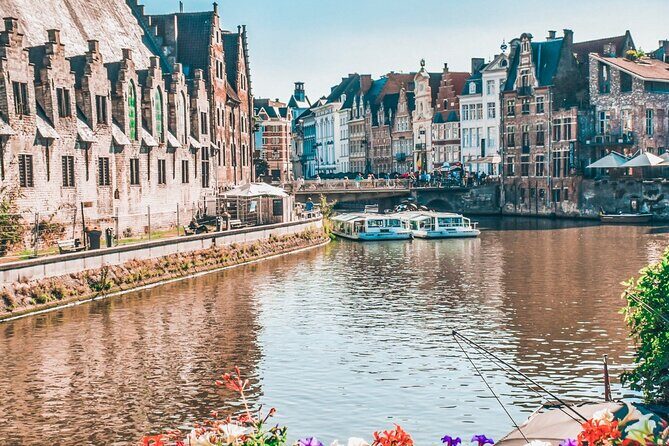
Why this works in Ghent specifically is that the city is made for wandering. Ghent has a lot of visual texture—architecture, street corners, and landmarks that feel like they belong in a mystery. Even without a traditional guide, the game format makes you slow down and look, because the prompt usually expects you to notice something.
And then there’s the optional reading layer again. When you take the time to read the added background about each attraction, the game stops being only entertainment and becomes a learning loop you can actually remember. You’re linking what you solved to what you saw.
The only caution is the balance between story and assignments. The experience can feel like a longer narrative with fewer tasks than some people expect. If your group loves puzzles more than plot, you might prefer a more discovery-heavy format like Geheimen van … (same overall idea of exploring by app, but with city focus rather than a pure mystery scenario).
Who this is best for (and who might want a different format)

This is a great match if:
- you want a fun way to see Ghent without a fixed guided tour
- you enjoy puzzles, riddles, and problem-solving as a group activity
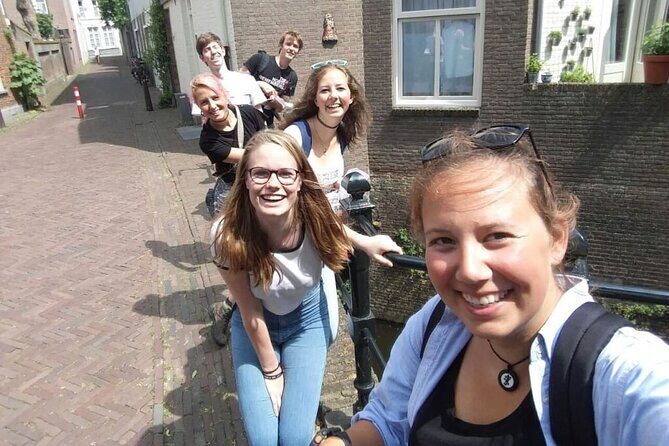
- you’re traveling as a family or small team and want everyone involved
- you like the idea of a city game that can be both entertaining and informative
It also fits well for small “team building” type outings. The competitive element and shared goal naturally create conversation, and the structure keeps people from wandering off and losing the group.
It might be less ideal if:
- your group expects constant puzzle-heavy action with minimal storyline
- you prefer to do only light walking or no walking at all
- you don’t want to spend time reading prompts on your phone (even though the tasks are generally easy)
In other words: if your ideal travel day is part sightseeing, part interactive challenge, The Alchemist is a strong pick.
Quick FAQ for The Alchemist escape game in Ghent

FAQ

Where does The Alchemist start?
It starts at Sint-Veerleplein, 9000 Gent, Belgium.
What’s the end point?
The activity ends back at the same meeting point.
How long does the game last?
It lasts about 2 hours (approx.).
How much does it cost?
It costs $23.16 per group, for up to 6 people.
What exactly do we do during the game?
You walk around Ghent while the mobile application guides you to points of interest where you solve puzzles and/or complete missions.
Do we need a smartphone?
Yes. The game is guided by a mobile application, and you only need your smartphone.
Is it a private experience?
Yes. Only your group participates.
When can we play?
You can access the game anytime between midnight and 11:30 p.m.
What’s the story about?
You investigate an accusation of witchcraft involving a villager named Josyne, and you’ll work toward a conclusion that can defend Josyne or support the accusation.
Can service animals join?
Yes, service animals are allowed.
Should you book The Alchemist in Ghent?
If you want a night or evening activity that mixes sightseeing with real participation, I’d book it. It’s good value for groups because the price is per team (up to six), and the smartphone format keeps it flexible while still giving you a clear route and tasks.
I’d choose it especially if your group enjoys puzzles, enjoys walking, and likes stories you can influence through your choices—defending or accusing Josyne is the kind of finish that makes the game feel complete.
Skip it (or think twice) if your top priority is constant puzzle action with almost no narrative. This one can feel more like a mystery story you solve at intervals than a rapid-fire puzzle sprint.
Bottom line: The Alchemist is an engaging, low-stress way to experience Ghent differently—one where your team learns as you go, not only from guide talk, but from doing the case itself.