REVIEW · BRUGES
Discover the secrets of Bruges by playing!
Book on Viator →Operated by Coddy · Bookable on Viator
Bruges can feel like a postcard. This game turns it into a scavenger hunt with 20+ missions and a smartphone guide that keeps you moving street by street. I especially like how the challenges push you to notice details you’d normally miss, and how the route mixes big-name landmarks with smaller city-center spots you might never wander into.
The main thing to consider is that it is puzzle-driven. If you’re not into riddles, or if your phone battery is shaky, you’ll want to plan carefully since the game needs a charged smartphone.
In This Review
- Key highlights you’ll feel right away
- How the Bruges smartphone missions actually work
- Price and value for a private team of up to 6
- Starting at Jan van Eyckplein: a good “basecamp” feeling
- Rozenhoedkaai: Quai du Rosaire waterfront clues
- Belfort: the landmark stop that teaches you to look smarter
- The Princely Beguinage Ten Wijngaarde: peaceful, puzzle-friendly, and different
- Onze-Lieve-Vrouwekerk: finishing with a strong sense of place
- Why the riddles feel like real Bruges learning (not just busywork)
- Small groups (2 to 6) and why teamwork helps the most
- Practical expectations: pace, phone needs, and what’s not included
- Support, photo recap, and keeping the game for years
- Who should book this Bruges by-playing experience?
- Should you book Explore Bruges by playing?
- FAQ
- How long does the Explore Bruges smartphone game take?
- What language is the game offered in?
- How many people can play at once?
- Where does the game start?
- Where does the game end?
- Is a smartphone included?
- Is food or drink included?
- What’s included besides the game itself?
- What are the opening hours?
- What if I need help during the game?
- What is the cancellation policy?
Key highlights you’ll feel right away
- 20+ missions that make you slow down and look
- A virtual character who follows you and gives clue-style prompts
- Two-hour play target, with the option to go at your own pace
- Small-team format (up to 6) for easier teamwork
- Photo recap at the end so you finish with something tangible
How the Bruges smartphone missions actually work
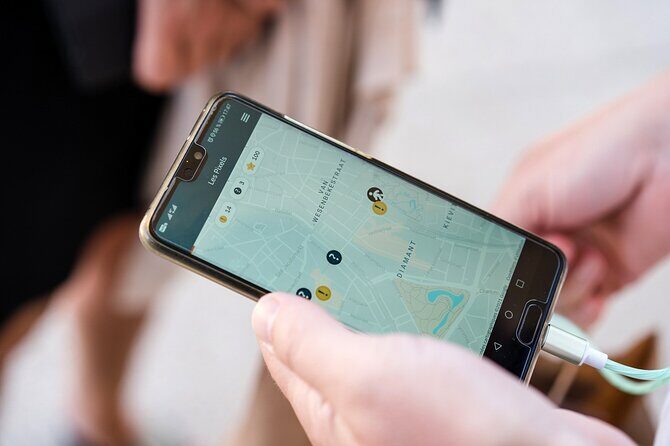
Instead of a lecture, you get an interactive route. You start in the historic core and a “curious” virtual character stays with you through the streets, throwing out riddles and puzzle challenges. The goal isn’t speed for speed’s sake. It’s observation. You’ll investigate the clue in the streetscape—sometimes at an obvious tourist photo spot, sometimes in a quieter pocket where you’d only land if you were actively searching.
That approach is why this kind of activity works so well in Bruges. The city is dense. You can hop from one viewpoint to the next in minutes, but without a plan you can also spend that time just wandering. With missions, your walking has purpose. You’re not just collecting sights—you’re collecting answers.
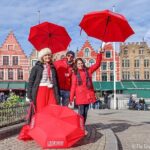
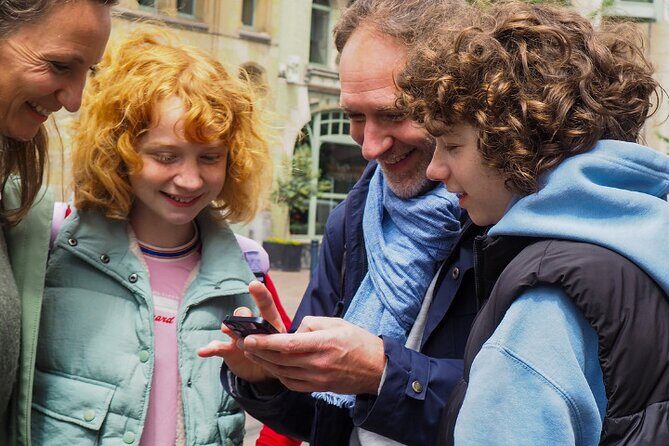
It’s also designed for real teams. This is listed as a private activity for your group, with room for 2 to 6 people. That range matters. In a group of two, you can trade leads and debate answers. In a group of four or six, people split tasks—one reads clues, another scans facades and corners, another checks the next location.
You can also read our reviews of more tours and experiences in Bruges.
Price and value for a private team of up to 6
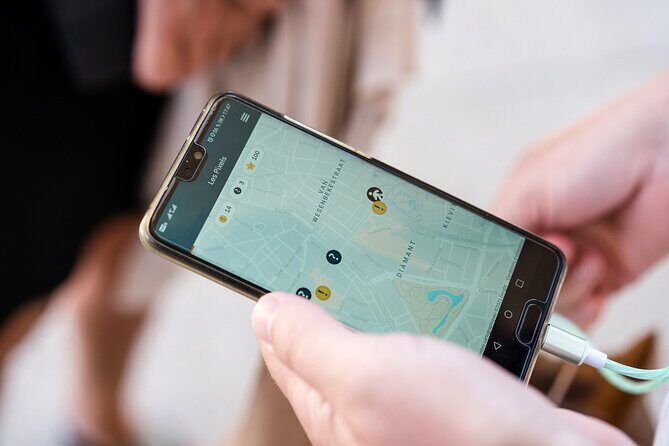
The price is $29.79 per group (up to 6), which is one of the better deals for Bruges activities if you’re traveling with friends or family. The math is simple: if you’re two people, it’s more per person. If you’re closer to six, it becomes a bargain compared with typical guided excursions.
You’re also buying flexibility. The game runs about 2 hours (approx.), but you can finish in that time or stretch it out at your own pace. That’s valuable if you want to pause for photos, take breaks, or slow down because you’re enjoying the hunt.
What you should not expect at this price: a traditional guide with live narration all the way through. This is self-led, with online support if you need it, plus riddles instead of spoken storytelling.
Starting at Jan van Eyckplein: a good “basecamp” feeling
You’ll meet at Jan van Eyckplein, 8000 Brugge, and the activity ends back at that same meeting point. That loop is practical. After two hours (give or take), you’re not stuck figuring out how to get back across town.
The game is available daily from 12:00 AM to 11:30 PM within the listed validity window. So you’re not forced into one narrow time slot like some tours. If you’re traveling with kids, or you simply like choosing the time when the streets feel calmer, that matters.
One more detail that helps: you’ll receive confirmation at booking, and service animals are allowed. Those are small points, but they reduce uncertainty.
Rozenhoedkaai: Quai du Rosaire waterfront clues
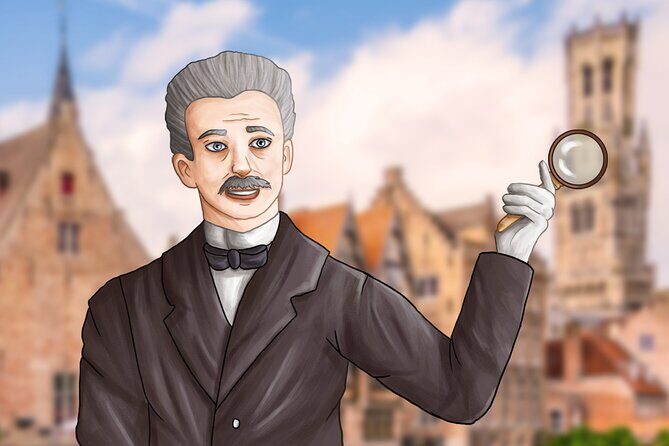
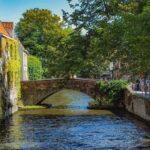
Your first stop is Quai du Rosaire / Rozenhoedkaai. This is a classic Bruges canal setting, and it’s a smart place to start. You get an immediate sense of the city’s layout—water, bridges, and the packed-in architecture that makes Bruges so photogenic.
Why this stop works for the game: your eyes are already primed for photos, but the missions ask you to go beyond the obvious. You’ll be looking for clue-relevant details rather than just admiring the view.
A practical note: waterfront areas can feel breezy, and you’ll likely be standing still at moments to read clues and solve. Wear shoes that handle uneven stone, and bring a phone lanyard or secure grip if you’re holding the device while thinking.
Belfort: the landmark stop that teaches you to look smarter
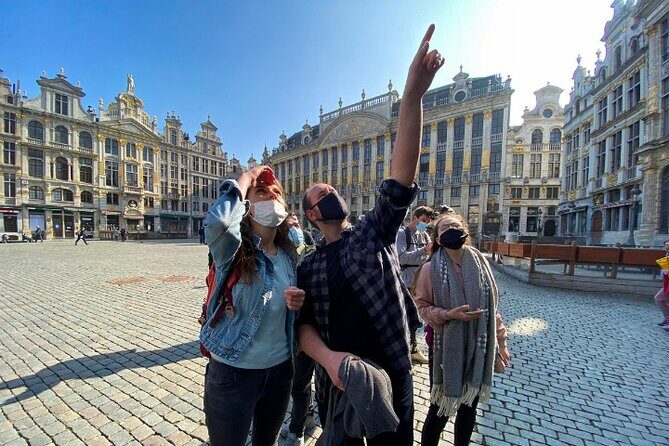
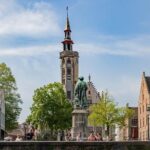
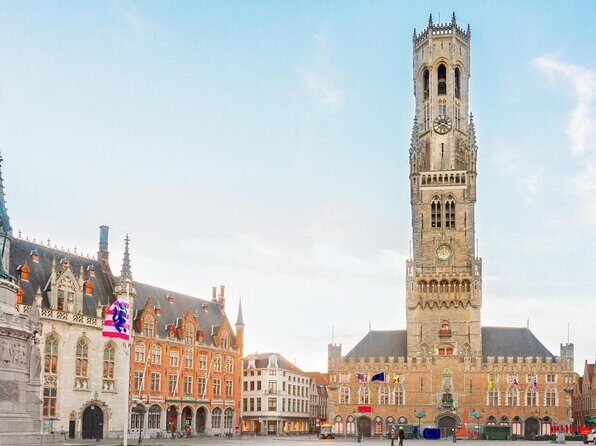
Next you head to Belfort. This is one of Bruges’s signature landmarks, so it naturally grounds your game in something everyone recognizes.
Here’s what I like about using a big-name site mid-route: it gives you an easy mental checkpoint. Once you reach Belfort, you can orient yourself and understand how the missions are guiding you through the historic core.
But the challenge isn’t just location—it’s interpretation. You’ll solve riddles that connect to what you see around you. The upside is that it keeps you from treating Belfort like a quick photo stop. You’re forced to look at facades, angles, and surrounding details as puzzle pieces.
If you’re the kind of traveler who enjoys architecture but usually forgets what you saw five minutes later, this format helps you remember because you connect the view to an answer.


The Princely Beguinage Ten Wijngaarde: peaceful, puzzle-friendly, and different
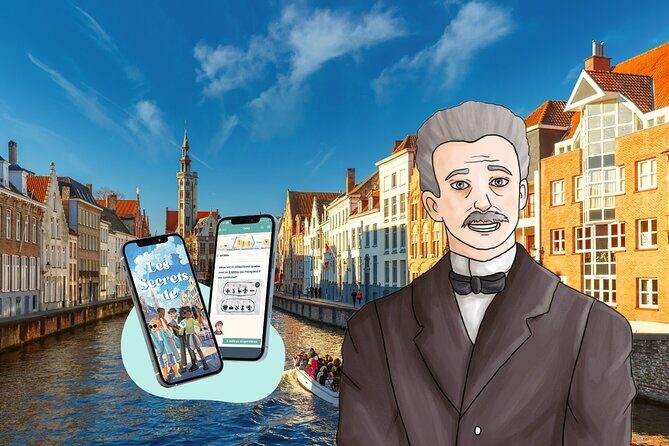
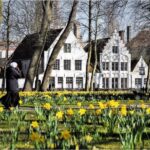
Stop three is The Princely Beguinage Ten Wijngaarde. This shifts the mood from “main-sight” energy to something calmer. Beguinages often feel like a different pocket of the city—less like a thoroughfare, more like a quiet world of its own.
In a self-guided game, that kind of change is important. Bruges can overwhelm you if every minute is another crowd and another building facade. This stop gives your brain a break while still staying within the challenge format.
What makes it ideal for missions: the atmosphere encourages slower walking and careful reading of clue prompts. You’re more likely to notice the smaller visual cues that puzzles depend on when you’re not rushing through a busy plaza.
If you’re traveling with families, this is also a good moment. Several reviews highlighted that the game is accessible and not too long, and beguinage-style settings often keep kids engaged without the pressure of constant motion.
Onze-Lieve-Vrouwekerk: finishing with a strong sense of place
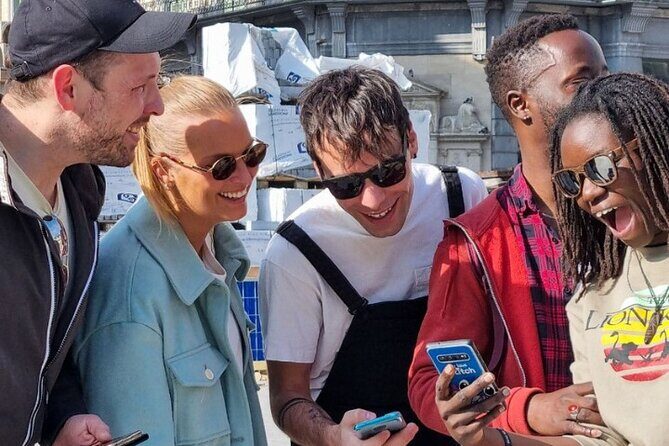
Your final listed stop is Onze-Lieve-Vrouwekerk. A major church in Bruges has that unmistakable “you’ve arrived” feeling. Ending here helps the whole experience land with a sense of weight.
For the game, it’s also a fitting finale. Church areas tend to offer lots of visual detail—so there’s material for riddles to point you toward. Instead of ending with a simple wander, you finish by solving and confirming answers in the most recognizable part of the route.
From a travel perspective, finishing at a landmark means it’s easier to convert what you did into what you’ll remember later. You can look back at the photo recap and connect your solved clues with the place you were standing when it clicked.
Why the riddles feel like real Bruges learning (not just busywork)
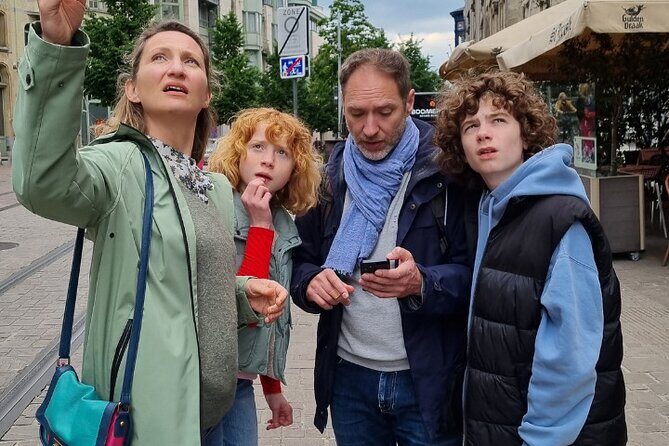
The missions are built to make you pay attention to small elements—an approach several positive comments praised directly. The best part is how the challenges turn observation into a game mechanic. You end up thinking, not just scrolling your way through photos.
I also like that you can do it in a way that fits your energy level. You can target a full 2-hour finish, or you can slow down and keep going at your own pace. That flexibility helps if you’re traveling with different attention spans. One person might solve faster; another might enjoy wandering a few extra minutes to understand the clue context.
There’s also something quietly funny about the setup: a virtual character that keeps nudging you to look at the corners you’d normally ignore. It makes Bruges feel less like a checklist and more like a city you’re actively reading.
Small groups (2 to 6) and why teamwork helps the most
Because this is private and limited to your group, you avoid the problem of being stuck behind other people at slow puzzle points. You can pause as needed.
In teams of 2 to 6, teamwork becomes practical:
- One person can read the current prompt carefully.
- Another can scan for the specific detail the clue is nudging you toward.
- You can discuss possible answers instead of guessing silently.
That structure is exactly what many people enjoy about a city game over a straight walking tour—especially families. The format stays short enough to keep momentum, but it’s interactive enough that kids don’t feel like they’re stuck listening.
Practical expectations: pace, phone needs, and what’s not included
A few practical realities matter:
You must bring your own smartphone (the listing also says battery isn’t included). If your battery is low, the experience becomes stressful fast. Bruges walking + constant screen use can drain phones. Charge beforehand, and consider a small power bank if you’ve got one.
Food and drink are not included. So if you plan to play through a meal window, you’ll want to build in a stop on your own. The good news is the city is full of options—you’re just not being handed a snack as part of the game.
If you want a quiet, low-effort day, this might not be your best match. It asks you to think. If you like that kind of mental activity while walking, you’ll have a smoother time.
Support, photo recap, and keeping the game for years
You get 24/7 online support, which is comforting for a puzzle game. It means if the phone app or clues don’t make sense at a certain moment, you’re not left completely stuck.
At the end, you get a summary of your adventure with photos. That’s more than a souvenir. It helps you connect what you solved with where you walked, so the experience sticks after you go home.
The game also has validity up to 3 years. That’s a sneaky good value if you’re planning multiple trips to Bruges or you might want to replay later with friends.
Who should book this Bruges by-playing experience?
You’ll likely love it if you:
- like puzzles, riddles, and solving tasks while walking
- want a city experience that’s structured but not rigid
- travel in a small group (2 to 6) and enjoy team problem-solving
- prefer independence over listening to a long guided script
It’s also a smart option for families because the game is designed to be accessible and isn’t built to drag on for hours beyond control.
You might choose a different format if you:
- want a purely passive sightseeing experience with no brainwork
- hate relying on a smartphone for navigation and interaction
- are traveling without a way to keep your device charged
Should you book Explore Bruges by playing?
If you’re the kind of traveler who likes to get your bearings fast and then learn in a hands-on way, I think this is a strong pick. The price works well for groups, and the city layout makes the self-paced mission approach especially satisfying. You’ll walk familiar Bruges sights and also chase clues into calmer corners, which is where you often remember the most.
My decision advice: book it if you’ll enjoy solving riddles and if your group will share the phone time. Skip it if you want a guide-driven, fully narrated day.
If you do book, do one small prep step: bring a charged phone and give yourselves permission to slow down. That’s when Bruges stops being a map and starts becoming a story you can actually solve.
FAQ
How long does the Explore Bruges smartphone game take?
It’s listed as about 2 hours (approx.), with the option to finish in that timeframe or play at your own pace.
What language is the game offered in?
The experience is offered in English.
How many people can play at once?
It’s designed for teams of 2 to 6 players, and it’s private for your group.
Where does the game start?
The meeting point is Jan van Eyckplein, 8000 Brugge, Belgium.
Where does the game end?
The activity ends back at the meeting point (Jan van Eyckplein).
Is a smartphone included?
No. Your smartphone and battery are not included, so you’ll need to bring your own device and keep it charged.
Is food or drink included?
No food or drink is included.
What’s included besides the game itself?
Included items are fun city tour, 24/7 online support, a summary of your adventure with photos at the end, and the game validity up to 3 years.
What are the opening hours?
It’s available daily from 12:00 AM to 11:30 PM during the listed validity period.
What if I need help during the game?
The experience includes 24/7 online support.
What is the cancellation policy?
Free cancellation is available up to 24 hours in advance for a full refund. If you cancel within 24 hours of the start time, the amount paid is not refunded.