Two hours can reset your Brussels compass. I like the mostly downhill route that avoids the hill climb, and I also love the practical “what to do next” advice, including where to eat Belgian waffles. The one thing to plan for: it’s still an outdoor walk for two hours, so bring an umbrella and wear shoes you can keep on all day.
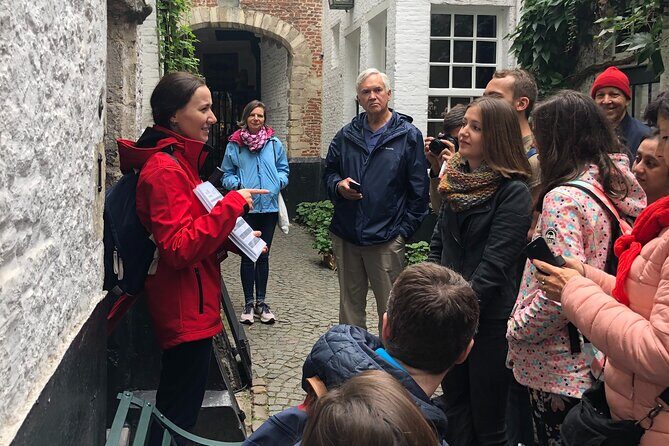
I like how the tour stays comfortable. It’s built for no stairs and no hill climbing, so you’re focused on the sights instead of your legs. And the guides are local and friendly—people like Evgenia, Paulina, Nver, and Yuvi have been praised for giving more than just dates, with stories about Brussels life and how the city works.
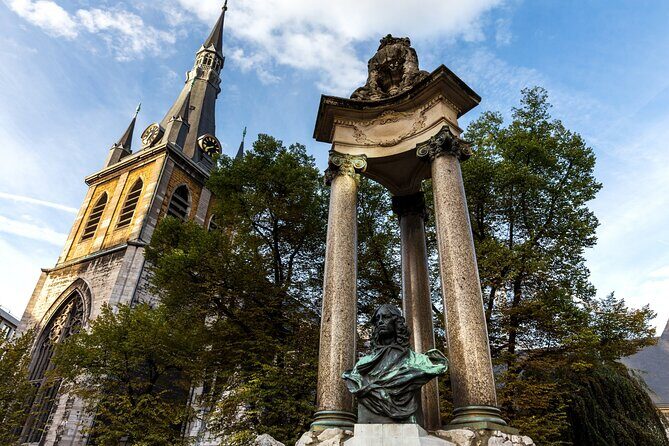
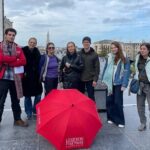
It starts near Metro Trône (lines 2 and 6) by the monument Leopold II, where you look for a guide holding a yellow sign for My Super Tour/Bruxelles 15:15. Live guiding is in Russian or English, and the overall rating is 4.9 across 53 reviews—nice proof you’re likely to get a smooth, well-timed introduction.
In This Review
- Key highlights worth planning around
- Two hours, from Royal Palace to Grand Place: what the tour is really doing
- Walking comfort: mostly downhill, no stairs, and why that matters
- Royal Palace to medieval walls: the story behind where Brussels grew
- Notre-Dame des Victoires au Sablon and the Holy Maria legend
- Manneken Pis, an antique market, and the Museum Quarter
- Grand Place: finishing strong in Europe’s postcard heart
- The guides: how local storytelling turns stops into context
- Price and value: is $60 actually fair?
- When this tour is the right fit (and when it’s not)
- Should you book this Brussels highlights walk?
- FAQ
- How long is the Brussels walking tour?
- How much does it cost?
- Where do we meet for the tour?
- What sights are included on the route?
- Are there stairs or steep climbing?
- What languages is the live guide available in?
- What should I bring?
- Is the tour wheelchair accessible?
- Is there a cancellation option if plans change?
- Is pay later available?
Key highlights worth planning around
- Royal Palace to Grand Place downhill route: you go from the upper area down into the center without “hill day” fatigue.
- Off-the-path stops in the Park of Brussels: you get more than the obvious photo spots.
- Medieval city-wall remnants: short but meaningful context for how Brussels expanded.
- Notre-Dame des Victoires au Sablon legend: you’ll hear the Holy Maria story tied to the church.
- Manneken Pis plus the antique market: famous landmark, then a more local-feeling detour.
- Trip-planning help after the walk: your guide points you toward breaks, food, and souvenirs.
Two hours, from Royal Palace to Grand Place: what the tour is really doing
This is a highlights walk with a purpose. In just two hours, you’re shown the big anchors—then routed through smaller corners that help the city click. If Brussels is your first stop in Belgium, this format is handy because it saves you from wandering blindly when you still don’t know where everything “belongs.”
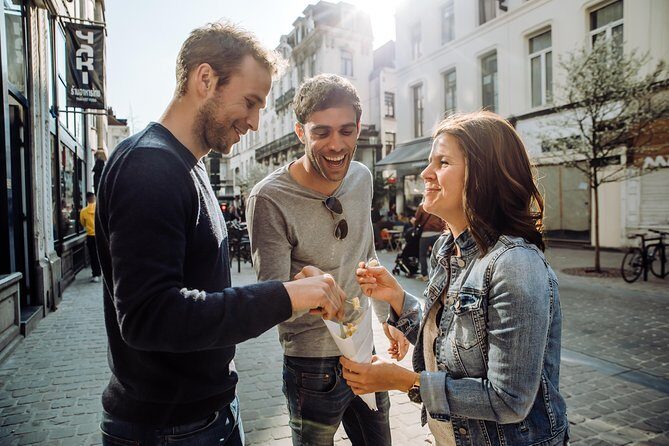
The route is designed to end in the city center at the Grand Place, so you leave with an easy starting point for your next move. You don’t just see monuments; you also get guidance that helps you make the rest of your day better—things like where to relax, what to do for fun, what souvenirs make sense, and where to find the tastiest Belgian waffles.
You can also read our reviews of more walking tours in Brussels

Walking comfort: mostly downhill, no stairs, and why that matters
Comfort is the selling point here, and it’s not marketing fluff. The tour is planned so your group doesn’t climb the hill. Instead, you start around the Royal Palace area and head down comfortably, finishing in the heart of Brussels.
That one choice changes the whole experience. You’ll spend your energy on your eyes and your questions, not on fighting steep grades. It also keeps the pace friendly, which matters if you’re traveling with mixed energy levels—jet lag, cold weather, or just the usual “we walked all day yesterday” situation.
One heads-up: it’s not suitable for wheelchair users. If you need accessibility support, you’ll want to look for another option that matches your mobility needs.
Royal Palace to medieval walls: the story behind where Brussels grew
The tour begins with the Royal Palace area, so you start with the political and ceremonial backbone of Brussels. You’ll get a sense of what the building represents and how it fits into the city’s layout. Even if you don’t go inside, starting here gives you context for why Brussels looks the way it does—especially as the walk transitions from formal spaces into older urban traces.
Next comes the Park of Brussels, where you’re not just shown the obvious paths. You’ll be guided through park areas with hidden spots—small, quieter pockets that feel like a breather in the middle of a busy city. For me, this is a smart move: it gives your brain a reset halfway through the experience.
After that, you’ll see remnants of the ancient medieval city walls. These pieces are easy to miss on your own, but with a guide’s explanation you understand what you’re looking at. It’s a short stop, but it adds real texture to Brussels, because suddenly the city doesn’t feel random. You can see the “how we expanded” story in front of you.
Notre-Dame des Victoires au Sablon and the Holy Maria legend
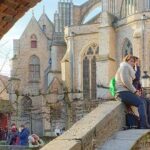
Then the walk pivots to religious and local storytelling with Notre-Dame des Victoires au Sablon. This is where you get the kind of detail that makes a city feel personal: you’ll learn about a legend connected to Holy Maria that’s tied to the church.
This stop is valuable because Brussels isn’t only about grand squares and famous fountains. There are smaller landmarks carrying specific stories people in the city still recognize. If you like places where history has a human angle—belief, tradition, and local memory—this is one of the moments that makes the tour more than a checklist.
Also, the church setting tends to be calmer than the streets around it, which helps you slow down just enough to take it in.
Manneken Pis, an antique market, and the Museum Quarter
From there, you hit one of Brussels’ most iconic symbols: Manneken Pis. You’ll see the fountain itself, but the real win is pairing it with what comes next. It’s quick to snap photos, but the guide helps you connect it to Brussels culture so it doesn’t feel like a pure tourist stop.
After Manneken Pis, you pass an antique market. This detour helps you shift from famous landmarks into day-to-day atmosphere. Even if you’re not shopping, it’s a reminder that Brussels has a living street culture—not just set pieces.
Next is the Museum’s quarter. The big idea here is orientation. If you’re deciding what to do later, this gives you a map in your mind: which area tends to cluster museum options, and how the streets connect back toward the center.
From a practical standpoint, this part of the walk helps you plan your afternoon or next day without guessing. You know where you’re headed instead of bouncing around from one transit stop to another.




Grand Place: finishing strong in Europe’s postcard heart
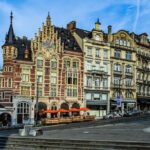
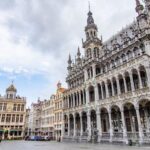
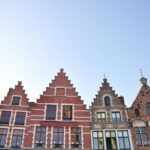
The Grand Place is the finale, and it’s a fitting one. This is one of Europe’s most beautiful historical squares, and ending here helps you feel like the tour “lands.” The square also acts as a hub. Once you’re done, you can branch into nearby streets for dinner, a drink, or a longer look at architecture you only caught briefly during the walk.
If you tend to do a lot of photos, you’ll appreciate that the tour ends where you can linger. The pacing means you won’t feel rushed through the Grand Place. You’ll have a finished base to explore, rather than a random final stop.
The guides: how local storytelling turns stops into context
The biggest difference on this kind of tour isn’t the order of landmarks—it’s the person guiding you between them. This tour uses professional local guides who bring Brussels lifestyle into the conversation.
In the feedback, names like Evgenia and Paulina come up with strong praise. Guides have been described as giving extra time to explain what you’re seeing, including how upper town and lower town areas fit into Brussels, plus government-related context. Other guides like Nver, Yuvi, and Polina have been singled out for strong communication and for being willing to answer questions beyond the exact route.
One practical point: when a guide clearly has a rhythm for the walking path, it makes the experience feel smoother. People have noted that the walking is generally arranged downhill, so the two hours don’t feel like a leg workout.
Price and value: is $60 actually fair?
At $60 per person for two hours with a professional guide, this sits in the “good value if you’re efficient” category. You’re paying for three things at once:
- Time-saving routing: you cover multiple major sights in one connected walk.
- Interpretation: you learn why places matter, including legends and medieval traces.
- Planning help: you get tips for where to relax, have fun, try Belgian waffles, and buy souvenirs.
If your travel style includes asking questions and building a mental map fast, $60 usually feels like a smart trade. If you prefer slow museum wandering and want long sits in one place, you may feel like two hours goes by quickly—because the tour is intentionally designed to hit many points rather than linger.
When this tour is the right fit (and when it’s not)
This tour is ideal if you:
- are in Brussels for the first time (or need a reset after a confusing first day)
- want a structured route that avoids the hill climb
- enjoy history with story details, including legends tied to real buildings
- like getting practical “next steps” like food and souvenir ideas
It’s less ideal if:
- you can’t do about two hours of walking outdoors
- you need wheelchair accessibility
- you want lots of entry tickets or extended time in one specific site (this is a highlights-and-orientation format)
Should you book this Brussels highlights walk?
I’d book it if you want to understand Brussels quickly and leave with a plan. The route is designed to feel comfortable, with a smart downhill flow from the Royal Palace area to the Grand Place. You’ll see the big icons, but you’ll also get extra context at places like the Park of Brussels, the medieval wall remnants, and the Notre-Dame des Victoires au Sablon legend.
If two hours outside in real weather is a concern, then time it carefully—morning when streets are calmer can help, and you’ll be glad you packed that umbrella. For most visitors, this tour is a strong “start here” option that makes the rest of your trip easier.
FAQ
How long is the Brussels walking tour?
The tour lasts 2 hours.
How much does it cost?
It costs $60 per person.
Where do we meet for the tour?
The meeting point is very close to Metro station Trône (lines 2 and 6). Look near the monument Leopold II for your guide holding a yellow sign that says My Super Tour/Bruxelles 15:15.
What sights are included on the route?
You’ll visit or pass the Royal Palace area, the Park of Brussels, remnants of ancient medieval city walls, Notre-Dame des Victoires au Sablon, Manneken Pis, an antique market, the Museum’s quarter, and finish at the Grand Place.
Are there stairs or steep climbing?
The tour is designed to avoid climbing up and avoids stairs. The route starts near the Royal Palace and descends comfortably into the city center.
What languages is the live guide available in?
The live tour guide is available in Russian and English.
What should I bring?
Bring comfortable shoes, an umbrella, and water.
Is the tour wheelchair accessible?
No. It is not suitable for wheelchair users.
Is there a cancellation option if plans change?
Yes. Free cancellation is available up to 24 hours in advance for a full refund.
Is pay later available?
Yes. You can reserve now and pay later, meaning you can book your spot and pay nothing today.