REVIEW · GHENT
Ghent: Museum of Fine Arts Entry Ticket
Book on GetYourGuide →Operated by Museum of Fine Arts Ghent · Bookable on GetYourGuide
Bosch to Magritte in one museum sweep. I love how this ticket lets you see the Ghent Altarpiece restoration behind glass, plus masterworks spanning centuries in Ghent’s famous Museum of Fine Arts.
I especially like the chronological visiting route, which helps the art feel connected: you’ll meet big names such as Hieronymus Bosch, Pieter Paul Rubens, Brueghel II, and Anthony van Dyck as you move through 30 galleries.
One drawback to plan around: the museum doesn’t allow food or large items inside, so build in time for a snack outside and use the cloakroom for coats and bags.
In This Review
- Key highlights to focus on
- Ticket Value: What $17 Gets You in Ghent
- First Time Inside: Orientation and the Museum’s Flow
- What You’ll See: The 14th–20th Century Highlights
- Belgian and Flemish Masters: The Names That Anchor the Collection
- 19th and 20th Century Belgium: Ensor to Magritte
- The Ghent Altarpiece Restoration: The Moment People Don’t Want to Miss
- Temporary Exhibitions: Included, So Don’t Skip Them
- Audio Guide and Family Route: How to Make the Museum Easier
- Timing Tips: When to Go for Less Rush
- What’s Allowed, What’s Not, and How to Stay Comfortable
- So, Should You Book This Ghent Museum Ticket?
- FAQ
- What is included with the ticket?
- How long should I plan for my visit?
- Which languages are available for the audio guide?
- Is the museum wheelchair accessible?
- Can I bring food, drinks, or large bags into the museum?
- Is the museum open late at any point?
Key highlights to focus on
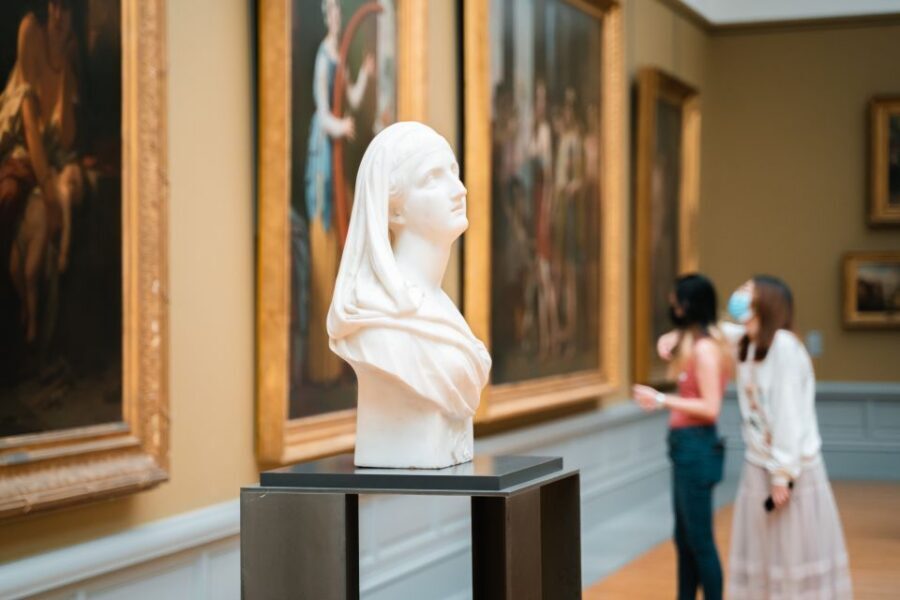
- Live restoration behind glass: Watch the final restoration phase of the Ghent Altarpiece by Jan van Eyck (1432) in a workshop you can see.
- 30 galleries, one clear route: A chronological path makes it easier to connect older Flemish art to later European movements.
- Permanent plus temporary included: You get both without needing to buy extra entry.
- Big names across centuries: Expect artists like Rubens, Brueghel II, and van Dijk, plus modernism players such as Magritte.
- Audio guide that’s more than basic: Adult and kids audio routes, with extras like queer perspectives, musical interpretations, and accessibility descriptions.
- Evening opening on a specific night: The museum stays open until 22h each first Thursday of the month, often with separate programming.
Ticket Value: What $17 Gets You in Ghent
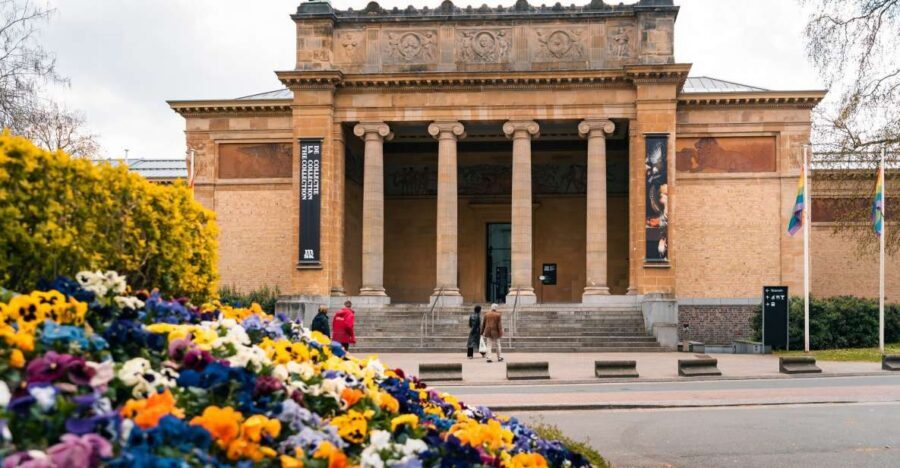
For about $17 per person, this is a strong museum deal in a city where art institutions usually make you pick and choose. This ticket is good for one day and includes entry to the permanent collection and the temporary exhibitions, so you’re not gambling on whether the special show is worth it.
The other value piece is the included audio set. You get an adult audio guide and a kids audio guide, plus an adult guide that isn’t just a bland room-by-room script. It’s built to offer different ways of understanding art history, including queer views, musical interpretations, and descriptions for visually impaired visitors. If you like to move at your own pace, that matters.
If you’re on a tight budget, keep one practical thing in mind: there are student options. One recent booking noted a student rate of €4.8, which is excellent if you qualify. Also, if you’re using a Gent City Card, double-check that it covers this museum specifically before you arrive. A mismatch like that can ruin the math.
You can also read our reviews of more tours and experiences in Ghent.


First Time Inside: Orientation and the Museum’s Flow
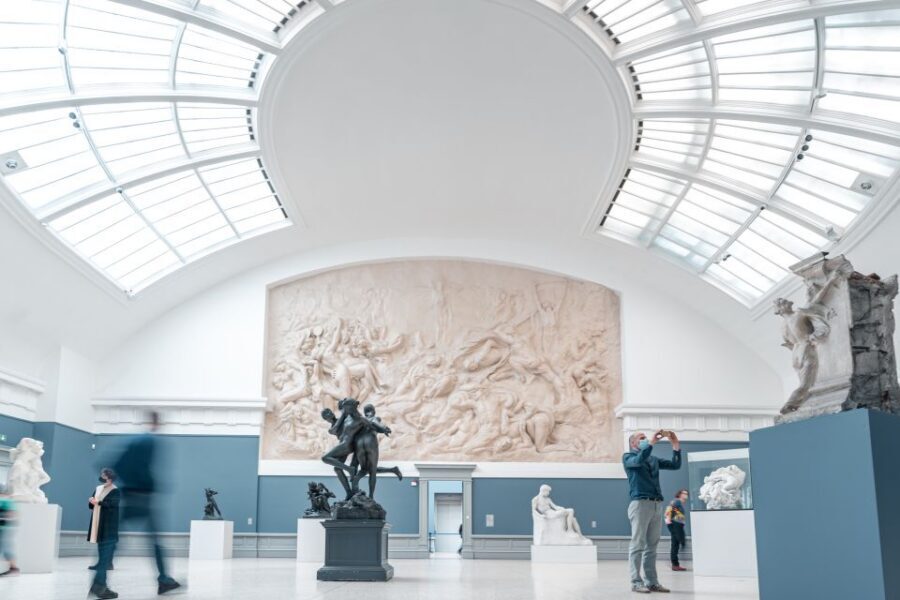
The Museum of Fine Arts in Ghent is the kind of place where the building feels monumental, and the route is designed to help you see connections. The museum encourages a chronological route, meaning you’re guided through periods in a way that makes the art history easier to follow than a random pick-and-choose tour.
As you walk, you’ll also notice thematic and monographic galleries—rooms focused on particular subjects or single artists—so you’re not stuck in a single straight timeline. That mix is useful. Chronology gives you structure, while theme helps you compare ideas across time.
Here’s how to use that structure without getting tired:
- Start early in the day if you want to take your time with the early centuries.
- Expect that after you hit the middle galleries, you’ll feel the museum speed up—good if you’re curious, but you’ll want to slow down for the big anchor points like the Ghent Altarpiece restoration area.
Also, a small practical point that affects your comfort: large items and coats aren’t permitted inside, but there’s a free cloakroom. Plan to keep your daypack small enough to be hassle-free.
What You’ll See: The 14th–20th Century Highlights
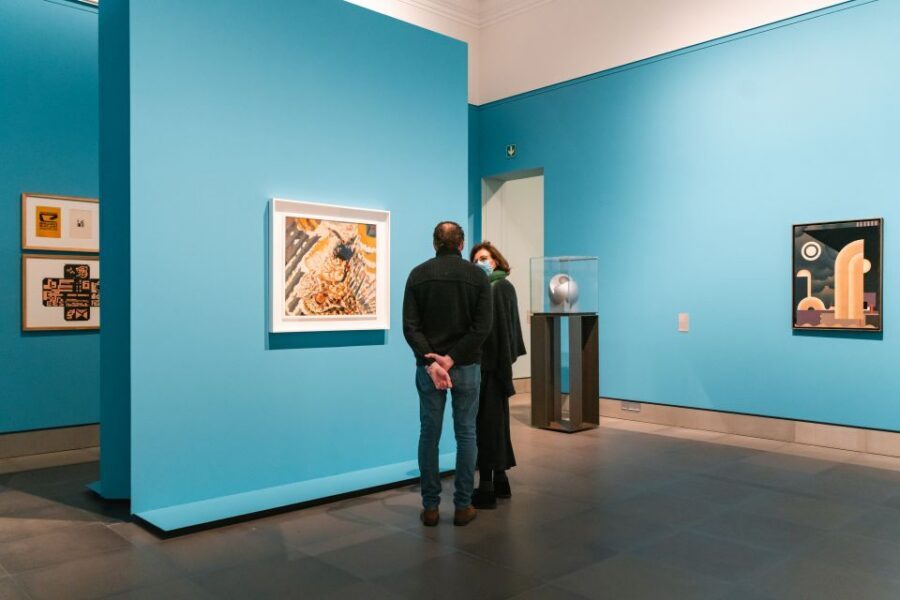
You’re walking through art from the 14th to the 20th centuries, and the museum clearly divides its galleries so you can find what you’re in the mood for. A big chunk of the museum is art before 1800, with about half of the galleries focused on that period. Then you get the later centuries, where Belgian names and European modernism take the spotlight.
If you like famous artists, you’re in the right building. You’ll run into:
- Hieronymus Bosch
- Pieter Paul Rubens
- Brueghel II
- Anthony van Dyck
Those names aren’t just title cards. The way the museum groups periods helps the art feel like part of a bigger conversation: techniques, themes, and changes in taste become easier to notice when the rooms aren’t totally isolated.
A useful strategy: when you spot one of these anchor artists, pause and use the audio guide right away. You’ll understand the why behind the work faster than if you save the audio for the end. The guide is designed to work along the route.
Belgian and Flemish Masters: The Names That Anchor the Collection
Ghent is Flemish country, and the museum leans into that identity. You’ll see major players in Belgian and European art history, and the collection helps you understand how the Flemish tradition connects to wider European movements.
Two things I like about this part of the visit:
- You see the tradition through the big names rather than through vague summaries. The museum lists and presents artists clearly.
- The chronological route means Flemish art doesn’t feel like a separate island. You see how it develops and how it later shifts toward newer styles.
In the early-to-middle galleries, look for works that make you ask basic questions like: What changed from one generation to the next? How does the subject matter evolve? The museum’s design supports those comparisons because it isn’t forcing you to jump wildly between eras.
19th and 20th Century Belgium: Ensor to Magritte
When the museum moves into the 1800s and 1900s, the energy changes. The themes become more personal, more experimental, and often more outspoken. This is where you’ll encounter quintessential Belgian figures like:
- James Ensor
- Émile Claus
- Georges Minne
From there, the modernism wing shifts the mood again. Artists like:
- Gustave Van de Woestyne
- René Magritte
- Frits Van den Berghe
show you how 20th-century art breaks rules in ways you can actually see, not just read about. If you’ve ever wondered whether modern art is only about theory, this section is a good reality check. You can stand in front of the work and decide what it’s doing, then use the audio guide to help you frame your take.




The Ghent Altarpiece Restoration: The Moment People Don’t Want to Miss
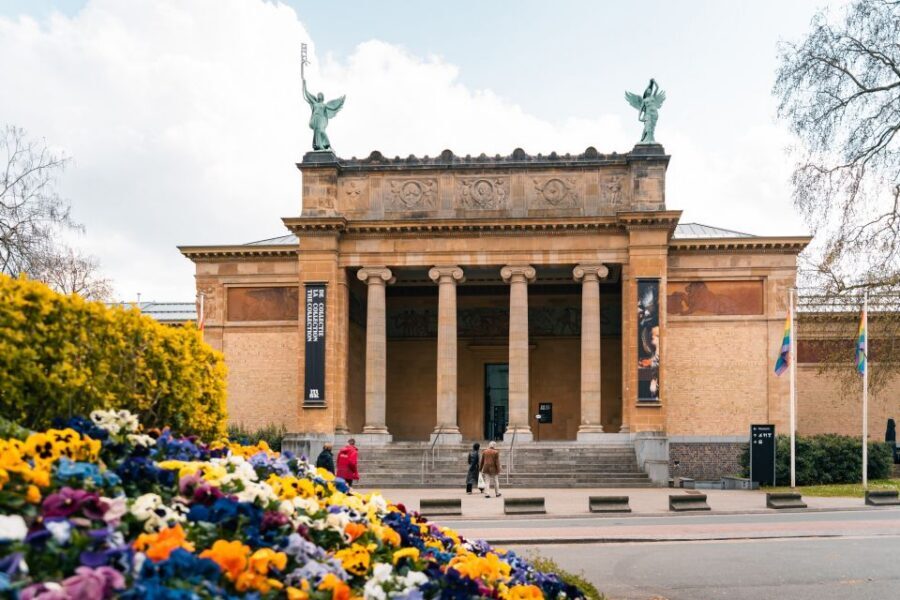
This is the signature experience—one of those museum features that makes the ticket feel special even if you’re not an art-history superfan.
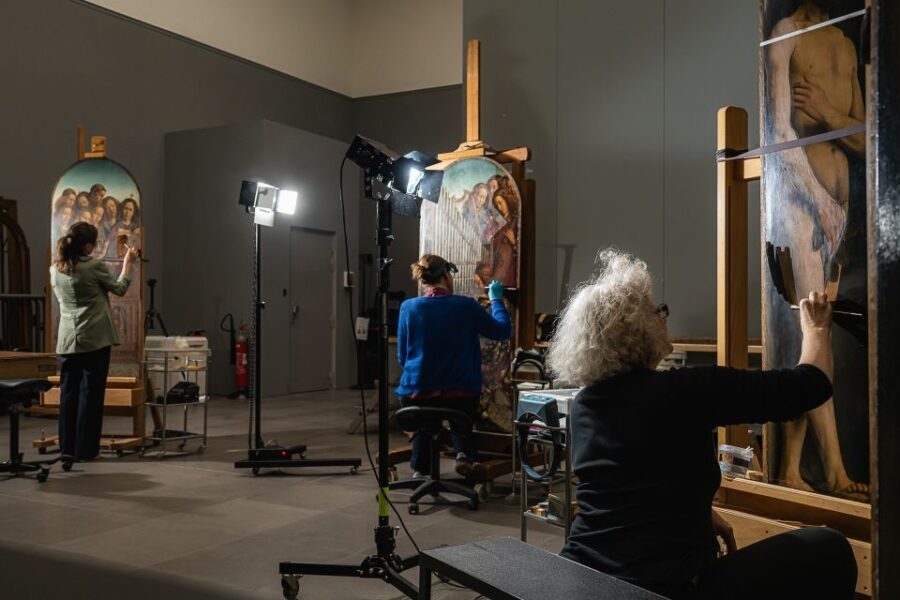
The final restoration phase of the Ghent Altarpiece by Jan van Eyck (1432) happens in a workshop you can see behind glass. Watching restoration in progress adds a layer most museum visits don’t provide. Instead of only seeing an artifact as a finished object, you’re seeing careful work, step by step, as the museum brings it back.
Why that matters for you:
- It turns the museum from passive viewing into active understanding.
- It helps you appreciate why certain details look the way they do now.
- It gives the visit a built-in highlight that’s easy to plan around—arrive ready for that moment, not just wandering until you bump into it.
If you like to photograph or make notes, don’t assume you can freely shoot everything. Flash photography isn’t allowed, so plan for normal lighting and slower looking rather than point-and-shoot speed.
Temporary Exhibitions: Included, So Don’t Skip Them
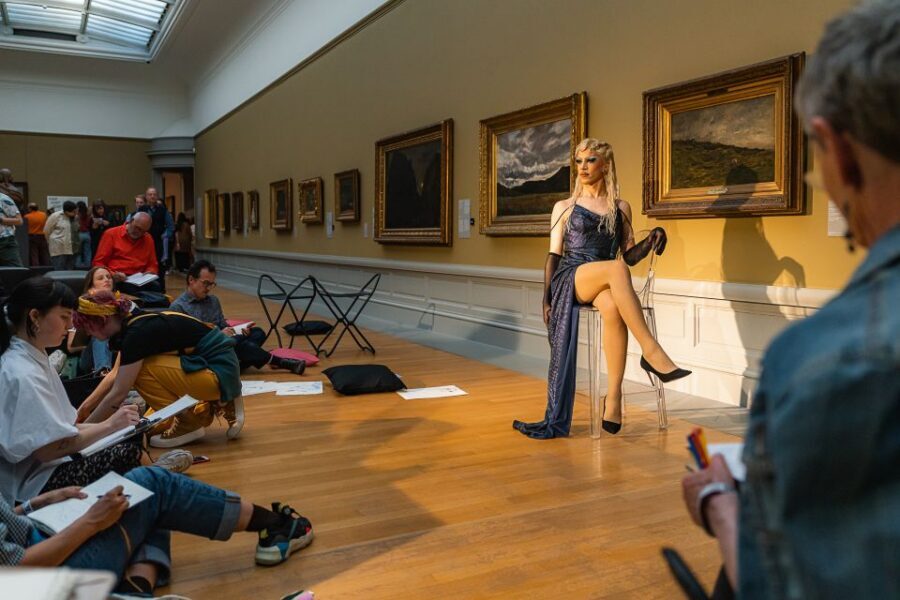
You get entry to temporary exhibitions automatically. That’s a big deal because it means the museum visit doesn’t end after the permanent collection.
Temporary shows vary, but you can expect them to complement the collection rather than replace it. For example, one temporary exhibition called Transcripts of a sea has been listed on recent schedules, which gives you a sense of the museum’s range.
How to handle temporary exhibitions without sacrificing the rest:
- If you’re short on time, prioritize the temporary gallery only after you’ve seen the main “anchors” (the big artists and the restoration area).
- If you’re taking your full day, add it near the end, when you’ve built up enough context from the permanent rooms to actually understand what the temporary show is reacting to.
Either way, the ticket makes it easy: you don’t need an extra purchase decision in the middle of your visit.
Audio Guide and Family Route: How to Make the Museum Easier
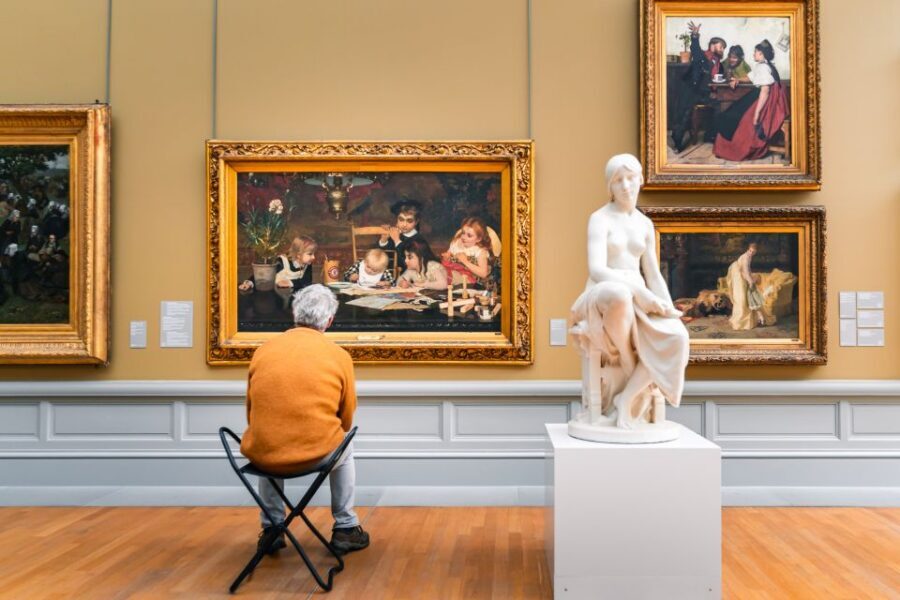
The audio guide is a core part of this experience. It’s included, and it’s offered in Dutch, English, and French. For many people, that’s the difference between a museum that feels like information overload and one that feels like a readable story.
The adult audio guide includes extras such as:
- modern perspectives on art history
- queer views
- musical interpretations
- descriptions for visitors who are visually impaired
There’s also a separate kids tour, plus a family route with children’s labels and small activities. If you’re traveling with kids, the museum isn’t just kid-friendly signage. It’s built to give a real path through the galleries so the visit doesn’t collapse into boredom or constant “how much longer?”
One more practical note: since audio content is designed to support the route, it helps to use it consistently. Turn it on early, then keep it running—don’t save everything for the last hour.
Timing Tips: When to Go for Less Rush
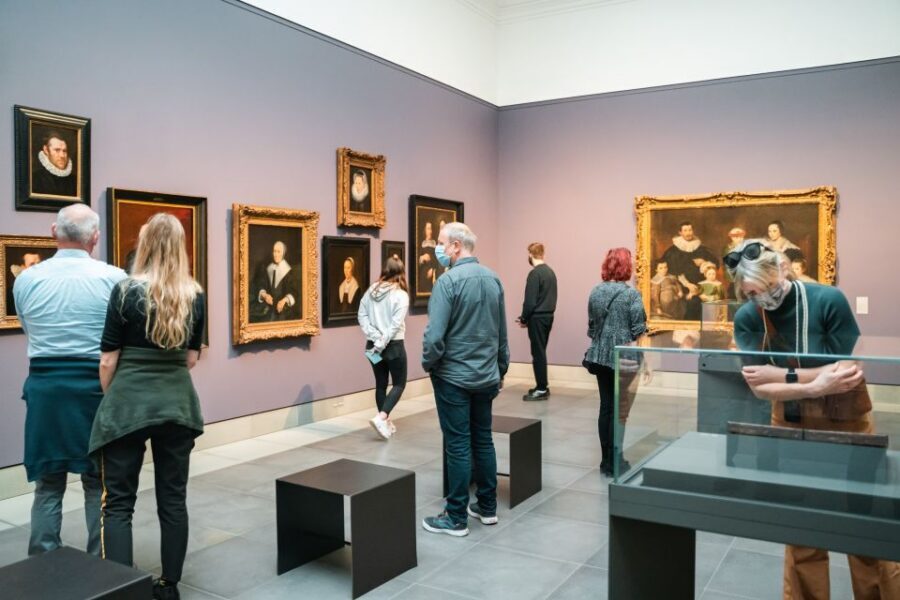
This ticket covers a full day, which is ideal for a museum with 30 galleries and a live restoration feature.
If your schedule allows it, think about the evening opening: the museum stays open until 22h each first Thursday of the month, often with an extra activities program. Going on that kind of night can change the feel of the visit. You’ll have more time for slow looking and you can pair the museum with an evening stroll through the area around it.
Also, the museum building sits next to a green park on its doorstep. That matters because you’ll want a reset after you’ve been indoors reading, watching, and comparing art across centuries.
What’s Allowed, What’s Not, and How to Stay Comfortable
This is where small rules can make a big difference. The museum doesn’t allow:
- food and drinks
- flash photography
- luggage or large bags
- umbrellas
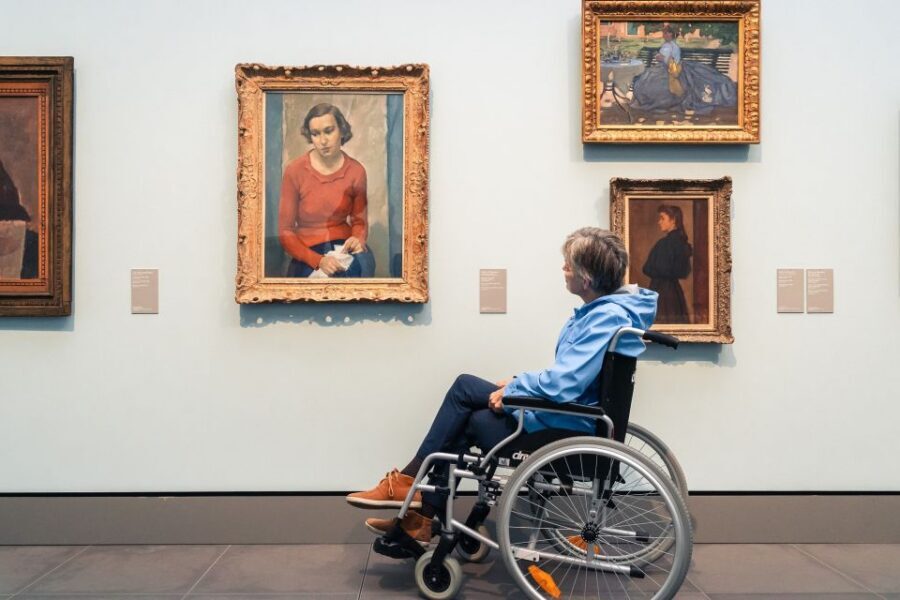
Large coats aren’t permitted inside, but you’ll have a free cloakroom, and there’s a breastfeeding and diaper changing room for parents. The museum is also wheelchair accessible, with full access via a side entrance. There are also gender inclusive restrooms.
Two comfort tips that keep the day smooth:
- Keep your bag light. If you bring less, you’ll spend more time looking instead of managing belongings.
- Plan your snack strategy outside. Since food and drinks aren’t allowed inside, you’ll want a nearby break that won’t tempt you to rush.
Lastly, bring your passport or ID card. You’ll want that on hand.
So, Should You Book This Ghent Museum Ticket?
If you want one solid day of art in Ghent—without juggling multiple tickets—this museum entry ticket is a smart call. It’s good value because it includes both permanent and temporary exhibitions, and the included audio guide adds depth without extra cost. The live Ghent Altarpiece restoration view is a rare perk that makes the visit feel more alive than a standard collection pass.
Skip booking only if your goal is purely casual sightseeing with no interest in structured viewing. This is a museum where you’ll get more from it if you’re willing to slow down for details, use the audio, and follow the route.
If you’re the type who likes big names plus meaningful context, book it. Then spend the day connecting centuries with your own eyes.
FAQ
What is included with the ticket?
The ticket includes entry to the permanent collection and temporary exhibitions, plus an audio guide for adults and children, including a family route with children’s labels and small activities.
How long should I plan for my visit?
This experience is valid for 1 day, so plan your time around a full museum visit.
Which languages are available for the audio guide?
The audio guide is available in Dutch, English, and French.
Is the museum wheelchair accessible?
Yes. The museum is wheelchair accessible via the side entrance.
Can I bring food, drinks, or large bags into the museum?
No. Food and drinks are not allowed, and luggage or large bags aren’t permitted inside. There is a free cloakroom for coats and large items.
Is the museum open late at any point?
Yes. The museum stays open until 22h each first Thursday of the month, and there is often a separate activities program.