REVIEW · BRUSSELS
Remembrance Tour: The Battle of the Bulge in the Ardennes
Book on Viator →Operated by Brussels City Tours - Keolis Travel · Bookable on Viator
History feels close in the Ardennes. This Battle of the Bulge remembrance tour turns a long coach ride into a focused route of cemeteries, monuments, and frontline remnants. You’ll be dropped off, pointed in the right direction, and kept moving—without needing to map out the day yourself.
Two things I especially like: the Bastogne War Museum admission is included, so you’re not juggling tickets mid-journey. And the tour pairs memorials with real battlefield features, including time at the foxholes and cavities of Bois Jacques—so it’s not just plaques and photos.
One possible drawback: it’s a full day with lots of talking on the bus and brief stops off the bus. If you prefer quiet time, bring earplugs and plan to rely on the guide for context during transit rather than expecting long free-roam at every site.
In This Review
- Key highlights worth planning around
- Price and logistics: what you’re really paying for
- Ardennes American Cemetery: the scale hits fast
- Bastogne town break at McAuliffe Square
- Mardasson Memorial: the star you can’t miss
- Bastogne War Museum: the included 2-hour anchor
- Bois Jacques foxholes: the one stop you feel in your bones
- Foy and the Band of Brothers connection
- German War Cemetery: seeing the war’s full human footprint
- How the guide style affects your day (and who you might get)
- What to bring so the day feels easier
- Should you book this Battle of the Bulge tour?
- FAQ
- How long is the tour from Brussels to the Ardennes?
- What time does the tour start?
- Where do I meet for the tour in Brussels?
- Where does the tour end?
- Is the Bastogne War Museum ticket included?
- Are meals included in the price?
- What sites are visited during the day?
- Is admission included for Bois Jacques?
- What kind of fitness level do I need?
- What if the tour is canceled due to not enough passengers?
- Is it easy to find the meeting point using public transportation?
Key highlights worth planning around
- A remembrance-focused route from US memorial sites to the German War Cemetery, keeping the day human and respectful
- Bastogne War Museum included with a solid 2-hour window to see the exhibits without rushing
- Bois Jacques foxholes give you that ground-level feeling, even with only about 20 minutes there
- Short, timed stops keep the itinerary moving: expect about 15–40 minutes at most sites
- Guides like Martin King and Johan/Johann/Stephan bring the battle together with Belgium context
- McAuliffe Square break time for coffee/snacks and a quick browse through the town center
Price and logistics: what you’re really paying for
This tour costs $107.41 per person for an approximately 11-hour day, with round-trip transport from central Brussels and a professional guide. That price starts to feel more reasonable when you add up the included parts: the Bastogne War Museum ticket and organized access to the main sites. Food is not included, so you’ll want to budget for meals or grab snacks during the town stop.
You also get the kind of logistics that matter on a day trip: an air-conditioned vehicle, a mobile ticket, and a start point in central Brussels (Bd de Berlaimont 18). The tour runs in English, and there’s a note for moderate physical fitness—so think short walks, standing around monuments, and time outdoors, not long hikes.
Group size can be up to 200, so expect a big-coach feel. That doesn’t automatically ruin the experience, but it does mean you’ll want to be mentally ready for bus chatter and guided pacing.
You can also read our reviews of more tours and experiences in Brussels.


Ardennes American Cemetery: the scale hits fast
The day opens at the Ardennes American Cemetery and Memorial. This is where thousands of US service members rest, lost during the US advance into Germany. You’re there for about 40 minutes, which is enough time to slow down, read key information, and understand the size of what happened before moving on.
What I like about starting here is the emotional “anchor.” Many Battle of the Bulge tours jump straight into tactical stories. This one starts with the outcome—the human cost—so later stops about positions, foxholes, and villages make more sense.
Tip: wear comfortable shoes and take a moment before you look for details. In places like this, your eyes will keep landing on names and dates. Give yourself a minute to let the place settle in.
Bastogne town break at McAuliffe Square
Next comes McAuliffe Square in the center of town. It’s a 15-minute stop, timed more like a breather than a deep-dive. The upside is practical: you’ll find dining and shopping options nearby, which helps when food isn’t included.
If you’re the type who always waits too long to eat, this is your cue. Grab a drink, use the bathroom if needed, and—if you’re carrying a small snack—refuel now so the museum and outdoor sites don’t feel harder than they should.
Mardasson Memorial: the star you can’t miss
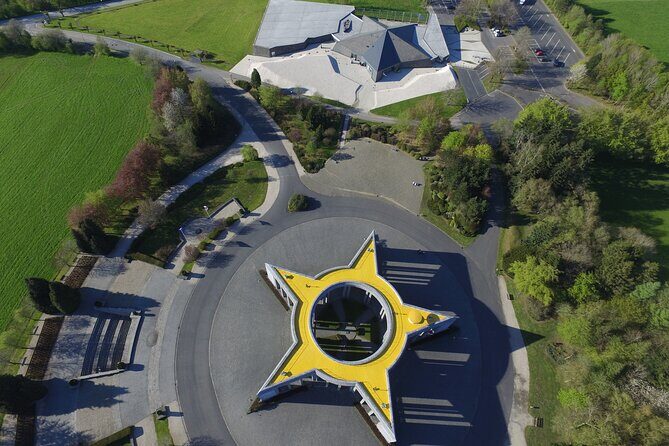
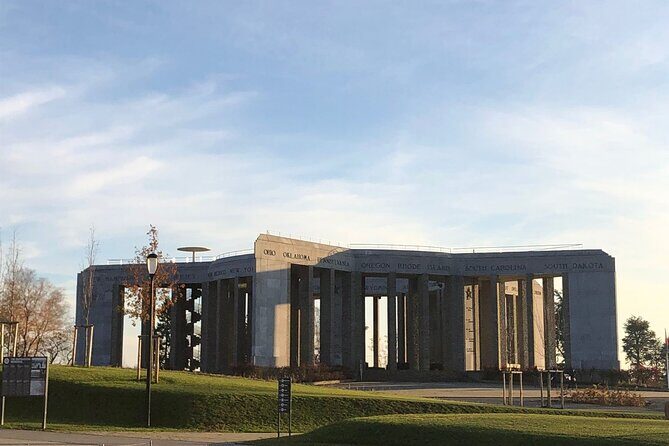
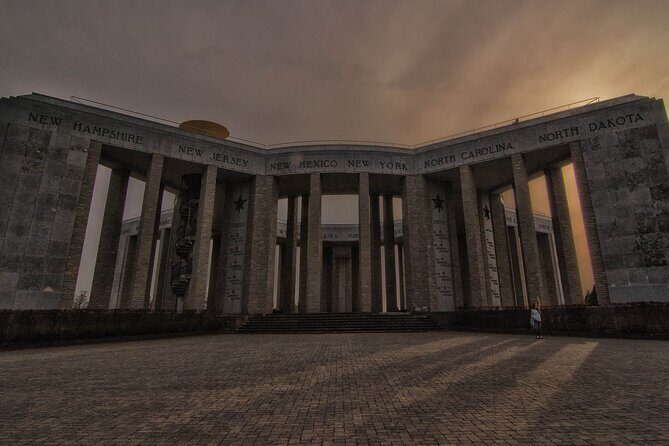
Then you’ll head to the Mardasson Memorial near Bastogne. It’s designed in the shape of a five-pointed American star, honoring American soldiers wounded or killed during the Battle of the Bulge. You get about 40 minutes here.
This stop works well because it’s both symbolic and visual. You’ll likely find yourself taking photos—but don’t treat it like a postcard. Look longer than you plan to. It’s the kind of monument where your understanding improves with a few minutes of quiet reading and just standing back.
Also, since it’s near Bastogne, it helps you build a mental map of where everything else fits.
Bastogne War Museum: the included 2-hour anchor
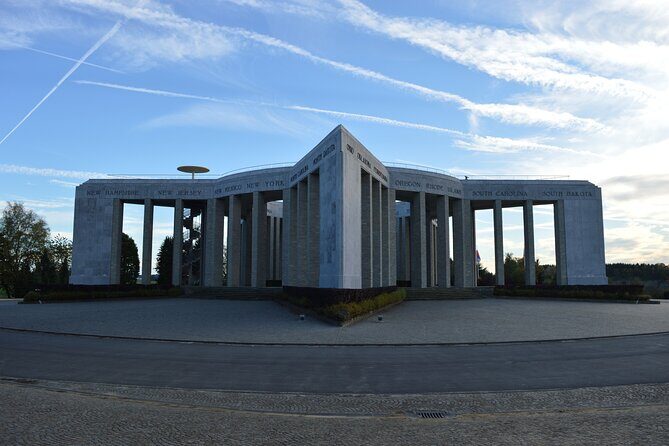
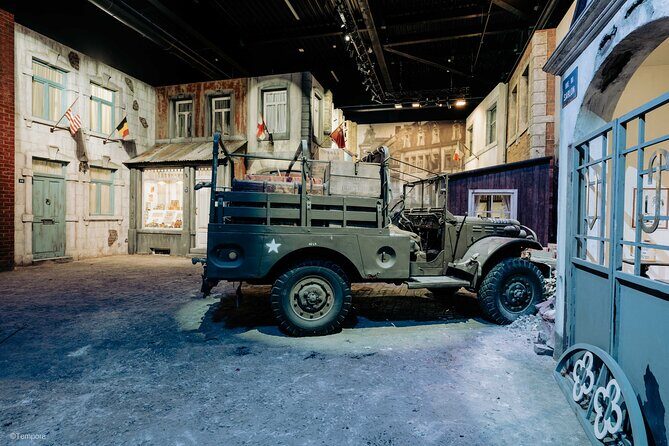
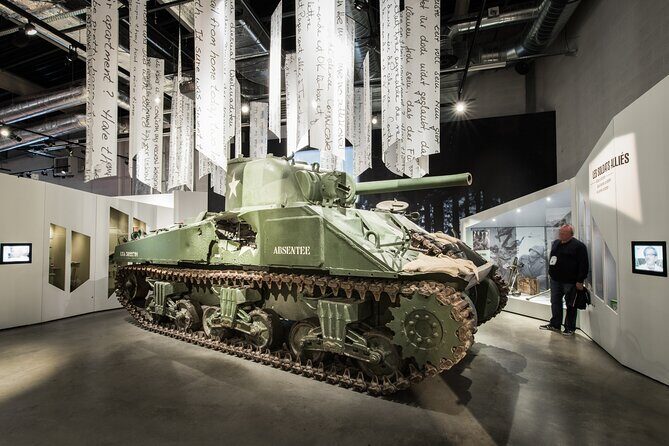
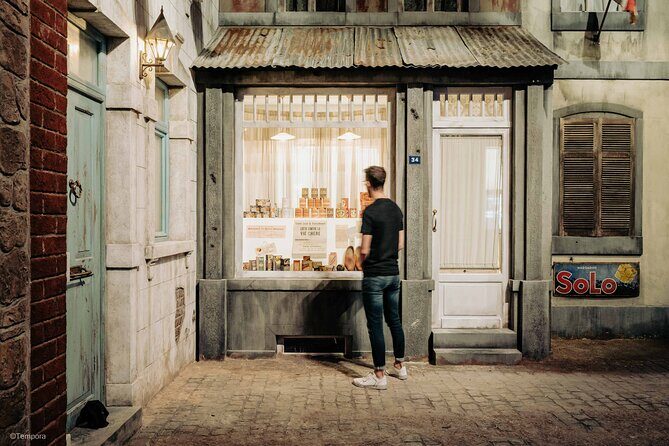
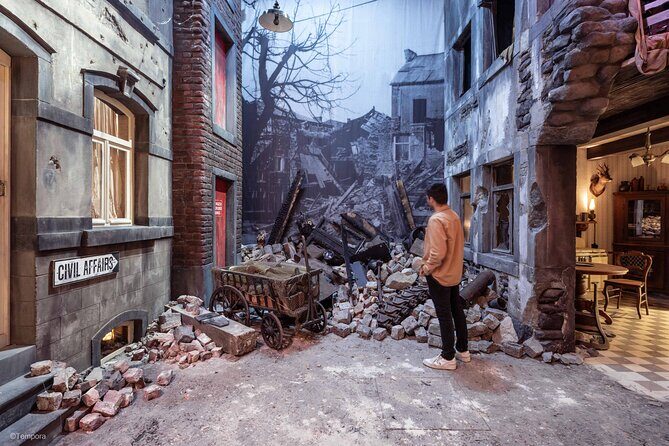
The big built-in payoff is the Bastogne War Museum. Admission is included, and you’ll have about 2 hours to see it. The museum honors American soldiers wounded or killed during the Battle of the Bulge, and it’s set up to do more than list battles.
I like this part of the tour because it gives your day structure. When you’ve spent the morning at cemeteries and monuments, the museum helps you connect the dots: where the fighting concentrated, what daily conditions were like, and how Bastogne became a focal point.
One thing to watch for: a museum can eat time quickly if you read everything. With only two hours, choose what you care about. If you’re a WWII fan, focus on the operational story areas first. If you’re more interested in the human side, spend extra time on the sections that emphasize lives and personal meaning.


Bois Jacques foxholes: the one stop you feel in your bones
Next is Bois Jacques, where you’ll see foxholes and cavities dug into the ground to protect American soldiers from hostile fire. You’ll have about 20 minutes at this site, and it’s important that admission there is not included.
This is the stop that tends to make people go quiet. Foxholes are not “history behind glass.” They’re the kind of space you can understand with your body: how low it is, how exposed it can feel, and how little room there is for comfort during danger.
What to do with your time:
- Take in the layout before you start searching for details.
- Look at the ground conditions and how the terrain supports or threatens movement.
- Then, only if you can, do a careful walk-through of the most accessible areas.
If you struggle with uneven ground or cramped spaces, it may be worth going slow. The tour’s “moderate physical fitness” note makes sense here.
Foy and the Band of Brothers connection
You’ll then stop in Foy, a village made famous through Stephen Ambrose’s writing and the TV series Band of Brothers. The stop is about 15 minutes—again, short, but useful for tying what you’ve seen into broader storytelling.
This is a good moment if you’re coming from pop-culture history. You’ll get place context: not just what happened, but where these names and accounts connect on the ground.
If you don’t care about TV tie-ins, treat this as a quick check of the village setting. In wartime, small towns and narrow roads can matter as much as big battles.
German War Cemetery: seeing the war’s full human footprint
Finally, you’ll visit the German War Cemetery. It holds the remains of more than 6,800 German soldiers, aged 17 to 52, who died during WWII. You’ll have about 20 minutes here.
This stop matters. The tour doesn’t limit itself to one side’s memory. Standing here after the US cemetery and the American memorials gives you a wider view of the war’s reach—young men on one side, and young men on the other. It’s the kind of ending that leaves less room for stereotypes and more room for empathy.
Practical note: move respectfully, read what you can, and don’t rush. The cemetery isn’t trying to entertain you. It’s trying to remember.
How the guide style affects your day (and who you might get)
A major part of this tour’s quality is the guide. In this format, the bus time is not filler—it’s when the bigger story gets stitched together so the sites feel connected.
From what’s been shared, you may ride with guides such as Martin King or Johan/Johann, and others like Stephan/Stefan. Their strengths tend to be:
- strong narration that connects the battle timeline to each stop
- extra context beyond WWII—some guides also bring in earlier history and Belgium context
- clear answers to questions when there’s time
The downside is real too: with a full day and short stops, some guides may talk constantly. If you don’t love nonstop commentary, earplugs can help you stay comfortable. You’ll still get the historical thread, but you won’t feel overloaded.
Also, listen for the guide’s “what to look for” prompts. Those small cues can turn a 15-minute stop into a memorable one.
What to bring so the day feels easier
This is a day in the open air plus museums and memorial grounds. For comfort, I’d pack:
- Earplugs if you’re sensitive to extended talking on the coach
- A light layer—buildings and buses can swing temperature
- Comfortable shoes with solid grip for outdoor memorial areas
- A small snack or two since food and drinks aren’t included
- Water for the museum portion and the outdoor stops
If you’re bringing a camera, do it—but also decide in advance which stop you’ll photograph most. The day moves quickly, and your best memories may come from standing still longer than your phone wants you to.
Should you book this Battle of the Bulge tour?
Book it if you want a structured, respectful way to see the key Ardennes/Bastogne sites in one day—especially if you care about getting the meaning of the places, not just collecting stops. The included Bastogne War Museum ticket and the guided route from Brussels add up to good value for the time you’re investing.
Skip it or go in with eyes open if you dislike long days, don’t want heavy narration, or expect lots of free time at every location. The tour is built for pacing, not lingering.
My quick call: if you’re visiting Brussels and you only have one day to connect the names to real ground, this is a strong choice—quiet cemeteries in the morning, the museum in the middle, foxholes at Bois Jacques, and a thoughtful finish at the German War Cemetery.
FAQ
How long is the tour from Brussels to the Ardennes?
The duration is listed as about 11 hours.
What time does the tour start?
The start time is 9:15 am.
Where do I meet for the tour in Brussels?
You meet at Bd de Berlaimont 18, 1000 Bruxelles, Belgium.
Where does the tour end?
It ends in Brussels near Brussel-Centraal, Carr de l’Europe, 1000 Bruxelles, Belgium.
Is the Bastogne War Museum ticket included?
Yes. Admission to the Bastogne War Museum is included.
Are meals included in the price?
No. Food and drinks are not included.
What sites are visited during the day?
You’ll visit the Ardennes American Cemetery and Memorial, McAuliffe Square, Mardasson Memorial, Bastogne War Museum, Bois Jacques, Foy, and the German War Cemetery.
Is admission included for Bois Jacques?
No. Admission for Bois Jacques is not included.
What kind of fitness level do I need?
The tour notes a moderate physical fitness level, with walking and time spent outdoors.
What if the tour is canceled due to not enough passengers?
There is a minimum number of travelers. If it’s canceled, you’ll be offered an alternative or a full refund.
Is it easy to find the meeting point using public transportation?
Yes. The meeting area is near public transportation.