REVIEW · BRUGES
Bruges Guided Walking Tour: Stories, Mysteries and People
Book on GetYourGuide →Operated by Artur Savastieiev · Bookable on GetYourGuide
Bruges tells better stories on foot. This 2-hour guided walking tour turns the UNESCO-scented city center into a live mystery show, with 15+ landmarks and big “how did this happen?” moments. You’ll move from medieval power to canal views, all without feeling like you’re trapped in a museum.
I love the way the guide keeps things clear and easy to follow, and how the experience is built for hearing every detail—some guides even use headphones so the stories land cleanly as you walk. I also like that the route hits major places fast: Market Square, the Belfry, Burg Square, the Basilica of the Holy Blood, and the canal bridges—so you get context before you go off on your own. Many dates are led by Artur Savastieiev, and that local energy helps the city feel current.
One thing to consider: you’ll be on old stone. The tour is wheelchair accessible, but the cobblestones still take effort, and 2 hours can feel quick if you’re not used to lots of walking.
In This Review
- Key points to know before you go
- Starting at Market Square: where the tour clicks right away
- Belfort Tower to Burg Square: power, pride, and photo angles
- Basilica of the Holy Blood: a famous relic and the questions it sparks
- The façade puzzles: 300 Madonnas, symbolic streets, and why it matters
- Fish Market to Huidenvettersplein: canals meet commerce
- Rozenhoedkaai and the bridges: the Venice of the North feeling
- Gruuthusemuseum break and Church of Our Lady: culture in bite-size pieces
- Halve Maan brewery finale: beer, stories, and a slow way to end
- Price and value: why $3.41 can be a real steal
- Timing, pace, and what 2 hours feels like on your feet
- Who should book this Bruges walking tour (and who might want a slower plan)
- Should you book it?
- FAQ
- How long is the Bruges guided walking tour?
- Where does the tour start?
- Where does the tour end?
- How many landmarks do you visit?
- What language is the tour in?
- Is the tour wheelchair accessible?
- How large are the groups?
- What are some of the tour’s featured mysteries or topics?
- Is there a beer stop during the tour?
- What if my plans change?
Key points to know before you go
- Storytelling first: you’re not just sightseeing; you’re solving Bruges mysteries with a local guide.
- 15+ city-center landmarks: fast coverage of the big hitters, plus canal scenery.
- Holy Blood and 300 Madonnas: two of the tour’s signature prompts for curious minds.
- Black Death + ghost-town myths: you’ll hear why Bruges’ history didn’t follow the script.
- Halve Maan brewery finale: a beer stop that grounds the tour in today’s Bruges.
- Small groups (1 to 6): a size that helps questions stay personal.
Starting at Market Square: where the tour clicks right away
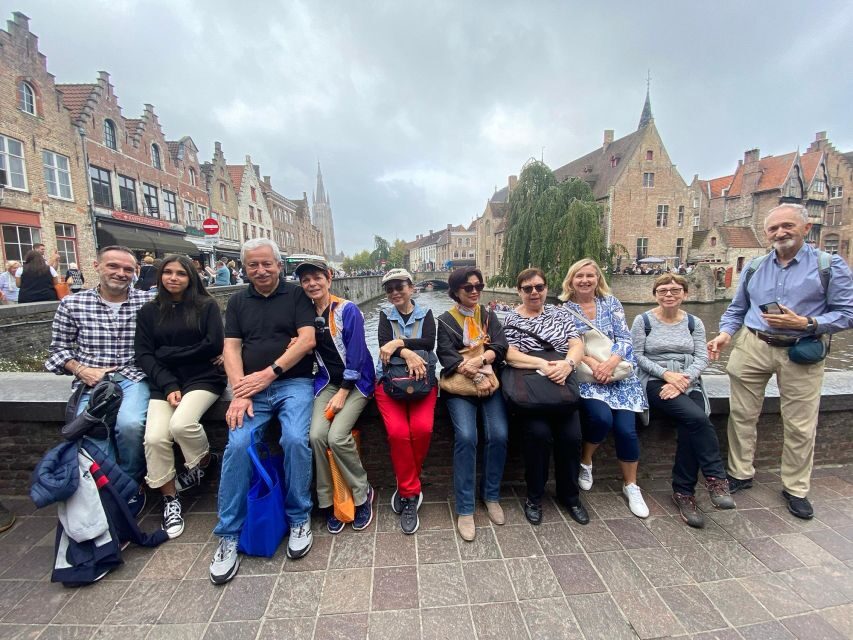
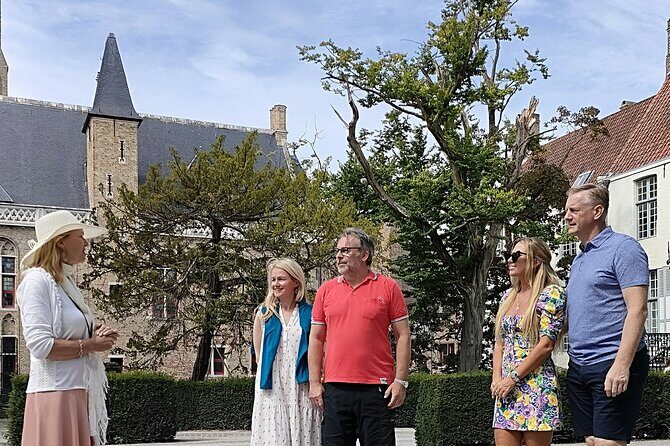
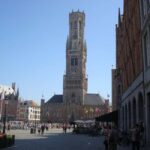
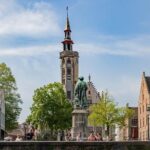
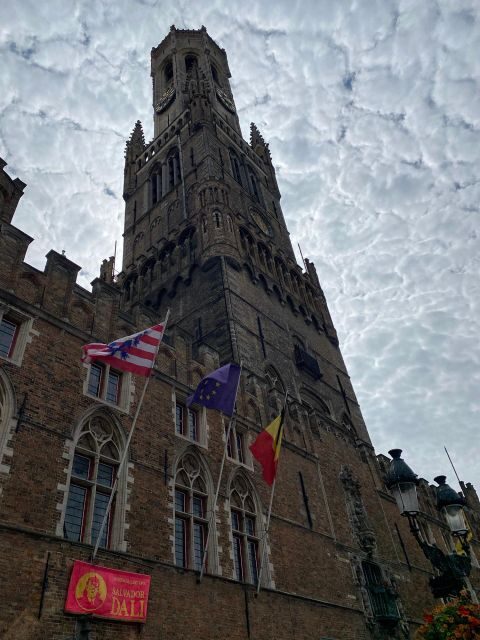
You begin at the heart of Bruges: Market Square, near the Belfort Tower. The guide is waiting with a yellow umbrella, which makes it easy to spot each other fast—one of those small things that saves time when you’re traveling.
From the first minutes, the tour feels like it has a plan. Instead of scattering you around random corners, the route builds. You’re shown what to look for, then you’re told why it matters, then you’re pointed toward the next place that explains the last.
This format is great if it’s your first or second visit. You’ll get a mental map quickly, and you’ll also pick up “what to notice next” cues for later—especially the church façades, the civic buildings, and the canal-edge angles that make Bruges look like it’s painted.
You can also read our reviews of more walking tours in Bruges
Belfort Tower to Burg Square: power, pride, and photo angles
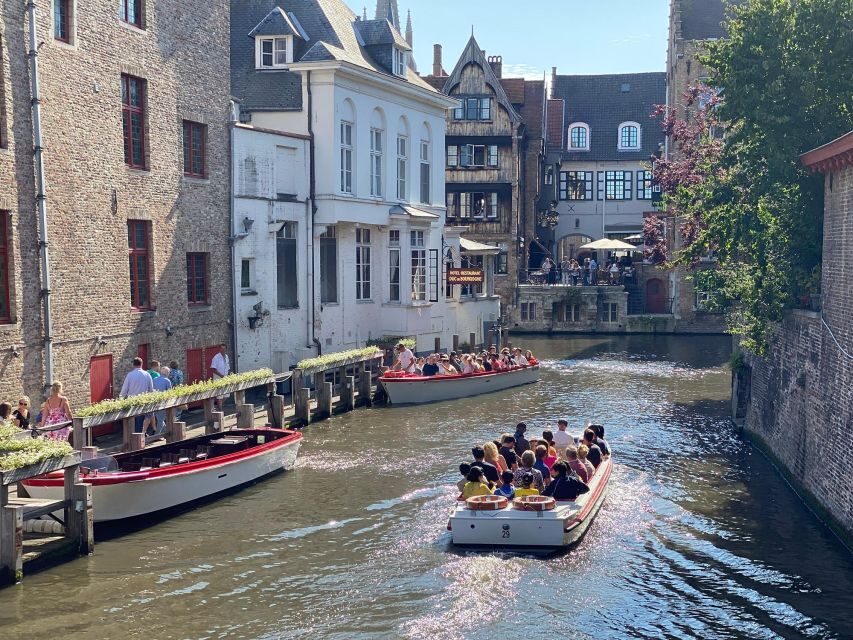
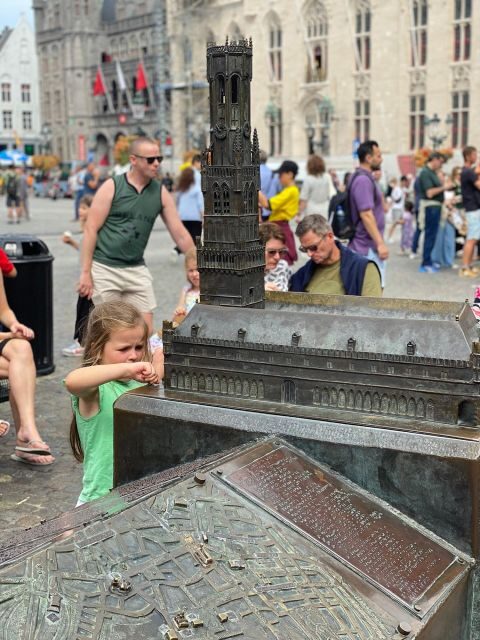
You’ll pass through Markt and head toward the Belfry of Bruges for a short photo stop and guided look. The Belfry is more than a postcard tower; it’s a symbol of civic identity. The guide’s storytelling tends to tie the city’s politics and pride to what you’re seeing in front of you, so the stone feels less decorative and more purposeful.
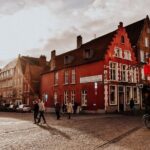
Next comes Burg Square, with another guided stop. This is where Bruges shows its official face: city institutions, grand façades, and that classic medieval sense of, we meant this to last. There’s a good pacing here—enough time to look up, then enough movement to keep the tour lively.
You’ll also see Bruges City Hall for a quick photo moment. Even if you only stop briefly, the point is smart: it helps connect the social story (who ran the city) with the visual one (how the city displayed authority).
If you like your guides upbeat and interactive, this section is where that style works best. You’ll likely find yourself watching for details rather than just walking through them.
Basilica of the Holy Blood: a famous relic and the questions it sparks
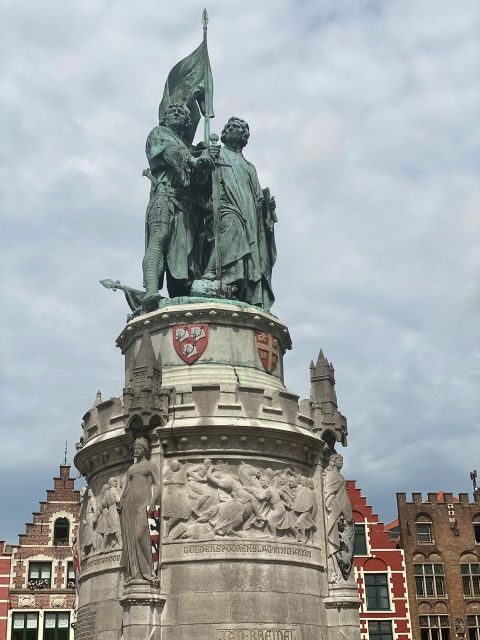
The Basilica of the Holy Blood is one of the stops built around big curiosity. The tour asks the headline question directly: does the basilica store the real Blood of Jesus Christ? Even if you treat the claim carefully, the building and its reputation are part of Bruges’ identity.
What I like about placing this stop here in the walk is the contrast. You move from civic grandeur to religious meaning. Bruges isn’t only about municipal power; it’s also about belief, legend, and the way stories become physical landmarks.
You’ll get a guided visit that gives you something practical: you’ll know what to look for, and you’ll understand why people have cared enough to return again and again. That makes the basilica feel less like a checkbox and more like a reason Bruges is still famous.
The façade puzzles: 300 Madonnas, symbolic streets, and why it matters
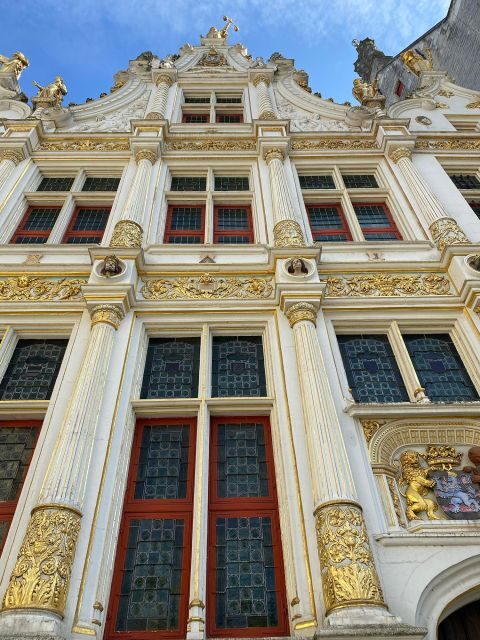
Bruges has a talent for hiding meaning in plain sight. The tour leans into that with prompts like the 300 Madonnas on building façades. This is the kind of challenge that works well on a walking tour because you can spot one, then another, then suddenly the street feels like it’s teaching you how to read it.
Along the way, you’ll also pass through streets that have character you can feel, not just see. One quick walk segment takes you along Blinde-Ezelstraat, a street name that already sounds like a story, and your guide uses that energy to keep you curious without turning the whole tour into a lecture.
These stops are valuable for one main reason: they train your eye. When you leave the tour, you’ll likely start noticing symbolism on façades, bridges, and corners—things you’d normally zoom past.
Fish Market to Huidenvettersplein: canals meet commerce
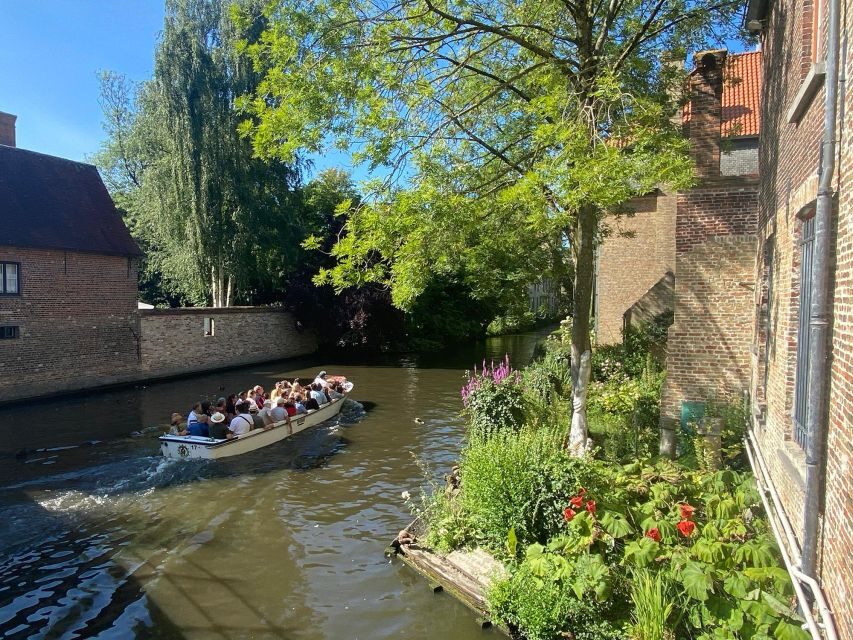
You’ll head toward Vismarkt (Fish Market) for a short guided stop and photo moment. Fish markets are where medieval cities showed their daily rhythm. Even with only a few minutes here, you’ll get the sense that Bruges wasn’t only religious and noble—it was working, trading, and living.
From there, the route continues toward Huidenvettersplein, another guided visit. This kind of stop is where you start understanding why Bruges earned its reputation as a major trading center. The guide tends to connect the city’s wealth and infrastructure to the look of the places you’re standing in.
One of my favorite parts of Bruges is when the city’s economy and its waterways overlap, because the result is very specific: it shapes architecture and street layouts. This section helps you see that link.
You can also read our reviews of more guided tours in Bruges


Rozenhoedkaai and the bridges: the Venice of the North feeling
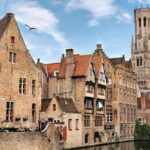
Rozenhoedkaai is one of those canal viewpoints that makes Bruges look like it’s been carefully staged. You’ll get a photo stop here, and the guide’s stories usually tie the view to why the city became known as the Venice of the North.
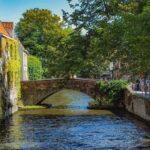
Bridges show up often in this tour, and that’s a smart choice. Bridges are where you get depth: you see two directions at once, and you feel how the canals split and connect neighborhoods. Even short pass-by moments—like Nepomucenus Bridge and De Dijver canal views—add up to a full picture.
Then there’s Bonifacius Bridge, with a photo stop plus guided look. This is also a good place to slow down mentally. Bruges is famous for its looks, but the real payoff is understanding that the water isn’t background. It’s a system.
And yes, one of the tour’s recurring mysteries is why Bruges seems to have no cats. It’s the kind of quirky question that keeps the tour fun, but it also nudges you to look at how people and city rules shape what you see in daily life.
Gruuthusemuseum break and Church of Our Lady: culture in bite-size pieces
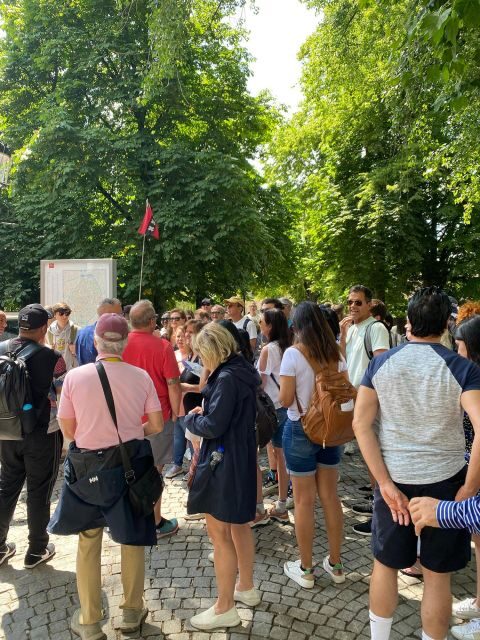
Not every part of Bruges needs a long stop to be meaningful. The tour includes a Gruuthusemuseum break and guided visit, plus a short stop at Church of Our Lady. These are ideal if you want context without turning your afternoon into a timed marathon.
The Gruuthusemuseum segment works as a reset. You get the guided piece, then a quick breather that keeps the pace comfortable. If you’re the kind of person who likes museums but doesn’t want to spend hours inside, this is a strong format.
The Church of Our Lady stop adds religious and artistic weight to what you’ve already heard about Bruges’ civic and trade power. In plain terms, you’ll leave with more “why this city looks like this” understanding.
Halve Maan brewery finale: beer, stories, and a slow way to end
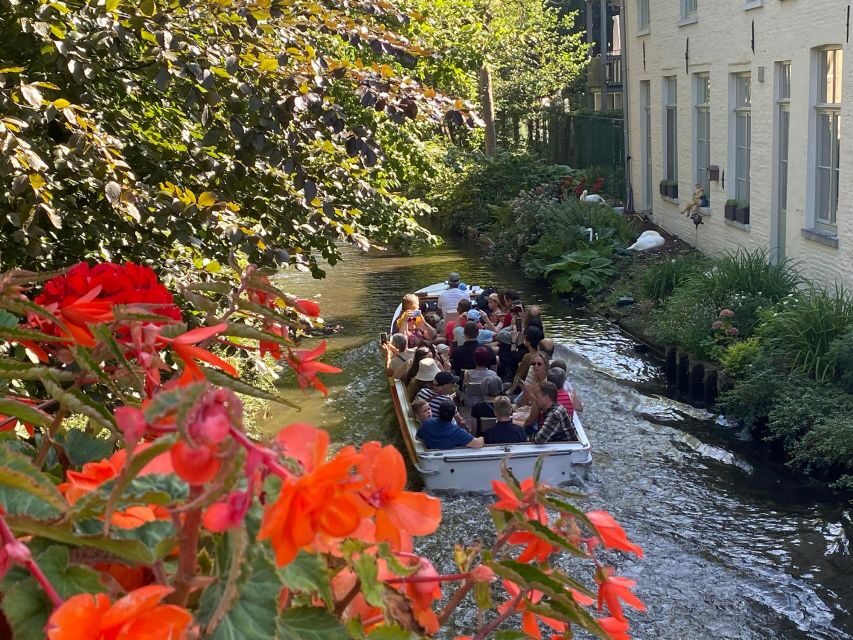
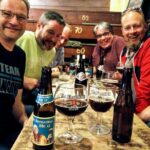
The tour ends with a food-and-drink reality check at Halve Maan brewery. You’ll have a break and photo stop, then a visit that includes beer plus a guided look, followed by some free time.
This is a perfect finale because it turns the tour from theory into texture. Bruges is all chocolate and canals on the outside, but beer is part of the lived culture. Ending here gives you something to do with your energy besides just walking back into the crowd.
The finish at Huisbrouwerij De Halve Maan is also convenient: you can regroup, grab a drink, and decide where you want to go next while the city is still fresh in your head.
Price and value: why $3.41 can be a real steal
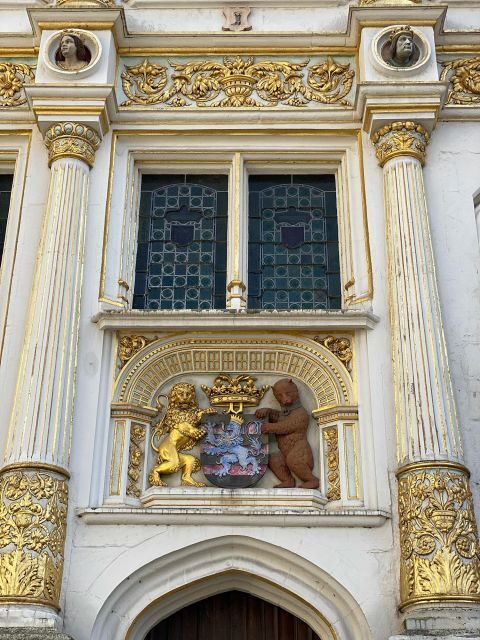
At $3.41 per person, the price is eye-catching for a 2-hour, English-speaking guided walk. The value isn’t only the low cost; it’s the density. You’re covering over 15 landmarks with story-driven interpretation, and you’re also getting a structured ending at the brewery.
A tour like this is worth more than the math if it helps you avoid the common first-day mistake: wandering without direction. The guide gives you a way to read Bruges—symbols, religious claims, trading history cues, and canal geography. That makes subsequent self-guided exploring faster and more rewarding.
The main tradeoff is time. Two hours is not long, so you need comfy shoes and a mindset for steady walking. If you slow down too much, you can start to feel like you’re rushing even when you don’t want to.
Timing, pace, and what 2 hours feels like on your feet
This walk is designed as a tight route. You’ll move between squares, churches, market areas, and canal views with short guided stops—some are 5 minutes, some are 10 or 15, and a couple include breaks.
That pace is great for first-timers and for anyone who likes variety over deep study. But if you prefer lingering at one place, you may find parts of the tour a bit quick. The good news is you finish back near the meeting point, so you can circle back later to the spots that really grabbed you.
Also remember the cobblestones. Even if you’re generally fit, old stones can tire you faster than flat pavement. Plan for that and you’ll enjoy the route more.
Who should book this Bruges walking tour (and who might want a slower plan)
Book it if you want a story-driven way to see Bruges City Center, especially if you enjoy mysteries like:
- whether the Basilica of the Holy Blood stores a major relic
- the challenge of spotting the Madonnas on façades
- odd questions like why Bruges turned into a ghost town overnight
- how Bruges’ death rate was among the lowest during the Black Death
- why there are no cats in Bruges
It’s also a strong fit for people who like getting a local guide voice plus practical photo stops. And the small group size—1 to 6—helps keep the experience flexible enough for questions.
You might choose a slower option instead if you want long museum time or you dislike brisk walking. The tour is set up to cover a lot, not to sit and soak in one interior for an hour.
Should you book it?
Yes, if you’re coming to Bruges for the sights and you want your head filled with stories that make those sights make sense. The combination of 15+ landmark stops, clear English guiding, and a real-world finale at Halve Maan brewery gives you value you can feel right away.
If you’re sensitive to cobblestones or you know you need extra time at indoor spaces, go in with realistic expectations for pace. Wear good shoes, bring a small layer for the street air, and use the tour’s map-like structure to guide your next few hours on your own.
FAQ
How long is the Bruges guided walking tour?
It runs for about 2 hours.
Where does the tour start?
It starts near the Belfort Tower on Market Square, with the guide waiting with a yellow umbrella.
Where does the tour end?
It ends back at the meeting point near Market Square.
How many landmarks do you visit?
You’ll see over 15 landmarks in Bruges city center.
What language is the tour in?
The tour is in English.
Is the tour wheelchair accessible?
Yes, it’s wheelchair accessible. The guide may choose a more convenient route, but cobblestones still require extra effort.
How large are the groups?
The tour currently accepts small groups of 1 to 6 people per group.
What are some of the tour’s featured mysteries or topics?
The tour highlights stories such as the Basilica of the Holy Blood question, the Madonnas on building facades, why Bruges became a ghost town overnight, Black Death comparisons, and why there are no cats in Bruges.
Is there a beer stop during the tour?
Yes. You stop at Halve Maan brewery, with beer and a guided visit.
What if my plans change?
You can cancel up to 24 hours in advance for a full refund.