Bruges changes when you pedal through it. This guided retro bike tour is a fast, fun way to see major landmarks and lesser-visited corners in about 2.5 hours, with a local guide narrating what you’re actually riding past.
I love that the tour includes the practical stuff: a helmet and a handy basket (plus a poncho and umbrella for common Bruges weather curveballs). I also like how the route doesn’t just stick to postcard stops; you get explanations at famous places and then a few calmer areas where you can breathe and reset.
One thing to consider: Bruges cobblestones plus shared streets means you’ll be paying attention the whole time. If you want lots of stopping, or if you’re not comfortable cycling over uneven ground and around pedestrians/cars, this may feel like more effort than you’re hoping for.
In This Review
- Key Points You’ll Care About
- Why Pedaling Bruges Feels Like a Cheat Code
- Retro Biketours Bruges: Bikes, Included Gear, and What It Means for You
- The Ride Reality: Cobblestones, Shared Streets, and Safety Tips That Actually Help
- Meeting at Hof Bladelin: Where the Tour Starts and Why It’s a Good First Move
- Stop-by-Stop: Hof Bladelin to the Famous Belfry and Squares
- Historic Centre: Hof Bladelin, a Palace Moment, and Silent Bruges
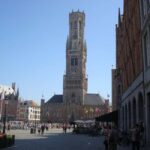
- Belfry of Bruges
- Burg Square
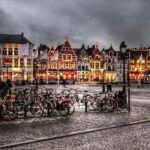
- The Markt
- Beguinage Ten Wijngaarde and Jan van Eyckplein: Bruges at a Slower Tempo
- The Princely Beguinage Ten Wijngaarde
- Jan Van Eyckplein near Spiegelrei
- Windmills of Bruges Ramparts and Adornes Domain: The Views You Bike Past
- Windmills of Bruges
- Adornes Domain
- Dukes’ Palace Area, Almshouses, and Mary of Burgundy Statue
- Hotel Dukes’ Palace
- Historic Centre of Brugge: Almshouses
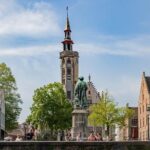
- Mary of Burgundy Statue
- How Much You Really Get in 2.5 Hours (and What to Do Next)
- Guide Personalities: What Changes From One Tour to Another
- Value Check: Is $53.84 Worth It?
- Who Should Book This Retro Bike Tour in Bruges
- Should You Book This Bruges Retro Bike Tour?
- FAQ
- How long is the Bruges guided retro bike tour?
- What’s included with the bikes and what weather gear do I get?
- Is the tour in English?
- How big is the group?
- Where do I meet the tour?
- Is the tour suitable for people with moderate physical fitness?
- Can I cancel and get a full refund?
Key Points You’ll Care About
- Retro bikes with real accessories: helmet and basket included, so you can carry small essentials without juggling
- Weather protection comes with you: poncho and umbrella help you keep going when the sky changes
- A tight route for orientation: you hit major squares and viewpoints quickly, then get recommendations for what to do next
- Windmills and ramparts are part of the loop: you get that city wall energy rather than only the center
- Small group size: up to 14 people keeps the ride manageable on narrow, busy parts
Why Pedaling Bruges Feels Like a Cheat Code
Bruges is gorgeous, but walking the whole medieval center can eat time fast. By bike, you cover more ground without losing the charm. You get the sense of the city’s layout—where canals pull you, where streets narrow, and where the big sights actually sit in relation to everything else.
What I like about a guided format here is simple: you don’t just see stops, you understand why they matter. Your guide points out details you’d likely miss on your own, from the architecture around the Grote Markt to the quieter areas that most standard routes skip.
You can also read our reviews of more guided tours in Bruges
Retro Biketours Bruges: Bikes, Included Gear, and What It Means for You
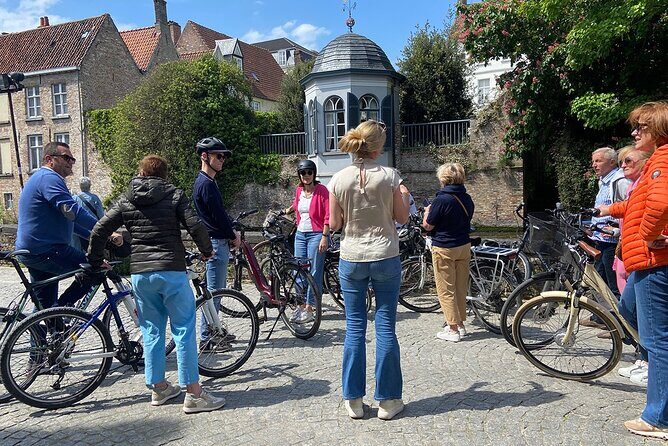
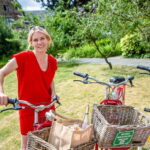
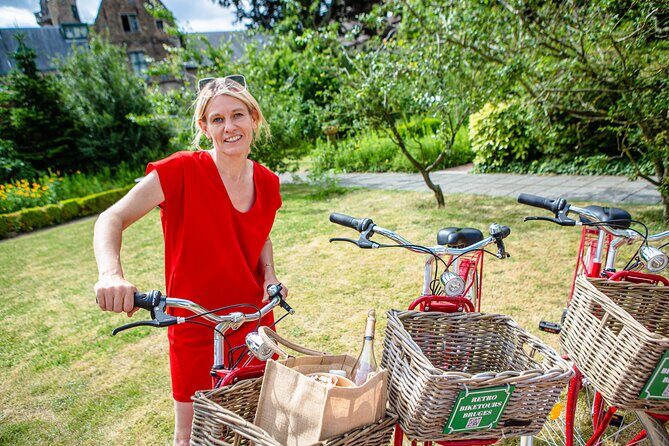
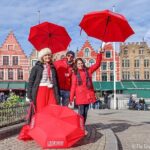
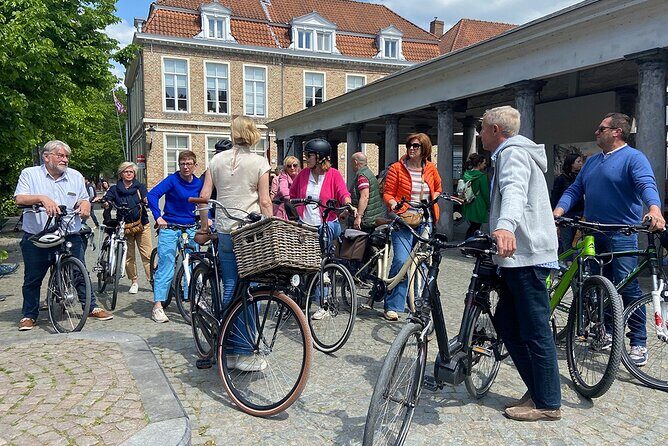
This is a guided bicycle tour with a “retro” bike rental style, and they keep the setup user-friendly. Each person gets a bike, a helmet, and a basket. That basket matters more than you’d think. It’s perfect for a small day bag, a light jacket, or water so you can keep both hands where they belong—on the handlebars.
They also provide a poncho and umbrella. Bruges weather is famous for being changeable, and this takes stress off your planning. You’re not trying to gamble with rain gear while also trying to bike over cobblestones.
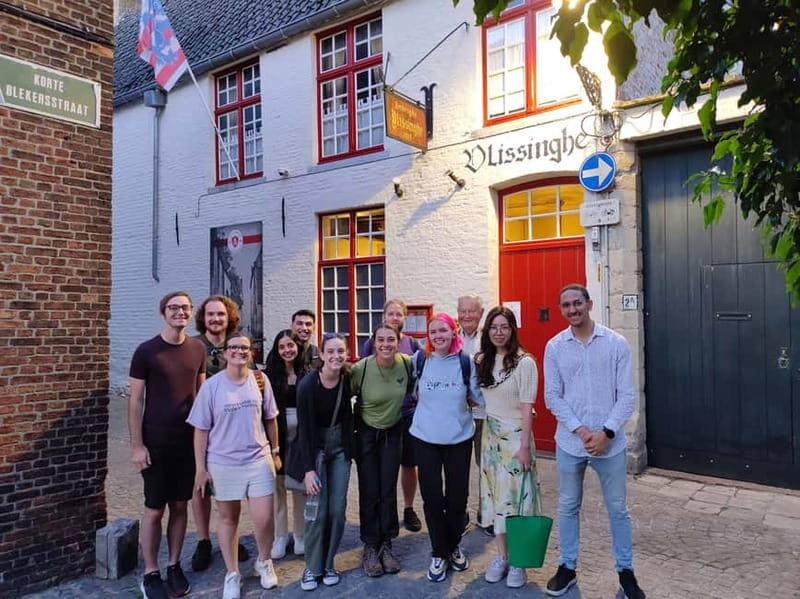
Group size is capped at 14. That’s a sweet spot: big enough to have fun energy, small enough that the guide can keep an eye on the group and help if someone is having trouble with the bike.
Language is English, and you’ll receive a mobile ticket. If you’re traveling light, that’s a plus: less paperwork to track.
The Ride Reality: Cobblestones, Shared Streets, and Safety Tips That Actually Help
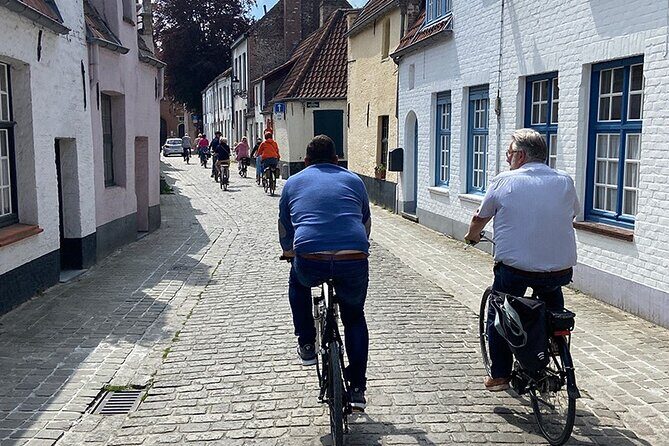
Bruges is bike-friendly in the sense that people bike here, but it’s still a real city with pedestrians and car traffic. You’ll be negotiating uneven streets and crossing paths with walkers. Even if you’re an experienced cyclist, you’ll want to stay alert because cobblestones can change traction and comfort quickly.
A few practical habits make this smoother:
- Slow down where the street looks busy: near intersections and where pedestrians cut across your path.
- Look left and right often: the slower pace still means you’re moving through shared space.
- Keep your line predictable: don’t swerve around bumps without signaling mentally.
- Plan for constant attention: it’s not a leisurely cruise where you can tune out.
One guest specifically noted that there’s no formal drink or shop break during the ride. That’s important if you need a mid-tour reset. You’ll have stops for landmarks and stories, but not a scheduled pause to pop inside a café or do museum shopping. Bring what you’ll want before you start, or plan to follow up after the tour on your own.
Also note the physical-fit guidance: the tour says moderate physical fitness is expected. That doesn’t mean “athletic only,” but it does mean cobblestones and cycling are part of the deal.
Meeting at Hof Bladelin: Where the Tour Starts and Why It’s a Good First Move
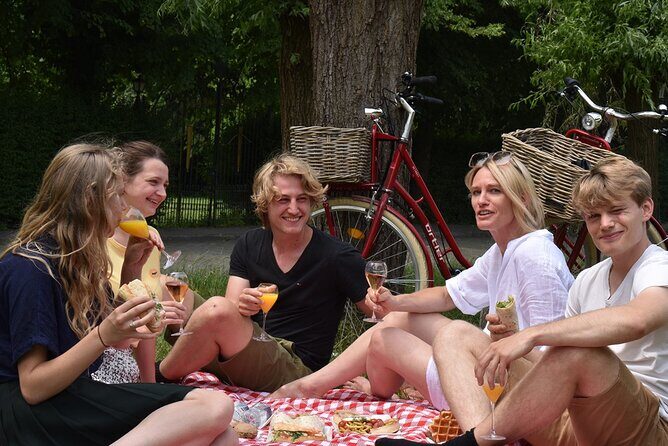
You meet at Retro Biketours Bruges, Grauwwerkersstraat 29, 8000 Brugge, and the tour ends back at the same point.
The starting point is the imposing monastery garden of Hof Bladelin. Starting here helps you get oriented right away. It’s not just a random “let’s go” location; it sets the mood with a medieval setting before you roll out into the historic core.
From the first stretch, your guide sets the tone with a mix of landmark highlights and less-frequented areas. You’ll hear stories that connect the sights to everyday life in older Bruges—how spaces were used, who lived where, and why some neighborhoods stayed quieter even as the city grew.
Stop-by-Stop: Hof Bladelin to the Famous Belfry and Squares

Historic Centre: Hof Bladelin, a Palace Moment, and Silent Bruges
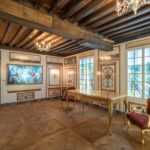
The early part focuses on the Historic Centre of Brugge, beginning with Hof Bladelin. This is where you get medieval drama on cobblestones, plus access moments that feel more “real life” than “tour bus photos.”
A standout in this portion is the visit to a real medieval city palace and the look at what’s described as the Silent Bruges neighborhood. That combination—palace interior vibes plus a tucked-away district feel—helps you understand why Bruges is such a maze city. It’s not only famous squares; it’s also hidden angles.
Possible drawback: this section includes cycling on uneven stone and some traffic negotiation, so if you’re prone to discomfort, you’ll want to take the cobblestone portion seriously and follow your guide’s pace.
Belfry of Bruges
Next up is the Belfry of Bruges, listed as a free admission stop on the route. Even if you’ve seen belfries elsewhere, this one matters because it anchors Bruges’ identity as a city that prized civic power and trade.
Burg Square
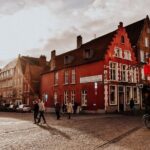
Then you hit Burg Square, described as the most touristic and administrative center of Bruges. It’s where the city’s “who ran things” energy shows up. Think buildings that signal authority rather than only beauty.
The Markt
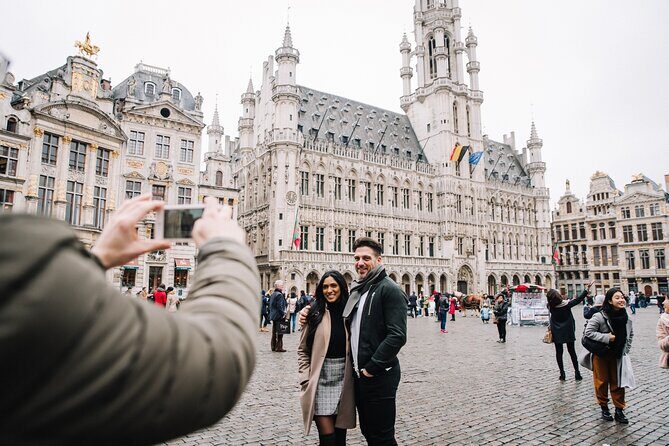
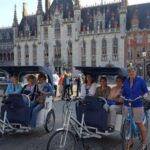
Finally in this famous-squares cluster is The Markt, the beated heart of Bruges. This is where you feel the city’s pulse—cafés, architecture, and that classic central-plaza feeling. The guide’s job here is to help you read the scene instead of just snapping pictures.
Practical tip: The Markt is busy. Watch for pedestrians stepping across the path. Keep your speed calm and stay in your group.
Beguinage Ten Wijngaarde and Jan van Eyckplein: Bruges at a Slower Tempo
The Princely Beguinage Ten Wijngaarde
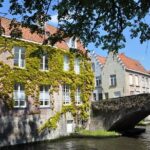
One of the more special pauses is The Princely Beguinage Ten Wijngaarde, described as the only preserved beguinage in Bruges. A beguinage isn’t just a pretty courtyard stop. It’s a window into how women lived communally with independence tied to religious life, and it’s the kind of place that benefits from a slow, thoughtful watch.
The tour gives you time here so you can look around without rushing. You’ll also get context you likely wouldn’t guess just from the buildings alone.
Jan Van Eyckplein near Spiegelrei
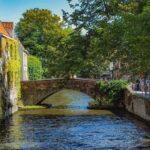
Then you roll to Jan Van Eyckplein, at the beginning of the Spiegelrei. This is where the city’s canal-side rhythm starts to show more strongly. It’s a good spot for photos because the view and street lines help explain how Bruges “stacks” landmarks rather than scattering them randomly.
Windmills of Bruges Ramparts and Adornes Domain: The Views You Bike Past
Windmills of Bruges
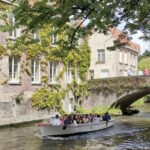
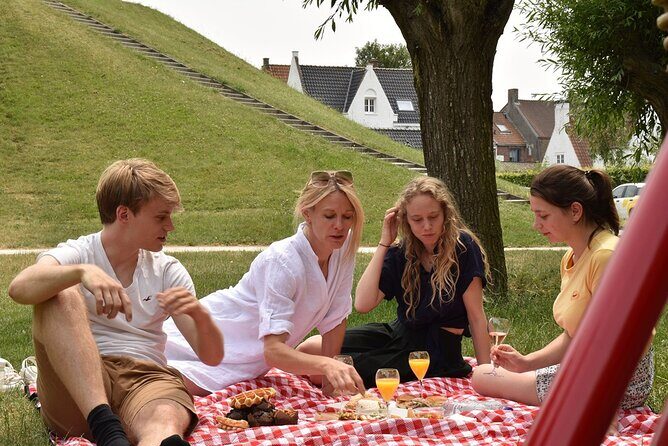
The ride includes the Windmills of Bruges, with a cycling stretch described as along the ramparts and windmills. This is one of those moments that changes how you picture the city. You don’t just see Bruges—you see its defensive layout, parks, and the practical geography that made the place defensible and livable.
One review praised this stretch on paths around the protective river moat, mentioning medieval towers, windmills, parks, and cooling forest areas. That’s the kind of contrast Bruges does well: medieval core energy, then open space as you loop outward.
Adornes Domain
Next is Adornes Domain, described as exceptional architecture. This is where you’ll likely notice details that feel “too specific” for casual sightseeing. The guide helps you make sense of what you’re looking at—why a building is designed the way it is and what it signals in the city’s story.
Practical note: architecture stops are usually short, but on cobbles you still feel each minute. If you’re sensitive, bring a bit of mental patience for the ride between stops.
Dukes’ Palace Area, Almshouses, and Mary of Burgundy Statue
Hotel Dukes’ Palace
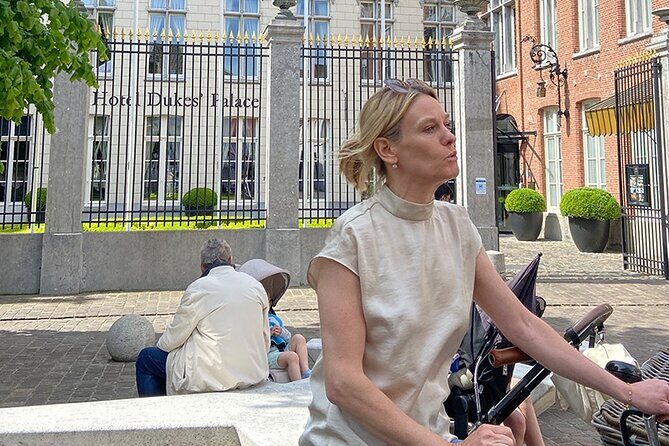
You’ll visit the Hotel Dukes’ Palace, tied to Dukes Palace history. This stop reads like power made visible. Even without going deep into any one room, you’ll understand how important rulers and their courts were to Bruges’ growth.
Historic Centre of Brugge: Almshouses
The tour also references a set of almshouses spread across the city. This matters because it shifts the story from rulers and commerce to the people who relied on social structures to survive. It’s also a reminder that Bruges wasn’t only built for visitors; it was built for residents with real needs.
Mary of Burgundy Statue
The ride ends with the Mary of Burgundy statue, described as the duchess of Burgundy. It’s a fitting human anchor at the end. Bruges often feels like a museum city, but Mary of Burgundy puts a name and political identity to what you’ve been walking through.
How Much You Really Get in 2.5 Hours (and What to Do Next)
A 2.5-hour bike tour works best when you treat it as your Bruges orientation. You’ll cover big landmarks—belfry, squares, beguinage—plus the windmill ramparts route that expands your picture of the city.
Then comes the best use of your time: after the tour, follow your guide’s local recommendations for what to dig into deeper. One of the strongest themes from the tour experience is that guides focus on practical tips for your further stay, not just narration for narration’s sake.
In other words, you’re not buying “everything.” You’re buying a smart starting point. If you do this early in your trip, you’ll know where to return. If you do it mid-trip, you’ll use it to fill gaps fast.
Guide Personalities: What Changes From One Tour to Another
The stories you get depend a lot on the guide’s style, and the names coming up show a consistent pattern: friendly energy, clear explanations, and real care for safe riding.
For example, guests have called out guides like Sebastian, Nathan, Mercédes, Frida, Frieda, and Lorelei for making Bruges history feel alive. You’ll also hear that guides help the group stay comfortable and moving, with frequent stops and a pace that stays manageable even with cobblestones.
That pacing is important: many guests described the ride as easy to slow, with stops that keep interest high. Still, the route isn’t designed for total sightseeing drift. It’s structured, and you’ll feel that as you go.
Value Check: Is $53.84 Worth It?
At $53.84 per person for about 2 hours 30 minutes, value depends on what you’d do otherwise.
If you would walk and then try to self-navigate to the windmill ramparts, beguinage, and multiple central squares, you’d spend time figuring out routes. Time has a cost. This tour compresses a lot into one guided loop, with free admission listed for key stops along the way.
You’re also paying for the bike setup and weather protection:
- helmet and basket included
- poncho and umbrella included
- guided context that helps you decide where to spend more time afterward
So the “value” angle is less about one landmark and more about the system: transport + timing + interpretation. For many people, that’s exactly what you want in Bruges.
Who Should Book This Retro Bike Tour in Bruges
This tour is a strong fit if you:
- want a guided Bruges bike loop that covers major sights plus quieter areas
- can handle cobblestones and shared streets with pedestrians and bikes
- like frequent short stops for stories rather than one long guided lecture
- want a practical intro so you can plan your next days
It’s not the best match if you:
- want lots of time to shop or sit for long breaks (there’s no scheduled drink or shop stop)
- have discomfort cycling over uneven stone or staying in motion for the full ride
- need a fully quiet, low-attention experience
Should You Book This Bruges Retro Bike Tour?
If your goal is to get oriented fast, see the big landmarks, and also get a few calmer corners plus rampart windmill views, I’d book it. The included gear makes it low-stress, and the small group size helps the ride feel controlled instead of chaotic.
Just go in with the right expectations: it’s a real cycling experience through cobblestones and shared streets. If you’re comfortable with that, you’ll leave with Bruges mapped in your head and a shortlist of places to revisit.
FAQ
How long is the Bruges guided retro bike tour?
It lasts about 2 hours 30 minutes.
What’s included with the bikes and what weather gear do I get?
You get a stylish retro bike rental plus a helmet and a basket. You also receive a poncho and an umbrella to help with weather changes.
Is the tour in English?
Yes, the tour is offered in English.
How big is the group?
The tour has a maximum of 14 travelers.
Where do I meet the tour?
The meeting point is Retro Biketours Bruges, Grauwwerkersstraat 29, 8000 Brugge, Belgium. The tour ends back at the meeting point.
Is the tour suitable for people with moderate physical fitness?
The tour recommends travelers have a moderate physical fitness level.
Can I cancel and get a full refund?
Yes. You can cancel for a full refund if you cancel at least 24 hours before the experience’s start time.